
You want to live a healthy and vibrant life, but dealing with inflammation can make it difficult. Whether it’s joint pain, digestive issues, or skin problems, inflammation can be a constant source of discomfort. But before you turn to medications or expensive treatments, why not try reducing inflammation through your diet? With the right food choices, you can naturally combat inflammation and improve your overall well-being. In this article, we will explore the best ways to reduce inflammation through diet, giving you the knowledge and tools to take control of your health.
Eat a Variety of Fruits and Vegetables
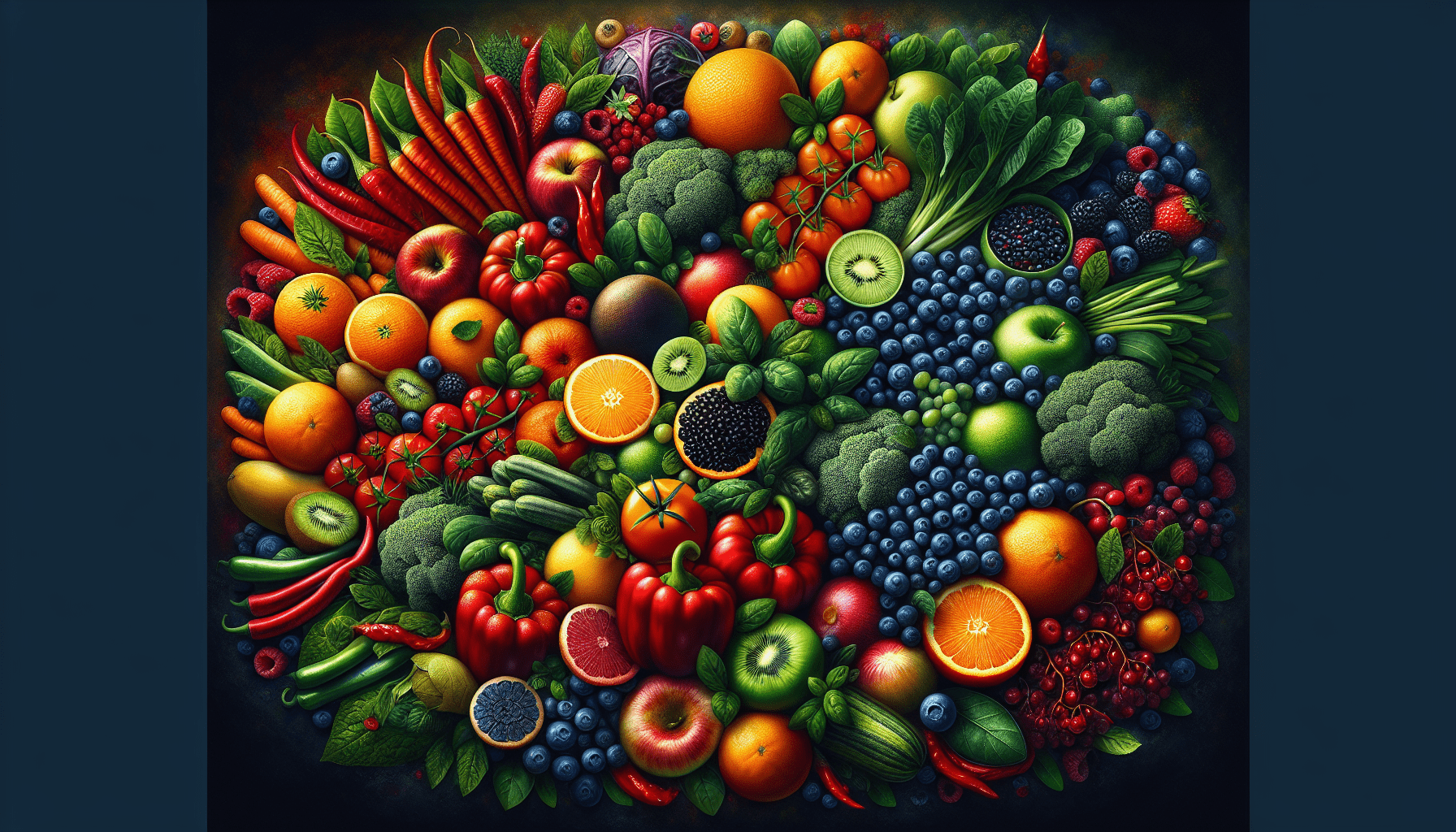
Eating a variety of fruits and vegetables is essential for a healthy diet. Not only do they provide essential vitamins and minerals, but they also contain powerful antioxidants that help reduce inflammation in the body. It’s important to include different colors of fruits and vegetables in your diet, as each color represents specific nutrients and antioxidants. For example, red fruits and vegetables contain lycopene, which has been shown to have anti-inflammatory properties. On the other hand, green leafy vegetables like spinach and kale are rich in vitamins A, C, and K, as well as antioxidants like quercetin and lutein, which help reduce inflammation.
Choose Anti-inflammatory Foods
Certain foods have been shown to have anti-inflammatory properties and can help reduce inflammation in the body. These foods include fatty fish, berries, leafy greens, nuts, and seeds. Fatty fish, such as salmon and mackerel, are high in omega-3 fatty acids, which have been found to reduce inflammation. Berries, such as blueberries and strawberries, are packed with antioxidants and phytochemicals that have anti-inflammatory effects. Leafy greens, like spinach and kale, are rich in vitamins and minerals, as well as antioxidants that help reduce inflammation. Nuts and seeds, such as almonds and flaxseeds, are excellent sources of healthy fats and antioxidants that can help combat inflammation.
Opt for Organic Options
When choosing fruits, vegetables, and other foods, it is beneficial to opt for organic options whenever possible. Organic fruits and vegetables are grown without the use of synthetic pesticides and fertilizers, which can contribute to inflammation in the body. Organic farming practices also promote soil health and biodiversity, which can result in higher levels of nutrients and antioxidants in organic produce. Additionally, choosing organic options for meat and dairy products ensures that you are not consuming antibiotics or hormones that can have inflammatory effects on the body. By opting for organic options, you can reduce your exposure to potential inflammatory substances and support a more sustainable and healthy food system.
Incorporate Omega-3 Fatty Acids
Omega-3 fatty acids are a type of healthy fat that has been widely studied for its anti-inflammatory effects. Including omega-3 fatty acids in your diet can help reduce inflammation and contribute to overall health. One of the best sources of omega-3 fatty acids is fatty fish such as salmon, tuna, and sardines. Aim to consume fatty fish at least twice a week to reap the benefits of these healthy fats. If you’re not a fan of fish, you can still incorporate omega-3 fatty acids into your diet by adding flaxseeds and chia seeds to your meals. These seeds are rich in alpha-linolenic acid (ALA), a plant-based omega-3 fatty acid. Another great option for adding omega-3 fatty acids to your diet is walnuts. Walnuts are not only delicious but also provide a good amount of ALA.
Limit Processed Foods and Added Sugars
To reduce inflammation in your body, it is important to limit your intake of processed foods and added sugars. Highly processed foods, such as fast food, packaged snacks, and sugary beverages, are often high in unhealthy fats, refined carbohydrates, and artificial additives. These ingredients can promote inflammation and contribute to chronic diseases. Instead, opt for whole, unprocessed foods like fruits, vegetables, whole grains, and lean proteins. When it comes to sugar, cutting back on your consumption is crucial. Added sugars, found in sweets, soft drinks, and many processed foods, can trigger inflammation and lead to various health problems. Reading food labels carefully and choosing products with little to no added sugars is a smart way to keep inflammation in check.
Include Healthy Fats
Contrary to popular belief, not all fats are bad for you. In fact, incorporating healthy fats into your diet can help reduce inflammation and promote overall well-being. Extra virgin olive oil is a great option for cooking and dressing your meals. It is rich in monounsaturated fats and antioxidants, which have been shown to have anti-inflammatory effects. Another excellent source of healthy fats is avocados. Avocados are loaded with monounsaturated fats, fiber, and various vitamins and minerals. They can be added to salads, sandwiches, or used as a substitute for butter or mayonnaise in recipes. Nuts and seeds are also important sources of healthy fats. Regularly including almonds, walnuts, chia seeds, and flaxseeds in your diet can help you reap the benefits of their anti-inflammatory properties.
Opt for Whole Grains
When it comes to grains, choosing whole grains over refined grains is a wise choice for reducing inflammation. Whole grains are rich in fiber, vitamins, minerals, and antioxidants that contribute to a healthy diet. Whole wheat, brown rice, and quinoa are excellent options to incorporate into your meals. These grains provide a steady release of energy and have a lower glycemic index compared to refined grains, which can help regulate blood sugar levels and reduce inflammation. Refined grains, on the other hand, have been stripped of their fiber and nutrients, leaving behind a starchy, inflammatory end product. It’s best to avoid white bread, pasta, and other refined grain products and instead opt for their whole grain counterparts.
Stay Hydrated
Staying properly hydrated is essential for overall health and maintaining a balanced state in your body. Dehydration can lead to increased inflammation, so it’s important to drink plenty of water throughout the day. Water helps flush out toxins and waste products, keeping your body hydrated and nourished. Herbal teas are another great option to include in your daily fluid intake. Many herbal teas, such as chamomile, green tea, and ginger tea, have anti-inflammatory properties and can help reduce inflammation in the body. On the other hand, it’s best to steer clear of sugary beverages like soda and fruit juices, as they can contribute to inflammation and negatively impact your health.
Spice Up Your Meals
Adding a variety of spices to your meals not only enhances the flavor but can also provide anti-inflammatory benefits. Turmeric, a bright yellow spice commonly used in Indian cuisine, contains a compound called curcumin, which has potent anti-inflammatory properties. Including turmeric in your cooking can help reduce inflammation in the body. Ginger and garlic are also excellent spices to incorporate into your dishes. Ginger has been used for centuries to alleviate pain and inflammation, while garlic contains sulfur compounds that can help reduce inflammation and boost the immune system. If you enjoy a little heat, experiment with cayenne pepper and cinnamon. Both spices have been shown to have anti-inflammatory effects and can add a kick to your favorite recipes.
Reduce Intake of Potential Inflammatory Foods
To manage inflammation, it is important to be mindful of the foods that may potentially promote inflammation in the body. Red meat, particularly processed meats like sausages and bacon, has been associated with an increased risk of inflammation and chronic diseases. It’s best to limit your consumption of red meat and opt for leaner proteins like fish, poultry, and plant-based sources. Dairy products, such as milk, cheese, and yogurt, can also trigger inflammation in certain individuals. If you notice that dairy products worsen your inflammation symptoms, it’s best to avoid or moderate your consumption. Additionally, excessive alcohol consumption can lead to inflammation and have negative effects on your health. It’s important to minimize alcohol intake and practice moderation for overall well-being.
Manage Portion Sizes
Practicing mindful eating and managing portion sizes can play a significant role in reducing inflammation. It’s easy to overeat when portions are large, leading to weight gain and increased inflammation. Mindful eating involves paying attention to your body’s hunger and fullness cues and eating until you are satisfied, not overly full. Using smaller plates and bowls can also help control portion sizes and prevent overeating. By listening to your body and eating mindfully, you can maintain a healthy weight and reduce inflammation in the body.
Consider Anti-inflammatory Herbal Supplements
While a healthy diet is the foundation of reducing inflammation, some individuals may benefit from incorporating anti-inflammatory herbal supplements into their routine. Before starting any new supplement regimen, it is important to consult a healthcare professional to ensure safety and effectiveness. One popular herbal supplement is turmeric curcumin. Turmeric curcumin supplements can provide a concentrated dose of curcumin, the active compound in turmeric, which has potent anti-inflammatory properties. Omega-3 fish oil supplements are another option for reducing inflammation. These supplements contain high levels of omega-3 fatty acids, which have been shown to have anti-inflammatory effects. It’s important to remember that supplements should complement a healthy diet and lifestyle, rather than replace them.
In conclusion, reducing inflammation through your diet can have a significant impact on your overall health and well-being. Incorporating a variety of fruits and vegetables, choosing anti-inflammatory foods, and opting for organic options can help actively combat inflammation in the body. Including omega-3 fatty acids, limiting processed foods and added sugars, and including healthy fats are also important steps to reduce inflammation. Opting for whole grains, staying hydrated, and spicing up your meals can further support an anti-inflammatory diet. It’s also crucial to be mindful of potential inflammatory foods, manage portion sizes, and consider anti-inflammatory herbal supplements under the guidance of a healthcare professional. By making these dietary changes, you can promote a healthier, inflammation-free lifestyle.