
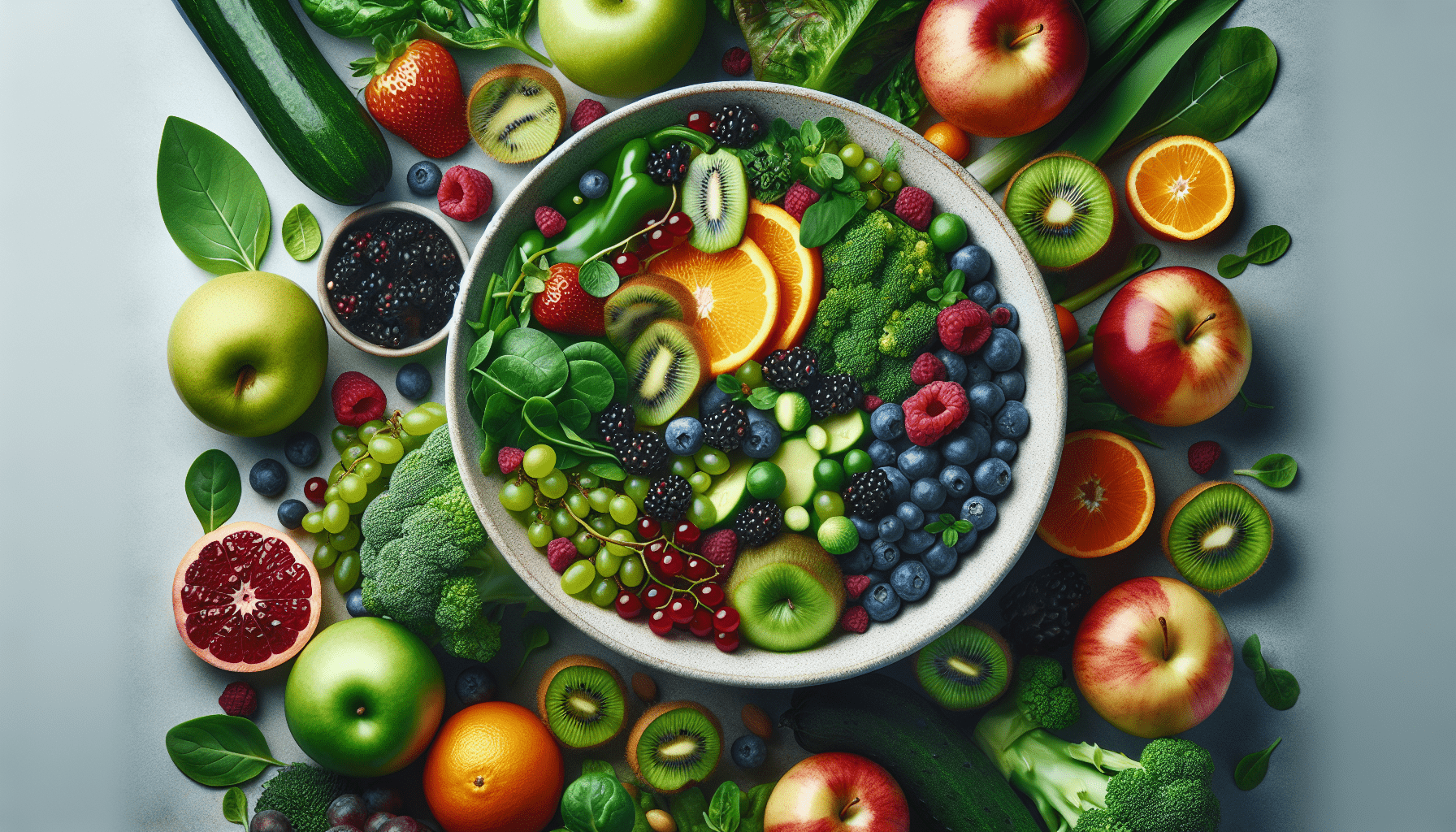
Managing digestive disorders can be a challenging and uncomfortable experience, but there are alternative medicine approaches that can help alleviate your symptoms. In this article, we will explore how you can naturally manage digestive disorders using alternative medicine methods. From herbal remedies to dietary changes, these holistic approaches can provide you with relief and improve your overall digestive health. Say goodbye to discomfort and hello to natural solutions for your digestive disorders.
Understanding Digestive Disorders
Digestive disorders are common health conditions that affect the normal functioning of the digestive system. They can cause discomfort, pain, and interfere with your everyday life. It’s important to have a good understanding of these disorders in order to effectively manage and treat them.
Common digestive disorders
There are several common digestive disorders that people may experience. Some of the most prevalent ones include:
- Gastroesophageal reflux disease (GERD): This condition occurs when stomach acid flows back into the esophagus, causing heartburn and other symptoms.
- Irritable bowel syndrome (IBS): IBS is a chronic condition characterized by abdominal pain, bloating, and changes in bowel habits.
- Inflammatory bowel disease (IBD): This umbrella term includes conditions like Crohn’s disease and ulcerative colitis, which cause inflammation and damage to the digestive tract.
- Gallstones: Gallstones are hardened deposits that form in the gallbladder, causing pain and digestive issues.
- Celiac disease: An autoimmune disorder that damages the small intestine when gluten is consumed.
Causes of digestive disorders
The causes of digestive disorders can vary depending on the specific condition. Some factors that can contribute to the development of these disorders include:
- Genetics: Certain digestive disorders, such as celiac disease and some forms of IBD, have a genetic component.
- Dietary factors: Consuming high-fat or processed foods, as well as trigger foods for individuals, can trigger digestive symptoms.
- Stress: Emotional stress and anxiety can have a negative impact on digestive health.
- Infections: Certain infections, such as H. pylori bacteria, can lead to digestive disorders.
- Medications: Some medications, such as nonsteroidal anti-inflammatory drugs (NSAIDs), can cause digestive complications.
Symptoms of digestive disorders
The symptoms of digestive disorders can vary depending on the specific condition and can range from mild to severe. Some common symptoms include:
- Abdominal pain: Sharp or cramp-like pain in the stomach or abdomen.
- Bloating and gas: Feeling bloated or gassy after meals.
- Diarrhea or constipation: Changes in bowel habits, either frequent loose stools or difficulty passing stools.
- Heartburn: A burning sensation in the chest, often after eating.
- Nausea and vomiting: Feeling queasy or vomiting regularly.
- Fatigue: Feeling tired or lacking energy.
- Weight loss: Unintentional weight loss despite normal eating habits.
It’s important to pay attention to these symptoms and seek medical advice if they persist or worsen.
The Role of Alternative Medicine in Digestive Health
Alternative medicine offers various approaches to support and improve digestive health. These holistic practices focus on addressing the root causes of digestive disorders rather than just treating the symptoms. Here is an overview of alternative medicine and its benefits for digestive disorders.
Overview of alternative medicine
Alternative medicine encompasses a range of practices that are not traditionally part of conventional medicine. This includes herbal medicine, acupuncture, aromatherapy, mind-body techniques, and more. Many of these practices have been used for centuries in different cultures to promote overall well-being and treat various health conditions, including digestive disorders.
Benefits of alternative medicine for digestive disorders
Alternative medicine approaches provide several benefits for managing digestive disorders:
- Holistic approach: Alternative medicine takes into account the interconnectedness of all body systems, focusing on treating the whole person rather than just the specific symptoms.
- Fewer side effects: Unlike certain medications, many alternative therapies have minimal to no side effects, making them a safer option for long-term use.
- Addressing underlying causes: Alternative medicine aims to address the root causes of digestive disorders, such as imbalances in the gut microbiome or chronic inflammation.
- Complementary to conventional treatments: Alternative medicine can be used alongside conventional medical treatments to enhance their effectiveness and reduce reliance on medications.
Types of alternative medicine for digestive disorders
There are several types of alternative medicine that can be beneficial for managing digestive disorders. Some common ones include:
- Herbal medicine: Using herbs and plants to promote digestion, reduce inflammation, and soothe the digestive system.
- Probiotics and fermented foods: Restoring and maintaining a healthy balance of gut bacteria through the consumption of live cultures found in probiotics and fermented foods.
- Acupuncture: Stimulating specific points on the body using thin needles to regulate the flow of energy and improve digestive function.
- Mind-body techniques: Practices such as meditation, yoga, and relaxation techniques that reduce stress and promote a healthy mind-gut connection.
- Aromatherapy: Using essential oils derived from plants to alleviate digestive symptoms and promote relaxation.
- Digestive enzymes: Supplements that aid in the breakdown and absorption of nutrients, supporting healthy digestion.
These alternative medicine approaches can be used in combination or individually, depending on the specific needs and preferences of each person.
Dietary Changes
Diet plays a significant role in the management of digestive disorders. Making certain dietary changes can help alleviate symptoms and improve overall gut health. Here are some important considerations when it comes to diet and digestive health.
Identifying trigger foods
One of the first steps in managing digestive disorders is identifying trigger foods. These are foods that may exacerbate symptoms or cause digestive distress in individuals. Common trigger foods include spicy foods, fatty foods, caffeine, alcohol, and dairy products. Keeping a food diary and noting any symptoms experienced after eating specific foods can help identify trigger foods and avoid them in the future.
Incorporating gut-friendly foods
On the other hand, incorporating gut-friendly foods into your diet can promote digestion and reduce inflammation. Some examples of gut-friendly foods include:
- Fiber-rich foods: Foods like fruits, vegetables, whole grains, and legumes provide essential fiber that promotes regular bowel movements and supports a healthy digestive system.
- Healthy fats: Foods rich in omega-3 fatty acids, such as fatty fish, nuts, and seeds, have anti-inflammatory properties and can benefit individuals with conditions like IBD.
- Probiotic-rich foods: Consuming fermented foods like yogurt, sauerkraut, kimchi, and kefir introduces beneficial bacteria into the gut, promoting a healthy microbiome.
Incorporating these gut-friendly foods into your meals and snacks can support overall digestive health and improve symptoms.
Avoiding processed and high-fat foods
Processed foods and those high in fat can be particularly problematic for individuals with digestive disorders. These foods are often difficult to digest and can worsen symptoms such as bloating, gas, and diarrhea. Opting for whole, unprocessed foods and reducing intake of fried and fatty foods can help ease digestive symptoms and support healing.
Practicing mindful eating
Mindful eating involves paying close attention to your body’s hunger and fullness cues, as well as the flavors and textures of your food. This practice can aid in digestion by allowing your body to properly break down and absorb nutrients. Eating slowly, chewing thoroughly, and avoiding distractions while eating can all contribute to better digestion and reduced digestive discomfort.
By making these dietary changes, you can positively impact your digestive health and manage the symptoms of digestive disorders effectively.
Herbal Remedies
Herbal remedies have been used for centuries to alleviate various ailments, including digestive disorders. These natural remedies can provide relief from symptoms and support overall digestive health. Here are some common herbal remedies for different digestive issues.
Peppermint for indigestion and IBS
Peppermint is known for its calming and soothing properties on the digestive system. It can help alleviate symptoms of indigestion, such as bloating and abdominal discomfort. Peppermint oil capsules or tea can be taken before or after meals to aid digestion. In the case of IBS, peppermint oil has been shown to reduce abdominal pain and improve bowel function.
Chamomile for soothing the gut
Chamomile is renowned for its calming effects on the body and mind. It can help relax the muscles of the gastrointestinal tract, reducing symptoms of indigestion, gas, and bloating. Chamomile tea can be consumed regularly to soothe the gut and promote healthy digestion.
Ginger for nausea and bloating
Ginger has long been used as a remedy for various digestive issues, including nausea and bloating. It has anti-inflammatory properties that can reduce inflammation in the gut and alleviate symptoms. Ginger can be consumed in various forms, such as fresh ginger tea, ginger candies, or ginger capsules.
Licorice for acid reflux
Licorice root has been used traditionally to soothe digestive discomfort, including acid reflux. It helps protect the mucous lining of the esophagus and can reduce the frequency and severity of acid reflux symptoms. Licorice tea or deglycyrrhizinated licorice (DGL) supplements are commonly used for this purpose.
Marshmallow root for inflammation
Marshmallow root contains mucilage, a gel-like substance that coats and protects the digestive tract, reducing inflammation and irritation. It can be beneficial for individuals with conditions like gastritis or ulcerative colitis. Marshmallow root tea or capsules can be taken to soothe and heal the digestive system.
It’s important to note that while herbal remedies can provide relief for many individuals, it’s always best to consult with a healthcare professional or herbalist before using any new herbs or supplements, especially if you have existing medical conditions or are taking medications.
Probiotics and Fermented Foods
The role of gut bacteria in digestive health is increasingly recognized, and probiotics and fermented foods can play a crucial role in supporting a healthy gut microbiome. Understanding the importance of gut bacteria and integrating these into your diet can help improve digestion and reduce symptoms of digestive disorders.
Understanding the role of gut bacteria
The gut microbiome is the collection of microorganisms, including bacteria, that resides in our digestive system. These bacteria play a vital role in digestion, nutrient absorption, immune function, and overall health. Imbalances in the gut bacteria can contribute to digestive disorders such as IBS, inflammatory bowel disease, and even mental health conditions.
Choosing the right probiotic supplements
Probiotics are live bacteria and yeasts that are beneficial to gut health when consumed in adequate amounts. When choosing a probiotic supplement, it’s important to consider the specific strains of bacteria included and their intended benefits. Different strains have different effects on the digestive system, so it’s best to consult with a healthcare professional or a naturopathic doctor to determine the most suitable probiotic for your needs.
Incorporating fermented foods into your diet
Fermented foods are a natural source of probiotics, as they contain live cultures of beneficial bacteria. Including fermented foods in your diet can support a healthy gut microbiome and improve digestive function. Some popular fermented foods include yogurt, kefir, sauerkraut, kimchi, and kombucha. Aim to consume a variety of fermented foods regularly to introduce diverse strains of beneficial bacteria into your gut.
By ensuring a healthy balance of gut bacteria through the use of probiotics and fermented foods, you can promote optimal digestive health and reduce the risk of digestive disorders.
Acupuncture
Acupuncture, an ancient Chinese healing practice, has been used for centuries to treat a wide range of health conditions, including digestive disorders. This holistic therapy involves the insertion of thin needles into specific points on the body to regulate energy flow and promote well-being.
How acupuncture can benefit digestive disorders
Acupuncture can benefit digestive disorders in several ways:
- Regulating digestive function: Acupuncture can help regulate the movement of energy in the digestive system, improving digestion and reducing symptoms such as bloating, constipation, or diarrhea.
- Reducing inflammation: By stimulating specific acupuncture points, it can help reduce inflammation in the gut, which is beneficial for individuals with conditions like IBD or gastritis.
- Alleviating stress: Acupuncture has a calming effect on the nervous system, reducing stress and anxiety, which are known to negatively impact digestive health.
Finding a qualified acupuncturist
It is crucial to find a qualified acupuncturist who has the necessary training and credentials to ensure a safe and effective treatment. Look for acupuncturists who are licensed or certified by a recognized professional organization. Personal recommendations or referrals from healthcare professionals can also help you find a reputable acupuncturist.
What to expect during an acupuncture session
During an acupuncture session, the acupuncturist will first conduct a thorough evaluation of your overall health, including your digestive symptoms. They will then insert thin, sterile needles into specific points on your body, usually causing minimal to no discomfort. You will lie comfortably and relax for a designated period while the needles are left in place. Acupuncture sessions can last anywhere from 30 to 60 minutes, and the number of sessions required will depend on your individual needs and response to treatment.
By considering acupuncture as part of your treatment plan, you can harness its potential benefits in improving digestive health and managing related symptoms.
Mind-Body Techniques
The mind and the gut are intricately connected, and stress can have a significant impact on digestive health. Mind-body techniques such as relaxation techniques, meditation, and yoga can help manage stress levels and promote a healthy mind-gut connection.
Stress and its impact on digestion
High levels of stress and anxiety can trigger or exacerbate digestive symptoms, such as stomach pain, bloating, or changes in bowel movements. This is because stress activates the body’s fight-or-flight response, which can disrupt normal digestive function. Chronically elevated stress levels can contribute to the development and worsening of digestive disorders.
Practicing relaxation techniques
Relaxation techniques are valuable tools for managing stress and promoting a state of calm. Some effective relaxation techniques include deep breathing exercises, progressive muscle relaxation, guided imagery, and aromatherapy. These techniques can help activate the body’s relaxation response, which counteracts the stress response and supports healthy digestion.
Meditation for gut health
Meditation is a practice that involves training the mind to focus on the present moment and cultivate a sense of awareness and calm. Regular meditation has been shown to reduce stress, anxiety, and depression, all of which can impact digestive health. By incorporating meditation into your daily routine, you can experience reduced digestive symptoms and improved overall well-being.
Yoga poses for digestion
Yoga is a mind-body practice that combines physical postures, breathing exercises, and meditation. Certain yoga poses can specifically target and support digestion. Poses such as “Apanasana” (knees-to-chest pose) and “Balasana” (child’s pose) can help stimulate digestion and relieve bloating and gas. Incorporating these poses into your yoga practice can contribute to better digestive health.
By incorporating mind-body techniques into your daily routine, you can manage stress effectively and support a healthy mind-gut connection, ultimately improving digestive function and reducing symptoms.
Aromatherapy
Aromatherapy, the use of essential oils derived from plants, can be a valuable tool for managing digestive disorders. Essential oils can provide relief from symptoms, reduce stress, and promote a sense of overall well-being.
Essential oils for digestive relief
Several essential oils are known for their beneficial effects on digestion. Some commonly used oils for digestive relief include:
- Peppermint: Peppermint oil can help alleviate symptoms of indigestion, bloating, and nausea.
- Ginger: Ginger oil is often used for its anti-nausea properties and can help soothe an upset stomach.
- Lemon: Lemon oil can support healthy digestion by stimulating the production of digestive enzymes.
- Fennel: Fennel oil can reduce bloating, gas, and abdominal cramps.
How to use essential oils safely
When using essential oils for digestive relief, it’s essential to use them safely:
- Dilute properly: Essential oils are highly concentrated and should be diluted with a carrier oil (such as coconut or jojoba oil) before applying to the skin or ingesting.
- Perform a patch test: Before using any essential oil topically, perform a patch test on a small area of skin to check for any adverse reactions.
- Follow recommended guidelines: Each essential oil has specific usage guidelines and safety precautions. Always follow these recommendations to ensure safe use.
Blending oils for specific digestive issues
You can create customized blends of essential oils to address specific digestive issues. For example, blending peppermint, ginger, and lemon oils can alleviate indigestion and support digestion. Experimenting with different blends and dilutions allows you to find the combination that works best for your individual needs.
Remember to consult with a qualified aromatherapist or healthcare professional before using essential oils, especially if you have underlying health conditions or are pregnant or breastfeeding.
Digestive Enzymes
Digestive enzymes play a crucial role in breaking down food and aiding in the absorption of nutrients. For individuals with digestive disorders, supplementing with digestive enzymes can offer significant benefits.
Understanding the role of enzymes
Enzymes are proteins that facilitate chemical reactions in the body. Digestive enzymes specifically aid in the breakdown of carbohydrates, proteins, and fats in food. They are produced by organs such as the pancreas, stomach, and small intestine.
Benefits of digestive enzyme supplements
Digestive enzyme supplements can provide several benefits for individuals with digestive disorders:
- Improved nutrient absorption: Enzyme supplements can help break down food more effectively, leading to improved nutrient absorption and reduced malabsorption symptoms.
- Reduced digestive symptoms: Digestive enzymes can alleviate symptoms such as bloating, gas, and indigestion, making meals more comfortable.
- Support for pancreatic function: In conditions like pancreatic insufficiency, where the pancreas does not produce enough digestive enzymes, enzyme supplementation can support proper digestion.
- Enhanced digestion of specific foods: Some individuals may have difficulty digesting certain foods, such as lactose or gluten. Specific enzyme supplements can aid in the digestion of these foods.
Choosing the right enzyme supplement
When choosing a digestive enzyme supplement, it’s essential to consider factors such as the specific enzymes included in the formula, the source of the enzymes, and any additional ingredients or allergens. Consult with a healthcare professional or a naturopathic doctor to determine the most suitable enzyme supplement for your individual needs.
Digestive enzyme supplements are generally safe, but it’s still advisable to follow the recommended dosage and monitor any changes in symptoms or reactions.
Seeking Professional Guidance
While alternative medicine can be beneficial for managing digestive disorders, it’s important to seek professional guidance for comprehensive care. Consulting with naturopathic doctors, herbalists, and licensed acupuncturists can provide expert advice and personalized treatment plans.
Consulting a naturopathic doctor
Naturopathic doctors are trained professionals who utilize a holistic approach to health, focusing on natural therapies and prevention. They can help assess your overall health and provide guidance on dietary changes, supplements, and alternative medicine options. Working with a naturopathic doctor ensures that you receive individualized care and support throughout your digestive health journey.
Collaborating with a qualified herbalist
Herbalists specialize in the use of medicinal plants and natural remedies to support health and healing. They can help determine which herbal remedies are most appropriate for your specific digestive issues and guide you on proper dosage and administration. Collaborating with a qualified herbalist ensures that you receive safe and effective herbal treatments.
Working with a licensed acupuncturist
Licensed acupuncturists have specialized training in acupuncture and have the knowledge and experience to provide effective treatments for digestive disorders. They can work with you to develop a treatment plan tailored to your specific needs. Regular acupuncture sessions, combined with other holistic approaches, can significantly improve your digestive health.
By seeking professional guidance, you can navigate the world of alternative medicine with expert advice, ensuring the most effective and safe treatment options for your digestive disorders.
In conclusion, managing digestive disorders naturally with alternative medicine involves a holistic approach, addressing the underlying causes and focusing on overall well-being. By understanding digestive disorders, incorporating dietary changes, utilizing herbal remedies and essential oils, considering alternative therapies like acupuncture, practicing mind-body techniques, and seeking professional guidance, you can effectively manage and improve your digestive health. Embracing alternative medicine can provide a range of benefits and empower you to take control of your digestive well-being.