
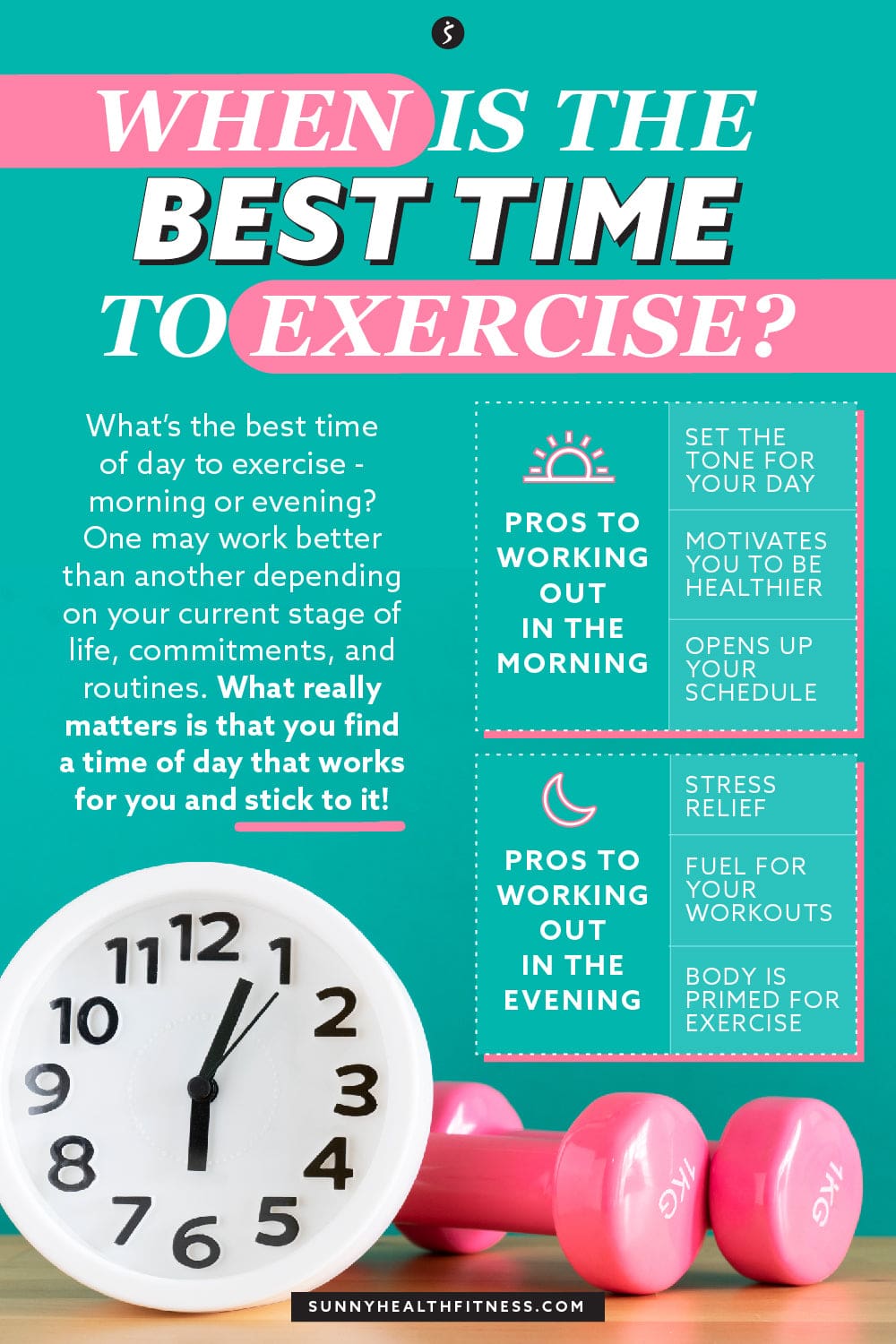
Are you looking to maximize your exercise results? If so, it’s crucial to consider the best time of day to engage in physical activity. The timing of your workouts can significantly impact your performance and the effectiveness of your training. From increased energy levels to improved sleep, this article explores the various benefits of exercising at different times of the day, helping you determine the optimum time to achieve your fitness goals.
Morning Workouts
Benefits of morning workouts
Starting your day with a morning workout can have numerous benefits. First and foremost, it helps to kickstart your metabolism, allowing your body to burn calories throughout the day. Morning workouts also help to increase your energy levels and improve focus and mental clarity for the rest of the day. Additionally, exercising in the morning can provide a sense of accomplishment and set a positive tone for the day ahead.
Optimal types of exercises for mornings
When it comes to morning workouts, it’s important to choose exercises that are energizing and invigorating. High-intensity interval training (HIIT), cardio exercises, and strength training are all great options for morning workouts. These types of exercises can get your heart pumping, release feel-good endorphins, and provide a surge of energy to power through the day.
Tips to maximize morning workouts
To get the most out of your morning workouts, it’s important to establish a routine and stick to it. Here are some tips to help you maximize your morning workout sessions:
- Plan ahead: Lay out your workout clothes and any equipment you’ll need the night before to make it easier to get started in the morning.
- Fuel properly: Eat a light, nutritious breakfast or have a small pre-workout snack to provide the necessary fuel for your workout.
- Hydrate: Drink water before, during, and after your workout to stay properly hydrated.
- Warm up: Prioritize a warm-up session to prepare your muscles and prevent injuries.
- Modify intensity: Adjust the intensity of your workout based on your energy levels and how well-rested you feel.
- Enjoy the fresh air: If possible, take your morning workout outside and enjoy the benefits of natural sunlight and fresh air.
Afternoon Workouts
Benefits of afternoon workouts
If you find it challenging to wake up early for morning workouts, afternoon workouts may be a better fit for you. Exercising in the afternoon can provide a natural energy boost during the midday slump, making it easier to power through the rest of your day. Additionally, research suggests that afternoon workouts can lead to increased strength and endurance compared to morning workouts.
Optimal types of exercises for afternoons
When it comes to afternoon workouts, it’s important to choose exercises that can help relieve stress and tension built up throughout the day. Activities such as yoga, Pilates, stretching, or low-impact exercises can be beneficial for afternoon workouts. These exercises promote relaxation, improve flexibility, and can help you unwind after a long day.
Tips to maximize afternoon workouts
To make the most of your afternoon workouts, consider the following tips:
- Time management: Plan your day in a way that allows for a consistent afternoon workout schedule. This may involve prioritizing tasks and setting boundaries to ensure you have dedicated time for exercise.
- Fuelling up: Have a light snack or small meal about an hour or two before your workout to provide your body with the necessary energy.
- Stay hydrated: Drink water throughout the day to stay hydrated and prepare your body for the workout.
- Warm-up and stretch: Prioritize a proper warm-up and stretching routine to prevent injuries and improve flexibility.
- Mental preparation: Use your afternoon workout as a time to clear your mind, release stress, and focus on your own well-being.
- Find an exercise buddy: Consider finding a workout partner to help keep you motivated and accountable for your afternoon workouts.
Evening Workouts
Benefits of evening workouts
While some people prefer to exercise in the morning to kickstart their day, others find that evening workouts fit better into their schedule. One of the benefits of evening workouts is that you have more time to allocate towards your exercise routine, as you don’t have the time constraint of getting ready for work. Additionally, evening workouts can serve as a great way to unwind and release any stress or tension built up throughout the day.
Optimal types of exercises for evenings
When choosing exercises for evening workouts, it’s important to focus on activities that can help you wind down and relax. Consider incorporating activities such as gentle yoga, stretching, or low-impact exercises into your evening routine. These exercises can promote muscle recovery and relaxation, preparing your body for a restful night’s sleep.
Tips to maximize evening workouts
To make the most of your evening workouts, consider the following tips:
- Timing is key: Allow for at least a couple of hours between your workout and bedtime to ensure your body has enough time to wind down.
- Gradual cooldown: Include a gradual cooldown period in your workout routine to help your body transition from exercise to rest.
- Create a soothing environment: Make your workout space relaxing by dimming the lights, playing calming music, or incorporating essential oils or candles.
- Unplug: Disconnect from electronic devices at least an hour before your workout to promote relaxation and reduce mental stimulation.
- Listen to your body: Pay attention to how your body feels during the evening workout and modify the intensity accordingly. Avoid vigorous exercises that may make it difficult to fall asleep later.
- Establish a bedtime routine: Follow your evening workout with a consistent bedtime routine that includes activities such as reading, gentle stretching, or meditation to signal to your body that it’s time to rest.
The Role of Circadian Rhythm
Understanding the circadian rhythm
The circadian rhythm is the body’s internal clock that regulates various physiological and behavioral processes, including sleep-wake cycles. It follows a 24-hour pattern and is influenced by external cues such as daylight and darkness. Understanding your circadian rhythm can help you choose the best time of day for your workouts.
How it affects exercise performance
Research suggests that our circadian rhythm can have an impact on exercise performance. The body’s temperature and hormone levels, which affect factors like strength, flexibility, and endurance, can vary throughout the day due to the circadian rhythm. By aligning your workouts with your body’s natural peaks in performance, you may be able to optimize your exercise sessions.
Aligning workouts with the circadian rhythm
To align your workouts with your circadian rhythm, consider the following guidelines:
- Morning workouts: If you feel more energized and focused in the morning, aim for workouts during your body’s natural peak in alertness and core temperature, which is typically late morning or midday.
- Afternoon workouts: If you experience a mid-afternoon energy slump, consider scheduling your workouts during this time to take advantage of the circadian rhythm’s natural rise in energy levels.
- Evening workouts: If you find that you have higher energy levels in the evening and have difficulty winding down, choose evening workouts that can help you release any pent-up energy and promote relaxation for a better night’s sleep.
- Listen to your body: Ultimately, the best time to exercise is when you feel most energized, focused, and motivated. Pay attention to your body’s natural cues and adjust your workout schedule accordingly.
Personal Factors to Consider
Individual energy levels
Every individual has unique energy levels throughout the day. Some people naturally have more energy in the morning, while others are more energetic in the afternoon or evening. It’s crucial to consider your personal energy levels and choose a workout time that aligns with them. By doing so, you can optimize your exercise performance and ensure you have a productive workout session.
Sleep patterns and quality
Sleep plays a vital role in exercise recovery and overall well-being. Consider your sleep patterns and the quality of your sleep when determining the best workout time for you. If you’re someone who struggles with sleep or has a sleep disorder, scheduling vigorous workouts too close to bedtime may interfere with your ability to fall asleep. On the other hand, for individuals who prioritize sleep and find it difficult to wake up early, afternoon or evening workouts may be a better fit.
Schedule and availability
Your schedule and availability also play a significant role in determining the optimal workout time. If you have a busy morning with work or family commitments, finding time for a morning workout might be challenging. Conversely, if your afternoons and evenings are usually packed with obligations, fitting in a workout during those times may not be feasible. Consider your daily schedule and choose a workout time that allows for consistency and adherence to your exercise routine.
The Case for Consistency
Importance of consistent exercise routine
Consistency is key when it comes to maintaining a successful exercise routine. Regular physical activity helps to build strength, improve cardiovascular health, and enhance overall fitness. By sticking to a consistent workout schedule, you can establish a habit and make exercise a natural part of your daily routine. Consistency also allows your body to adapt and progress over time, leading to better results.
Maintaining motivation and discipline
Having a consistent exercise routine can help you stay motivated and disciplined in your fitness journey. When you establish a set workout schedule, it becomes easier to overcome any initial resistance or excuses that may arise. Consistency also provides a sense of accountability, as you’re more likely to prioritize your workouts when they become a regular part of your day.
Creating a sustainable workout schedule
To create a sustainable workout schedule, consider the following tips:
- Start small: Begin with a realistic exercise goal and gradually increase the intensity and duration of your workouts as you build strength and endurance.
- Set a schedule: Establish specific days and times for your workouts and treat them as non-negotiable appointments with yourself.
- Find enjoyable activities: Choose exercises and activities that you genuinely enjoy to make your workouts more enjoyable and sustainable in the long run.
- Prioritize recovery: Allow for rest days and incorporate recovery periods into your exercise routine to prevent burnout and reduce the risk of injury.
- Stay flexible: While consistency is important, it’s also essential to be flexible and adaptable. On days when unexpected events arise, be prepared to modify your workout schedule without losing sight of your overall goals.
The Mental Aspect
Impact of exercise on mental well-being
Exercise not only has physical benefits but also plays a significant role in supporting mental well-being. Engaging in regular physical activity can improve mood, reduce symptoms of anxiety and depression, boost self-esteem, and enhance cognitive function. Considering the mental aspect of exercise can help you determine the best time of day to focus on your mental well-being.
Finding the best time for personal mental benefits
To find the best time for personal mental benefits, consider the following factors:
- Stress relief: If you experience high levels of stress during certain times of the day, schedule your workouts during those times to help alleviate stress and promote mental relaxation.
- Productivity boost: If exercise helps you feel more focused and productive, consider incorporating workouts at times when you typically experience a midday slump or lack of motivation.
- Emotional balance: If you find that exercise has a positive impact on your mood and emotional well-being, choose a workout time that allows you to reap those benefits when you need them the most.
Combining physical and mental goals
It’s important to note that physical and mental well-being are interconnected. By aligning your exercise routine with your personal mental goals, you can create a holistic approach to overall wellness. Whether it’s reducing stress, improving mood, or boosting cognitive function, finding the right workout time can help you achieve both physical and mental benefits.
Expert Opinions
Opinions from fitness professionals and researchers
Fitness professionals and researchers have varied opinions on the best time of day to exercise. Some experts believe that morning workouts are ideal for kickstarting the metabolism and setting a positive tone for the day. Others argue that afternoon or evening workouts allow the body to warm up and may lead to improved performance. Ultimately, the best time to exercise depends on individual preferences, energy levels, and goals.
Studies and findings about optimal exercise timing
Several studies have explored the impact of exercise timing on performance and fitness. One study published in the International Journal of Sports Medicine found that individuals tend to achieve their highest performance levels in the late afternoon or early evening. Another study conducted by researchers at the University of Chicago concluded that morning workouts may be more effective for weight loss due to increased fat oxidation. These findings highlight the importance of considering individual differences when determining the optimal exercise timing.
Debunking common misconceptions
There are common misconceptions about exercise timing that need to be addressed. One misconception is that fasted morning workouts always lead to better fat burning. While fasted workouts can increase fat oxidation, it’s important to fuel your body adequately before engaging in intense exercise to maintain optimal performance. Another misconception is that working out late at night can disrupt sleep. While vigorous exercise too close to bedtime may cause temporary difficulty falling asleep, moderate exercise in the evening can actually promote better sleep quality for some individuals.
Individual Preferences
Listening to your body and preferences
When it comes to choosing the best workout time, it’s essential to listen to your body and pay attention to your preferences. Everyone is unique, and what works for one person may not work for another. Consider factors such as energy levels, work schedule, and personal commitments to determine the best time for you to exercise.
Experimenting with different workout times
If you’re unsure about the best workout time for you, don’t hesitate to experiment. Try working out at different times of the day to gauge how your body responds. Take note of your energy levels, performance, and overall enjoyment during each workout. This trial and error process can help you discover the optimal exercise timing that aligns with your individual needs.
Customizing exercise routines
Customizing your exercise routine based on your preferred workout time can enhance both efficiency and enjoyment. For example, if you enjoy early morning workouts, choose exercises that energize and invigorate you. If you prefer evening workouts, focus on activities that promote relaxation and help you wind down. By customizing your exercise routine to your preferred workout time, you can create a more personalized and fulfilling fitness experience.
Summary and Recommendations
Key takeaways from research and expert opinions
When considering the best time of day to exercise, it’s important to take into account your personal goals, preferences, and individual factors. Here are the key takeaways from the research and expert opinions discussed:
- Morning workouts can kickstart your metabolism, increase energy levels, and set a positive tone for the day.
- Afternoon workouts can provide a natural boost during the midday slump and lead to increased strength and endurance.
- Evening workouts can help you unwind, release stress, and promote relaxation for a better night’s sleep.
- The circadian rhythm plays a role in exercise performance, and aligning workouts with your natural peaks in energy and alertness may optimize results.
- Personal factors such as energy levels, sleep patterns, and schedule availability should be considered when choosing the best workout time.
Suggested guidelines for choosing workout times
Based on the research and expert opinions, here are some suggested guidelines for choosing workout times:
- Morning workouts: Ideal for individuals who have high energy levels in the morning and value starting the day with a sense of accomplishment.
- Afternoon workouts: Suitable for those who experience a mid-afternoon energy slump and want to boost productivity and endurance.
- Evening workouts: Recommended for individuals who have more energy in the evening and prioritize physical and mental relaxation.
Considering personal factors and goals
Ultimately, the best time to exercise is the time that works best for you and aligns with your personal factors and goals. Experiment with different workout times, listen to your body, and customize your exercise routine accordingly. Finding the optimal workout time can help you maximize results, improve overall well-being, and create a sustainable fitness routine.