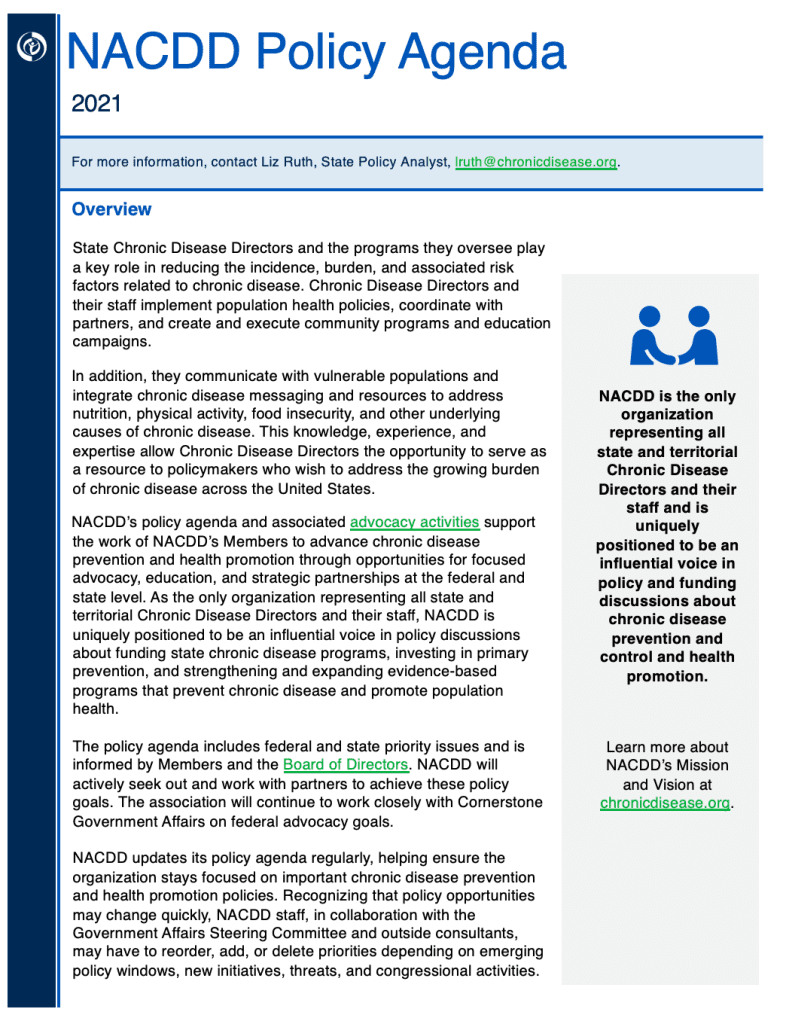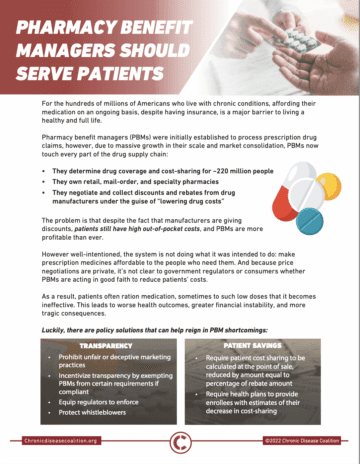
In the world of healthcare, the impact of policy on chronic disease management cannot be understated. It is crucial to understand how various healthcare policies affect the treatment and control of chronic diseases. From providing access to affordable medications and healthcare services, to promoting preventive measures and advancements in technology, healthcare policies play a vital role in improving the lives of individuals living with chronic conditions. This article will explore the ways in which healthcare policy influences chronic disease management, highlighting the significance of policy decisions in shaping the quality of care received by patients.
Access to Healthcare Services
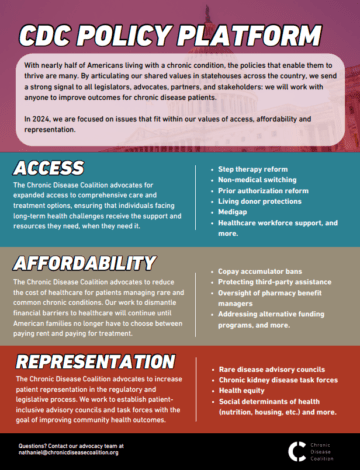
Access to healthcare services is a fundamental aspect of managing chronic diseases effectively. However, there are various barriers that individuals may face when trying to access the healthcare services they need. These barriers can include financial constraints, lack of healthcare coverage, geographic barriers, and cultural or language barriers.
In terms of financial constraints, many individuals may not have adequate insurance coverage or may be unable to afford out-of-pocket expenses associated with healthcare services. This can lead to delayed or suboptimal care, which can have detrimental effects on managing chronic diseases. Healthcare policy plays a crucial role in addressing these barriers by implementing programs such as Medicaid and the Affordable Care Act, which aim to improve access to healthcare services and provide financial support for those in need.
Geographic barriers can also pose challenges for individuals with chronic diseases. In rural areas, for example, there may be a shortage of healthcare providers or limited access to specialty care. Transportation can also be a significant obstacle, particularly for individuals with mobility limitations. Healthcare policy can address these issues by implementing telehealth programs and incentivizing healthcare providers to practice in underserved areas. Additionally, policies that improve transportation options can make accessing healthcare services easier for individuals living in remote or rural areas.
Cultural and language barriers can also hinder access to healthcare services. These barriers can lead to misunderstandings, miscommunication, and ultimately, suboptimal care. Healthcare policy can help mitigate these barriers by promoting culturally sensitive care and implementing language assistance services. By ensuring that healthcare providers are adequately trained in cultural competency and that language services are readily available, individuals with chronic diseases can receive the care they need in a way that is respectful of their cultural backgrounds and language preferences.
Healthcare Coverage and Chronic Disease Management
Healthcare coverage plays a pivotal role in chronic disease management. Without adequate insurance, individuals may struggle to afford necessary medications, treatments, and healthcare services. This can result in delayed or inadequate care, leading to poor health outcomes. Healthcare policy plays a critical role in ensuring that individuals have access to affordable and comprehensive healthcare coverage.
Through programs like Medicare and Medicaid, healthcare policy provides coverage for specific populations, such as the elderly, low-income individuals, and individuals with disabilities. These programs help alleviate the financial burden associated with managing chronic diseases. Moreover, the Affordable Care Act has expanded access to healthcare coverage for many individuals through the establishment of health insurance exchanges, the expansion of Medicaid, and the prohibition of denying coverage based on pre-existing conditions.
Additionally, healthcare policy can also influence chronic disease management by ensuring that health insurance plans cover essential services, such as preventive screenings, vaccinations, and chronic disease management programs. This not only improves access to necessary services but also promotes early detection and timely management of chronic diseases.
Impact of Healthcare Policy on Access to Healthcare Services
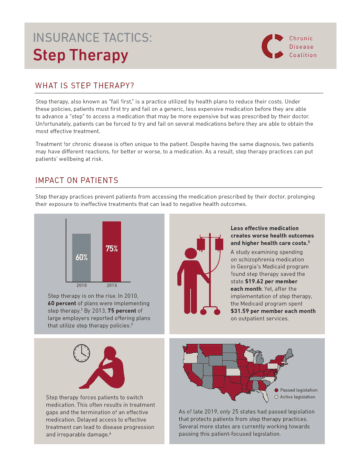
The impact of healthcare policy on access to healthcare services cannot be understated. Healthcare policy plays a pivotal role in shaping the healthcare landscape and determining how individuals access and receive care for chronic diseases. By implementing policies that promote affordability, availability, and equity in healthcare services, healthcare policy can significantly improve access to care for individuals with chronic diseases.
One such policy that has had a significant impact on access to healthcare services is the Affordable Care Act (ACA). Through the establishment of health insurance exchanges and the expansion of Medicaid, the ACA has provided millions of individuals with access to affordable health insurance coverage. This has allowed many individuals with chronic diseases to access the care they need without facing significant financial barriers. The ACA has also implemented protections, such as the prohibition of denying coverage based on pre-existing conditions, ensuring that individuals with chronic diseases can obtain health insurance coverage.
Furthermore, healthcare policy can impact access to healthcare services through the establishment of telehealth programs. Telehealth has become increasingly important in providing access to care, particularly for individuals living in remote or underserved areas. By leveraging technology, healthcare policy can enable individuals with chronic diseases to receive care from the comfort of their own homes, reducing the barriers posed by distance and travel.
In summary, healthcare policy has a profound impact on access to healthcare services for individuals with chronic diseases. By addressing financial, geographic, and cultural barriers, healthcare policy can ensure that individuals have the ability to receive timely and appropriate care, ultimately improving health outcomes for those with chronic diseases.