Are you looking for accessible and affordable mental health support? Look no further! In this article, we will explore the importance of advocating for a policy that ensures affordable mental health coverage for all. Mental health care should be accessible to everyone, and this article aims to shed light on the various benefits of a comprehensive mental health coverage policy. Whether you have personally experienced the challenges of finding affordable mental health care or simply believe in the importance of accessible mental health services for all, this article will provide valuable insights into the significance of advocating for affordable mental health coverage policy. Get ready to discover how we can work together to create a society that prioritizes mental well-being!
The Importance of Affordable Mental Health Coverage
Improving Access to Mental Health Services
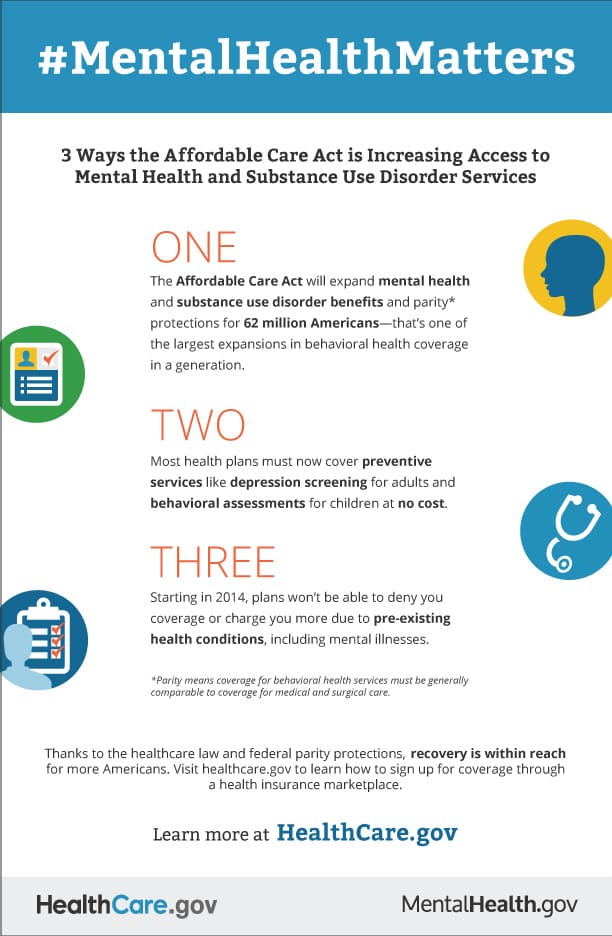
Affordable mental health coverage is crucial for improving access to mental health services. Many individuals struggle to receive the care they need due to various barriers, such as financial constraints and limited availability of providers. By advocating for affordable mental health coverage, we can work towards removing these barriers and ensuring that everyone has access to the mental health services they need.
Reducing the Financial Burden on Individuals
One of the major challenges faced by individuals seeking mental health care is the high cost associated with it. Without affordable coverage, the financial burden can be overwhelming, leading to individuals either delaying or forgoing necessary treatment. By advocating for affordable mental health coverage, we can alleviate this burden and make mental health care more accessible to all individuals, regardless of their financial situation.
Addressing the Mental Health Crisis
The mental health crisis is a pressing issue that affects individuals and communities across the globe. The demand for mental health services is increasing, but the availability and affordability of these services often fail to meet the growing needs. Advocating for affordable mental health coverage is essential in addressing the mental health crisis, as it ensures that individuals can access the care they need without financial strain. By addressing this crisis, we can foster healthier, happier communities and improve the overall well-being of society.
Current Challenges in Mental Health Coverage
Limited Insurance Coverage
One of the significant challenges in mental health coverage is the limited insurance coverage provided by many insurance plans. Unlike physical health conditions, mental health conditions are often subjected to stricter coverage limitations or are simply excluded from coverage altogether. This restriction prevents individuals from accessing the necessary treatments and therapies they require for their mental well-being.
High Out-of-Pocket Costs
Even with insurance coverage, high out-of-pocket costs can be a significant deterrent to individuals seeking mental health care. Many insurance plans require substantial copayments, deductibles, or coinsurance for mental health services, making it unaffordable for many individuals. This financial burden often acts as a barrier, preventing individuals from accessing the care they need and potentially exacerbating their mental health conditions.
Inadequate Provider Networks
Another challenge in mental health coverage is the inadequate provider networks. Many insurance plans have a limited number of mental health providers in their networks, which can result in long wait times for appointments or difficulty finding a provider who is accepting new patients. This lack of available providers can hinder individuals’ ability to receive timely and appropriate mental health care.
Advocacy for Affordable Mental Health Coverage
Raising Awareness
Raising awareness about the importance of affordable mental health coverage is a vital aspect of advocacy. By educating the public about the impact of mental health conditions and the barriers to accessing care, we can generate support and understanding for the need for affordable coverage. This includes disseminating information through various channels such as social media campaigns, community events, and educational workshops.
Collaborating with Stakeholders
Advocating for affordable mental health coverage requires collaboration with various stakeholders, including mental health organizations, insurance providers, policymakers, and community leaders. By working together, we can leverage the collective knowledge, resources, and influence of these stakeholders to effect meaningful change in mental health coverage policies. Collaborative efforts can involve engaging in discussions, sharing best practices, and identifying strategies to improve access to affordable mental health care.
Utilizing Data and Research
Advocacy for affordable mental health coverage can be strengthened by utilizing data and research. Statistics and studies can provide evidence of the societal and economic benefits of accessible mental health services. By highlighting the positive outcomes associated with affordable mental health coverage, we can make a compelling case for policy changes and increased support for mental health services.
Policy Recommendations for Affordable Mental Health Coverage
Expanding Medicaid Coverage
Expanding Medicaid coverage is a crucial policy recommendation for improving access to affordable mental health care. Medicaid plays a vital role in providing coverage for low-income individuals, including mental health services. Advocating for the expansion of Medicaid programs can ensure that more individuals have access to quality mental health care without facing financial burdens.
Increasing Insurance Regulations
Advocacy efforts should also focus on increasing insurance regulations to ensure that mental health coverage is on par with physical health coverage. This includes advocating for regulations that enforce equal treatment of mental health conditions in terms of coverage limitations, copayments, and network adequacy. By holding insurance companies accountable for providing comprehensive mental health coverage, we can help individuals access the care they need.
Implementing Parity Laws
Parity laws aim to eliminate disparities between mental health and physical health coverage by requiring insurance plans to provide equal coverage for mental health conditions. Advocating for the implementation and enforcement of parity laws is crucial for ensuring that individuals with mental health conditions are not subjected to discrimination or unfair treatment when seeking coverage. Parity laws can help create a level playing field and promote equal access to affordable mental health care.
Improving Workforce Supply and Distribution
Training and Incentivizing Mental Health Professionals
One of the key areas of advocacy for affordable mental health coverage is the improvement of workforce supply and distribution. This involves advocating for increased funding and resources for training mental health professionals, as well as offering incentives to attract and retain professionals in underserved areas. By addressing the shortage of mental health professionals, individuals can have improved access to timely and quality care.
Expanding Telehealth Services
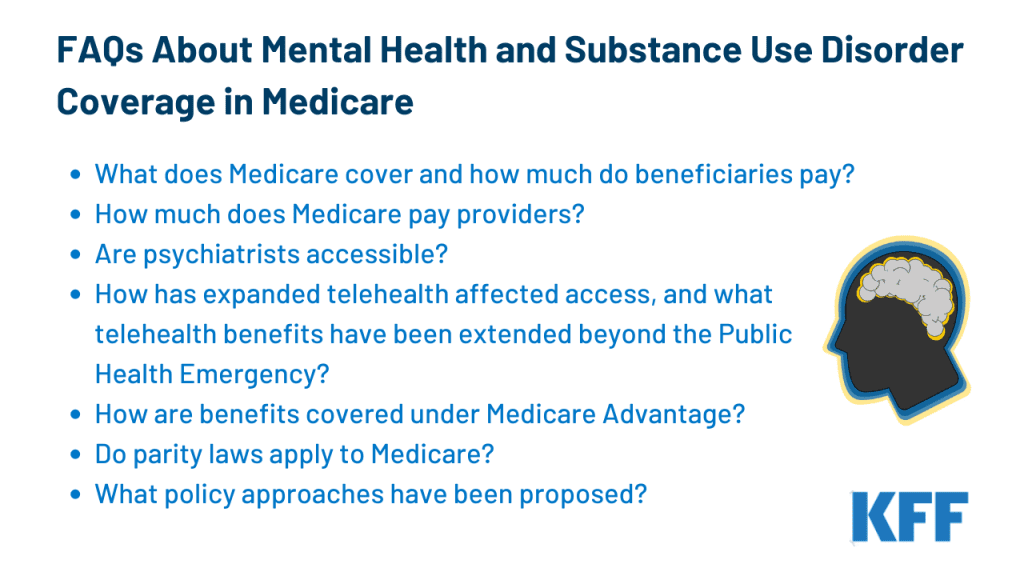
Telehealth services have emerged as a vital tool for enhancing access to mental health care, particularly in remote or underserved areas. Advocacy efforts should focus on expanding telehealth services, including advocating for insurance coverage for telehealth visits. By removing geographical barriers and making mental health services available remotely, individuals can receive the care they need conveniently and affordably.
Addressing Provider Shortages
Advocacy for affordable mental health coverage should also address the issue of provider shortages. This involves working with policymakers and stakeholders to develop strategies that incentivize providers to work in underserved areas, such as offering loan repayment programs or scholarships for mental health professionals who commit to practicing in these areas. By ensuring an adequate and well-distributed mental health workforce, individuals can access care without facing geographical barriers.
Promoting Early Intervention and Prevention
Investing in School-Based Mental Health Programs
Promoting early intervention and prevention is essential for addressing mental health conditions before they escalate. Advocacy efforts should focus on investing in school-based mental health programs that provide screenings, counseling services, and educational resources for students. By identifying and addressing mental health challenges early on, we can prevent more severe conditions from developing and improve overall mental well-being.
Screening and Assessment Initiatives
Screening and assessment initiatives play a crucial role in early detection and intervention for mental health conditions. Advocacy efforts should focus on promoting the implementation of comprehensive screening programs in healthcare settings, educational institutions, and community organizations. By advocating for widespread access to screenings and assessments, we can ensure that individuals can receive appropriate care and support as early as possible.
Community Education and Awareness
Advocacy for affordable mental health coverage should also emphasize community education and awareness. By raising awareness about mental health, reducing stigma, and promoting help-seeking behaviors, we can create a supportive environment for individuals struggling with mental health challenges. This includes advocating for mental health education programs in schools, community workshops, and media campaigns that aim to educate the public about mental health and available resources.
Addressing Insurance Disparities
Reducing Discrimination and Bias
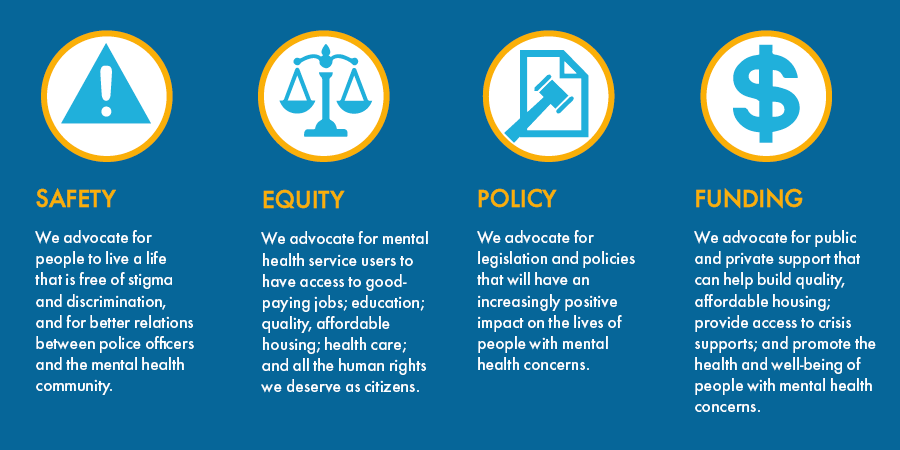
Advocacy efforts for affordable mental health coverage should address and reduce discrimination and bias in insurance coverage. This involves advocating for policies that prevent insurance companies from denying coverage or imposing higher premiums based on individuals’ mental health history. By advocating for fair and unbiased insurance practices, we can ensure that individuals with mental health conditions receive equal and affordable coverage.
Ensuring Cultural Competence
Another important aspect of addressing insurance disparities is ensuring cultural competence in mental health coverage. This involves advocating for policies that require insurance providers to offer culturally sensitive and appropriate mental health services to diverse populations. By ensuring cultural competence, individuals from different backgrounds can access care that respects their unique needs, beliefs, and values.
Advocating for Underserved Populations
Advocacy for affordable mental health coverage should prioritize underserved populations, including individuals from low-income backgrounds, minority communities, and rural areas. This involves advocating for policies that address the specific challenges faced by these populations, such as increasing funding for community mental health centers, expanding Medicaid eligibility, and implementing outreach programs. By advocating for the needs of underserved populations, we can work towards reducing mental health disparities and ensuring equitable access to affordable care.
Collaboration with Mental Health Advocacy Organizations
Joining Forces for a Common Goal
Collaboration with mental health advocacy organizations is crucial for amplifying the impact of advocacy efforts. By joining forces with like-minded organizations, we can work towards a common goal of affordable mental health coverage. Collaboration can involve sharing resources, coordinating advocacy events, and supporting each other’s initiatives. By uniting our efforts, we can create a stronger and more influential voice in advocating for change.
Combining Resources and Influence
Advocacy organizations often have unique resources and influence that can be combined to drive meaningful change. By collaborating, organizations can pool their resources, such as funding, networks, and expertise, to maximize their impact. This can include joint fundraising campaigns, collaborative research projects, and shared advocacy strategies. By leveraging our collective resources and influence, we can enact more significant and lasting change in mental health coverage policies.
Amplifying the Advocacy Efforts
Collaboration with mental health advocacy organizations provides a platform for amplifying advocacy efforts. By standing together, we can create a louder voice that demands attention and action from policymakers, insurance providers, and the public. Joint campaigns, media appearances, and public events can increase visibility and draw attention to the importance of affordable mental health coverage, ultimately pushing for change at a broader scale.
Legislative Strategies for Affordable Coverage
Engaging Lawmakers
Advocacy efforts for affordable mental health coverage should include engaging with lawmakers at local, state, and federal levels. By meeting with legislators, sharing personal stories and data, and providing expert input, we can help shape mental health coverage policies. This includes advocating for legislation that supports affordable coverage, sponsoring bills to improve mental health parity, and participating in public hearings and forums to provide insight on the needs of the community.
Policy Research and Analysis
To effectively advocate for legislative changes, conducting research and analysis is crucial. By collecting data, reviewing existing policies, and analyzing their impact, we can develop evidence-based recommendations for affordable mental health coverage policies. This research can help inform lawmakers about the potential benefits and implications of proposed legislation, increasing the likelihood of meaningful policy changes.
Participating in the Legislative Process
Actively participating in the legislative process is a vital strategy for advocating for affordable mental health coverage. This involves submitting testimony, writing letters to lawmakers, and mobilizing supporters to contact their representatives. By actively engaging in the legislative process, we can ensure that the voices of individuals impacted by mental health challenges and advocates for affordable coverage are heard and considered during policy discussions and decision-making.
Public Awareness and Stigma Reduction
Educational Campaigns
Advocacy efforts for affordable mental health coverage should incorporate educational campaigns to raise public awareness and reduce stigma. These campaigns can include disseminating accurate information, sharing personal stories, and debunking common myths surrounding mental health. By providing education, we can foster understanding and empathy, empowering individuals to recognize the importance of affordable mental health coverage and support policy changes.
Media Engagement
Engaging with the media is an effective way to amplify advocacy messages and reach a broader audience. By partnering with media outlets, sharing personal testimonials, and coordinating interviews, we can raise awareness of the challenges individuals face in accessing affordable mental health care. This media engagement can help shape public opinion and drive support for policy changes that prioritize mental health coverage.
Storytelling and Personal Testimonials
Storytelling and personal testimonials have a powerful impact in advocating for affordable mental health coverage. By sharing personal experiences, challenges, and successes, individuals can humanize the issue and create a deeper understanding of the need for affordable mental health care. Advocacy efforts should encourage individuals to share their stories publicly, whether through social media, public speaking engagements, or written testimonials. These personal narratives can inspire action and generate empathy, ultimately contributing to the achievement of affordable mental health coverage.
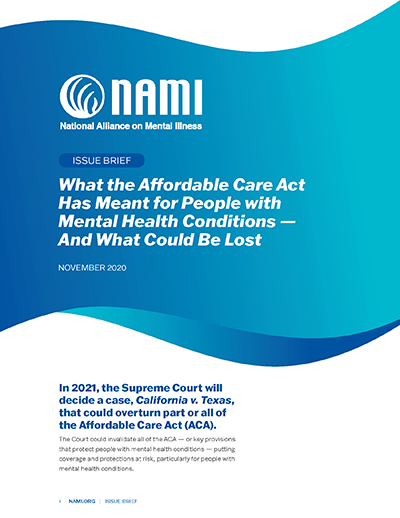
In conclusion, advocating for affordable mental health coverage is crucial for improving access to mental health services, reducing financial burdens, addressing the mental health crisis, and promoting overall well-being. By addressing current challenges, collaborating with stakeholders, recommending policy changes, and engaging in legislative strategies, we can work towards a future where mental health care is accessible and affordable for all. Through public awareness, stigma reduction, and collaboration with mental health advocacy organizations, we can amplify our advocacy efforts and effect meaningful change. Together, we can create a society that prioritizes mental health and ensures that no individual is left without the support they need.