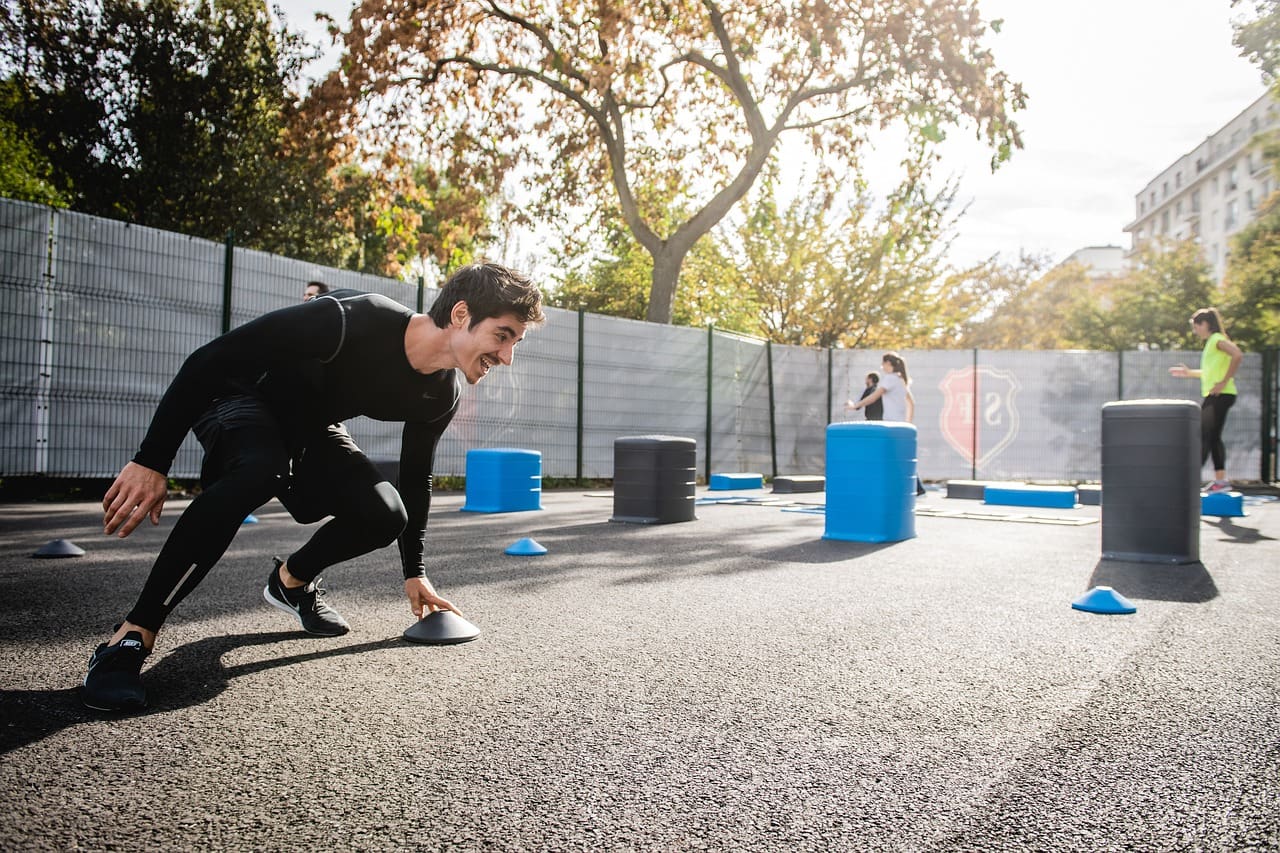
Welcome to the beginner’s guide to building a strong and functional workout routine! Creating a successful workout plan can seem overwhelming at first, but with the right steps and mindset, you can achieve your fitness goals. In this article, we will cover the essential elements of a workout routine, including setting goals, choosing the right exercises, creating a schedule, and staying motivated. By following these tips, you will be well on your way to a healthier and stronger you. Let’s get started on this exciting journey towards a fitter you! Have you ever felt overwhelmed by the idea of starting a workout routine? Maybe you’re not quite sure where to begin, what exercises to do, or how to structure your workouts for optimal results. Well, fear not! In this beginner’s guide, we’ll break down everything you need to know to build a strong and functional workout routine that fits your goals and lifestyle. Let’s get started!

Setting Your Fitness Goals
Setting clear and achievable fitness goals is the first step in creating a successful workout routine. Whether you’re looking to lose weight, build muscle, increase endurance, or simply improve your overall health, it’s important to have a specific goal to work towards. Take some time to think about what you want to achieve with your fitness routine and write it down. This will help keep you motivated and focused throughout your fitness journey.
Choosing the Right Types of Exercises
Once you’ve identified your fitness goals, it’s time to choose the right types of exercises to help you reach them. Different types of exercises target different muscle groups and have varying benefits. Here are some popular types of exercises to consider incorporating into your workout routine:
Cardiovascular Exercises
Cardiovascular exercises, also known as cardio, are great for improving your heart health, burning calories, and increasing endurance. Examples of cardiovascular exercises include running, cycling, swimming, and jumping rope. Aim to include at least 150 minutes of moderate-intensity cardio each week to see the benefits.
Strength Training
Strength training exercises focus on building muscle strength and endurance. These exercises can include weightlifting, bodyweight exercises, and resistance band workouts. Strength training is essential for increasing muscle mass, boosting metabolism, and improving overall strength.
Flexibility and Mobility Exercises
Flexibility and mobility exercises help improve your range of motion, reduce the risk of injury, and enhance overall flexibility. Activities such as yoga, Pilates, and stretching exercises can help improve flexibility and mobility, making it easier for you to perform daily activities and exercises with proper form.
Balance and Stability Exercises
Balance and stability exercises are essential for improving coordination, preventing falls, and enhancing overall stability. Activities like tai chi, stability ball exercises, and single-leg exercises can help you improve your balance and stability, which is crucial for everyday activities and injury prevention.
Designing Your Workout Schedule
Now that you’ve identified your fitness goals and chosen the right types of exercises, it’s time to design your workout schedule. Your workout schedule should be tailored to your goals, fitness level, and availability. Here are some tips for designing an effective workout schedule:
Frequency
The frequency of your workouts will depend on your fitness goals and availability. Aim to exercise at least 3-5 times per week to see significant results. Make sure to give your body enough rest days to recover and prevent overtraining.
Duration
The duration of your workouts will vary based on the types of exercises you’re doing and your fitness level. Aim for at least 30-60 minutes of exercise per session, including both cardio and strength training exercises. Listen to your body and adjust the duration as needed.
Intensity
The intensity of your workouts will determine how challenging they are and how many calories you burn. Incorporate both high-intensity and low-intensity workouts into your schedule to challenge your body and see progress. Make sure to listen to your body and pace yourself to avoid injury.
Variety
Adding variety to your workouts is key to preventing boredom and plateauing. Mix up your workouts by including different types of exercises, changing the order of your exercises, and trying new activities to keep things interesting and challenging.
Creating a Balanced Workout Routine
A balanced workout routine includes a mix of cardiovascular, strength training, flexibility, and mobility exercises to target different muscle groups and fitness components. Here’s a sample workout routine you can use as a template:
| Day | Workout |
|---|---|
| Monday | Upper Body Strength Training |
| Tuesday | Cardiovascular Exercise (Running) |
| Wednesday | Lower Body Strength Training |
| Thursday | Flexibility and Mobility Exercises |
| Friday | Cardiovascular Exercise (Cycling) |
| Saturday | Full-Body Strength Training |
| Sunday | Rest and Recovery |
Feel free to customize this sample workout routine to fit your goals, preferences, and schedule. Remember to include rest days for recovery and listen to your body to avoid overtraining.

Staying Motivated and Consistent
Staying motivated and consistent with your workout routine can be challenging, but with the right mindset and strategies, you can stay on track towards reaching your fitness goals. Here are some tips to help you stay motivated and consistent:
Set Realistic Expectations
Setting realistic expectations for your fitness journey is essential for long-term success. Remember that progress takes time and consistency, so be patient with yourself and celebrate small victories along the way.
Find a Workout Buddy
Working out with a friend or family member can help keep you accountable, motivated, and make exercise more fun. Consider finding a workout buddy to join you on your fitness journey and cheer each other on.
Reward Yourself
Rewarding yourself for reaching fitness milestones can help keep you motivated and engaged with your workout routine. Treat yourself to a new workout outfit, a healthy meal, or a relaxing massage after achieving a fitness goal.
Keep Track of Your Progress
Tracking your progress, such as changes in weight, measurements, and fitness levels, can help you stay motivated and see how far you’ve come. Consider keeping a workout journal, taking progress photos, or using fitness apps to track your progress.
Conclusion
Building a strong and functional workout routine as a beginner doesn’t have to be overwhelming. By setting clear fitness goals, choosing the right types of exercises, designing a workout schedule, creating a balanced workout routine, and staying motivated and consistent, you can set yourself up for success on your fitness journey. Remember that progress takes time, so be patient, stay focused, and enjoy the process. You’ve got this!