So, you’ve experienced those agonizing cramps that come with your monthly visitor, and you’re tired of relying on painkillers to get you through it. Well, look no further! This beginner’s guide to natural remedies for menstrual cramps is here to help you find relief in more natural and gentle ways. Say goodbye to those uncomfortable feelings and discover a whole new level of comfort during your period. From soothing herbal teas to mindful breathing exercises, we’ve got you covered with simple and effective remedies that are sure to make a difference. Let’s embark on this journey together and embrace a more holistic approach to managing menstrual cramps.
Understanding Menstrual Cramps
What are menstrual cramps?
Menstrual cramps are a common symptom experienced by many women during their menstrual cycle. Also known as dysmenorrhea, these cramps usually occur in the lower abdomen, but they can also radiate to the lower back and thighs. They are characterized by a dull or throbbing pain that can range from mild to severe. Menstrual cramps typically occur just before or during menstruation and can last for several days.
Causes of menstrual cramps
Menstrual cramps are primarily caused by the contractions of the uterus as it sheds its lining during menstruation. These contractions help expel the menstrual blood, but they can also cause pain and discomfort. Chemicals called prostaglandins play a vital role in triggering these contractions. Higher levels of prostaglandins are associated with more severe menstrual cramps. Other factors that may contribute to menstrual cramps include hormonal imbalances, uterine fibroids, endometriosis, and pelvic inflammatory disease.
Types of menstrual cramps
There are two main types of menstrual cramps: primary dysmenorrhea and secondary dysmenorrhea. Primary dysmenorrhea is the most common type and occurs without any underlying medical conditions. It typically starts during adolescence and improves with age or after giving birth. Secondary dysmenorrhea, on the other hand, is caused by a specific underlying condition such as endometriosis or fibroids. This type of menstrual cramps tends to be more severe and often requires medical attention.
Lifestyle Changes for Menstrual Cramp Relief
Maintaining a healthy diet
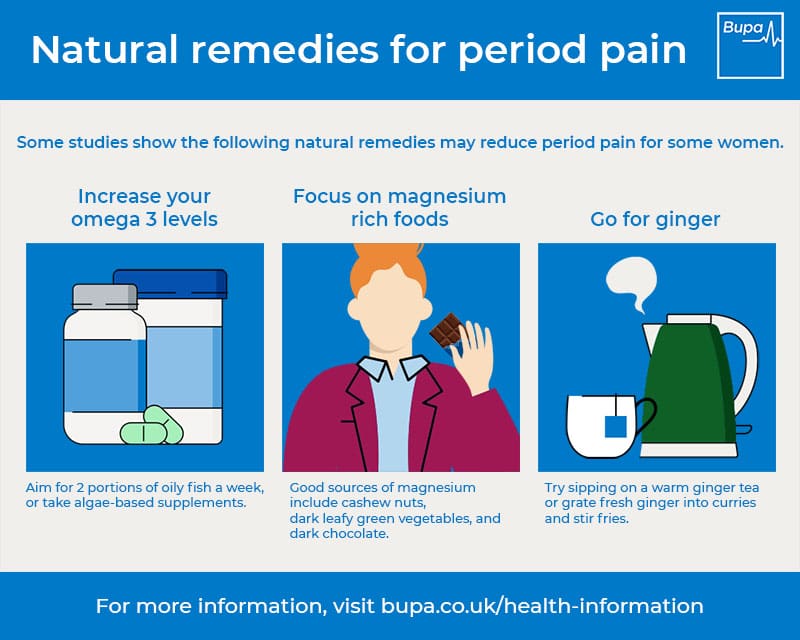
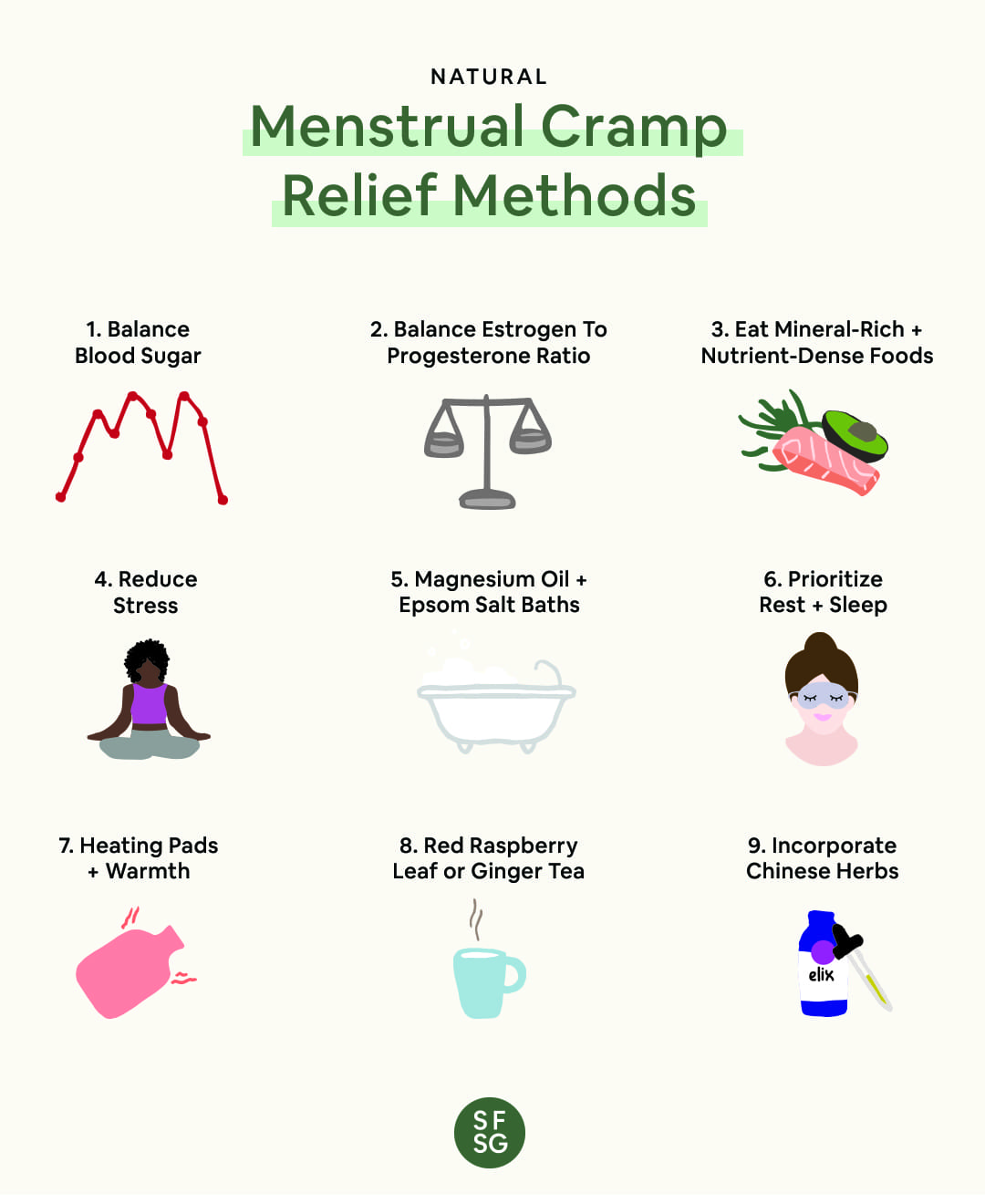
A balanced and nutritious diet can play a significant role in managing menstrual cramps. Eating foods rich in calcium, magnesium, and vitamin D, such as leafy green vegetables, dairy products, and fatty fish, can help reduce the severity of cramps. Avoiding processed foods, caffeine, alcohol, and excessive salt intake is also advisable, as they can exacerbate inflammation and increase discomfort during menstruation.
Regular exercise and physical activity
Engaging in regular exercise and physical activity throughout the menstrual cycle can help alleviate menstrual cramps. Exercise promotes the release of endorphins, which are natural painkillers that can help reduce the intensity of cramps. Additionally, physical activity improves blood circulation, relieves muscle tension, and reduces stress levels. Choose activities that you enjoy, such as walking, jogging, swimming, or yoga, and strive for at least 30 minutes of moderate exercise most days of the week.
Stress reduction and relaxation techniques
Stress has been known to worsen menstrual cramps, so it’s crucial to find effective ways to manage and reduce stress levels. Incorporating relaxation techniques into your daily routine can help alleviate cramps and promote general well-being. Deep breathing exercises, meditation, yoga, and taking time for self-care activities like reading or taking a bath can all contribute to stress reduction and help ease the discomfort of menstrual cramps.
Herbal Remedies for Menstrual Cramps
Chamomile tea
Chamomile tea has long been used as a natural remedy for various ailments, including menstrual cramps. It contains compounds that possess anti-inflammatory properties and can help relax the muscles of the uterus, reducing cramp severity. Drinking a cup of chamomile tea a few times a day during your menstrual cycle can provide relief from pain and promote relaxation.
Ginger
Ginger is another herbal remedy that has been used for centuries to alleviate menstrual cramps. It has anti-inflammatory and analgesic properties that can help reduce the intensity of cramps. Ginger can be consumed in various forms, such as in tea, added to meals, or taken as a supplement. Some women find relief by consuming ginger before the onset of menstruation or at the first signs of cramping.
Cinnamon
Cinnamon is a spice known for its warming properties and has been traditionally used to relieve menstrual cramps. It contains compounds that have anti-inflammatory effects and can help relax the muscles of the uterus. Adding cinnamon to your diet, either by sprinkling it on food or by brewing cinnamon tea, may help alleviate menstrual cramps and provide a comforting effect.
Essential Oils for Menstrual Cramp Relief
Lavender oil
Lavender oil is well-known for its calming and soothing properties. When applied topically or used in aromatherapy, it can help reduce muscle tension, ease pain, and promote relaxation. Massage a few drops of lavender oil onto your abdomen during menstruation or add it to a warm bath to experience its benefits for menstrual cramp relief.
Clary sage oil
Clary sage oil is commonly used as a natural remedy for menstrual cramps due to its antispasmodic properties. It can help relax the muscles of the uterus and alleviate pain associated with cramps. Dilute a few drops of clary sage oil with a carrier oil, such as coconut or almond oil, and gently massage it onto your lower abdomen for relief from menstrual cramps.
Peppermint oil
Peppermint oil is known for its cooling and analgesic properties. It can provide relief from menstrual cramps by reducing muscle contractions and alleviating pain. Dilute a few drops of peppermint oil with a carrier oil and massage it onto your abdomen. You can also add a few drops to warm water and inhale the steam, or sip on peppermint tea to experience its calming effects.
Heat Therapy for Menstrual Cramps
Hot water bottle
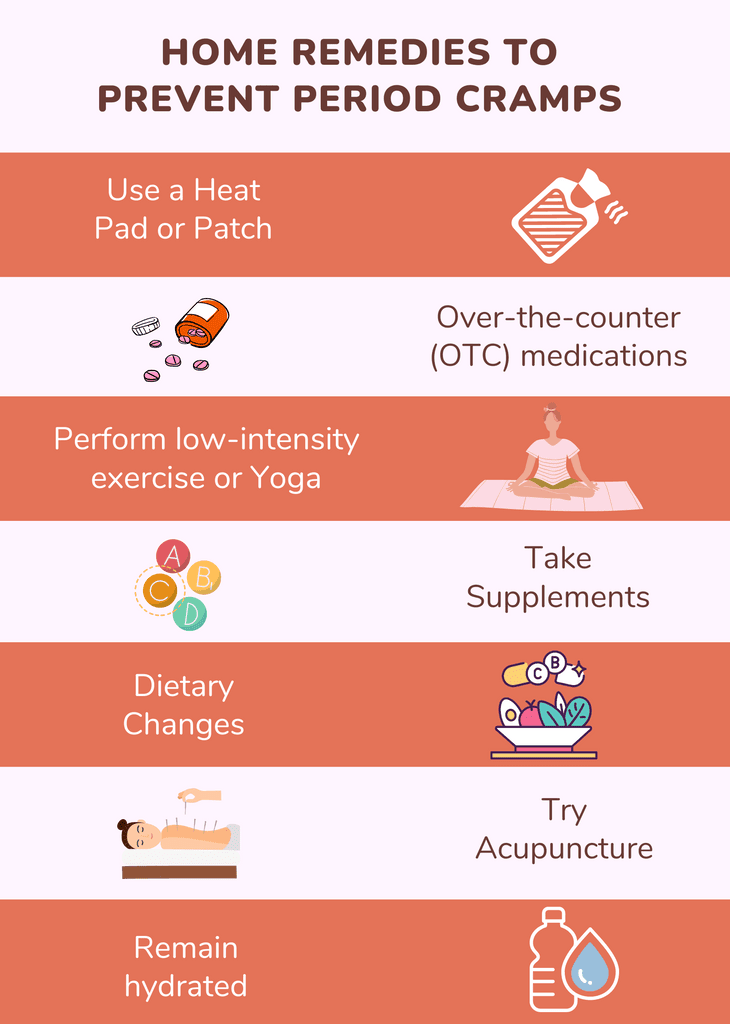
Applying heat to the lower abdomen can help relax the muscles and relieve menstrual cramps. A hot water bottle is a simple and effective heat therapy option. Fill a hot water bottle with warm (not boiling) water, wrap it in a towel, and place it on your abdomen for 15 to 20 minutes at a time. The warmth can provide instant relief and comfort.
Heating pad
Similar to a hot water bottle, a heating pad can provide targeted heat therapy for menstrual cramps. Some heating pads even have adjustable settings to allow for personalized temperature control. Place the heating pad on your lower abdomen or lower back, following the manufacturer’s instructions, and enjoy the soothing warmth it provides.
Warm bath
Taking a warm bath can be a relaxing and comforting remedy for menstrual cramps. The warm water helps increase blood flow, relaxes the muscles, and relieves pain. Add some Epsom salt or essential oils like lavender or chamomile to enhance the therapeutic effects of the bath. Soak in the warm water for 20 to 30 minutes and allow the tension and discomfort to melt away.
Acupuncture and Acupressure
How acupuncture works for menstrual cramps
Acupuncture is a traditional Chinese medicine practice that involves inserting thin needles into specific points on the body. It is believed to help restore the balance of energy or qi in the body, leading to various health benefits, including relief from menstrual cramps. Acupuncture may stimulate the release of endorphins, improve blood circulation, and reduce inflammation, all of which can help alleviate cramp symptoms.
Benefits of acupressure for menstrual cramps
Acupressure is a non-invasive alternative to acupuncture that involves applying pressure to specific points on the body with fingers, thumbs, or massage tools. Like acupuncture, acupressure is believed to stimulate the flow of energy and promote overall well-being. The application of pressure to specific acupressure points for menstrual cramp relief can help reduce pain, relax the muscles, and improve blood circulation.
Acupressure points for menstrual cramp relief
There are several acupressure points on the body that are believed to provide relief from menstrual cramps when stimulated. Some commonly used points for menstrual cramp relief include the Lower Abdomen Point, the Spleen 6 Point, and the Lower Back Point. Gently applying pressure to these points in a circular motion for a few minutes several times a day can help alleviate cramp symptoms.

Supplements for Menstrual Cramp Relief
Magnesium
Magnesium is an essential mineral that plays a role in muscle relaxation and the reduction of inflammation. Studies have shown that magnesium supplementation can significantly reduce the severity of menstrual cramps. You can obtain magnesium from dietary sources like green leafy vegetables, nuts, and seeds, or consider taking magnesium supplements under the guidance of a healthcare professional.
Vitamin D
Vitamin D deficiency has been linked to an increased risk of menstrual cramps. Adequate vitamin D levels are essential for overall health and may help reduce inflammation and pain associated with cramps. Spend time outdoors to absorb natural sunlight, consume foods rich in vitamin D such as fatty fish and fortified dairy products, or talk to your doctor about vitamin D supplementation if needed.
Omega-3 fatty acids
Omega-3 fatty acids are known for their anti-inflammatory properties and may help reduce pain and inflammation associated with menstrual cramps. Incorporating foods rich in omega-3 fatty acids, such as fatty fish, flaxseeds, chia seeds, and walnuts, into your diet can provide relief. Alternatively, omega-3 fatty acid supplements can be considered, but it’s important to consult with a healthcare professional before starting any new supplements.
Mind-Body Techniques for Menstrual Cramps
Yoga
Practicing yoga can provide numerous benefits for menstrual cramp relief. Specific yoga poses can help stretch and relax the pelvic muscles, improve blood circulation, and alleviate pain and discomfort. The Cobra pose, Child’s pose, and Reclining Bound Angle pose are just a few examples of yoga poses that can contribute to pain relief during menstruation. It is important to listen to your body, practice at your own pace, and avoid overexertion.
Meditation
Meditation is a powerful tool for stress reduction and relaxation, making it a beneficial practice for managing menstrual cramps. By focusing your attention and bringing awareness to your breath or a specific point of focus, meditation can help calm the mind and reduce pain perception. Set aside a few minutes each day to find a quiet space, sit comfortably, and let go of any tension or worries, allowing yourself to be present in the moment.
Breathing exercises
Deep breathing exercises can be a simple yet effective way to relieve menstrual cramps. By taking slow, deep breaths and focusing on expanding the abdomen with each inhalation, you can relax the muscles and increase oxygen flow to the pelvic area, providing relief from cramps. Practice deep breathing exercises whenever you feel discomfort or as part of your daily relaxation routine.
Homeopathy for Menstrual Cramp Relief
Pulsatilla
Pulsatilla is a homeopathic remedy often recommended for menstrual cramps accompanied by a changeable mood and a desire for comfort and consolation. It is particularly helpful when the pain shifts from side to side or when symptoms worsen with warmth. Homeopathic remedies are tailored to individual symptoms and should be selected based on a consultation with a qualified homeopath.
Sepia
Sepia is a commonly used homeopathic remedy for menstrual cramps. It is indicated when cramps are accompanied by a feeling of heaviness or pressure in the pelvis, as if everything will fall out. Sepia is also beneficial for individuals who experience low mood, irritability, and fatigue during their menstrual cycle. As with all homeopathic remedies, it is essential to consult a qualified homeopath for individualized guidance.
Caulophyllum
Caulophyllum is a homeopathic remedy that can be useful for women experiencing labor-like cramps during menstruation. These cramps are often accompanied by copious menstrual flow. Caulophyllum is particularly indicated for individuals who may have irregular menstrual cycles or who experience painful cramps before the onset of menstruation. As always, consult a homeopath to determine the most appropriate remedy and dosage.
When to Seek Medical Attention
Severe or worsening symptoms
While natural remedies can be helpful for many individuals, it is important to seek medical attention if you experience severe or worsening menstrual cramps. If over-the-counter pain relievers, home remedies, or lifestyle changes do not provide adequate relief, consult with a healthcare professional to evaluate your symptoms and explore other treatment options.
Unusual or prolonged bleeding
If you notice any unusual changes in your menstrual bleeding, such as heavy flow, clotting, spotting between periods, or irregular cycles, it is recommended to consult with a healthcare professional. These symptoms may indicate an underlying condition that requires further evaluation and treatment.
Other underlying health conditions
If you have been diagnosed with an underlying health condition such as endometriosis or fibroids, it is important to work closely with a healthcare professional to manage menstrual cramps. They can provide guidance on the most appropriate treatment options and help alleviate symptoms effectively.
Remember, each individual is unique, and what works for one person may not work for another. It may take some trial and error to find the most effective natural remedies for menstrual cramps. Pay attention to your body, listen to its needs, and consult with healthcare professionals as needed to find the best strategies for managing your menstrual cramps naturally.