
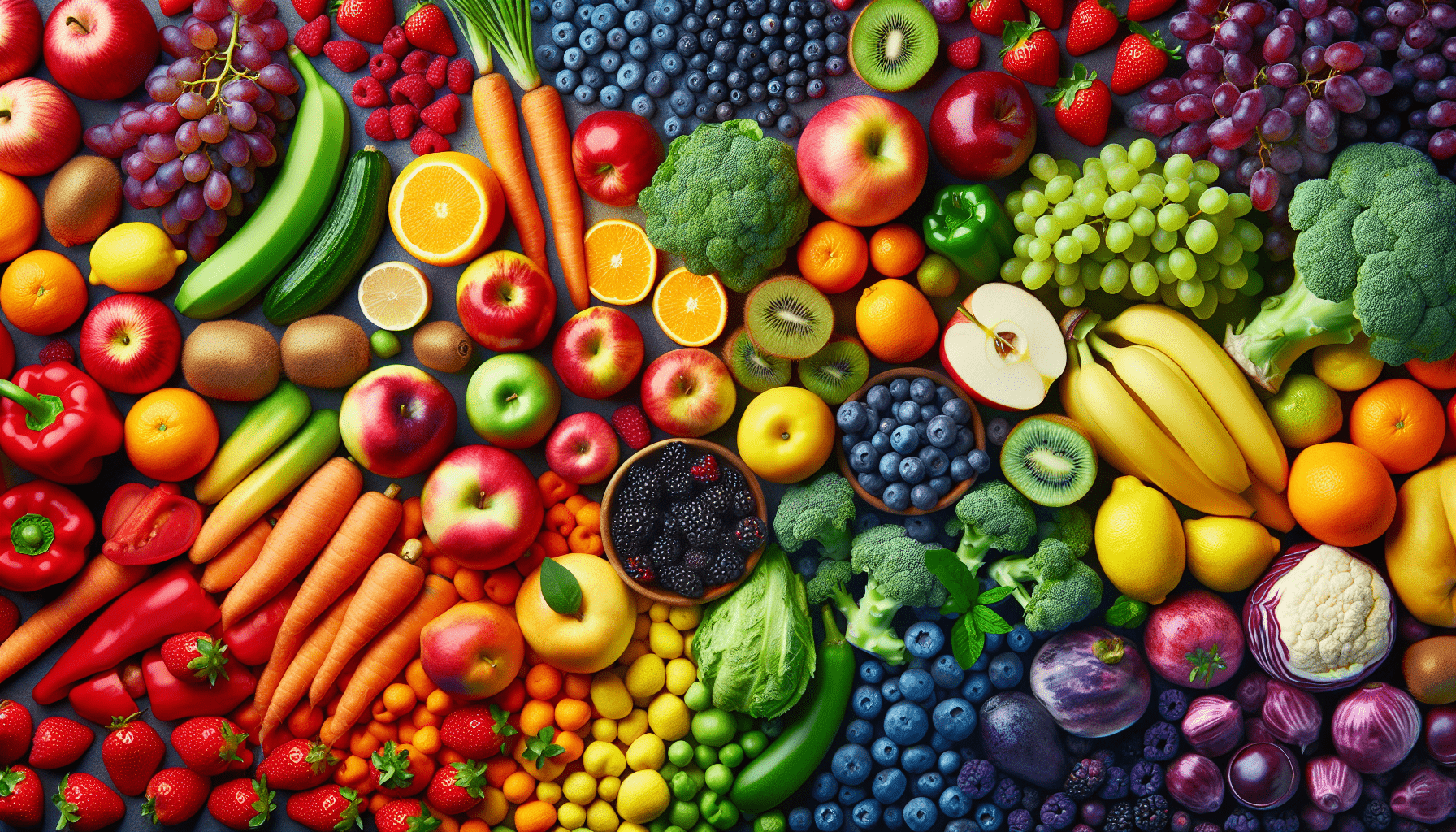
Have you ever wondered what types of foods can provide you with the best nutrition for a healthy lifestyle? Look no further! This “Beginner’s Guide to Nutrient-dense Foods for Optimal Nutrition” is here to help you on your journey towards a well-balanced diet. By focusing on nutrient-dense foods, not only will you be able to fuel your body with the essential vitamins and minerals it needs, but you will also find yourself enjoying a variety of delicious and satisfying meals. So, let’s explore the world of nutrient-dense foods together and discover the key to optimal nutrition.
What are Nutrient-dense Foods?
Definition of Nutrient-dense Foods
Nutrient-dense foods are foods that provide a high amount of essential nutrients, such as vitamins, minerals, and antioxidants, relative to their calorie content. These foods are packed with the goodness your body needs to thrive and stay healthy. Unlike empty-calorie options that offer little nutritional value, nutrient-dense foods are the building blocks of a balanced and nourishing diet.
Importance of Nutrient-dense Foods
Including nutrient-dense foods in your diet is crucial for optimal nutrition and overall well-being. These foods not only fuel your body but also provide the necessary vitamins, minerals, and other nutrients essential for various bodily functions. Nutrient-dense foods can support your immune system, enhance brain health, promote a healthy weight, reduce the risk of chronic diseases, and improve your energy levels. By incorporating nutrient-dense foods into your daily meals, you can ensure that your body receives the nourishment it needs to thrive.
Key Nutrients to Look for
Macronutrients
Macronutrients are nutrients that your body requires in large quantities to function properly. They include carbohydrates, proteins, and fats. Each macronutrient plays a vital role in your overall health.
Carbohydrates provide energy and fiber, which is essential for a healthy digestive system. They can be found in whole grains, fruits, and vegetables.
Proteins are the building blocks of your body, responsible for tissue repair and growth. Lean protein sources include chicken, fish, tofu, beans, and lentils.
Fats are essential for hormone production, vitamin absorption, and brain function. Healthy fats can be found in avocados, nuts, olive oil, and fatty fish.
Micronutrients
Micronutrients are essential vitamins and minerals that your body needs in smaller amounts but are still crucial for optimal health. They play a role in numerous bodily functions, including immune support, metabolism, and energy production.
Vitamins such as vitamin C, vitamin D, vitamin E, and the B vitamins are found in fruits, vegetables, dairy products, and whole grains.
Minerals like calcium, iron, potassium, and zinc can be obtained from dairy products, leafy green vegetables, legumes, and lean meats.
Fruits and Vegetables
Benefits of Fruits and Vegetables
Fruits and vegetables are nutritional powerhouses that provide a wide array of vitamins, minerals, and antioxidants. Including a variety of colorful fruits and vegetables in your diet can reduce the risk of chronic diseases, such as heart disease, obesity, and certain types of cancers. They are also low in calories and high in fiber, making them an excellent choice for weight management. Additionally, fruits and vegetables contain phytochemicals, which are natural compounds that have been shown to have various health benefits, including immune support and anti-inflammatory properties.
Best Choices for Nutrient Density
When choosing fruits and vegetables, it’s important to opt for nutrient-dense options. Some of the best choices include dark leafy greens like spinach and kale, which are rich in vitamins A, C, and K, as well as folate and calcium. Berries, such as strawberries and blueberries, are packed with antioxidants and fiber. Citrus fruits like oranges and grapefruits are abundant in vitamin C. Other nutrient-dense options include cruciferous vegetables like broccoli and Brussels sprouts, which are high in vitamin C and fiber, and sweet potatoes, which are a good source of beta-carotene and vitamin A.
Whole Grains
Understanding Whole Grains
Whole grains are grains that retain all three parts of the grain kernel: the bran, germ, and endosperm. This makes them a rich source of fiber, vitamins, minerals, and antioxidants. Unlike refined grains, which have had the bran and germ removed, whole grains provide more nutrients and have a lower glycemic index, meaning they have a less significant impact on blood sugar levels.
Choosing the Right Whole Grains
To incorporate more whole grains into your diet, look for options such as whole wheat bread, brown rice, quinoa, oats, barley, and buckwheat. These grains can be used in a variety of dishes, from salads and stir-fries to hearty soups and casseroles. By choosing whole grains over refined grains, you can boost your fiber intake, improve digestion, and support heart health.
Lean Protein Sources
Importance of Lean Protein
Protein is an essential macronutrient that plays a vital role in repairing and building tissues, as well as supporting muscle growth and maintaining overall health. Including lean protein sources in your diet is important to ensure you’re meeting your protein needs without excessive saturated fat and cholesterol intake.
Examples of Lean Protein Sources
Some examples of lean protein sources include skinless chicken breast, turkey, fish like salmon and tuna, tofu, tempeh, beans, lentils, and low-fat dairy products. Incorporating these foods into your diet can provide you with the necessary amino acids, vitamins, and minerals while keeping your saturated fat intake in check.
Healthy Fats
Role of Healthy Fats in Nutrition
Contrary to popular belief, not all fats are bad for you. In fact, healthy fats are an essential part of a balanced diet and offer numerous health benefits. Healthy fats play a critical role in brain function, hormone production, and nutrient absorption. They also provide energy and support overall cardiovascular health.
Sources of Healthy Fats
Sources of healthy fats include avocados, nuts, seeds, olive oil, fatty fish like salmon and trout, and natural nut butters. These fats are rich in monounsaturated and polyunsaturated fats, which have been linked to reducing inflammation, improving cholesterol levels, and supporting brain health. Incorporating moderate amounts of healthy fats into your meals can help you feel satisfied, nourished, and promote overall well-being.
Dairy and Dairy Alternatives
Nutritional Benefits of Dairy Products
Dairy products are an excellent source of essential nutrients, including calcium, vitamin D, protein, and B vitamins. These nutrients play a crucial role in bone health, proper muscle function, and overall vitality. Incorporating dairy products into your diet can improve bone density, support dental health, and provide a convenient source of protein.
Options for Dairy Alternatives
If you are lactose intolerant or follow a plant-based diet, there are several dairy alternatives available that can provide similar nutritional benefits to traditional dairy products. Some options include almond milk, soy milk, rice milk, and oat milk. These alternatives are fortified with essential nutrients like calcium and vitamin D to ensure you’re getting the same benefits as dairy. However, it’s important to choose unsweetened varieties to avoid excessive sugar intake.
Nuts and Seeds
Health Benefits of Nuts and Seeds
Nuts and seeds are little powerhouses of nutrition, packed with healthy fats, fiber, vitamins, minerals, and antioxidants. Including a variety of nuts and seeds in your diet can provide numerous health benefits, including reducing the risk of heart disease, supporting brain health, and promoting healthy skin.
Varieties of Nuts and Seeds
Some popular varieties of nuts and seeds include almonds, walnuts, cashews, chia seeds, flaxseeds, and pumpkin seeds. These can be enjoyed as a snack, sprinkled over salads or yogurt, or used in baking and cooking. However, it’s important to consume them in moderation due to their high calorie content. A handful of nuts or a tablespoon of seeds is typically a good serving size to reap the nutritional benefits without excessive calorie intake.
Legumes and Beans
Nutritional Value of Legumes and Beans
Legumes and beans, including kidney beans, chickpeas, lentils, and black beans, are excellent sources of plant-based protein, fiber, vitamins, minerals, and antioxidants. They are also low in fat and cholesterol-free, making them a heart-healthy food choice. Incorporating legumes and beans into your diet can support digestive health, regulate blood sugar levels, and protect against certain diseases.
Incorporating Legumes and Beans into Your Diet
To incorporate more legumes and beans into your meals, you can add them to soups, stews, salads, and wraps. They can also be made into spreads like hummus or used as a meat substitute in recipes like veggie burgers and tacos. Experimenting with different legume and bean varieties can add variety and nutritional value to your meals while reducing reliance on animal protein sources.
Superfoods and their Benefits
Introduction to Superfoods
Superfoods are nutrient-dense foods that provide exceptional health benefits due to their high content of vitamins, minerals, and antioxidants. They can boost your immune system, protect against chronic diseases, and support overall well-being. Including superfoods in your diet can help you meet your nutritional needs while adding a delicious and vibrant touch to your meals.
Popular Superfoods and their Nutritional Benefits
Some popular superfoods and their nutritional benefits include:
- Blueberries: Packed with antioxidants, blueberries can boost brain health, reduce inflammation, and support heart health.
- Spinach: A nutrient powerhouse, spinach is rich in iron, vitamins A and C, and antioxidants, contributing to healthy bones, skin, and immune function.
- Chia Seeds: These tiny seeds are high in omega-3 fatty acids, fiber, and protein, promoting heart health and aiding digestion.
- Quinoa: A complete protein source, quinoa also provides fiber, magnesium, and B vitamins, supporting muscle function and energy production.
- Salmon: Rich in omega-3 fatty acids, salmon can reduce inflammation, promote cardiovascular health, and support brain function.
Incorporating these and other superfoods into your diet can elevate your nutrient intake and contribute to optimal nutrition and well-being.
By understanding the importance of nutrient-dense foods and incorporating them into your diet, you can provide your body with the nourishment it needs to thrive. Remember to choose a variety of fruits, vegetables, whole grains, lean proteins, healthy fats, dairy or alternatives, nuts, seeds, legumes, and superfoods to ensure you’re getting a wide range of essential nutrients. With a nutrient-dense diet, you can truly enjoy the benefits of optimal nutrition and improve your overall health and well-being.