In this captivating article, you will be introduced to the fascinating world of preventive health and wellness technology. Discover how this innovative technology has been revolutionizing the way we prioritize our well-being and take control of our health. Delve into the various advancements in health monitoring devices, personalized wellness apps, and wearable gadgets that empower individuals to make informed decisions about their lifestyle choices. Whether you are a newcomer to the world of preventive health or simply curious about the latest technological breakthroughs, this beginner’s guide will provide you with invaluable insights and practical tips to embark on your journey towards a healthier and happier life. So, sit back, relax, and let’s explore the vast opportunities that lie ahead in the realm of preventive health and wellness technology. Let’s get started!
Understanding Preventive Health and Wellness Technology
What is preventive health and wellness technology?
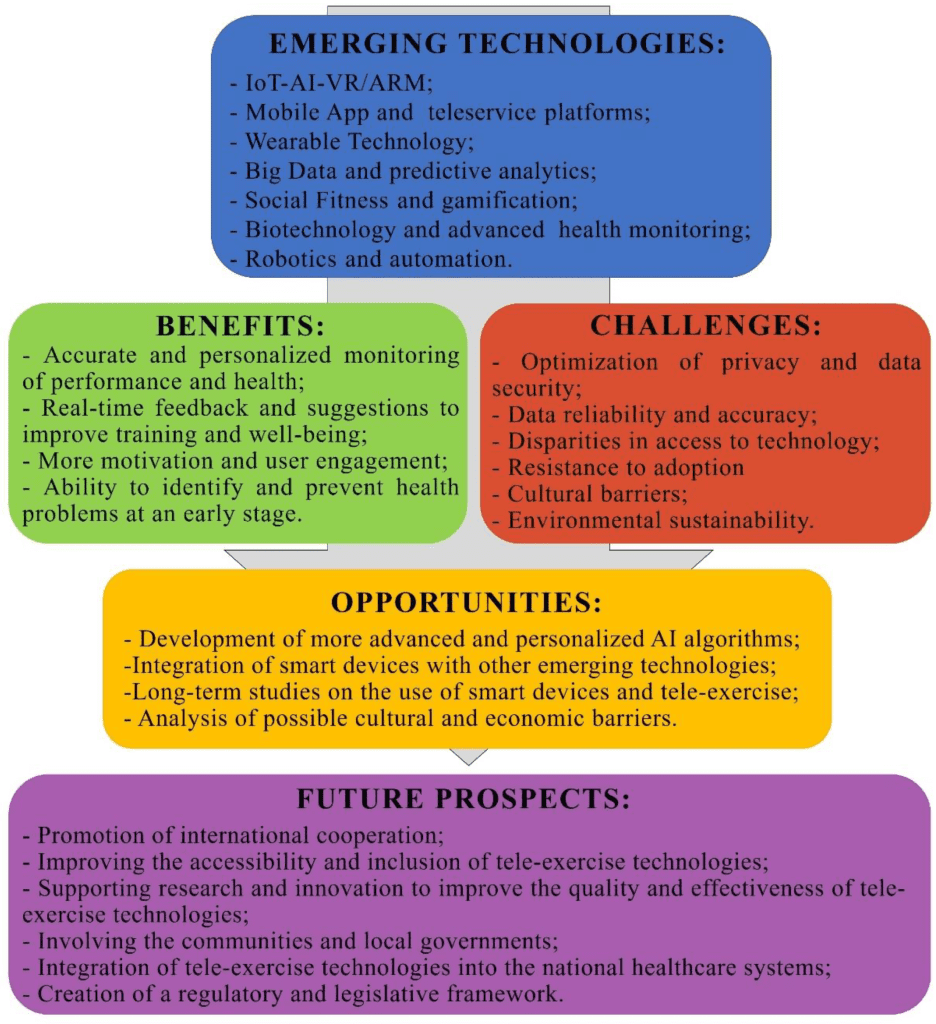
Preventive health and wellness technology refers to the use of various technological tools and devices to monitor, track, and improve one’s overall health and well-being. These technologies are designed to detect potential health issues before they become severe and empower individuals to take proactive steps in maintaining their health.
Why is preventive health important?
Preventive health plays a crucial role in ensuring a healthier and more fulfilling life. By focusing on preventing diseases and promoting well-being, individuals can avoid potential health complications and lead a more active and productive lifestyle. Preventive health measures include regular check-ups, screenings, vaccinations, and adopting healthy behaviors.
How does technology contribute to preventive health and wellness?
Technology has revolutionized the way we approach preventive health and wellness. It provides us with tools and resources to monitor and manage our health effectively. From fitness tracking devices to health monitoring apps, technology enables individuals to track their progress, gain insights into their health, and make informed decisions about their well-being.
The different types of preventive health and wellness technology
Preventive health and wellness technology encompass a broad range of devices and applications. Some of the major categories include fitness tracking devices, smartwatches with health monitoring capabilities, nutrition and diet apps, telemedicine and remote health monitoring solutions, mental health and meditation apps, sleep tracking and improvement devices, personalized health and wellness programs, health and wellness apps for women, and wearable devices designed specifically for seniors.
Fitness Tracking Devices
Introduction to fitness tracking devices
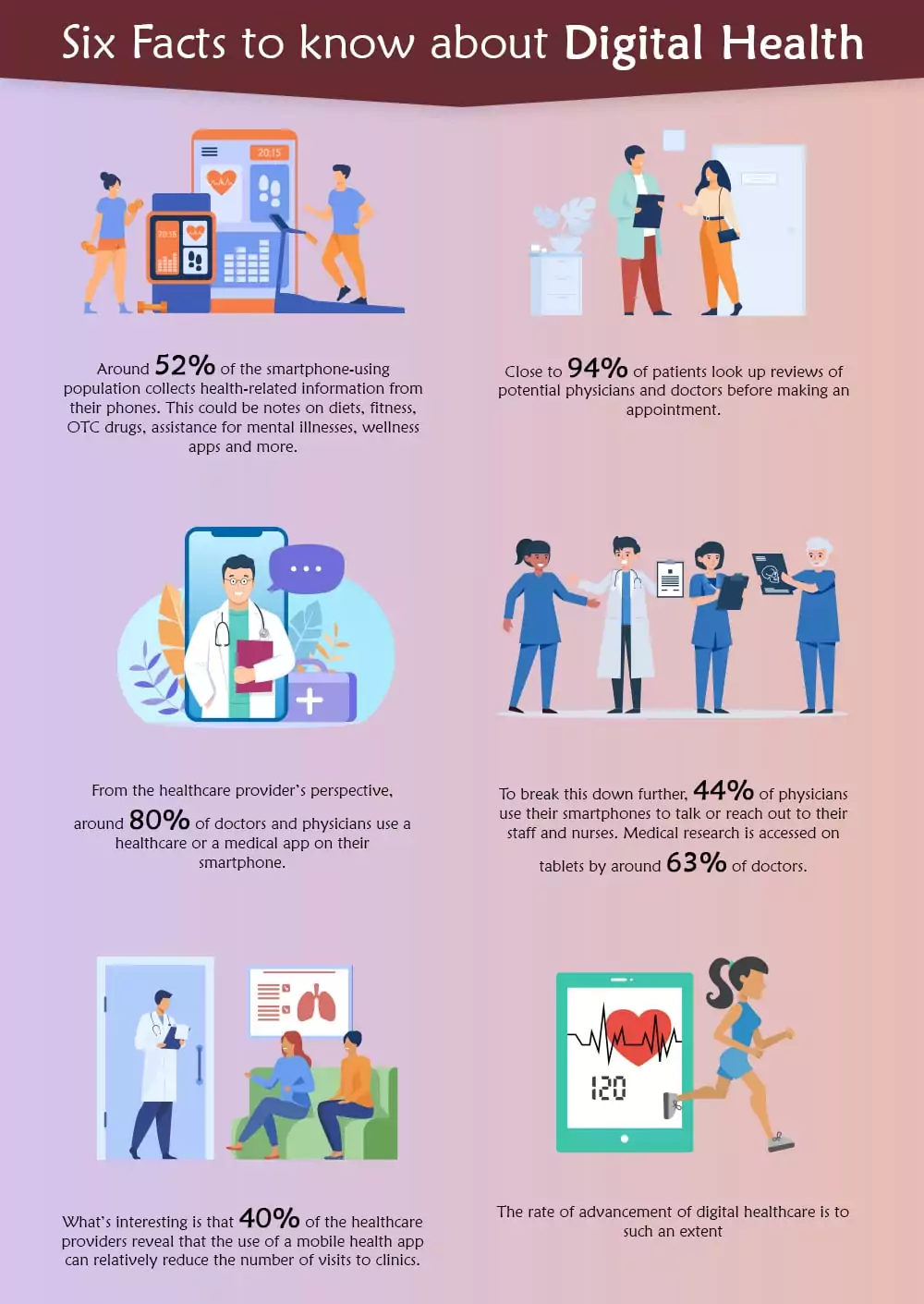
Fitness tracking devices are wearable devices that monitor and track various aspects of physical activity to help individuals maintain a healthy lifestyle. These devices typically come in the form of wristbands or smartwatches and have sensors that collect data such as steps taken, heart rate, calories burned, and sleep quality.
Functions and features of fitness trackers
Fitness trackers offer a wide range of functions and features to aid in monitoring and improving fitness levels. These include step tracking, distance covered, heart rate monitoring, sleep tracking, calorie counting, GPS tracking for outdoor activities, and even reminders to move or exercise.
Popular fitness tracking devices
There are numerous fitness tracking devices available on the market catering to different needs and preferences. Some of the popular options include Fitbit, Garmin, Apple Watch, Samsung Galaxy Watch, and Xiaomi Mi Band. Each device comes with its unique features and compatibility with different mobile apps and platforms.
Choosing the right fitness tracker for your needs
When selecting a fitness tracker, it is important to consider your specific needs and goals. Factors such as data accuracy, battery life, water resistance, compatibility with your smartphone, and user-friendly interface should be taken into account. Reading reviews and comparing features can help you make an informed decision.
Smartwatches and Health Monitoring
Overview of smartwatches
Smartwatches are wearable devices that go beyond traditional timekeeping. They offer a multitude of features, including health monitoring capabilities, smartphone notifications, music playback, and more. Smartwatches often have a touch-screen display and can be customized with different watch faces and bands.
Health monitoring capabilities of smartwatches
Smartwatches have advanced health monitoring features that can track metrics such as heart rate, blood pressure, ECG, oxygen saturation, and even sleep patterns. These devices use built-in sensors and algorithms to provide real-time data and insights into an individual’s health.
Integration with mobile apps and platforms
Smartwatches integrate seamlessly with mobile apps and platforms, allowing users to sync and analyze their health data on their smartphones or computers. These apps provide detailed reports, trends, and personalized recommendations based on the collected data, empowering users to make informed decisions about their health.
Benefits of using smartwatches for preventive health
Using smartwatches for preventive health offers several benefits. With continuous monitoring of vital signs, individuals can detect any anomalies and take timely action. Smartwatches also provide motivation and reminders for physical activity, assist in stress reduction through guided breathing exercises, and enable individuals to stay connected and informed throughout the day.
Nutrition and Diet Apps
Introduction to nutrition and diet apps
Nutrition and diet apps are mobile applications that help individuals manage and improve their dietary habits. These apps provide resources, tracking tools, and personalized recommendations to support individuals in making healthier food choices and achieving their nutrition goals.
Features and functionalities of nutrition apps
Nutrition apps offer features like food tracking, calorie counting, barcode scanning, recipe recommendations, meal planning, and nutritional analysis. Some apps also provide access to a database of food items with detailed nutritional information to help individuals make informed decisions about their diet.
Popular nutrition and diet apps
There are several popular nutrition and diet apps available, catering to different dietary preferences and goals. Some of the well-known apps include MyFitnessPal, Lose It!, Fooducate, MyPlate, and Lifesum. These apps offer user-friendly interfaces, extensive databases, and community support to help individuals achieve their desired nutritional outcomes.
How nutrition apps aid in preventive health
Nutrition apps play a significant role in preventive health by promoting healthy eating habits and facilitating weight management. They enable individuals to track their calorie intake, monitor macronutrient distribution, and identify potential nutritional deficiencies. By fostering awareness and providing guidance, these apps empower individuals to make positive dietary changes and prevent the onset of chronic conditions.
Telemedicine and Remote Health Monitoring
What is telemedicine and remote health monitoring?
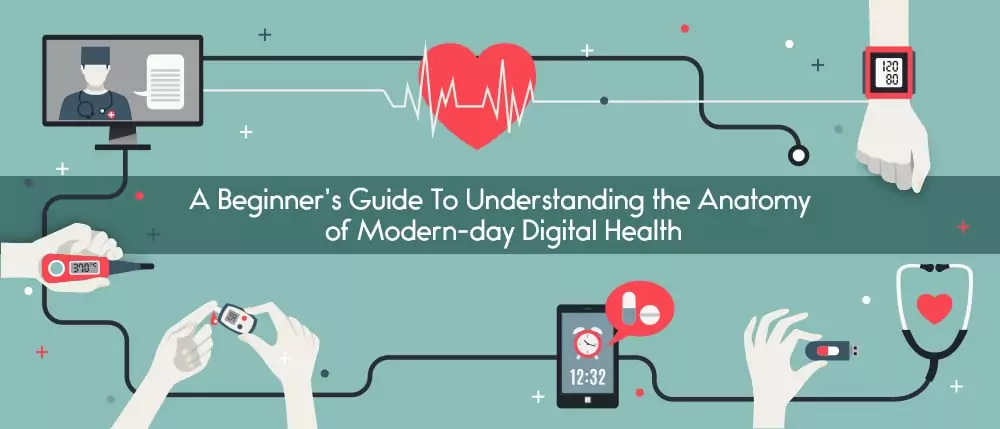
Telemedicine refers to the use of technology to provide medical services remotely. It involves video consultations, digital health records, and remote monitoring of patients’ health conditions. Remote health monitoring utilizes devices to collect and transmit data from patients’ homes to healthcare providers, allowing for timely intervention and continuous care.
Advantages of telemedicine and remote health monitoring
Telemedicine and remote health monitoring offer numerous advantages, especially in preventive care. They eliminate geographical barriers, provide access to specialists, reduce waiting times, lower healthcare costs, and enable early detection of potential health issues. These technologies also foster patient engagement and enable individuals to actively participate in their own healthcare.
Technologies used in telemedicine
Telemedicine relies on various technologies to deliver remote medical services effectively. These include video conferencing software, secure communication platforms, electronic health records (EHRs), wearable devices, and remote monitoring tools. These technologies ensure seamless communication, secure data sharing, and accurate assessment of patients’ conditions.
Examples of telemedicine and remote health monitoring solutions
There are several telemedicine and remote health monitoring solutions available today that cater to different medical specialties and needs. Examples include remote patient monitoring devices for chronic conditions like diabetes or hypertension, telepsychiatry platforms for mental health consultations, and remote vital sign monitoring solutions for continuous assessment of patients’ health.
Mental Health and Meditation Apps
The role of technology in mental health and wellness
Technology has transformed the mental health landscape by offering accessible and convenient resources for managing and improving mental well-being. Mental health apps provide tools and techniques for relaxation, stress reduction, mindfulness, and meditation, helping individuals cope with everyday challenges and maintain emotional balance.
Introduction to mental health and meditation apps
Mental health and meditation apps offer a wide range of features, including guided meditation sessions, breathing exercises, mood trackers, sleep aids, and cognitive behavioral therapy (CBT) techniques. These apps aim to reduce stress, anxiety, and depression while enhancing overall mental wellness.
Features and benefits of mental health apps
Mental health apps provide a variety of features and benefits for users. Guided meditation sessions help individuals develop mindfulness skills and manage stress. Breathing exercises offer immediate relaxation and anxiety relief. Mood tracking allows users to identify patterns and triggers. Sleep aids aid in achieving restful sleep, and CBT techniques provide tools for cognitive restructuring and emotion regulation.
Popular meditation apps for beginners
There are several popular meditation apps that cater specifically to beginners. Headspace, Calm, Insight Timer, and Breethe are widely acclaimed for their user-friendly interfaces, beginner-friendly content, and comprehensive meditation programs. These apps offer step-by-step guidance, daily reminders, and a variety of meditation techniques to help individuals start their meditation practice.
Sleep Tracking and Improvement Devices
Understanding the importance of sleep
Quality sleep is essential for overall well-being, and lack of sleep can greatly impact physical and mental health. Sleep tracking and improvement devices help individuals monitor their sleep patterns, identify sleep disturbances, and take necessary steps to improve their sleep quality.
Functions and features of sleep tracking devices
Sleep tracking devices typically come in the form of wearables or mattress sensors that track sleep duration, sleep stages (light, deep, REM sleep), heart rate, respiratory rate, and movements during sleep. Some devices offer additional features like smart alarms that wake individuals up during their lightest sleep phase.
How sleep tracking devices can help improve sleep
Sleep tracking devices provide users with valuable insights into their sleep patterns, helping them identify factors that may be affecting their sleep quality. Armed with this information, individuals can make lifestyle changes, establish better sleep routines, improve sleep hygiene, and seek necessary medical interventions to address sleep disorders.
Top sleep tracking devices on the market
Several sleep tracking devices have gained popularity for their accuracy and effectiveness. These include wearable devices like Fitbit, Garmin, and Oura Ring, as well as mattress sensors like Eight Sleep and Withings Sleep. Each device offers different features and focuses on various aspects of sleep tracking and improvement.
Personalized Health and Wellness Programs
What are personalized health and wellness programs?
Personalized health and wellness programs leverage technology to create customized plans and recommendations based on an individual’s unique attributes, goals, and health data. These programs provide tailored resources, coaching, and tracking tools to help individuals achieve their specific health objectives effectively.
How technology enables personalized health programs
Technology plays a vital role in enabling personalized health programs by collecting and analyzing vast amounts of individual health data. With the help of artificial intelligence and machine learning algorithms, technology can identify patterns, generate personalized recommendations, and track progress, ensuring that individuals receive the most relevant and effective interventions.
Benefits of personalized health and wellness programs
Personalized health and wellness programs offer numerous benefits compared to generic approaches. By recognizing individual needs, preferences, and circumstances, these programs are more likely to succeed in achieving desired health outcomes. They provide tailored guidance, support accountability, promote self-awareness, and empower individuals to actively participate in their own well-being.
Examples of personalized health and wellness platforms
Several personalized health and wellness platforms are available to individuals seeking customized support. Examples include Noom, Omada Health, MyFitnessPal’s Premium feature, and Fitbit Premium. These platforms combine advanced algorithms, expert guidance, and data-driven insights to create personalized plans and ensure optimal health outcomes for users.
Health and Wellness Apps for Women
Specific health and wellness needs for women
Women have unique health and wellness needs, ranging from reproductive health to hormonal changes and menopause. Health and wellness apps designed for women address these specific needs by offering features like menstrual cycle tracking, fertility awareness, pregnancy support, breastfeeding assistance, and menopause management.
Popular health and wellness apps for women
There are several widely used health and wellness apps catering specifically to women’s needs. Flo, Clue, Ovia, Glow, and BabyCenter are among the popular choices. These apps provide accurate period tracking, ovulation predictions, symptom monitoring, pregnancy guides, breastfeeding timers, and valuable insights into women’s reproductive health.
Features and functionalities of women’s health apps
Women’s health apps offer features such as menstrual cycle tracking, fertility window identification, basal body temperature recording, symptom logging, personalized insights, pregnancy support, and access to a community of women for information and support. These apps put women in control of their reproductive health and provide comprehensive resources for making informed decisions.
How women’s health apps support preventive care
Women’s health apps play a crucial role in preventive care by enabling women to track their menstrual cycles, identify potential health issues, and detect irregularities or abnormalities. They empower women to take charge of their reproductive health by providing information, guidance, and reminders for regular screenings, vaccinations, and preventive measures.
Wearable Devices for Seniors
Unique needs and challenges for senior health
Seniors have specific health needs and challenges due to aging, chronic conditions, and physical limitations. Monitoring their health and ensuring their safety becomes crucial in maintaining their well-being. Wearable devices designed for seniors offer solutions to address these concerns effectively.
Wearable devices designed for seniors
Several wearable devices have been developed specifically to cater to the health and safety needs of seniors. These devices may include fall detection sensors, GPS trackers, heart rate monitors, medication reminders, emergency call buttons, and even smartwatches customized for senior users. These features enhance senior health monitoring, safety, and independence.
Benefits of wearable devices for senior health
Wearable devices provide numerous benefits for senior health. They offer real-time monitoring and alerts for potential falls or emergencies, enabling prompt intervention. GPS tracking allows family members or caregivers to ensure the safety and well-being of seniors. Medication reminders reduce the risk of missed or incorrect dosages, improving medication adherence and overall health outcomes.
Considerations when choosing wearable devices for seniors
When selecting wearable devices for seniors, it is important to consider factors such as ease of use, comfort, battery life, data accuracy, durability, and compatibility with caregivers’ smartphones or computers. Additionally, caregiver support and training should be available to ensure seniors receive the necessary assistance and monitoring.
By understanding the different types of preventive health and wellness technology available, individuals can make informed choices about incorporating these tools into their daily lives. Whether it’s tracking fitness goals, monitoring health conditions, improving sleep patterns, or managing mental well-being, technology offers a wide array of options to support preventive health efforts. With the right devices and apps, individuals can take control of their health and work towards a happier and healthier future.