
Are you curious about the Keto Diet but not sure where to start? Look no further! This comprehensive Beginner’s Guide to the Keto Diet is here to help you understand the basics and get you on the right track to achieving your health and fitness goals. With easy-to-follow explanations and practical tips, you’ll gain a solid understanding of what the Keto Diet is all about and how to make it work for you. So, get ready to embark on your journey to a healthier lifestyle with the ultimate beginner’s guide to the Keto Diet!
What is the Keto Diet?
The Keto Diet, short for ketogenic diet, is a low-carbohydrate, high-fat diet that has gained popularity in recent years. Its main principle is to shift the body’s primary source of fuel from carbohydrates to fat, forcing the body into a metabolic state called ketosis. In ketosis, the body produces ketones from fat stores to be used as energy instead of relying on glucose from carbohydrates. The Keto Diet has been shown to have various health benefits and is often used for weight loss, improving insulin sensitivity, and managing certain medical conditions.
Getting Started on the Keto Diet
Before starting any new diet, it’s important to consult with a healthcare professional. They can provide guidance, ensure the diet is suitable for your specific needs, and monitor your progress. Understanding the macronutrient ratios is crucial for success on the Keto Diet. Typically, the diet consists of consuming 70-75% of calories from fat, 20-25% from protein, and only 5-10% from carbohydrates. Creating a meal plan can make it easier to stick to the diet and ensure you’re getting the right nutrients. Stocking your kitchen and pantry with essentials like healthy oils, low-carb vegetables, and high-quality protein is essential for keeping your meals keto-friendly.
Foods to Eat on the Keto Diet
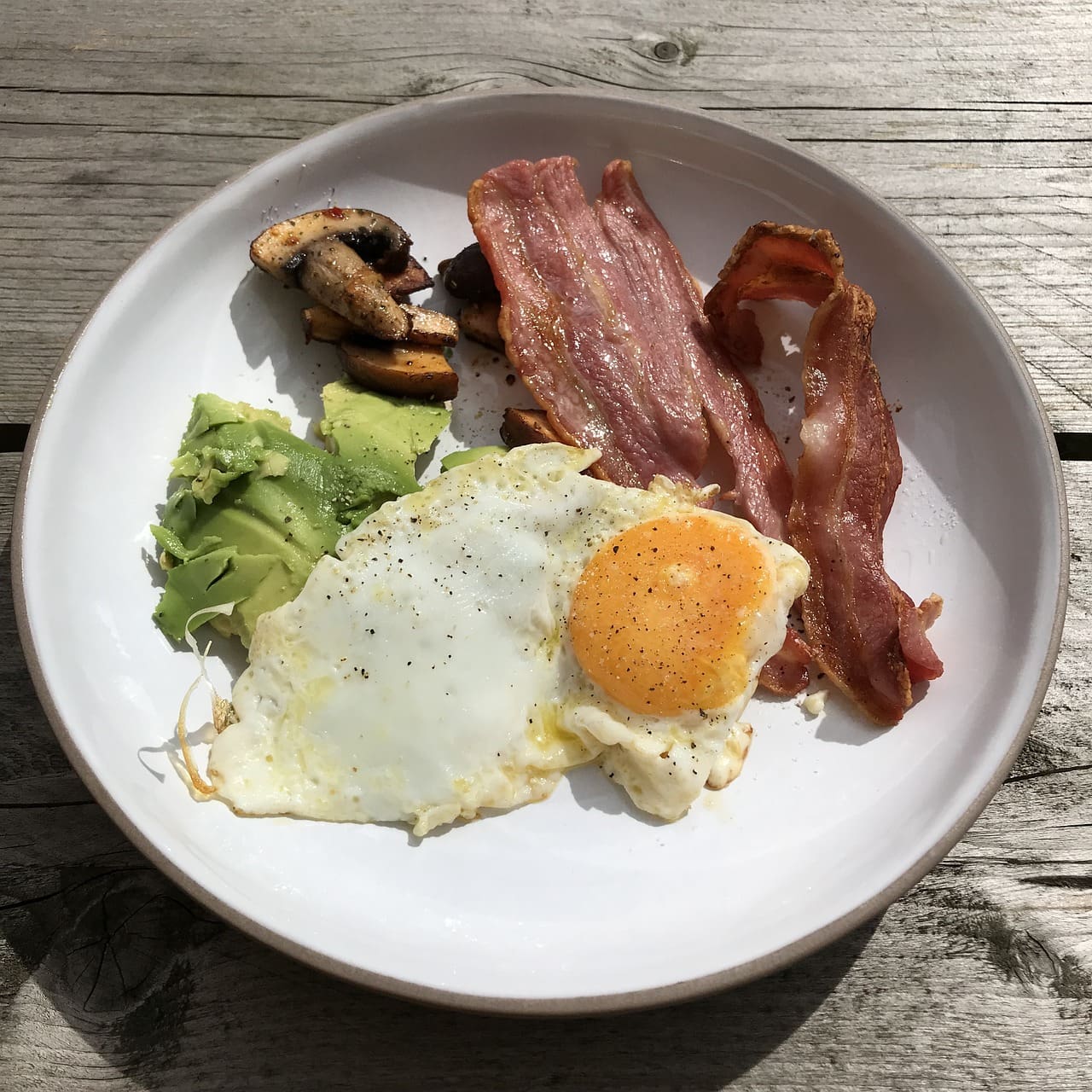
The Keto Diet emphasizes the consumption of healthy fats, such as avocados, olive oil, and coconut oil. These fats provide energy and help keep you feeling full. Low-carb vegetables like spinach, broccoli, and cauliflower are also staples on the diet as they are high in fiber and essential nutrients. High-quality protein sources, such as lean meats, poultry, and fish, are important for muscle repair and other bodily functions. Dairy products like cheese and Greek yogurt can be enjoyed in moderation due to their healthy fat content. Nuts and seeds, such as almonds, walnuts, and chia seeds, are great for snacking and adding extra flavor to meals. However, certain foods should be limited or avoided on the Keto Diet, including grains, starchy vegetables, sugary foods, and most fruits.
Meal Planning and Recipes
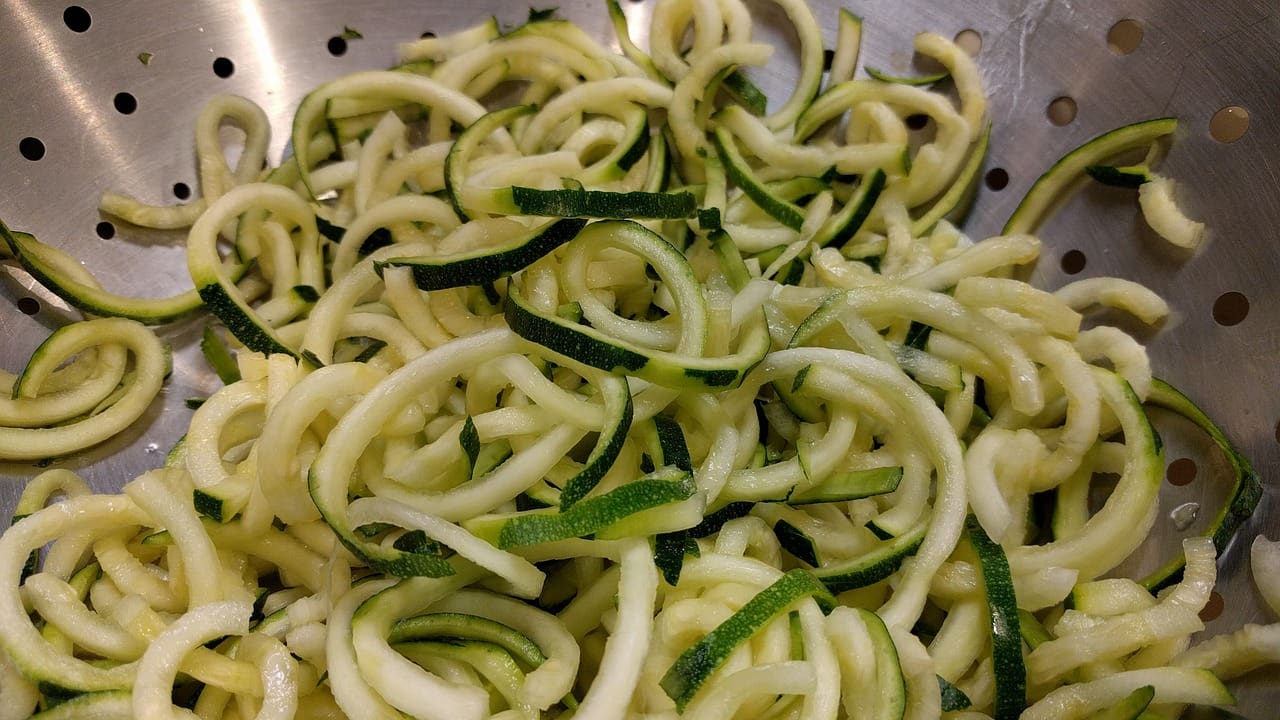
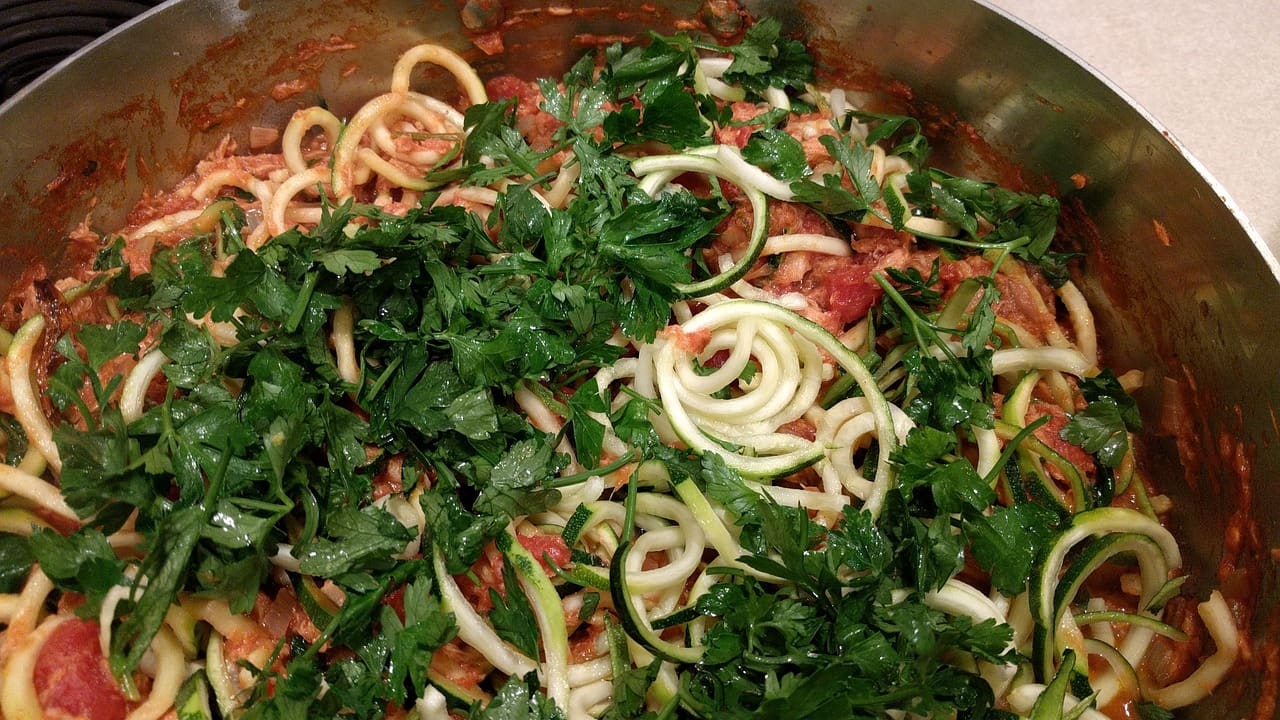
To ensure you’re meeting your macronutrient needs, it’s important to calculate the appropriate ratios for your body. There are various online calculators and resources available to help you determine your specific needs. Example meal plans can serve as a helpful guide when starting out on the Keto Diet. These plans provide a variety of options for breakfast, lunch, dinner, and snacks, taking the guesswork out of what to eat. Simple and delicious keto recipes can also make meal planning more enjoyable. From creamy cauliflower soups to zucchini noodles with pesto, there are plenty of tasty options to satisfy your cravings. Additionally, having a list of snack ideas handy can help you stay on track and curb any cravings throughout the day.
Understanding Ketosis and Ketone Testing
Ketosis is a metabolic state in which the body begins to burn fat for fuel instead of carbohydrates. This process occurs when carbohydrate intake is significantly reduced and the body starts producing ketones as an alternative source of energy. Signs of being in ketosis include increased energy levels, weight loss, reduced appetite, and mental clarity. To determine if you’re in ketosis, there are different methods of ketone testing available. These include urine strips, blood ketone meters, and breath ketone analyzers. Each method has its pros and cons, so it’s important to choose one that suits your preferences and budget.
Managing Keto Flu
As your body adapts to the Keto Diet, you may experience what is commonly known as “keto flu.” Keto flu refers to a collection of symptoms that some people may experience during the initial transition into ketosis. Symptoms can include fatigue, headaches, nausea, dizziness, and irritability. To alleviate keto flu, it’s important to stay hydrated, increase your electrolyte intake, and gradually reduce carbohydrate consumption. Adding a pinch of salt to your meals or drinking bone broth can also help replenish electrolytes and alleviate symptoms.
Tips for Success on the Keto Diet
Staying hydrated is essential while on the Keto Diet. Drinking plenty of water throughout the day not only helps with overall health but also aids in digestion and reduces the risk of dehydration. Being mindful of hidden carbs is crucial to maintaining ketosis. Carbohydrates can hide in unexpected places like sauces, dressings, and condiments, so it’s important to read labels and choose low-carb options. Tracking your progress is a helpful tool for staying motivated and adjusting your diet if necessary. Keeping a food journal or using a mobile app can help you keep track of your meals, macronutrient intake, and any changes you may experience. Dealing with social situations can sometimes be challenging, especially when food is involved. Having a plan in place, such as bringing a keto-friendly dish to a gathering, can help you stay on track while still enjoying social events.
Exercise and the Keto Diet
Exercise can have a positive impact on ketosis and overall health. By incorporating regular physical activity into your routine, you can enhance the benefits of the Keto Diet. Exercise helps burn additional calories, increase muscle mass, and improve cardiovascular health. For keto-friendly workouts, activities that promote endurance and fat burning, such as jogging, cycling, and swimming, are suitable options. It’s important to fuel your body properly before and after workouts to optimize performance and recovery. Consuming a small meal or snack containing protein and healthy fats can provide the necessary energy and nutrients.
Potential Pitfalls and How to Overcome Them
When starting the Keto Diet, some potential pitfalls may arise. Keto flu is a common challenge that can make you feel unwell during the transition phase. Gradually reducing carbohydrate intake and ensuring adequate hydration can help alleviate symptoms. Sugar and carb cravings may also occur, especially during the initial stages of the diet. Finding keto-friendly alternatives or indulging in small portions of dark chocolate or berries can help satisfy cravings while still adhering to the diet. When eating out, it can be challenging to find keto-friendly options, but with a little planning and flexibility, you can make suitable choices. Opt for grilled meats, salads, or vegetable-based dishes, and ask for any sauces or dressings on the side. Dealing with social pressure can be difficult, as friends and family may not fully understand or support your dietary choices. Communicating your goals, educating them about the Keto Diet, and offering to bring a dish to share can help alleviate any potential conflicts.
Safety and Precautions
While the Keto Diet has shown positive health outcomes for many individuals, it’s important to be aware of potential risks and side effects. Some people may experience nutrient deficiencies when following a restrictive diet like keto, so it’s important to ensure a well-rounded and balanced approach to eating. It’s also important to note that the Keto Diet may not be suitable for everyone. People with certain medical conditions, such as pancreatitis or liver disease, should avoid the diet or seek medical advice before starting. Additionally, it’s important to be cautious with dietary supplements on keto. Some supplements may contain hidden carbohydrates or interact with the diet, so it’s important to consult with a healthcare professional before adding any new supplements to your routine.