
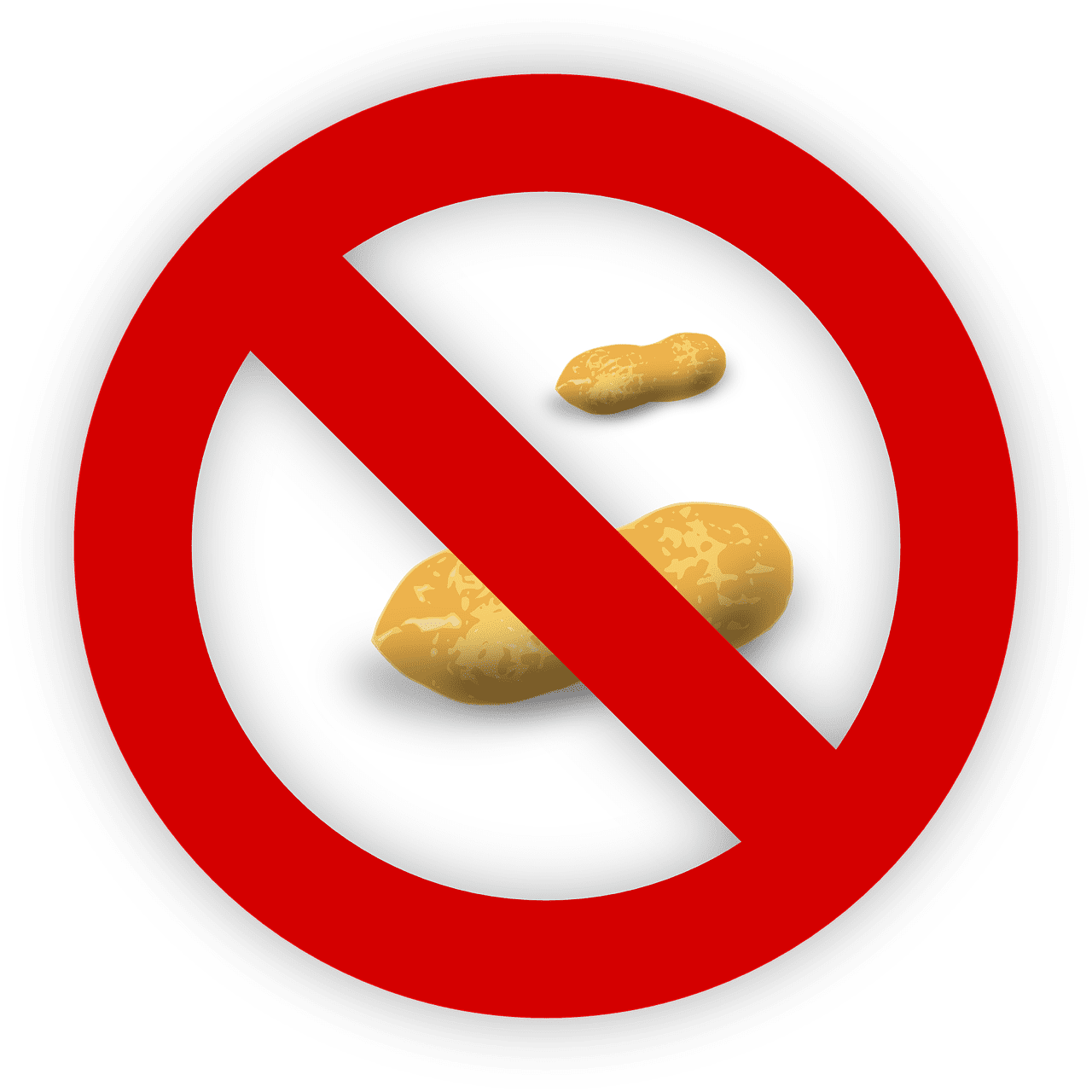
In this friendly beginner’s guide, you will gain a clearer understanding of food allergies and intolerances, and how they affect your body. Discover the key differences between the two, and learn about the most common food allergens and intolerances. We will also explore the symptoms and the importance of proper diagnosis so you can navigate through the world of food with confidence. By the end of this guide, you will have the knowledge you need to make informed choices and keep your body happy and healthy. So, let’s dive right in and unravel the mystery of food allergies and intolerances together!
What are Food Allergies?
Definition of food allergies
Food allergies are immune system reactions that occur when the body mistakenly identifies certain proteins in food as harmful. When these proteins, known as allergens, are ingested, the immune system releases chemicals such as histamine, leading to a range of symptoms.
Symptoms of food allergies
Food allergy symptoms can vary widely and can manifest within a few minutes to a few hours after consuming the allergenic food. Common symptoms include hives, itching, swelling of the lips, tongue, or throat, difficulty breathing, abdominal pain, vomiting, and in severe cases, anaphylaxis – a life-threatening allergic reaction.
Common food allergens
The most common food allergens include milk, eggs, peanuts, tree nuts (such as almonds, walnuts, and cashews), soy, wheat, fish, and shellfish. These allergens are responsible for the majority of food allergy cases.
What are Food Intolerances?
Definition of food intolerances
Food intolerances are adverse reactions to certain foods that do not involve the immune system. Unlike allergies, which trigger an immune response, intolerances are typically caused by the body’s inability to properly digest or metabolize certain substances in food, such as lactose or gluten.
Symptoms of food intolerances
Food intolerance symptoms can vary widely and may take longer to appear compared to allergies. Common symptoms include gastrointestinal issues such as bloating, gas, diarrhea, and stomach cramps. Other symptoms may include headaches, fatigue, skin rashes, and joint pain.
Common food intolerances
Some of the most common food intolerances include lactose intolerance, gluten intolerance or sensitivity (known as celiac disease), and sensitivity to food additives such as sulfites or MSG.

Causes of Food Allergies and Intolerances
Genetic factors
Both food allergies and intolerances can have a genetic component, meaning they may run in families. If a close family member has a food allergy or intolerance, there is a higher likelihood that an individual may also develop these conditions.
Environmental factors
Environmental factors, such as exposure to certain allergens or toxins, can play a role in the development of food allergies and intolerances. For example, a child who is exposed to tobacco smoke or has a history of respiratory infections may have a higher risk of developing allergies or intolerances.
Immune system reactions
Food allergies are caused by an abnormal immune response to specific proteins in food. The immune system mistakenly identifies these proteins as harmful and releases chemicals to combat them. In food intolerances, the reaction is triggered by an enzyme deficiency or inability to digest a particular substance.
Diagnosing Food Allergies and Intolerances
Medical history and physical examination
To diagnose food allergies and intolerances, healthcare professionals will typically start by taking a detailed medical history, including symptoms and any known triggers. A physical examination may also be conducted to assess any physical signs or reactions.
Allergy testing
Allergy testing, such as skin prick tests or blood tests, can help identify specific food allergies. These tests involve exposing the skin or blood to small amounts of allergenic proteins and monitoring for an immune response. However, it is important to note that these tests may not always be 100% accurate.
Elimination diet
An elimination diet involves removing suspected allergenic or intolerant foods from your diet for a certain period, then gradually reintroducing them to identify any adverse reactions. This method can help pinpoint specific food triggers and confirm the presence of allergies or intolerances.

Managing Food Allergies and Intolerances
Avoiding trigger foods
The most effective way to manage food allergies and intolerances is to avoid consuming trigger foods altogether. This may involve carefully reading food labels, asking questions about ingredients when dining out, and preparing homemade meals where you have total control over the ingredients.
Reading food labels
When managing food allergies or intolerances, it is essential to read food labels carefully and be aware of potential allergens or intolerant substances. Look for ingredient lists and allergen warnings indicating the presence of common allergens like milk, nuts, or gluten.
Cross-contamination prevention
Cross-contamination can occur when an allergenic food comes into contact with surfaces, utensils, or other foods, leading to an allergic reaction. To prevent cross-contamination, it is important to thoroughly clean cooking utensils, avoid sharing food preparation areas, and properly store different types of food, especially allergenic ones.
Treatment Options for Food Allergies
Epinephrine auto-injectors
In cases of severe food allergies or anaphylaxis, epinephrine auto-injectors, commonly known as EpiPens, can be life-saving. These devices deliver a dose of epinephrine to help reverse the allergic reaction and alleviate symptoms until emergency medical help arrives.
Antihistamines
Antihistamines can help relieve mild allergy symptoms such as itching, hives, and sneezing. They work by blocking the effects of histamine, a chemical released during allergic reactions. However, antihistamines are not a substitute for epinephrine in cases of severe allergic reactions.
Emergency action plan
Individuals with severe food allergies should develop an emergency action plan in consultation with their healthcare provider. This plan should outline specific steps to take in case of an allergic reaction, including using an epinephrine auto-injector, seeking immediate medical attention, and contacting emergency services.

Common Myths and Misconceptions about Food Allergies and Intolerances
Food intolerance is the same as an allergy
Contrary to popular belief, food intolerance is not the same as a food allergy. While both may cause adverse reactions to certain foods, food intolerance is not mediated by the immune system, whereas food allergies involve an immune response.
Children outgrow food allergies
Although some children may outgrow certain food allergies, such as milk or egg allergies, the same cannot be said for all allergies. Peanut and tree nut allergies, for instance, tend to persist throughout adulthood. It is crucial to consult with an allergist to determine if and when an allergy may resolve.
Only children have food allergies
Food allergies can affect individuals of all ages, not just children. While allergies are more commonly diagnosed in childhood, many individuals experience their first allergic reaction as adults. It is important to raise awareness about this to ensure proper precautions are taken across all age groups.
Tips for Dining Out with Food Allergies
Communicating with the restaurant staff
When dining out with food allergies, it is crucial to communicate your needs and concerns to the restaurant staff. Inform them about your specific allergen(s), ask questions about ingredients and preparation methods, and make sure they understand the importance of avoiding cross-contamination.
Choosing safe options
Opting for simple, unprocessed dishes with known ingredients is often the safest choice when dining out with food allergies. Avoiding complex dishes or those with multiple ingredients can minimize the risk of inadvertently consuming allergenic substances or intolerant compounds.
Taking precautions
Carrying emergency medications, such as epinephrine auto-injectors, is essential when eating out. Additionally, informing your dining companions about your allergies or intolerances can provide an extra layer of support and vigilance in case of an accidental exposure.
Support and Education for Individuals with Food Allergies and Intolerances
Joining support groups
Joining support groups or online communities dedicated to individuals with food allergies or intolerances can provide a valuable source of support, information, and understanding. Interacting with others facing similar challenges can help navigate the complexities of managing these conditions.
Seeking professional help
For accurate diagnosis and personalized management strategies, it is crucial to seek professional help from healthcare providers specializing in allergies or gastrointestinal disorders. Allergists, immunologists, and gastroenterologists can provide expert guidance and treatment options.
Educating friends and family
Educating friends, family, and caregivers about food allergies and intolerances is essential to ensure a safe and supportive environment. This includes explaining the risks of accidental exposure, training on how to respond during an allergic reaction, and encouraging empathy and understanding.
Emerging Research and Approaches
Oral immunotherapy
Oral immunotherapy is an emerging approach for treating certain food allergies. It involves gradually exposing individuals to small, controlled amounts of the allergenic food to build tolerance over time. While still under investigation, oral immunotherapy shows promising potential for managing food allergies.
Probiotics and gut health
Research suggests that maintaining a healthy gut microbiome, which consists of beneficial bacteria, may play a role in preventing and managing food allergies and intolerances. Probiotics, either consumed through supplements or certain foods, may help support gut health and potentially reduce the risk of developing allergies or intolerances.
Identifying new allergens
Ongoing research aims to identify and understand new allergens that may trigger food allergies or intolerances. By expanding knowledge of less common allergens, researchers can contribute to improved diagnostics, prevention strategies, and treatment options for food-related immune reactions.
In conclusion, understanding food allergies and intolerances is crucial for effectively managing these conditions. By knowing the definition, symptoms, and causes, individuals can seek appropriate diagnosis and treatment. Taking steps to avoid trigger foods, reading labels carefully, and implementing preventive measures can significantly reduce the risk of adverse reactions. Support from healthcare professionals, support groups, and education for friends and family also contribute to a safe and inclusive environment. Ongoing research continues to shed light on emerging approaches and potential breakthroughs, offering hope for improved management and prevention strategies in the future.