
If you’re looking to improve your mental and physical well-being, yoga might just be the answer for you. Whether you’re a complete beginner or have dabbled in yoga before, this guide will provide you with everything you need to know to get started on your yoga journey. From the basics of yoga poses and breathing techniques to the numerous benefits it can have on your overall well-being, this article will act as your friendly companion as you explore the world of yoga and discover the transformative effects it can have on your mind and body.
What is Yoga?
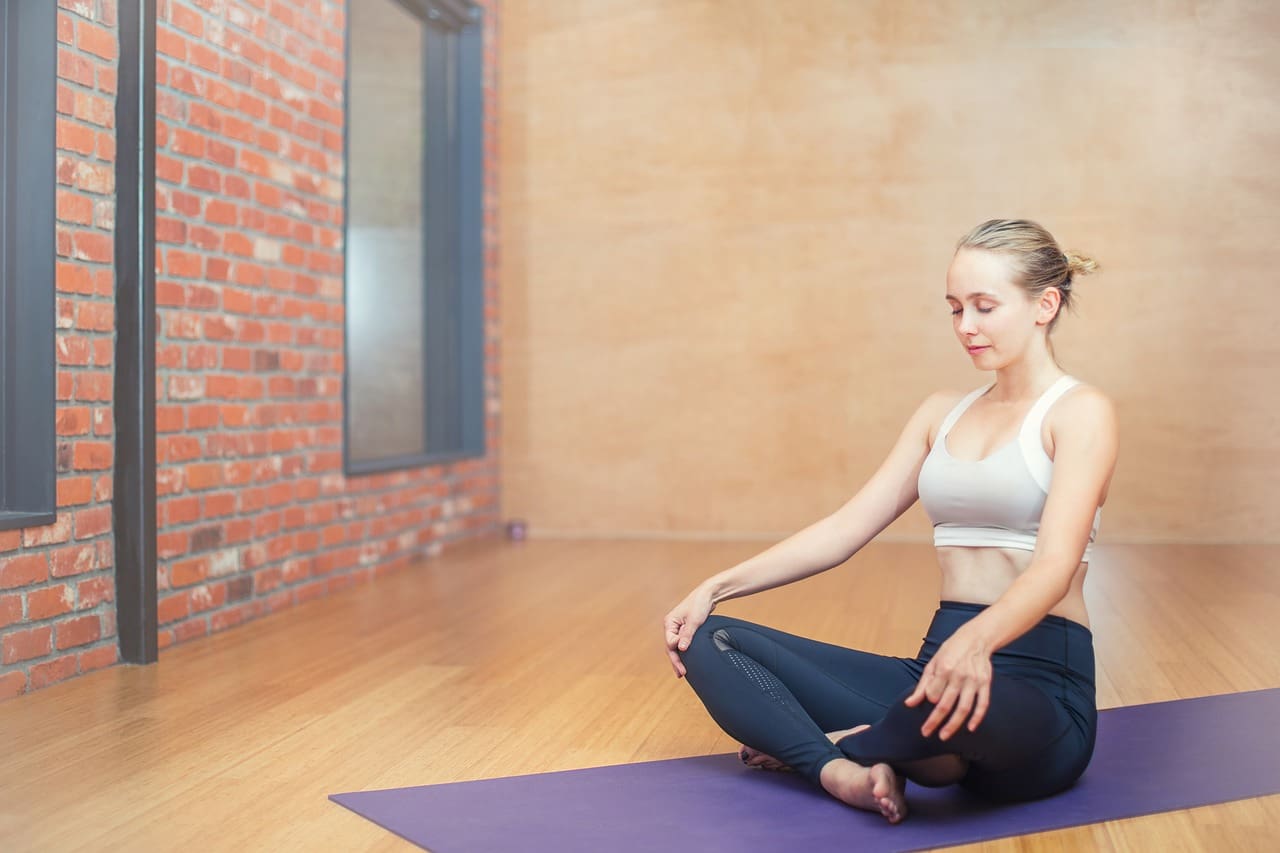
Yoga is an ancient practice that originated in India thousands of years ago. It is a mind-body discipline that incorporates physical postures, breathing exercises, meditation, and ethical principles to promote overall wellness and balance. While yoga has its roots in spirituality and the search for enlightenment, it has evolved into a popular form of exercise and stress relief in today’s modern world.
Origin and History of Yoga
The practice of yoga dates back to the Indus Valley Civilization, which existed around 3000 BCE in what is now modern-day India. It was later developed and refined by various sages and gurus, such as Patanjali, who compiled the Yoga Sutras, a comprehensive guide to the philosophy and practice of yoga. Over the centuries, yoga spread to different parts of the world, adapting to different cultures and traditions along the way. Today, it is practiced by millions of people worldwide, with many different styles and approaches to suit individual needs.
Definition of Yoga
Yoga can be best described as a holistic approach to health and wellbeing. It combines physical postures, known as asanas, with controlled breathing, meditation, and ethical principles to promote harmony between the mind, body, and spirit. The word “yoga” itself derives from the Sanskrit word “yuj,” which means to unite or join. Through regular practice, yoga helps to cultivate physical strength and flexibility, mental clarity and focus, emotional stability, and spiritual growth.
Benefits of Yoga
The benefits of yoga are numerous and extend beyond just the physical. Regular practice can help to reduce stress and anxiety, improve sleep quality, increase energy levels, and enhance overall mental wellness. Yoga also promotes physical health by improving strength and flexibility, correcting posture and alignment, and relieving muscle tension and joint pain. Additionally, it can aid in weight loss, boost the immune system, and enhance body awareness. With regular practice, yoga can truly transform your life both on and off the mat.
Getting Started with Yoga
If you’re new to yoga, it can be overwhelming to know where to begin. Here are some essential steps to help you get started on your yoga journey:
Finding a Suitable Yoga Style
Yoga comes in many different styles, each with its own approach and focus. It’s important to explore and find a style that resonates with you. Some popular styles include Hatha, Vinyasa, Ashtanga, Yin, and Restorative yoga. Each style varies in intensity, pace, and emphasis, so take the time to try out different classes and see which one suits your needs and preferences.
Choosing the Right Yoga Class or Instructor
Once you’ve determined the style of yoga you’re interested in, it’s important to find a class or instructor that aligns with your goals and values. Look for a qualified and experienced teacher who creates a safe, welcoming, and inclusive environment for students of all levels. It’s also helpful to read reviews or ask for recommendations from friends or fellow yogis.
Yoga Equipment and Clothing
Unlike some other forms of exercise, yoga does not require a lot of equipment. A good quality yoga mat is essential to provide cushioning and stability during poses. It’s also helpful to have a yoga strap, blocks, and a bolster for additional support and modifications. As for clothing, choose comfortable and breathable attire that allows for ease of movement, such as leggings or shorts and a fitted top. Avoid loose or baggy clothing that may hinder your movements.
Preparing Your Body for Yoga
Before diving into your first yoga class, it’s important to prepare your body and mind. Start by gently stretching and warming up your muscles to prevent injuries. Follow basic warm-up exercises, such as neck rolls, shoulder rolls, and gentle twists. It’s also helpful to hydrate well before your practice and avoid heavy meals immediately before yoga.
Setting Realistic Goals
Yoga is a personal journey, and it’s important to set realistic goals that are aligned with your current abilities and limitations. Avoid comparing yourself to others and focus on your own progress and growth. Celebrate small achievements along the way and be patient with yourself. Remember, yoga is not about perfection but about self-acceptance and self-improvement.
Essential Yoga Poses for Beginners
Now that you’re ready to start your yoga practice, here are some essential poses that are perfect for beginners:
Mountain Pose (Tadasana)
Mountain pose is the foundation of all standing poses in yoga. Stand with your feet hip-width apart, grounding through all four corners of your feet. Lengthen your spine, relax your shoulders, and engage your core. Imagine yourself as a tall and grounded mountain. Breathe deeply and hold the pose for several breaths, feeling a sense of stability and strength.
Downward-Facing Dog (Adho Mukha Svanasana)
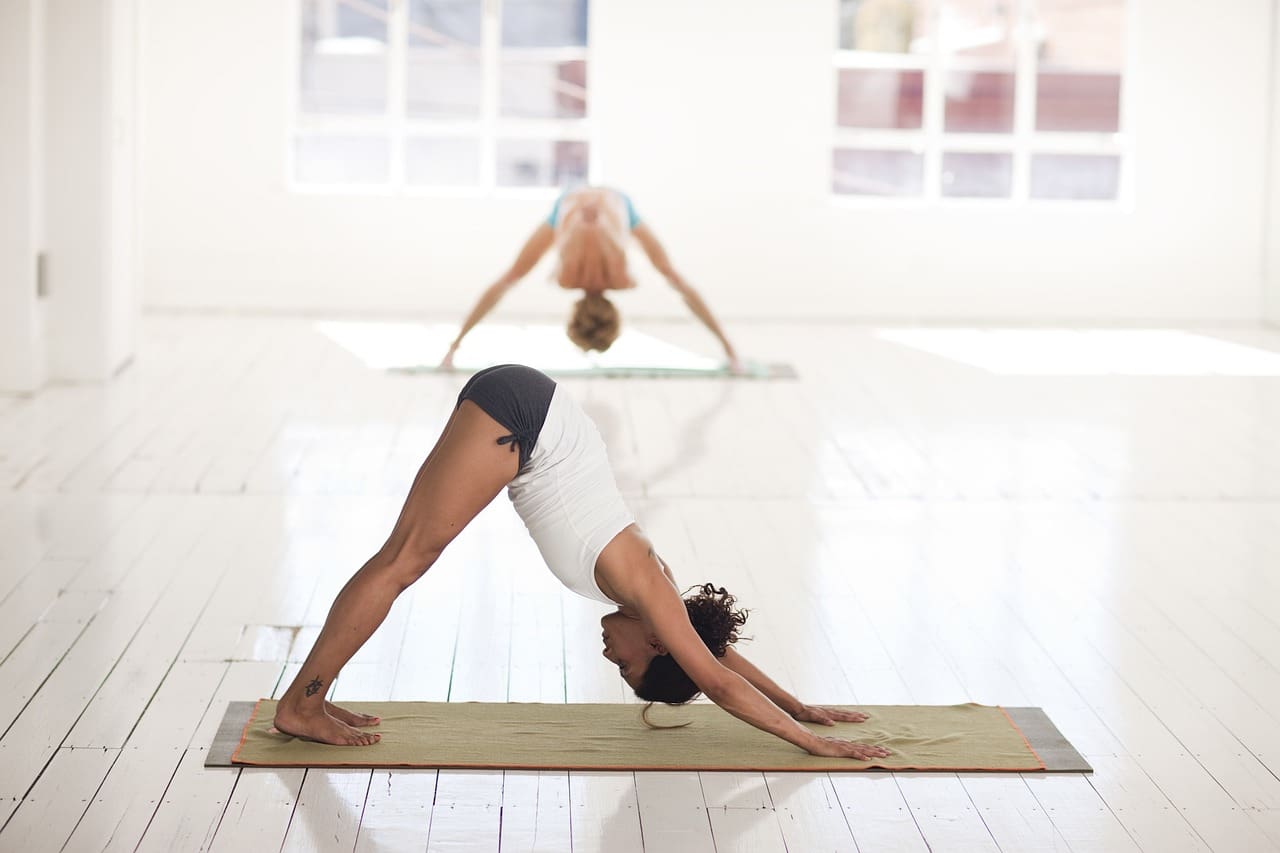
Downward-Facing Dog is a rejuvenating pose that stretches the entire body. Start on your hands and knees, with your hands slightly in front of your shoulders. Press into your hands and lift your hips up and back, coming into an inverted V shape. Keep your heels grounded or slightly lifted, and relax your head and neck. Feel a deep stretch in your hamstrings, calves, and shoulders. Take slow, deep breaths and hold the pose for several breaths.
Child’s Pose (Balasana)
Child’s Pose is a resting pose that promotes relaxation and release. Start on your hands and knees, and then sit your hips back towards your heels. Allow your forehead to rest on the mat, with your arms extended in front of you or resting alongside your body. Feel a gentle stretch in your lower back, hips, and shoulders. Take slow, deep breaths and stay in this pose for as long as you need to rest and restore.
Warrior I (Virabhadrasana I)
Warrior I is a powerful standing pose that builds strength and stability in both the body and mind. Start in Mountain Pose, then step your left foot back, keeping your feet hip-width apart. Bend your right knee, bringing it directly over your ankle. Keep your back leg straight and press your back foot firmly into the mat. Raise your arms overhead, with your palms facing each other. Lift your gaze up and find a sense of strength and determination. Breathe deeply and hold the pose for several breaths before switching sides.
Tree Pose (Vrksasana)
Tree pose is a balancing pose that brings focus and stability. Start in Mountain Pose, then shift your weight onto your left foot. Place your right foot on your left ankle, calf, or inner thigh, avoiding the knee joint. Bring your palms together at your heart center, or extend your arms overhead like branches. Find a drishti, or a fixed point, to help with balance. Breathe deeply and hold the pose for several breaths before switching sides.
Corpse Pose (Savasana)
Corpse pose is the final relaxation pose in yoga, providing an opportunity for rest and integration. Lie flat on your back, with your legs extended and your arms relaxed by your sides, palms facing up. Close your eyes and allow your body to fully relax into the mat. Focus on your breath and let go of any tension or thoughts. Stay in this pose for several minutes, soaking in the benefits of your practice.
Breathing Techniques in Yoga
Breathing is a fundamental aspect of yoga practice. Through breath control, or pranayama, we can regulate our energy, calm the mind, and cultivate a sense of presence and awareness. Here are some key aspects of breathing techniques in yoga:
Introduction to Yogic Breathing
Yogic breathing, or pranayama, involves breathing deeply and fully, using the entire capacity of our lungs. It focuses on slow, controlled inhalations and exhalations, with an emphasis on smooth transitions. By practicing conscious breathing, we bring oxygen to our cells, calm the nervous system, and cultivate a sense of inner calm and peace.
Pranayama Techniques
There are various pranayama techniques that you can incorporate into your yoga practice. Some popular techniques include:
- Ujjayi Breath: Also known as the “Victorious Breath,” Ujjayi breath involves breathing in and out through the nose with a slight constriction in the back of the throat, creating a soft, audible sound. This breath helps to generate heat in the body and focuses the mind.
- Nadi Shodhana: Also known as “Alternate Nostril Breathing,” this technique involves inhaling through one nostril and exhaling through the other, alternating between the two. It helps to balance the energy in the body and calm the mind.
- Kapalabhati: This is a cleansing breath technique that involves forceful exhalations through the nose, followed by passive inhalations. It helps to clear the mind, energize the body, and detoxify the respiratory system.
Benefits of Controlled Breathing
Incorporating breath control in your yoga practice offers numerous benefits. It can help to reduce stress and anxiety, lower blood pressure, improve lung capacity, and enhance mental clarity and focus. Controlled breathing also helps to balance the autonomic nervous system, promoting relaxation and overall wellbeing.
Incorporating Breath Awareness in Yoga Practice
Breath awareness is an essential component of yoga practice. By paying attention to the quality and rhythm of your breath, you can deepen your practice and create a sense of inner calm. Focus on slow, smooth inhalations and exhalations, and synchronize your breath with your movements. Allow your breath to guide you through each pose, staying present and connected to the present moment.
Yoga for Mental Wellness
Yoga is not just a physical practice but also a powerful tool for promoting mental and emotional wellbeing. Here are some ways in which yoga can benefit your mental health:
Reducing Stress and Anxiety
The practice of yoga helps to activate the parasympathetic nervous system, also known as the “rest and digest” response. By consciously slowing down the breath and moving the body mindfully, yoga helps to reduce stress hormones and promote a state of calm and relaxation. Regular practice can significantly reduce anxiety levels and help you navigate stressful situations with greater ease and resilience.
Improving Focus and Concentration
Yoga encourages presence and mindfulness, which in turn improves mental focus and concentration. The combination of deep breathing, physical movement, and meditation helps to quiet the mind and cultivate a state of heightened awareness. With regular practice, you’ll notice improved cognitive function, enhanced memory, and increased productivity both on and off the mat.
Promoting Mindfulness and Meditation
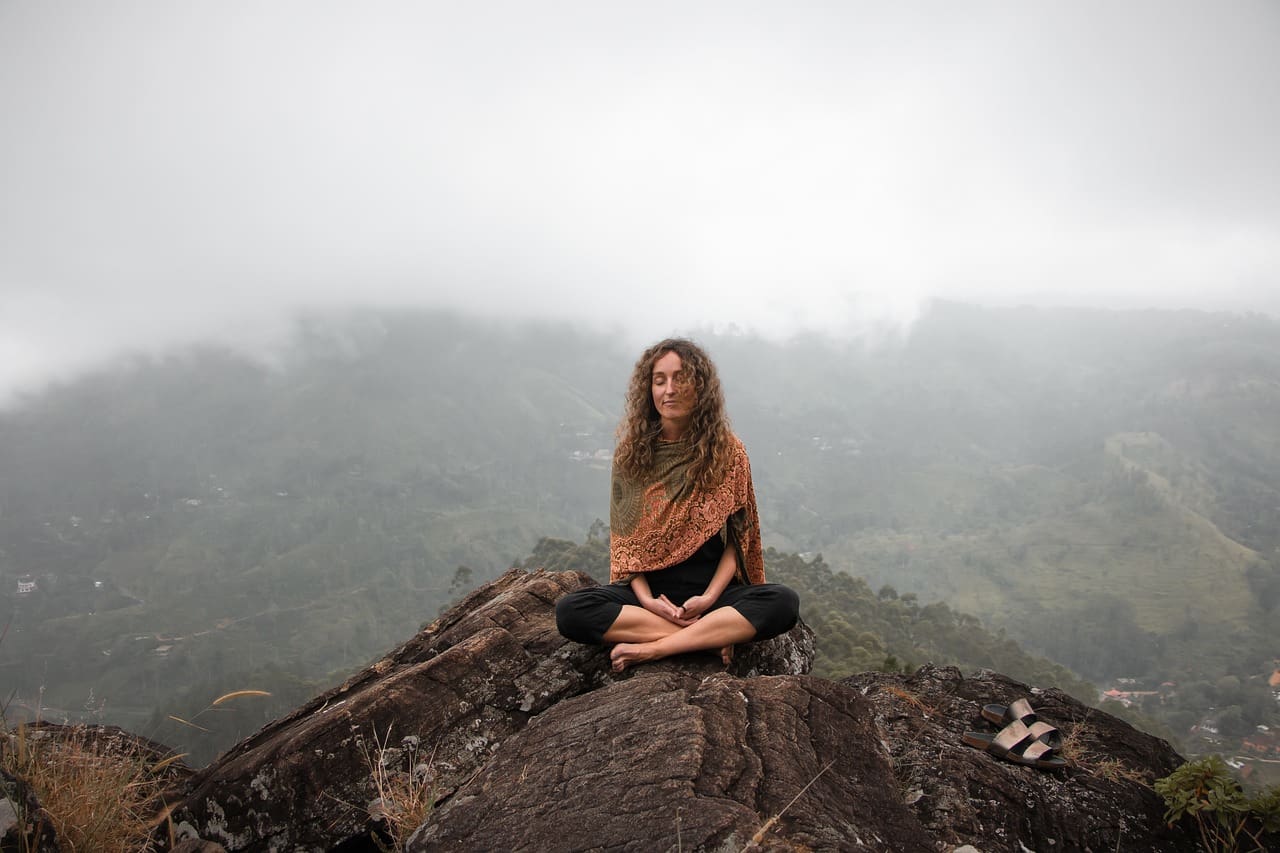
Yoga and meditation go hand in hand. The physical postures in yoga prepare the body for seated meditation, where we learn to observe our thoughts and emotions without judgment. Through the practice of mindfulness and meditation, we cultivate a sense of inner peace and develop a greater sense of self-awareness. This, in turn, allows us to navigate life’s challenges with more clarity and resilience.
Enhancing Emotional Wellbeing
Yoga provides a safe space for exploring and releasing emotions. By moving and breathing with intention, we create an opportunity for emotional healing and growth. Regular yoga practice increases the production of feel-good hormones like serotonin and endorphins, promoting a positive mood and overall emotional wellbeing. Yoga also teaches us to cultivate self-compassion and acceptance, leading to a healthier relationship with ourselves and others.
Yoga for Physical Wellness
In addition to its mental and emotional benefits, yoga also offers a wide range of physical benefits. Here are some ways in which yoga can enhance your physical wellness:
Increasing Strength and Flexibility
The practice of yoga incorporates a variety of poses that help to build strength and improve flexibility. Through consistent practice, you’ll notice increased muscle tone, improved balance, and enhanced athletic performance. Yoga postures also stretch and lengthen the muscles, improving flexibility and reducing the risk of injury.
Improving Posture and Alignment
Modern lifestyles, such as sitting for long periods and hunching over computers, can wreak havoc on our posture. Yoga helps to counteract this by strengthening the core muscles, elongating the spine, and opening up the chest and shoulders. Regular practice promotes proper alignment, reducing the risk of chronic pain and postural imbalances.
Promoting Weight Loss and Body Awareness
Yoga is a gentle yet effective form of exercise for weight loss and body awareness. Dynamic styles of yoga, such as Vinyasa and Power yoga, offer a cardiovascular workout that burns calories and builds lean muscle mass. Additionally, yoga teaches us to develop a positive and loving relationship with our bodies, promoting a healthy body image and self-acceptance.
Relieving Muscle Tension and Joint Pain
The physical postures in yoga help to release tension and tightness in the muscles, thus reducing muscular pain and discomfort. Yoga also lubricates the joints and improves their range of motion, promoting joint health and preventing conditions like arthritis. Gentle, restorative yoga poses are particularly beneficial for relieving chronic pain and promoting relaxation.
Yoga Tips for Beginners
As a beginner, it’s important to approach your yoga practice with a mindful and balanced mindset. Here are some tips to help you navigate your yoga journey:
Start Slow and Listen to Your Body
Yoga is a practice of self-care and self-awareness. Start with gentle and beginner-friendly classes or sequences that allow you to build strength and flexibility gradually. Listen to your body and honor its limitations. If a pose feels uncomfortable or painful, modify or skip it altogether. Your practice should always feel safe and nourishing.
Practice Consistently
Consistency is key when it comes to reaping the benefits of yoga. Aim for a regular practice, even if it’s just a few minutes each day. Whether you choose to attend studio classes or practice at home, make it a non-negotiable part of your routine. By practicing consistently, you’ll notice improvements in strength, flexibility, and overall wellbeing.
Explore Different Yoga Styles
Don’t be afraid to experiment with different styles of yoga. Each style offers its own unique benefits and challenges. By trying out different classes and instructors, you’ll gain a deeper understanding of what resonates with you and what doesn’t. Be open to exploring new styles and approaches, and be patient as you navigate your preferences.
Don’t Compare Yourself to Others
One of the beauties of yoga is that it is a personal and individual practice. Avoid comparing yourself to others in the class or on social media. Remember that everyone is on their own journey, and what matters most is your own progress and growth. Celebrate your achievements, no matter how small, and practice self-compassion along the way.
Stay Hydrated and Eat Well
Proper hydration and nutrition are essential for any physical activity, including yoga. Drink plenty of water before, during, and after your practice to stay hydrated. Eat a balanced diet that includes plenty of fruits, vegetables, lean proteins, and whole grains. Avoid heavy meals immediately before practicing yoga, as this may cause discomfort or interfere with your digestion.
Seek Professional Guidance if Needed
If you have any underlying health conditions or physical limitations, it’s important to seek professional guidance before starting a yoga practice. Consult with your doctor or a qualified yoga instructor who can provide modifications and personalized recommendations to suit your needs. Your safety and wellbeing are paramount, so don’t hesitate to ask for help if you need it.
Common Mistakes to Avoid
As you embark on your yoga journey, be mindful of these common mistakes that beginners often make:
Pushing Beyond Your Limits
While it’s important to challenge yourself in your yoga practice, it’s equally important to listen to your body and respect its limits. Pushing yourself too hard can lead to injuries and setbacks. Instead, practice with patience and compassion, gradually building strength and flexibility over time. Remember that yoga is a lifelong journey, and it’s okay to take things at your own pace.
Neglecting Proper Alignment
Proper alignment is crucial in yoga to avoid strain or injury. Pay attention to your alignment in each pose, ensuring that your joints are stacked and your spine is elongated. Engage your core to protect your lower back, and relax your shoulders away from your ears. If you’re unsure about proper alignment, seek guidance from a knowledgeable teacher or explore online resources.
Holding Your Breath
The breath is an integral part of yoga practice, so it’s important to keep it flowing. Avoid holding your breath during poses, as this can lead to tension and strain. Instead, focus on deep, steady breathing, matching each movement with the inhale and exhale. Breathing consciously helps to calm the mind, energize the body, and create a sense of fluidity and ease in your practice.
Skipping Warm-up and Cool-down
Just like any exercise routine, warming up and cooling down are essential in yoga. Before diving into your practice, take a few minutes to warm up your muscles with gentle stretches and movements. This prepares the body for more challenging poses and reduces the risk of injury. Similarly, cool down with relaxation poses or gentle stretches to return the body to a state of rest and balance.
Overlooking the Importance of Relaxation
Many beginners are eager to master the physical postures in yoga and may neglect the importance of relaxation. Remember that yoga is a holistic practice that encompasses both movement and stillness. Make time for restorative poses, meditation, or savasana (corpse pose), allowing yourself to integrate the physical and mental benefits of your practice.
Creating a Home Practice
Practicing yoga in the comfort of your own home can be a fulfilling and convenient way to deepen your practice. Here are some steps to help you create a successful home practice:
Designating a Space
Choose a dedicated space in your home where you can practice yoga without distractions. Clear the area of any clutter and create a serene and inviting atmosphere. You don’t need a large space; a corner of your living room or bedroom will suffice. Invest in a good-quality yoga mat to provide cushioning and support.
Gathering Necessary Equipment
As mentioned earlier, yoga doesn’t require extensive equipment. Besides a yoga mat, you may want to have props such as blocks, a strap, and a bolster to aid in your practice. These props can enhance your alignment, provide additional support, and make poses more accessible. You can gradually acquire these props as you advance in your practice.
Creating a Routine
Consistency is key when practicing at home. Set a regular time for your practice, whether it’s in the morning, during your lunch break, or in the evening. Create a routine that works for your schedule and commit to it. Start with shorter sessions and gradually increase the duration as you become more comfortable and confident.
Finding Online Yoga Resources
The internet is a treasure trove of yoga resources, with countless online classes, tutorials, and guided practices available. Explore different websites, YouTube channels, or apps to find instructors and styles that resonate with you. While practicing at home offers autonomy and flexibility, it’s still important to follow experienced teachers to ensure proper alignment and guidance.
Adapting the Practice to Your Space
Remember that practicing at home means working with the limitations of your space. Be creative and adapt your practice to suit your surroundings. If you have a small space, focus on seated or standing poses. If you have noisy neighbors, invest in noise-canceling headphones or find alternative relaxation techniques. Embrace the uniqueness of your home practice and make it your own.
Taking Yoga Beyond the Mat
Yoga is not just confined to the time spent on the mat; it can be a transformative practice that extends into all aspects of your life. Here are some ways to take yoga beyond the physical practice:
Incorporating Mindfulness in Daily Life
Yoga teaches us to be present and mindful in each moment. Take this practice off the mat by cultivating mindfulness in your daily life. Slow down and pay attention to your breath, your surroundings, and your interactions with others. Practice mindful eating, mindful walking, and mindful listening. By bringing awareness to your daily activities, you can experience a deeper sense of connection and joy.
Applying Yogic Principles to Challenges
Yoga provides us with a set of ethical principles known as the Yamas and Niyamas. These principles, such as kindness, truthfulness, non-violence, and contentment, form the foundation of a yogic lifestyle. Take these principles into your daily life and apply them to challenging situations. Cultivate compassion and understanding, practice non-judgment, and seek harmony and balance in your relationships.
Using Yoga as a Tool for Self-Reflection
Yoga offers a sacred space for self-reflection and introspection. Use your practice as a time to tune inwards and explore your thoughts, emotions, and inner landscape. Be curious about your patterns and habits, and use your practice to cultivate self-awareness and personal growth. Journaling, meditation, and contemplative walks can also support your self-reflection process.
Establishing a Healthy Work-Life Balance
In today’s fast-paced world, finding balance between work and personal life can be challenging. Yoga can help you establish a healthy work-life balance by teaching you to prioritize self-care, set boundaries, and listen to your body’s needs. Create a schedule that allows for regular exercise, relaxation, and quality time with loved ones. By nurturing yourself, you’ll be better equipped to handle the demands of everyday life.