Are you looking for ways to better manage your chronic fatigue syndrome? Look no further! In this article, we will explore some of the best exercises that can help improve your overall energy levels and combat the symptoms of chronic fatigue syndrome. From gentle stretching to low-impact cardio, incorporating these exercises into your routine can make a significant difference in managing your condition. Let’s get moving and start feeling better today! Have you been struggling with Chronic Fatigue Syndrome and looking for ways to manage your symptoms? Incorporating exercise into your daily routine can be a beneficial and effective way to improve your overall well-being and manage your condition. In this article, you will learn about the best exercises for managing Chronic Fatigue Syndrome, along with tips and guidelines to help you get started on your fitness journey.

What is Chronic Fatigue Syndrome?
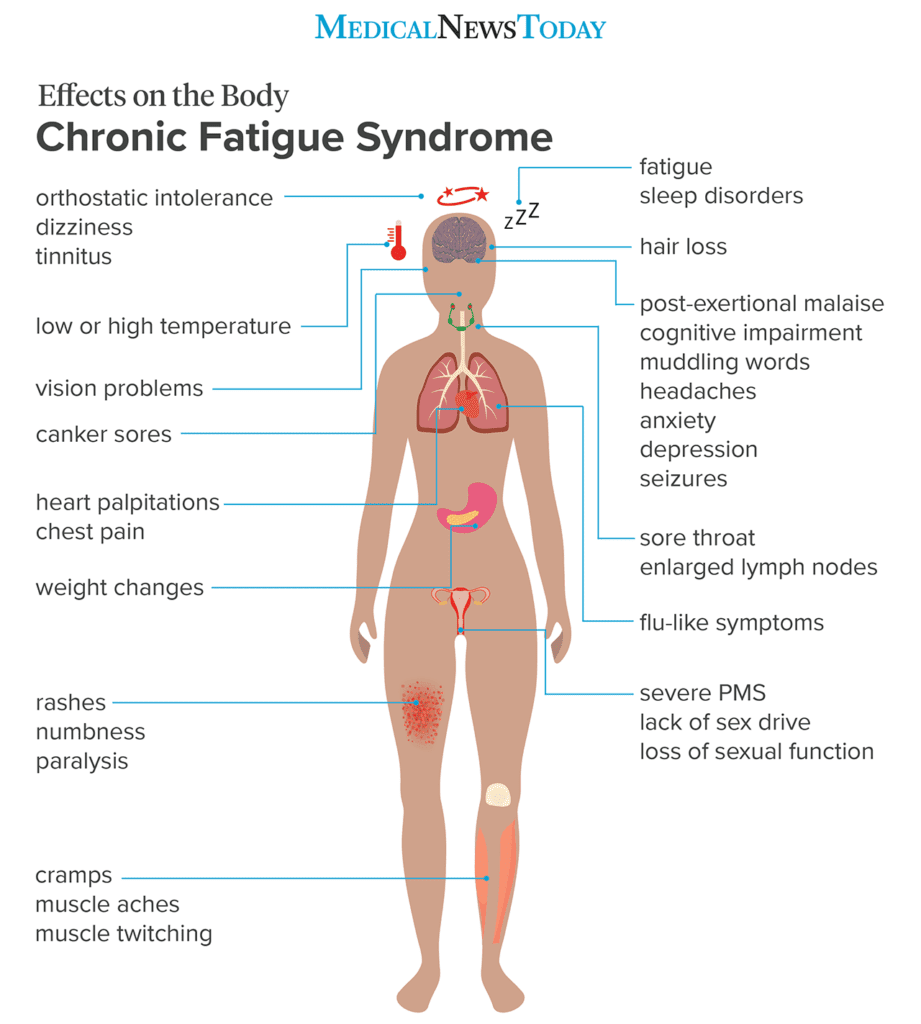
Chronic Fatigue Syndrome (CFS) is a complex and debilitating disorder characterized by extreme fatigue that does not improve with rest and can worsen with physical or mental activity. The exact cause of CFS is unknown, but it is believed to involve a combination of factors including immune system dysfunction, hormonal imbalances, and psychological stress. Symptoms of CFS may include severe fatigue, muscle and joint pain, headaches, cognitive difficulties, and sleep disturbances.
Managing CFS can be challenging, but with the right approach and support, you can improve your quality of life and reduce the impact of your symptoms. Exercise is an important component of managing CFS, as it can help improve your stamina, reduce pain, and enhance your mood and overall well-being.
Benefits of Exercise for Chronic Fatigue Syndrome
Exercise has numerous benefits for individuals with Chronic Fatigue Syndrome, including:
- Improved cardiovascular fitness
- Increased muscle strength and flexibility
- Enhanced mood and mental health
- Better sleep quality
- Reduced pain and fatigue
- Increased energy levels
Engaging in regular physical activity can help alleviate the symptoms of CFS and improve your overall quality of life. It is important to start slowly and gradually increase the intensity and duration of your exercise routine to avoid exacerbating your symptoms.

Best Types of Exercises for Chronic Fatigue Syndrome
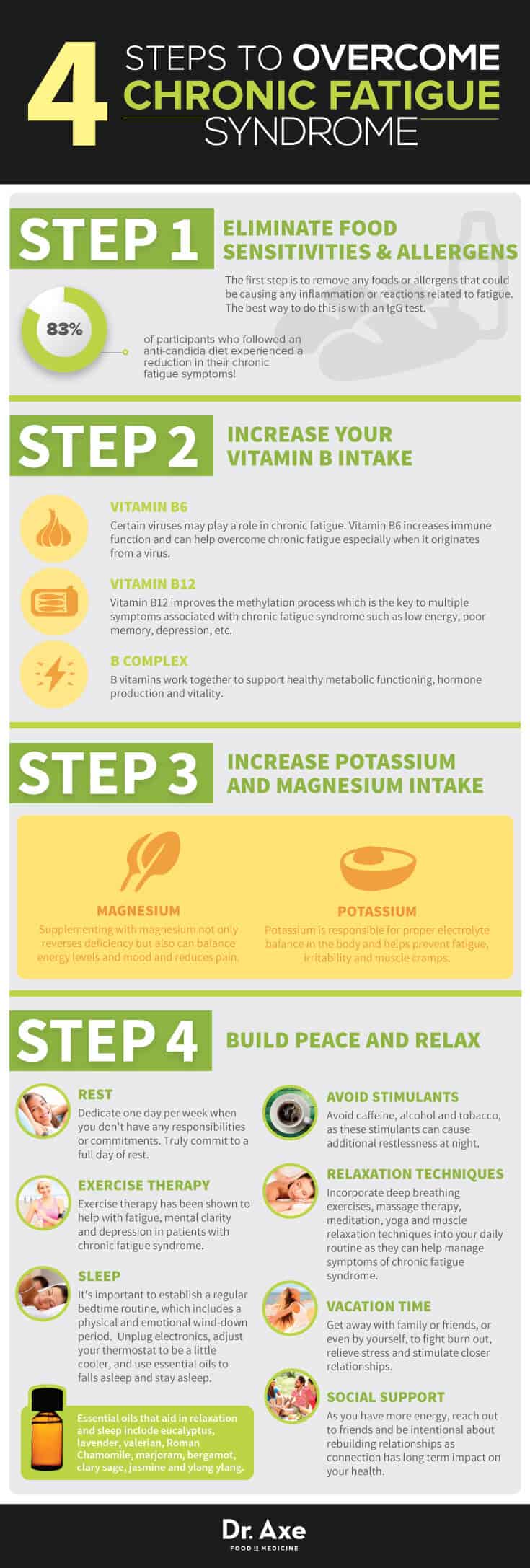
When it comes to managing CFS, not all exercises are created equal. It is essential to choose activities that are gentle on the body, promote relaxation, and do not exacerbate your symptoms. Here are some of the best types of exercises for individuals with Chronic Fatigue Syndrome:
1. Low-Impact Cardiovascular Exercises
Low-impact cardiovascular exercises are excellent for individuals with CFS, as they help improve cardiovascular fitness without putting too much strain on the body. Examples of low-impact cardiovascular exercises include:
- Walking
- Swimming
- Cycling
- Water aerobics
- Tai chi
These exercises can help improve your stamina, increase energy levels, and reduce fatigue. Start slowly and gradually increase the duration and intensity of your workouts to avoid overexertion.
2. Stretching and Flexibility Exercises
Stretching and flexibility exercises are essential for individuals with CFS, as they help improve muscle and joint function, reduce stiffness, and enhance mobility. Incorporate gentle stretching exercises into your daily routine to improve flexibility and reduce pain. Some examples of stretching exercises include:
- Yoga
- Pilates
- Tai chi
- Stretching routines
Focus on slow, controlled movements and avoid bouncing or jerking motions to prevent injury and exacerbation of symptoms. Stretching can also help promote relaxation, reduce stress, and improve sleep quality.
3. Strength Training
Strength training exercises are beneficial for individuals with CFS, as they help improve muscle strength, endurance, and overall functional capacity. Start with light weights or resistance bands and focus on performing exercises that target major muscle groups such as:
- Chest press
- Leg press
- Bicep curls
- Squats
- Lunges
Strength training can help improve muscle tone, reduce pain, and increase energy levels. It is essential to start slowly and gradually increase the intensity and duration of your workouts to avoid muscle strain and fatigue.
4. Mind-Body Exercises
Mind-body exercises such as yoga, tai chi, and meditation are excellent for individuals with CFS, as they help promote relaxation, reduce stress, and improve mental health. These exercises focus on the connection between the mind and body and can help alleviate symptoms of CFS such as pain, fatigue, and cognitive difficulties. Incorporate mind-body exercises into your daily routine to improve mindfulness, reduce anxiety, and enhance your overall well-being.
Guidelines for Exercising with Chronic Fatigue Syndrome
While exercise can be beneficial for individuals with Chronic Fatigue Syndrome, it is essential to approach it with caution and follow certain guidelines to ensure a safe and effective workout. Here are some tips and guidelines for exercising with CFS:
1. Listen to Your Body
Pay attention to how your body feels during and after exercise and adjust your workout intensity and duration accordingly. If you experience increased pain, fatigue, or other symptoms, it is essential to take a break and rest. Pushing through your symptoms can exacerbate your condition and lead to further complications.
2. Start Slowly
It is essential to start slowly and gradually increase the intensity and duration of your workouts to avoid overexertion. Begin with short, low-intensity workouts and gradually increase the length and intensity as your fitness level improves. Do not compare yourself to others and listen to your body’s cues to prevent injury and fatigue.
3. Set Realistic Goals
Set realistic goals for your exercise routine and focus on gradual progress and improvement. Avoid comparing yourself to others or pushing yourself too hard, as this can lead to burnout and setbacks. Celebrate small victories and milestones along the way to help keep you motivated and on track.
4. Stay Hydrated
It is essential to stay hydrated before, during, and after exercise to prevent dehydration and maintain optimal performance. Drink plenty of water throughout the day and consider carrying a water bottle with you during your workouts to stay hydrated and energized.
5. Rest and Recover
Rest and recovery are essential components of a successful exercise routine, especially for individuals with Chronic Fatigue Syndrome. Listen to your body and give yourself permission to rest when needed. Incorporate rest days into your weekly routine to allow your body to recover and prevent overtraining.
6. Work with a Professional
If you are new to exercise or have been diagnosed with Chronic Fatigue Syndrome, consider working with a fitness professional or physical therapist who has experience working with individuals with CFS. They can help you design a safe and effective exercise program tailored to your needs and goals and provide guidance and support along the way.
Conclusion
Incorporating exercise into your daily routine can be a beneficial and effective way to manage Chronic Fatigue Syndrome and improve your overall quality of life. By choosing the right types of exercises, listening to your body, and following guidelines for safe and effective workouts, you can enjoy the numerous benefits of physical activity and reduce the impact of your symptoms. Remember to start slowly, set realistic goals, and celebrate small victories along the way to stay motivated and on track. With perseverance and dedication, you can find joy and fulfillment in your fitness journey and improve your well-being despite the challenges of Chronic Fatigue Syndrome.