
Welcome to an informative article on best practices for bladder health! In order to maintain a healthy bladder, it is important to stay hydrated, practice good bathroom habits, and maintain a healthy diet. By following these simple tips, you can improve and maintain the health of your bladder, leading to a happier and healthier lifestyle. So let’s dive in and learn more about how to take care of this vital organ! Have you ever wondered how to maintain good bladder health? You may not give much thought to your bladder until you have a problem, but taking care of this vital organ is essential for your overall well-being. In this article, we will discuss some best practices for bladder health to help you keep your bladder functioning properly and prevent any potential issues in the future.
Understanding Bladder Health
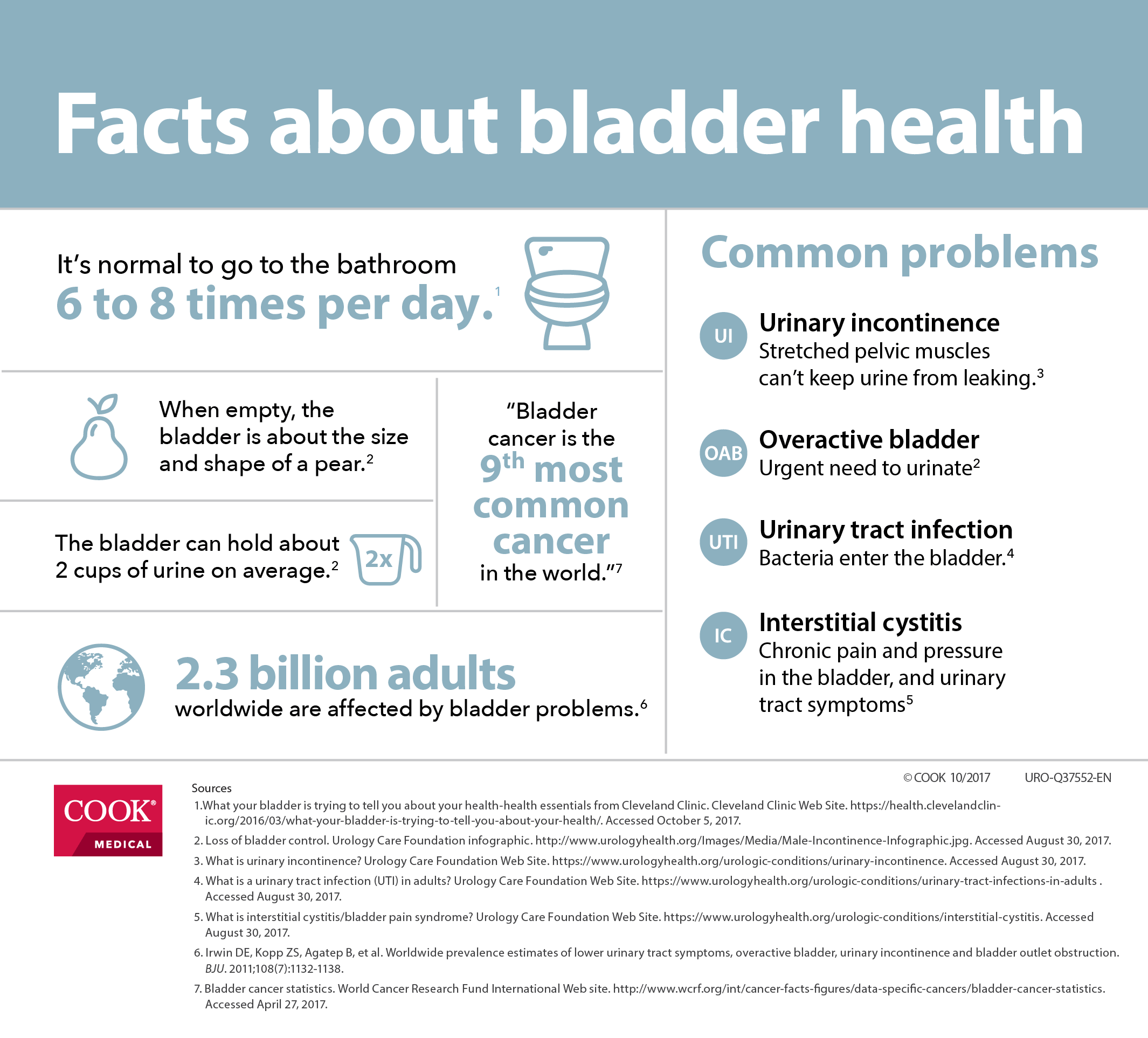
Your bladder is a sac-like organ located in your lower abdomen that stores urine before it is eliminated from the body. Maintaining good bladder health is crucial for avoiding conditions such as urinary incontinence, urinary tract infections, and other bladder-related issues. By following some simple guidelines, you can promote a healthy bladder and improve your quality of life.
How Does the Bladder Work?
The bladder’s main function is to store urine until it’s time to eliminate it from the body. When your bladder fills up, your brain signals that it’s time to urinate, and the bladder contracts to push the urine out through the urethra. The muscles in the bladder and urethra need to work together properly to control the flow of urine and prevent leaks.
Understanding how your bladder works can help you make lifestyle changes to support its function. By practicing good habits and adopting healthy behaviors, you can maintain good bladder health and reduce the risk of bladder-related problems.
Maintaining Good Bladder Habits
Taking care of your bladder involves adopting certain habits that promote its health and function. By making simple changes to your daily routine, you can support your bladder and reduce the risk of developing bladder issues in the future.
Stay Hydrated
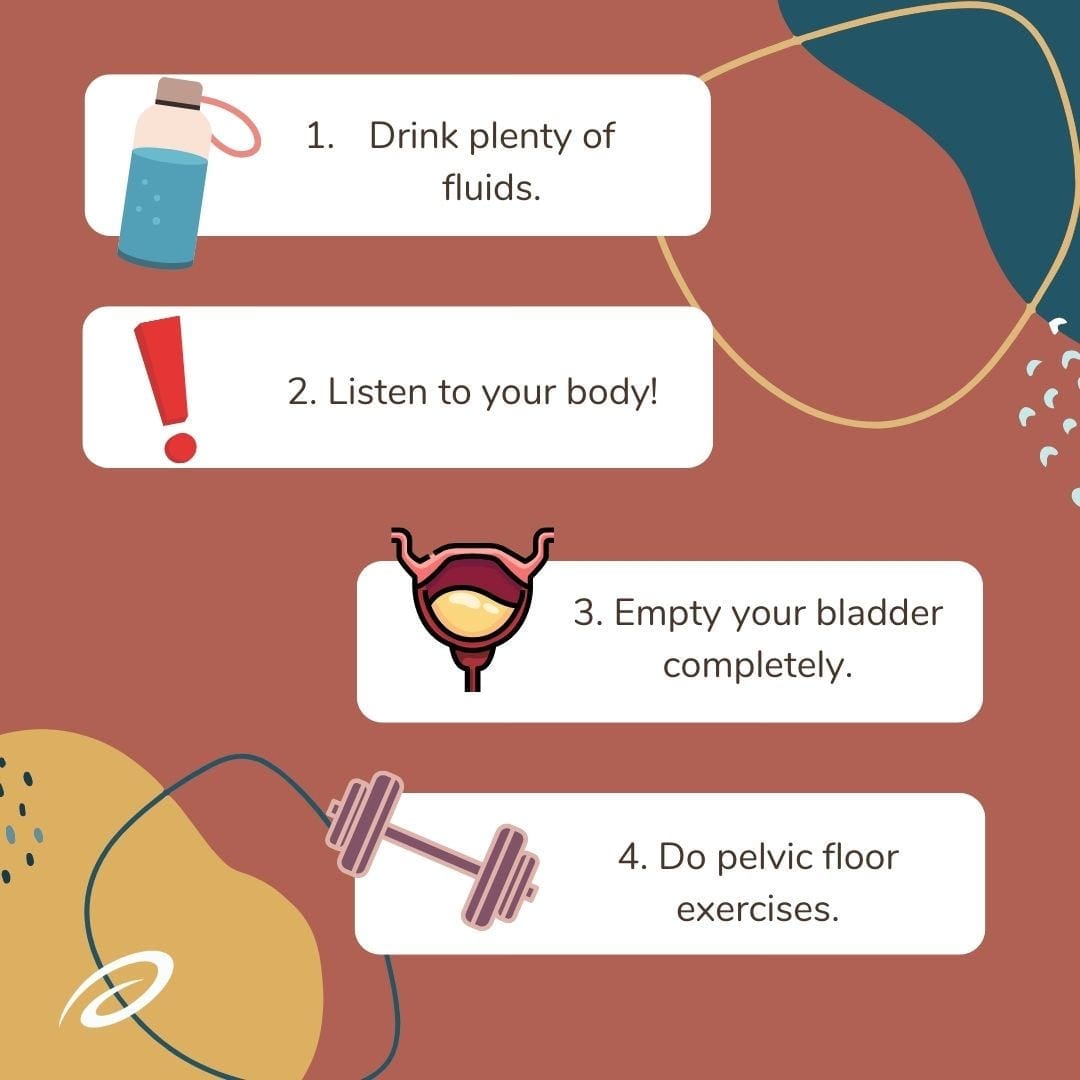
Drinking an adequate amount of water is essential for maintaining good bladder health. Dehydration can lead to concentrated urine, which can irritate the bladder and increase the risk of urinary tract infections. Aim to drink at least 8-10 cups of water a day to keep your bladder healthy and functioning properly.
Remember, everyone’s hydration needs vary, so listen to your body and drink water throughout the day to stay properly hydrated. If you’re unsure about how much water you should be drinking, consult with your healthcare provider for personalized recommendations.
Practice Good Bathroom Habits
Going to the bathroom when you feel the urge is crucial for maintaining good bladder health. Holding in urine for long periods can put unnecessary strain on the bladder muscles and increase the risk of urinary incontinence. Make sure to use the bathroom when you need to and avoid delaying urination if possible.
Additionally, emptying your bladder completely each time you urinate can help prevent urinary tract infections and other bladder issues. Take your time in the bathroom and make sure to relax your pelvic floor muscles to ensure full bladder emptying.
Maintain a Healthy Weight
Being overweight or obese can put extra pressure on your bladder and pelvic floor muscles, increasing the risk of urinary incontinence and other bladder-related problems. Maintaining a healthy weight through diet and exercise can help ease the strain on your bladder and promote good bladder health.
Practice Pelvic Floor Exercises
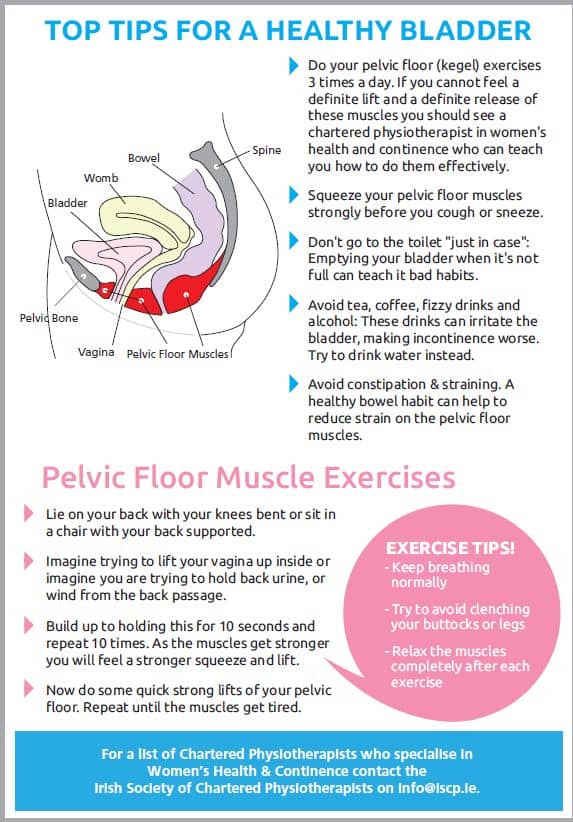
Pelvic floor exercises, also known as Kegel exercises, can help strengthen the muscles that support your bladder and control the flow of urine. By regularly practicing these exercises, you can improve bladder control and reduce the risk of urinary incontinence. To perform Kegels, tighten your pelvic floor muscles as if you’re trying to stop the flow of urine, hold for a few seconds, then release. Repeat this exercise several times a day to strengthen your pelvic floor muscles and support bladder health.
Foods and Drinks for Bladder Health
What you eat and drink can have a significant impact on your bladder health. Certain foods and beverages can irritate the bladder or increase the risk of urinary tract infections, while others can support bladder function and reduce the risk of bladder-related issues. By making smart food choices, you can promote good bladder health and prevent potential problems in the future.
Foods to Avoid
Some foods and drinks can irritate the bladder and trigger bladder-related symptoms such as urgency, frequency, and leakage. If you’re prone to bladder issues, consider limiting or avoiding the following items:
- Spicy foods
- Citrus fruits and juices
- Carbonated beverages
- Caffeine
- Alcohol
- Artificial sweeteners
By moderating your intake of these bladder-irritating foods and drinks, you can reduce the risk of bladder issues and support your bladder health.
Foods to Include
Certain foods can support bladder health and reduce the risk of urinary tract infections. Incorporating these bladder-friendly foods into your diet can help promote good bladder function and prevent potential problems. Some foods that are beneficial for bladder health include:
- Water-rich fruits and vegetables like cucumbers, watermelon, and celery
- Lean proteins such as chicken, fish, and tofu
- Whole grains like brown rice, quinoa, and oats
- Healthy fats from sources like avocados, nuts, and olive oil
- Probiotic-rich foods like yogurt, kefir, and sauerkraut
Including these bladder-friendly foods in your diet can provide essential nutrients that support your bladder health and overall well-being.
Importance of Hydration
Staying hydrated is essential for maintaining good bladder health. Drinking enough water throughout the day helps flush out toxins and bacteria from the bladder, reducing the risk of urinary tract infections and other bladder-related issues. Aim to drink at least 8-10 cups of water a day to keep your bladder functioning properly and support overall urinary health.
Limiting Bladder-Irritating Beverages
Certain beverages can irritate the bladder and exacerbate bladder-related symptoms. If you’re prone to bladder issues, consider limiting or avoiding the following drinks:
- Coffee
- Tea
- Soda
- Energy drinks
- Alcohol
Moderating your intake of these bladder-irritating beverages can help reduce the risk of bladder problems and support good bladder health.
Bladder Health Tips for Women
Women are more likely than men to experience bladder issues due to factors such as pregnancy, childbirth, and hormonal changes. Taking proactive steps to care for your bladder can help prevent common bladder problems like urinary incontinence and urinary tract infections. By following these tips, women can support their bladder health and maintain good urinary function.
Practice Good Bathroom Habits
Avoid holding in urine for prolonged periods, as this can weaken the bladder muscles and increase the risk of urinary incontinence. Always use the bathroom when you feel the urge and make sure to empty your bladder completely each time you urinate. Practicing good bathroom habits can help prevent bladder issues and support overall bladder health.
Stay Active
Engaging in regular physical activity can help strengthen your pelvic floor muscles, which play a crucial role in bladder control. Activities like walking, yoga, and swimming can improve muscle tone and support bladder health. Aim to incorporate at least 30 minutes of exercise into your daily routine to promote good bladder function and reduce the risk of urinary incontinence.
Wear Breathable Clothing
Tight clothing, especially around the waist and pelvic area, can put pressure on the bladder and exacerbate bladder-related symptoms. Opt for loose, breathable clothing made from natural fibers like cotton to reduce irritation and support bladder health. By choosing clothing that allows for proper airflow, you can promote comfort and reduce the risk of bladder issues.
Maintain a Healthy Diet
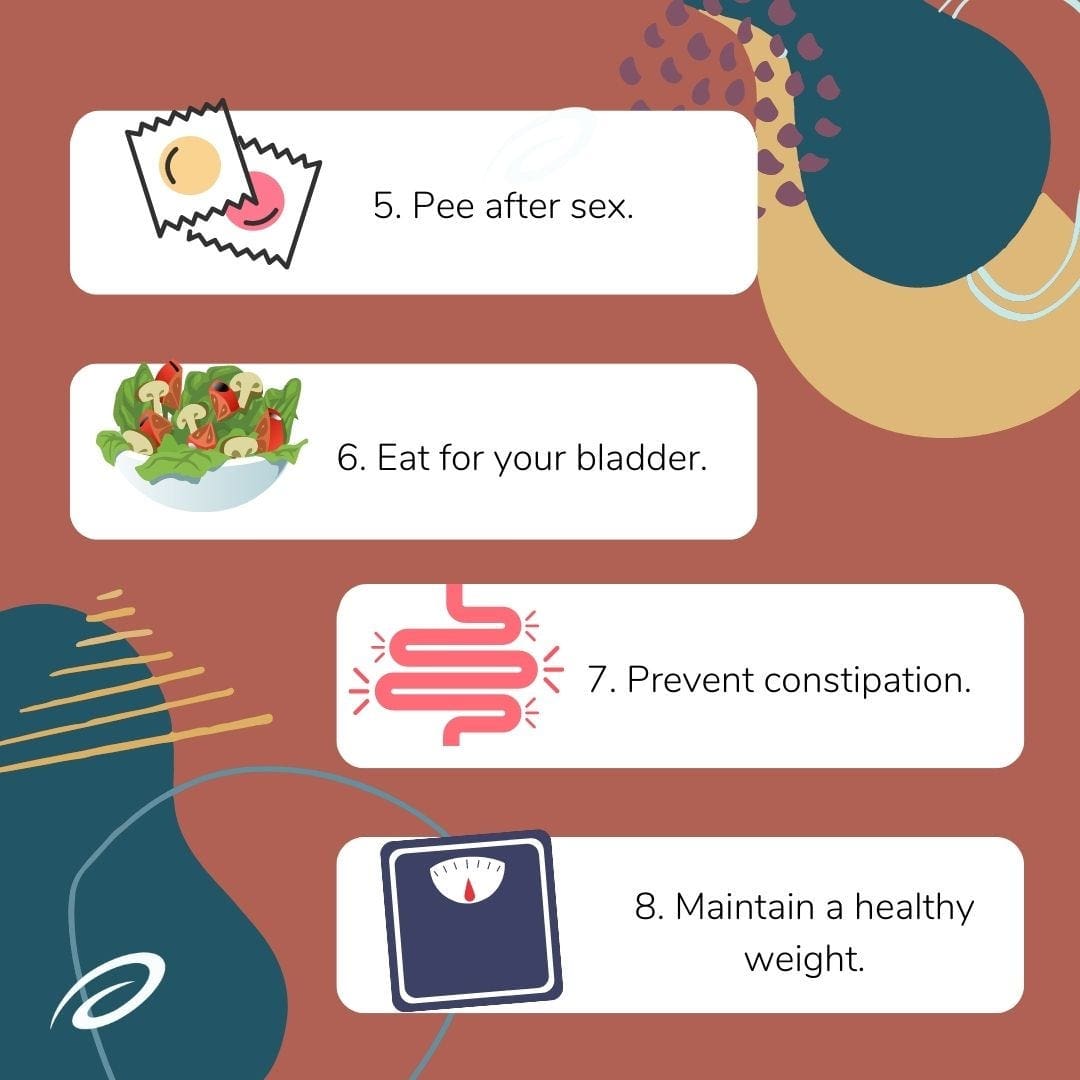
Eating a balanced diet rich in fruits, vegetables, lean proteins, and whole grains can provide essential nutrients that support bladder health. Avoiding bladder-irritating foods like spicy dishes, citrus fruits, and caffeine can help reduce the risk of bladder-related symptoms. By making smart food choices, you can promote good bladder function and prevent potential bladder issues in the future.
Stay Hydrated
Drinking enough water is crucial for maintaining good bladder health. Dehydration can lead to concentrated urine, which can irritate the bladder and increase the risk of urinary tract infections. Aim to drink at least 8-10 cups of water a day to keep your bladder healthy and functioning properly. Remember to listen to your body and drink water throughout the day to stay properly hydrated.
Bladder Health Tips for Men
While men are less likely than women to experience bladder issues, they can still benefit from taking proactive steps to care for their bladder. By following these tips, men can maintain good bladder health and reduce the risk of urinary problems in the future.
Practice Good Bathroom Habits
Avoid holding in urine for prolonged periods, as this can weaken the bladder muscles and increase the risk of urinary incontinence. Always use the bathroom when you feel the urge and make sure to empty your bladder completely each time you urinate. Practicing good bathroom habits can help prevent bladder issues and support overall bladder health.
Maintain a Healthy Weight
Being overweight or obese can put extra pressure on the bladder and increase the risk of urinary incontinence. By adopting healthy eating habits and staying active, men can maintain a healthy weight and support bladder health. Incorporating regular exercise into your routine can help strengthen pelvic floor muscles and improve bladder control.
Limit Alcohol Consumption
Alcohol can irritate the bladder and exacerbate bladder-related symptoms, especially in men with bladder issues. Limiting your alcohol intake can help reduce the risk of bladder problems and support good bladder health. If you choose to drink alcohol, do so in moderation and stay hydrated to minimize its impact on your bladder.
Practice Pelvic Floor Exercises
Strengthening your pelvic floor muscles through exercises like Kegels can improve bladder control and reduce the risk of urinary incontinence. By regularly practicing pelvic floor exercises, men can support their bladder health and maintain good urinary function. To perform Kegels, tighten your pelvic floor muscles as if you’re trying to stop the flow of urine, hold for a few seconds, then release. Repeat this exercise several times a day to strengthen your pelvic floor muscles and support bladder health.
Stay Hydrated
Drinking enough water is crucial for maintaining good bladder health. Dehydration can lead to concentrated urine, which can irritate the bladder and increase the risk of urinary tract infections. Aim to drink at least 8-10 cups of water a day to keep your bladder healthy and functioning properly. Remember to listen to your body and drink water throughout the day to stay properly hydrated.
By following these tips, men can support their bladder health and maintain good urinary function as they age. Taking proactive steps to care for your bladder can help prevent common bladder problems and improve your overall quality of life.

Conclusion
Your bladder health is an important aspect of your overall well-being, and taking care of this vital organ is essential for preventing bladder-related issues. By practicing good habits, adopting healthy behaviors, and making smart lifestyle choices, you can support your bladder and reduce the risk of urinary problems in the future. Remember to stay hydrated, practice good bathroom habits, maintain a healthy weight, and follow a balanced diet to promote good bladder health. By incorporating these best practices into your daily routine, you can keep your bladder functioning properly and enjoy a healthier, more active lifestyle.