
In this article, you will discover an assortment of effective strategies that can help you maintain optimal sexual health. From simple lifestyle changes to regular check-ups, these best practices serve as a comprehensive guide to prevent and address various sexual health problems. Whether you are looking to enhance your sexual well-being or simply want to take proactive measures, this article offers valuable insights that will empower you to prioritize your sexual health. So, let’s explore these best practices and embark on a journey towards a healthier and more satisfying sexual life.

Regular check-ups and screenings
Regular check-ups and screenings are essential for maintaining good sexual health. By getting regular check-ups, you can catch any potential issues early on and address them before they escalate into more serious problems. These check-ups give healthcare professionals the opportunity to assess your overall health, including your reproductive system. Additionally, screenings are important for detecting sexually transmitted infections (STIs). Even if you have no symptoms, STIs can still be present and pose a risk to your health. By regularly getting screened, you can stay informed about your sexual health status and take appropriate measures to protect yourself and your partner(s).
Importance of regular check-ups
Regular check-ups play a crucial role in preventing and managing sexual health problems. During these visits, healthcare professionals can perform various examinations and tests to evaluate your overall health and identify any potential concerns related to your sexual well-being. They may conduct physical examinations, review your medical history, and ask you questions about your sexual activity and lifestyle. These check-ups provide an opportunity for open and honest communication with your healthcare provider, enabling them to provide personalized advice and support. Regular check-ups not only help maintain good sexual health but also contribute to your overall well-being.
Types of screenings for sexual health problems
Screenings for sexual health problems encompass a range of tests and evaluations. These screenings may include testing for common STIs such as chlamydia, gonorrhea, syphilis, and HIV. Depending on your risk factors and sexual activity, your healthcare provider may recommend additional screenings, such as HPV testing or herpes testing. These screenings can often be done through a simple urine test or a blood sample. Regular screenings help identify and diagnose any potential infections or diseases early on, allowing for timely treatment and the prevention of further transmission.
Practicing safe sex
Practicing safe sex is fundamental to maintaining good sexual health. By adopting safe sex practices, you can protect yourself and your partners from the risk of STIs and unintended pregnancies.
Using condoms consistently
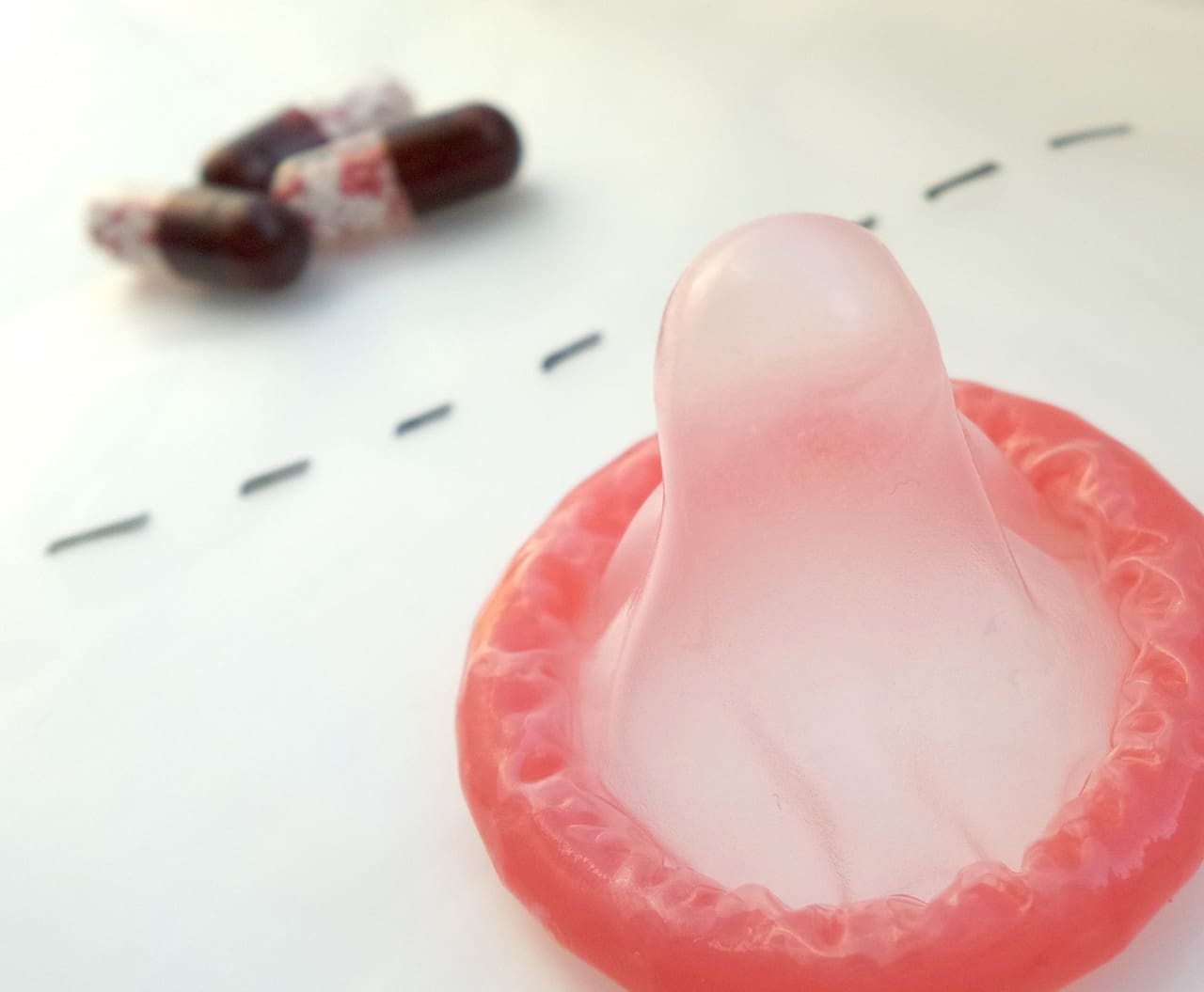
Consistently using condoms during sexual activity is a highly effective method of preventing the transmission of STIs and reducing the risk of unintended pregnancies. Condoms act as a barrier between partners, preventing direct contact with bodily fluids and reducing the chances of infection. When using condoms, it is essential to follow the instructions correctly to ensure their proper usage and effectiveness. Additionally, it is important to use condoms during any type of sexual activity that involves penetration, including vaginal, anal, and oral sex.
Getting vaccinated for sexually transmitted infections
Vaccinations can provide protection against certain STIs. For example, the HPV (human papillomavirus) vaccine can help prevent genital warts and certain types of cancers caused by HPV. The hepatitis B vaccine is another crucial vaccination for preventing the transmission of hepatitis B, which can be sexually transmitted. By consulting with your healthcare provider, you can determine which vaccinations are recommended for you based on your age, sexual activity, and overall health.
Practicing mutual monogamy
Engaging in a mutually monogamous relationship, where both partners are committed to only being sexually active with each other, can significantly reduce the risk of contracting and spreading STIs. However, it is important to note that both partners should be tested for STIs before engaging in a mutually monogamous relationship to ensure a clean slate and ongoing trust. Open and honest communication about sexual history, STI testing, and potential risks is vital in maintaining sexual health within a mutually monogamous relationship.
Maintaining good hygiene
Maintaining good personal hygiene and caring for your genitals are crucial aspects of sexual health. Proper hygiene practices help prevent the development of infections, irritation, and unpleasant odors.
Importance of personal hygiene
Personal hygiene, including regular showering or bathing, is essential for overall health and well-being. It helps remove bacteria and odor-causing substances from the body, keeping the genital area clean and fresh. Proper personal hygiene also contributes to maintaining a positive body image and can help promote feelings of confidence and comfort during intimate moments.
Cleaning and caring for genitals
When washing the genital area, it is important to use mild soap and warm water. Avoid using harsh or scented products, as they can disrupt the natural balance of the vagina or irritate the sensitive genital tissues. Gently wash the external genital area, specifically the vulva in females or the penis and scrotum in males. It is important to avoid harsh scrubbing or excessive washing, as this can lead to irritation or dryness. After washing, thoroughly dry the genital area to prevent the growth of bacteria or fungi in moisture-prone areas.
Avoiding harsh products
Avoid using products that contain harsh chemicals, fragrances, or dyes in the genital area. These can irritate the delicate skin and mucous membranes, leading to discomfort, itching, or infections. Opt for gentle, hypoallergenic products specifically formulated for intimate use. If you experience any unusual symptoms or discomfort, such as itching, redness, or unusual discharge, consult a healthcare professional for further guidance and assessment.
Creating a supportive and open environment
Establishing a supportive and open environment is essential for fostering healthy discussions about sexual health, ensuring emotional support, and encouraging honest communication with partners and healthcare providers.
Promoting honest communication about sexual health
Open and honest communication about sexual health is vital for maintaining healthy relationships and preventing sexual health problems. Encourage open dialogue with your partner(s) about sexual history, STI testing, and contraception methods. By discussing boundaries, desires, and concerns, you can establish a mutual understanding and ensure that both partners feel comfortable and safe in their sexual experiences. If any questions or concerns arise, it is important to address them together and seek guidance from a healthcare professional.
Offering emotional support
Sexual health is not just about physical well-being but also encompasses emotional well-being. Create an environment where emotional support is a priority. Encourage open discussions about feelings related to sexual experiences and address any fears, anxieties, or insecurities that may arise. Emotional support can play a crucial role in reducing stress and promoting a positive sexual health mindset.
Creating a non-judgmental space for discussions
To foster open and honest discussions about sexual health, it is important to create a non-judgmental space where people feel safe to express their thoughts, questions, and concerns. Avoid criticizing or shaming others for their choices, experiences, or beliefs. Instead, promote empathy, understanding, and respect, recognizing that everyone’s sexual health journey is unique.
Educating oneself and others
Continuously educating oneself and others is key to staying informed about sexual health topics, dispelling myths, and promoting accurate knowledge.
Staying informed about sexual health topics
Sexual health is an ever-evolving field, and staying informed about the latest research, developments, and recommendations is important. Stay up to date with trustworthy sources of information, such as reputable websites, medical journals, and healthcare professionals. By staying informed, you can make informed decisions about your sexual health and share accurate knowledge with others.
Sharing knowledge with others
Share your acquired knowledge with friends, family, and peers to promote awareness and understanding of sexual health. Engage in open discussions, answer questions, and provide reliable information. By sharing knowledge, you can contribute to the empowerment and well-being of those around you.
Addressing misconceptions and myths
Sexual health is a topic that often carries various misconceptions and myths. Take it upon yourself to address these misconceptions and promote accurate information. Challenge harmful stereotypes, advocate for inclusive and comprehensive sexual education, and provide evidence-based explanations to dispel myths. By addressing misconceptions, you can help create a more knowledgeable and informed society.
Seeking professional help
Recognizing signs of sexual health problems and seeking professional help when needed is crucial for timely diagnosis and appropriate treatment.
Recognizing signs of sexual health problems
It is important to be aware of potential signs of sexual health problems. These may include unusual discharge, pain during intercourse or urination, genital sores or warts, persistent itching, or changes in menstrual cycles. Paying attention to changes in your body and sexual experiences can help identify potential issues and prompt prompt seeking professional help.
Consulting healthcare professionals
If you experience any concerning symptoms or have ongoing questions or concerns about your sexual health, do not hesitate to consult a healthcare professional. Doctors, nurses, and other healthcare providers specializing in sexual health can evaluate your symptoms, provide appropriate testing, offer personalized advice, and suggest treatment options tailored to your needs. Seeking professional help is an important step in maintaining good sexual health and addressing any issues that arise.
Following treatment plans
If a sexual health problem is diagnosed, it is crucial to adhere to the treatment plan prescribed by your healthcare professional. This may involve taking medications as instructed, attending follow-up appointments, and making necessary lifestyle changes. Following the recommended treatment plan is essential for effectively managing sexual health conditions and preventing complications or recurrent infections.

Maintaining a healthy lifestyle
Maintaining a healthy lifestyle contributes to overall well-being, including sexual health. Incorporate the following habits to promote good sexual health:
Regular exercise and physical activity
Engaging in regular exercise and physical activity can improve blood circulation, boost energy levels, and enhance overall well-being, including sexual health. Physical activity helps maintain healthy weight, promotes cardiovascular health, and reduces the risk of chronic diseases that can impair sexual function. Aim for at least 150 minutes of moderate-intensity aerobic activity or 75 minutes of vigorous-intensity aerobic activity each week.
Healthy diet and nutrition
A nutrient-rich diet plays a crucial role in supporting sexual health. Include a variety of fruits, vegetables, whole grains, lean proteins, and healthy fats in your diet. These foods provide essential vitamins, minerals, and antioxidants that support overall well-being, including sexual function. Additionally, staying hydrated is important for maintaining optimal bodily functions.
Avoiding excessive alcohol and drug use
Excessive alcohol consumption and drug use can have detrimental effects on sexual health. Alcohol and certain drugs can impair judgment, decrease sexual performance, and increase the risk of engaging in risky sexual behaviors. Practice moderation when consuming alcohol and avoid illicit drug use to protect your sexual health and overall well-being.
Managing stress and mental health
Stress and mental health can significantly impact sexual health. It is important to prioritize stress management and seek support when needed.
Understanding the impact of stress on sexual health
Stress can affect sexual desire, arousal, and performance. When stressed, the body produces cortisol and other stress hormones that can interfere with the normal hormonal balance required for a healthy sexual response. Additionally, stress can contribute to relationship issues, body image concerns, and overall well-being, all of which can impact sexual health. Acknowledging the connection between stress and sexual health is an important step in managing both.
Finding healthy coping mechanisms
Finding healthy coping mechanisms for stress is crucial for maintaining good sexual health. Engage in activities that help reduce stress levels, such as exercise, meditation, deep breathing exercises, or engaging in hobbies. Communicate openly with your partner(s) about stressors and work together to develop effective coping strategies. If stress becomes overwhelming, seek support from a mental health professional, such as a therapist or counselor.
Seeking therapy or counseling if needed
If stress, anxiety, depression, or any mental health concerns are affecting your sexual health, do not hesitate to seek therapy or counseling. Mental health professionals can provide guidance, support, and evidence-based interventions to help manage mental health conditions that impact sexual well-being. Remember that seeking help is a sign of strength and can lead to improved overall well-being and sexual satisfaction.
Avoiding risky behaviors
Avoiding risky behaviors is crucial for protecting sexual health and minimizing the risk of STIs and other complications.
Not engaging in unprotected sex with multiple partners
Engaging in unprotected sex with multiple partners significantly increases the risk of contracting and spreading STIs. It is important to use condoms consistently and correctly when engaging in sexual activity with new or multiple partners. Practice safe sex by properly using barriers, such as condoms or dental dams, and consider regular STI testing if you engage in high-risk sexual behaviors.
Avoiding sharing needles or drug paraphernalia
Sharing needles or drug paraphernalia can transmit bloodborne infections such as HIV or Hepatitis C. It is crucial to avoid any form of needle sharing or using second-hand drug paraphernalia to protect your sexual health and prevent the transmission of diseases. If you or someone you know is struggling with substance abuse, seek help from healthcare professionals or support groups specialized in addiction and recovery.
Practicing safe online behaviors
In the digital era, it is important to practice safe online behaviors to protect privacy and prevent the dissemination of intimate photos or information without consent. Avoid sharing explicit content online and be cautious when engaging in online interactions, especially with individuals you do not know well. Protect your personal information and be mindful of the potential risks associated with online platforms, including the potential for coercion, harassment, or non-consensual sharing of intimate materials.
Promoting consent and respect
Promoting consent and respect is fundamental for healthy, consensual, and enjoyable sexual experiences.
Understanding the importance of consent
Consent is a fundamental aspect of any sexual encounter. It requires clear, enthusiastic, and ongoing communication between all parties involved. Consent should be freely given and can be withdrawn at any time. Understanding the importance of consent means respecting the boundaries, desires, and comfort levels of your partner(s) and ensuring that all sexual activity is consensual. Educate yourself and others about the concept of consent to foster a culture of respect and safety in intimate relationships.
Respecting boundaries and personal autonomy
Respecting boundaries and personal autonomy is crucial for maintaining healthy relationships and promoting sexual well-being. Communicate openly with your partner(s) about individual boundaries, desires, and comfort levels. It is important to remember that each person has the right to establish their own boundaries and make decisions about their own body. Respecting and honoring these boundaries fosters trust, consent, and a positive sexual experience for everyone involved.
Challenging harmful attitudes and behaviors
Challenge harmful attitudes and behaviors that perpetuate sexual coercion, harassment, or violence. This includes challenging victim-blaming, shaming, and the normalization of unhealthy power dynamics. Promote and support initiatives that educate people about healthy relationships, consent, and the importance of respecting others’ autonomy. By actively challenging harmful attitudes, you contribute to creating a safer and more respectful society for all.