

Are you tired of feeling dehydrated and sluggish by the afternoon? Look no further! In this article, we will explore the best practices for staying hydrated throughout the day. From simple tips like carrying a water bottle with you wherever you go, to incorporating hydrating foods into your diet, we’ve got you covered. Say goodbye to those mid-afternoon energy crashes and hello to a well-hydrated, energized you!
Drink enough water
Drinking enough water is essential for maintaining your overall health and well-being. Not only does water keep your body hydrated, but it also helps to regulate body temperature, aids in digestion, and flushes out toxins. To ensure that you are getting enough water each day, it is important to calculate your daily water intake, drink water first thing in the morning, keep a water bottle with you at all times, and set reminders to drink water throughout the day.
Calculate your daily water intake
The amount of water you need to drink each day varies based on various factors such as your age, gender, weight, and activity level. A general rule of thumb is to drink at least 8 cups (64 ounces) of water per day. However, you may need more water if you are physically active, live in a hot climate, or are pregnant or breastfeeding. To calculate your daily water intake, divide your weight in pounds by 2. That number is the minimum amount of water you should aim to drink in ounces. For example, if you weigh 150 pounds, you should aim to drink at least 75 ounces of water per day.
Drink water first thing in the morning
Start your day off right by drinking a glass of water first thing in the morning. After a night of sleep, your body is naturally dehydrated, so replenishing your water levels in the morning is crucial. Not only does this help to kickstart your metabolism, but it also hydrates your body and prepares it for the day ahead. Keep a glass of water on your bedside table or in the kitchen to remind yourself to drink it as soon as you wake up.
Keep a water bottle with you at all times
One of the easiest ways to ensure that you drink enough water throughout the day is to keep a water bottle with you at all times. Whether you’re at work, running errands, or exercising, having a water bottle handy will serve as a constant reminder to hydrate. Choose a reusable water bottle that is BPA-free and has a capacity of at least 16 ounces. Fill it up at the beginning of the day and make it a goal to empty it by the end of the day. Refill the bottle as needed to stay hydrated.
Set reminders to drink water throughout the day
In our busy lives, it’s easy to forget to drink enough water. Setting reminders on your phone or computer can be a helpful way to remind yourself to take regular water breaks throughout the day. You can use alarm apps or even calendar notifications to prompt you to drink water at specific intervals. Experiment with different reminder frequencies to find what works best for you. Some people find it helpful to have reminders every hour, while others prefer reminders every two or three hours.
Stay hydrated with infused water
If plain water isn’t your thing, staying hydrated can still be enjoyable by incorporating infused water into your routine. Infused water is made by adding fruits, herbs, and spices to water, infusing it with natural flavors. Not only does infused water taste delicious, but it also provides additional vitamins and minerals. Here are some tips for making and enjoying infused water.
Try different fruit combinations
Get creative with your infused water by trying different fruit combinations. Citrus fruits like lemon, lime, and oranges are popular choices, as they add a refreshing tang to the water. Berries such as strawberries, blueberries, and raspberries are also great options and can add a hint of sweetness. Experiment with different fruits or even mix them together for a burst of flavor. Some popular combinations include strawberry and basil, cucumber and mint, as well as lemon and ginger.
Include herbs and spices for added flavor
To take your infused water to the next level, consider adding herbs and spices for added flavor. Mint leaves are a classic choice and can provide a refreshing taste. Basil, rosemary, and thyme are other herbs that work well in infused water. For a spicy kick, try adding ginger, cinnamon, or cayenne pepper. These herbs and spices not only enhance the taste of the water but also provide additional health benefits.
Make infused water in large batches
To make it easier to incorporate infused water into your daily routine, consider making it in large batches. Prepare a pitcher of infused water and refrigerate it overnight, allowing the flavors to meld together. In the morning, fill up your water bottle with the infused water and take it with you throughout the day. This way, you’ll have a delicious and hydrating beverage ready to go whenever you need it.
Include hydrating foods in your diet
In addition to drinking water, you can also increase your hydration levels by including hydrating foods in your diet. These foods have a high water content and can contribute to your daily fluid intake. By incorporating fruits with high water content, hydrating vegetables, and consuming soups and broths, you can ensure that you stay properly hydrated.
Eat fruits with high water content
Fruits such as watermelon, strawberries, cantaloupe, and grapefruit have a high water content, making them perfect for staying hydrated. These fruits not only provide hydration but also pack a nutritional punch with vitamins, minerals, and antioxidants. Snack on these fruits throughout the day or incorporate them into salads and smoothies for a refreshing and hydrating treat.
Include vegetables that are hydrating
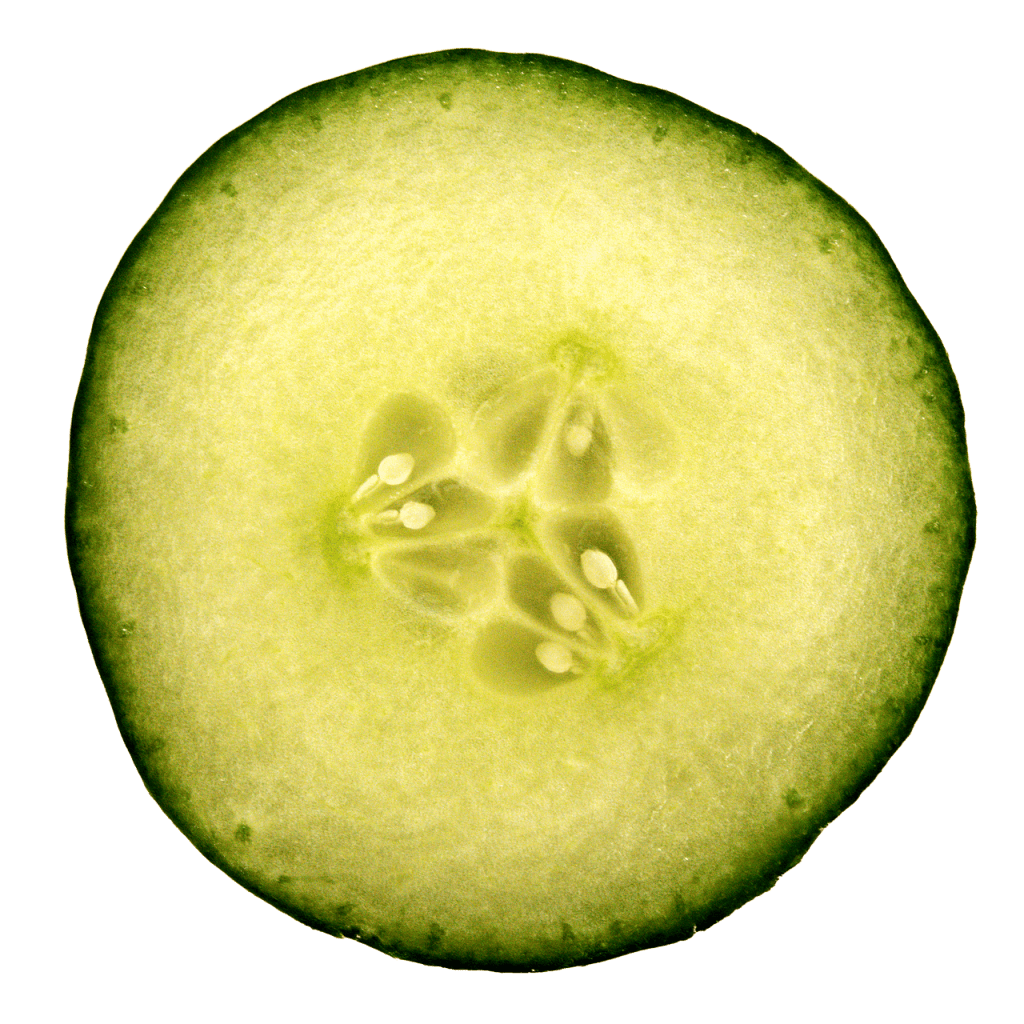
Vegetables are another great source of hydration. Cucumbers, celery, lettuce, and bell peppers are all vegetables with a high water content. Add them to your meals as side dishes or toppings to increase your fluid intake. You can also enjoy them as snacks with hummus or other healthy dips. Including these vegetables in your diet will not only keep you hydrated but also provide you with essential nutrients.
Consume soups and broths
Soups and broths are not only delicious but also hydrating. Whether you opt for a hearty vegetable soup, a light chicken broth, or a comforting bowl of pho, these liquid-based dishes can help increase your hydration levels. Enjoy a bowl of soup as an appetizer or have it as a main course. Look for recipes that use broths or stocks as the base to maximize your hydration.
Limit caffeine and alcohol consumption
While it’s important to stay hydrated, it’s equally important to be mindful of the beverages you consume that may have a dehydrating effect. Caffeine and alcohol are two common culprits that can contribute to dehydration. While you don’t have to completely eliminate these beverages from your diet, it’s a good idea to moderate your consumption and replace some of them with water.
Understand the dehydrating effects of caffeine
Caffeine is a natural diuretic, which means it increases urine production and can lead to dehydration. While a cup or two of coffee in the morning is generally fine, excessive caffeine intake can put you at risk of dehydration. If you are a coffee or tea lover, consider switching to decaffeinated options or opting for herbal teas, which are hydrating and caffeine-free.
Moderate your alcohol intake
Alcohol is another beverage that can dehydrate your body. When you consume alcohol, it interferes with the hormone vasopressin, which is responsible for regulating fluid balance in the body. This leads to increased urine production and can leave you feeling dehydrated. If you choose to drink alcohol, do so in moderation and make sure to drink water alongside alcoholic beverages to stay hydrated.
Replace some caffeinated or alcoholic beverages with water
To combat the dehydrating effects of caffeine and alcohol, try replacing some of these beverages with water. When you have a cup of coffee, follow it up with a glass of water. If you’re going out for drinks, alternate alcoholic beverages with water to stay hydrated. By making these small adjustments in your drinking habits, you can ensure that you are maintaining proper hydration levels.

Monitor your urine color
Using your urine color as an indicator of your hydration levels can be a helpful way to ensure that you are staying hydrated throughout the day. The color of your urine can provide insights into your body’s water balance and give you an indication of whether you need to drink more water or if you’re adequately hydrated.
Use urine color as an indicator of hydration levels
The color of your urine can be an excellent indicator of your hydration levels. Pale yellow or straw-colored urine is a good sign that you are adequately hydrated. On the other hand, dark yellow or amber-colored urine may indicate dehydration and that you need to increase your fluid intake. Pay attention to the color of your urine throughout the day to monitor your hydration levels.
Aim for pale yellow or clear urine
The goal is to aim for pale yellow or clear urine, as this indicates that you are properly hydrated. If your urine is consistently dark or concentrated, it’s a sign that you need to drink more water. Remember that certain factors, such as certain vitamins or medications, can temporarily change the color of your urine. If you’re unsure about your hydration levels, it’s always a good idea to consult with a healthcare professional.
Dark urine may indicate dehydration
If your urine is consistently dark in color, it’s a sign that you may be dehydrated. Dehydration can lead to a host of symptoms, including fatigue, dizziness, and headaches. In severe cases, it can even result in heatstroke or kidney problems. It’s important to take dark urine as a warning sign and increase your fluid intake as soon as possible to rehydrate your body.
Drink water before, during, and after physical activity
Physical activity, whether it’s a rigorous workout or a leisurely walk, can cause you to lose significant amounts of water through sweat. To stay properly hydrated during exercise, it’s essential to drink water before, during, and after physical activity.
Pre-hydrate before starting exercise
Before you start your exercise routine, it’s important to pre-hydrate by drinking water. This helps to ensure that your body is adequately hydrated before you begin to sweat. Aim to drink around 16-20 ounces of water 2-3 hours before exercise. If you’re short on time, drink at least 8 ounces of water immediately before your workout.
Take water breaks during prolonged activity
During prolonged physical activity, it’s important to stay hydrated by taking regular water breaks. Sip on water every 15-20 minutes to replace the fluids lost through sweat. If you’re engaging in vigorous exercise or exercising in hot and humid conditions, you may need to increase your fluid intake to compensate for the increased sweat production. Listen to your body and drink water as needed.
Rehydrate after physical exertion
After your workout or physical activity, it’s crucial to rehydrate your body. Drink water as soon as possible after exercise, ideally within 30 minutes. This helps to replace the fluids lost during your workout and assists in the recovery process. Aim to drink at least 16 ounces of water after exercise to replenish your body’s water levels.

Use hydration apps and smart water bottles
In today’s technology-driven world, there are many apps and gadgets available to help you stay on top of your hydration goals. Hydration apps and smart water bottles can be incredibly useful tools to remind you to drink water and track your water intake.
Download apps that remind you to drink water
Numerous apps are available that send reminders to encourage you to drink water throughout the day. These apps allow you to set specific goals based on your daily water intake. You can customize reminders to fit your schedule and even track your progress. Look for apps that have positive reviews and features that align with your needs. Experiment with different apps to find one that works best for you.
Consider using a smart water bottle with built-in reminders
Smart water bottles are another innovative way to stay on top of your hydration goals. These bottles are equipped with technology that tracks your water intake and sends reminders to drink water. Some smart water bottles even sync with hydration apps to provide a seamless and integrated tracking system. Consider investing in a smart water bottle if you’re looking for a handy tool that takes the guesswork out of staying hydrated.
Track your water intake with the help of technology
Technology can be a valuable tool in helping you track your water intake. By using hydration apps or smart water bottles, you have a convenient way to monitor how much water you are drinking each day. This can be especially helpful if you struggle with remembering to drink water or if you have specific hydration goals. Tracking your water intake allows you to visualize your progress and make adjustments as needed to ensure you stay properly hydrated.
Avoid sugary and caffeinated drinks
When trying to stay hydrated, it’s important to be mindful of the beverages you choose. Sugary and caffeinated drinks can actually dehydrate your body rather than hydrate it. By limiting the consumption of sugary beverages, avoiding energy drinks and sodas, and opting for healthier drink alternatives, you can maintain better hydration levels.
Limit consumption of sugary beverages
Sugary beverages such as soda, sports drinks, and fruit juices may taste delicious, but they can be detrimental to your hydration levels. These drinks are often high in added sugars, which can lead to inflammation and increased urination, ultimately leaving you dehydrated. Choose water or naturally flavored drinks instead of sugary options to keep your body properly hydrated.
Avoid energy drinks and sodas
Energy drinks and sodas should be avoided when trying to stay hydrated. These beverages are loaded with caffeine, sugar, and artificial ingredients, all of which contribute to dehydration. While they may provide a short-term burst of energy, the dehydrating effects outweigh the benefits. Reach for a glass of water or a healthier alternative instead.
Opt for healthier drink alternatives
Instead of reaching for sugary or caffeinated beverages, consider opting for healthier alternatives. Herbal teas, infused water, coconut water, and sparkling water can all be refreshing and hydrating options. If you’re craving something sweet, try blending fruits with water to create your own natural fruit juice. By choosing these healthier drink options, you can satisfy your thirst while maintaining proper hydration.
Create a hydration schedule
Creating a hydration schedule can be a helpful strategy for ensuring that you drink enough water throughout the day. By planning your water intake, setting specific times for drinking water, and staying consistent with your hydration schedule, you can create a habit of staying hydrated.
Plan your water intake throughout the day
Take a few minutes at the beginning of each day to plan your water intake. Consider your schedule and determine when it would be most convenient for you to drink water. Whether it’s first thing in the morning, alongside meals, or during specific breaks, knowing when and how much water you aim to drink can help you stay on track.
Set specific times for drinking water
Rather than relying solely on reminders or prompts, set specific times for drinking water throughout the day. For example, you could plan to drink a glass of water as soon as you wake up, another one mid-morning, one before lunch, one mid-afternoon, one before dinner, and one before bed. By allocating specific times for water intake, it becomes a more intentional part of your routine.
Stay consistent with your hydration schedule
Consistency is key when it comes to staying properly hydrated. Once you have established your hydration schedule, make a commitment to stick to it. Aim to drink water at the predetermined times and hold yourself accountable. Over time, the consistency of your hydration schedule will become a habit that requires little thought or effort.
Be mindful of environmental factors
Environmental factors can significantly affect your hydration levels. It’s important to be mindful of these factors and adjust your water intake accordingly. Whether you’re in hot weather, at high altitudes, or experiencing high humidity, adapting your hydration habits to accommodate these factors is crucial.
Increase water intake during hot weather
When temperatures rise and you find yourself in hot weather, your body sweats more to regulate body temperature. This increased sweat production can lead to dehydration if you’re not careful. In hot weather, it’s essential to increase your water intake by drinking more frequently and consuming larger quantities of water. Carry a water bottle with you when you’re out in the heat and make a conscious effort to stay hydrated.
Stay hydrated at high altitudes
At high altitudes, the air is thinner and drier, which can cause increased fluid loss. Whether you’re hiking in the mountains or skiing down slopes, it’s important to stay hydrated to prevent altitude sickness and dehydration. Increase your water intake when at high altitudes and aim to drink water more frequently. It’s also a good idea to limit caffeine and alcohol consumption, as they can worsen the effects of dehydration.
Consider humidity levels when hydrating
Humidity levels can affect how your body regulates temperature and perspires. In high humidity, your body may struggle to cool down efficiently, leading to increased sweat production and potential dehydration. To combat the effects of humidity, prioritize drinking water and replenishing your body’s fluids regularly. Be aware that you may need to increase your water intake even if you’re not engaging in strenuous physical activity.
By following these best practices for staying hydrated throughout the day, you can ensure that you are maintaining proper hydration levels. Drinking enough water, including hydrating foods in your diet, monitoring your urine color, staying hydrated during physical activity, using hydration apps and smart water bottles, avoiding sugary and caffeinated drinks, creating a hydration schedule, and being mindful of environmental factors will all contribute to your overall hydration and well-being. Remember, staying hydrated is not only crucial for your physical health but also for your mental and emotional well-being. Cheers to a hydrated and healthy you!