
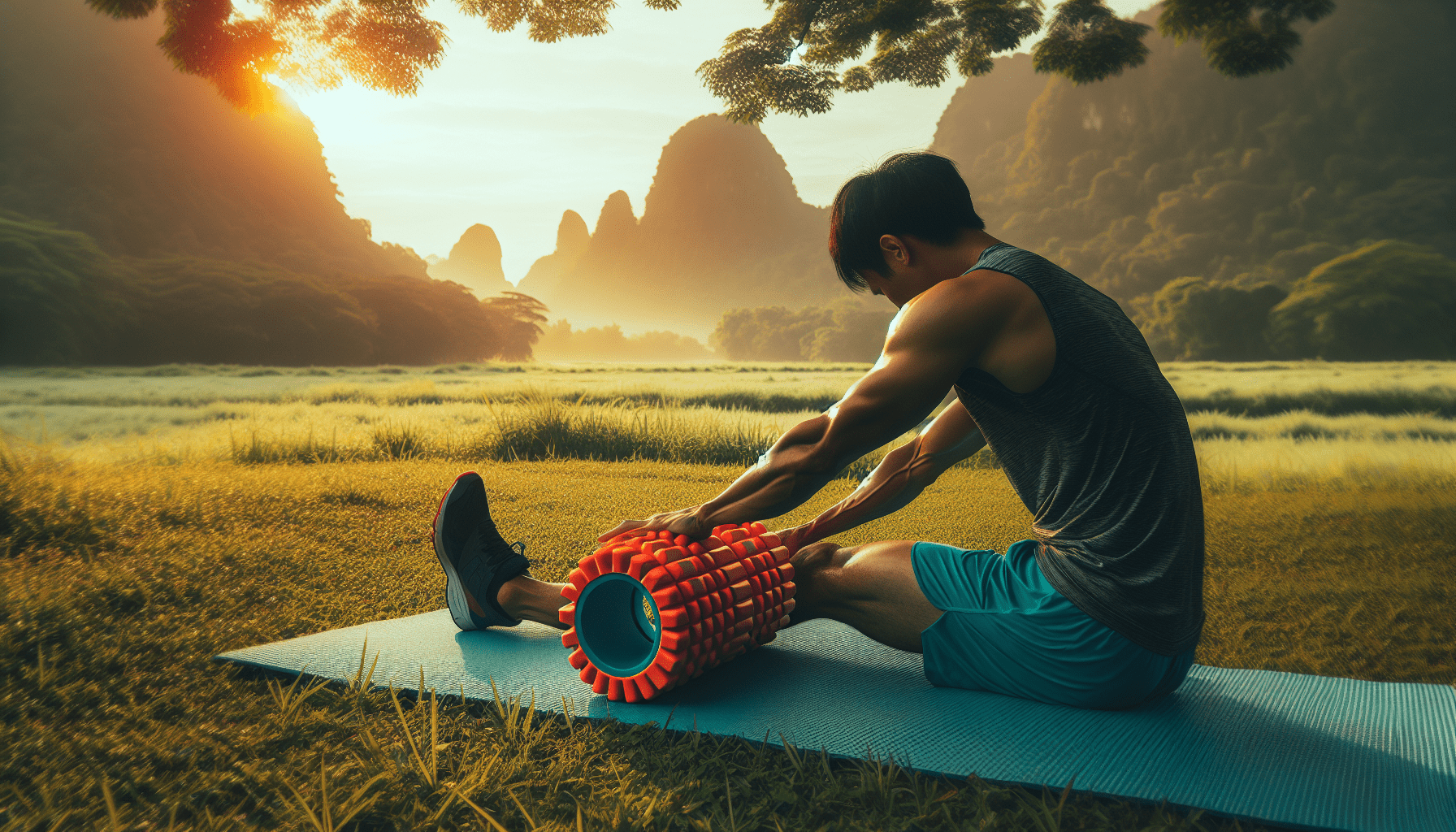
Get ready to learn some of the best pre-workout stretches that will help you prevent injuries during your exercise routine. Whether you’re a seasoned athlete or just starting out, warming up your muscles and increasing your range of motion before a workout is crucial. This article will guide you through a variety of stretches that target different muscle groups, helping you optimize your performance and minimize the risk of injuries. So, grab a mat and let’s get stretching!
Dynamic Stretches
Dynamic stretches are a crucial part of any pre-workout routine as they help to warm up the muscles and improve overall flexibility. These stretches involve moving parts of your body through a full range of motion, preparing your muscles and joints for the upcoming activity. Here are three dynamic stretches that you should include in your warm-up routine:
Arm Circles
Start by standing tall with your feet shoulder-width apart. Extend your arms out to your sides, parallel to the ground. Slowly begin making small circles with your arms, gradually increasing the size of the circles. Continue for about 10-15 seconds in one direction and then reverse the direction for another 10-15 seconds. Arm circles help to loosen up your shoulder joints and improve mobility.
High Knees
Stand with your feet hip-width apart, keeping your arms comfortably at your sides. Begin to jog in place while lifting your knees as high as possible towards your chest. Engage your core and use your arms to help maintain balance. Continue for 30-60 seconds, gradually increasing your speed. High knees help to warm up your hip flexors and improve your running form.
Walking Lunges
Start by standing tall with your feet together. Take a step forward with your right foot, lowering your body into a lunge position with your right knee bent at a 90-degree angle. Push off with your right foot, bringing your left foot forward into the next lunge. Continue walking forward with alternating lunges for about 10-12 steps. Walking lunges target your hip flexors, quadriceps, and glutes while also improving your balance and coordination.
Static Stretches
Static stretches are best performed after your workout or physical activity, as they help to cool down your muscles and improve flexibility. Unlike dynamic stretches, static stretches involve holding a position without movement for a longer duration, typically around 15-30 seconds. Here are three important static stretches that you should include in your post-workout routine:
Calf Stretch
Stand facing a wall, about an arm’s length away. Place your hands on the wall at shoulder height and step your right foot back, keeping it straight with your heel pressed into the ground. Bend your left knee and lean forward, feeling the stretch in your right calf. Hold for 15-30 seconds and then switch sides. Calf stretches are essential for preventing tightness and potential injuries in the lower leg muscles.
Hamstring Stretch
Sit on the ground with both legs extended in front of you. Bend your right knee, placing the sole of your right foot against your inner left thigh. Reach forward towards your toes, maintaining a straight back and keeping your left leg extended. Feel the stretch in the back of your left leg. Hold for 15-30 seconds and then switch sides. Hamstring stretches improve flexibility in the posterior chain and reduce the risk of strains or pulls.
Quad Stretch
Stand tall and lift your right foot towards your glutes, grabbing your ankle or foot with your right hand. Gently pull your foot towards your glutes, feeling the stretch in the front of your right thigh. Maintain a tall posture and engage your core throughout the stretch. Hold for 15-30 seconds and then switch sides. Quad stretches target the large muscles at the front of your thigh, promoting flexibility and preventing muscle imbalances.
Hip Opener Stretches
The hips are a complex joint that plays a significant role in various movements and exercises. Keeping your hip joints flexible is crucial for maintaining proper alignment and preventing potential injuries. Here are three effective hip opener stretches that you should incorporate into your routine:
Hip Flexor Stretch
Kneel down on one knee, placing your right foot in front of you with your knee bent at a 90-degree angle. Keep your left knee on the ground and engage your core. Shift your weight forward, feeling the stretch in the front of your left hip. Hold for 15-30 seconds and then switch sides. Hip flexor stretches target the muscles responsible for hip flexion and help to alleviate tightness from sitting for prolonged periods.
Pigeon Pose
Start in a high plank position, with your hands directly below your shoulders and your fingers spread wide. Bring your right knee towards your right wrist and lower your right shin towards the ground, placing your right foot close to your left hip. Extend your left leg behind you, keeping it straight. Lower your upper body towards the ground, resting your forearms or forehead on the floor. Feel the stretch in your right glute and hip. Hold for 15-30 seconds and then switch sides. Pigeon pose is a fantastic stretch for the hips, targeting the glutes and hip rotators.
Butterfly Stretch
Sit on the floor with your knees bent and the soles of your feet together, forming a diamond shape with your legs. Use your hands to gently press your knees towards the ground, feeling the stretch in your inner thighs. Sit tall and engage your core throughout the stretch. Hold for 15-30 seconds. The butterfly stretch relaxes tight muscles in the inner thighs and helps to improve overall hip mobility.
Back Stretches
The muscles in your back play a crucial role in maintaining proper posture and supporting your spine. Incorporating back stretches into your routine can help alleviate tension and prevent discomfort. Here are three back stretches that you should include:
Cat-Camel Stretch
Start on all fours with your hands directly below your shoulders and your knees below your hips. Begin by arching your back towards the ceiling, letting your head drop down and tucking your tailbone. Hold this position for a few seconds. Then, reverse the movement by lifting your head, lowering your back, and sticking your tailbone out. Alternate between the two positions, flowing from one to the other. The cat-camel stretch helps to loosen up your spine and increase its flexibility.
Child’s Pose
Start on your hands and knees, then sit back onto your heels. Extend your arms forward, reaching as far as you can while keeping your palms flat on the ground. Rest your forehead on the floor and relax your entire body, allowing gravity to gently stretch your lower back. Hold the position for 15-30 seconds. Child’s pose is a restorative stretch that stretches the muscles of your lower back and releases tension.
Spinal Twist
Lie down on your back with your arms extended out to your sides, forming a T-shape. Bend your knees and lift your feet off the ground, bringing them to a 90-degree angle. Slowly lower your legs to one side, aiming to touch your knees to the ground while keeping your upper body in contact with the floor. Hold for 15-30 seconds, then switch sides. The spinal twist stretch increases the flexibility of your spine and helps to release tension in the lower back.
Shoulder Stretches
Shoulder stretches are essential for maintaining mobility in this complex joint and preventing muscle imbalances. Since the shoulders are involved in various upper body movements, it is crucial to take care of them properly. Here are three effective shoulder stretches that you should incorporate into your routine:
Shoulder Rolls
Stand tall with your feet shoulder-width apart and relax your arms at your sides. Lift your shoulders towards your ears, then roll them back, squeezing your shoulder blades together. Continue the movement by rolling your shoulders down and forward, completing a full circle. Repeat this movement for 10-15 seconds in one direction and then reverse. Shoulder rolls help to warm up the shoulder joints and improve mobility.
Cross-Body Arm Stretch
Stand or sit tall with your feet shoulder-width apart. Extend your right arm across your chest, keeping it straight. Use your left hand to gently pull your right arm closer to your body, feeling the stretch in your shoulder. Hold for 15-30 seconds and then switch sides. Cross-body arm stretches target the muscles in the back of your shoulder and help to improve flexibility and range of motion.
Wall Angel
Stand tall with your back against a wall, keeping your feet about six inches away. Place your hands against the wall at shoulder height, with your elbows bent to 90 degrees. Slowly slide your arms up, keeping contact with the wall, until your elbows are level with your shoulders. Pause for a moment and then slide your arms back down to the starting position. Repeat this movement 10-15 times. Wall angel is an excellent exercise for improving shoulder mobility and posture.
Chest Stretches
With so many daily activities involving forward movements, it is important to counterbalance those actions by stretching the muscles in your chest. Stretching the chest muscles helps to improve posture, reduce tightness, and prevent rounded shoulders. Here are three chest stretches that you should incorporate into your routine:
Doorway Chest Stretch
Stand in a doorway with your forearms resting against the door frame, elbows bent at a 90-degree angle. Step forward with one leg, feeling the stretch in your chest muscles. Hold for 15-30 seconds and then switch sides. The doorway chest stretch effectively targets the pectoral muscles and aids in improving posture.
Cobra Pose
Lie down on your stomach with your palms flat on the ground, next to your shoulders. Press through your hands, lifting your upper body off the ground while keeping your hips and legs on the floor. Hold for 15-30 seconds, focusing on opening up your chest and stretching the muscles in your upper back. Cobra pose is a great exercise for opening up your chest and strengthening your back muscles.
Thread the Needle Stretch
Start on all fours in a tabletop position. Reach your right arm underneath your left arm, sliding it along the ground until your right shoulder and side of the head are resting on the floor. Allow your left hand to reach out in front of you, feeling the stretch in your right shoulder and upper back. Hold for 15-30 seconds and then switch sides. The thread the needle stretch targets the muscles in your upper back and shoulders, helping to alleviate tension and improve mobility.
Neck Stretches
Neck stretches are often overlooked but are essential for releasing tension and maintaining neck mobility. Spending long hours in front of a computer or looking down at your phone can cause tightness and discomfort in the neck muscles. Here are three neck stretches that you can do to relieve tension:
Neck Circles
Stand or sit tall with your shoulders relaxed. Slowly tilt your head to one side, bringing your ear towards your shoulder. Continue the movement by rolling your head forward, tucking your chin to your chest, and then lifting it up towards the other shoulder. Complete the circle by bringing your head back to the starting position. Perform five circles in one direction and then reverse. Neck circles help to release tension in the neck muscles and improve range of motion.
Chin Tucks
Stand or sit tall with your shoulders relaxed. Gently draw your chin in towards your chest, feeling the stretch in the back of your neck. Hold for a few seconds, then slowly lift your head back up to the starting position. Repeat this movement 5-10 times. Chin tucks are excellent for strengthening the muscles that maintain proper alignment of the neck and improving posture.
Scalene Stretch
Sit or stand tall with your shoulders relaxed. Reach your right arm overhead and place your right hand on the left side of your head, gently pulling your head towards your right shoulder while maintaining an upright posture. Feel the stretch in the left side of your neck. Hold for 15-30 seconds and then switch sides. The scalene stretch targets the muscles on the sides of your neck and helps to alleviate tension and reduce discomfort.
Wrist and Forearm Stretches
If you spend a lot of time at a computer or perform repetitive hand movements, stretching your wrists and forearms is crucial in preventing injuries such as carpal tunnel syndrome. Here are three stretches that you can do to keep your wrists and forearms flexible:
Wrist Stretches
Extend your right arm in front of you, palm facing up. Take your left hand and gently press down on your right hand towards the ground, feeling the stretch in your wrist and forearm. Hold for 15-30 seconds and then switch sides. Wrist stretches help to alleviate tightness and improve mobility in the wrists.
Forearm Stretches
Extend your right arm in front of you, palm facing down. Use your left hand to pull your right fingers back towards your body until you feel the stretch in your forearm. Hold for 15-30 seconds and then switch sides. Forearm stretches target the muscles in the forearm, promoting flexibility and reducing the risk of strains or overuse injuries.
Finger and Thumb Stretches
Extend your right arm in front of you, palm facing up. Use your left hand to gently pull back on each finger, stretching them individually. Hold each stretch for a few seconds and then release. Repeat with your thumb. Finger and thumb stretches help to keep the muscles and tendons of your hands flexible and reduce the risk of hand-related injuries.
Ankle and Foot Stretches
Our ankles and feet bear the weight of our bodies and provide stability for various activities. Stretching these areas can help improve flexibility, prevent injuries, and relieve foot and ankle pain. Here are three stretches that you can do:
Ankle Circles
Sit tall on a chair or on the ground with your legs extended in front of you. Lift your right foot off the ground and begin to rotate your ankle in a circular motion. Perform 10-15 circles in one direction and then reverse. Switch to your left foot and repeat. Ankle circles help to improve mobility and flexibility in the ankle joint.
Toe Curls
Sit tall on a chair or on the ground with your legs extended in front of you. Place a small towel on the ground in front of you. Use your toes to scrunch up the towel, curling them towards the sole of your foot. Release and repeat for 10-15 reps. Toe curls help to strengthen the muscles in your feet and promote flexibility in the toes.
Plantar Fascia Stretch
Sit on the edge of a chair or stand facing a wall. Place the arch of your right foot against the wall or a rolled-up towel, keeping your heel on the ground. Gently lean forward, feeling the stretch along the bottom of your foot. Hold for 15-30 seconds and then switch sides. Plantar fascia stretches target the muscles and connective tissue on the bottom of your foot, preventing and relieving plantar fasciitis.
Full Body Stretches
Full body stretches are a great way to improve overall flexibility, increase blood flow, and prepare your body for physical activity. These stretches engage multiple muscle groups and help to promote balance and coordination. Here are three full body stretches that you should consider incorporating into your routine:
Downward Dog
Start in a high plank position with your hands directly below your shoulders and your feet hip-width apart. Push your hips up towards the ceiling, pressing your heels into the ground. Keep your arms and legs straight, forming an inverted V-shape with your body. Feel the stretch from your hands all the way down to your calves. Hold for 15-30 seconds. Downward dog is a fantastic stretch for the entire body, targeting the shoulders, hamstrings, calves, and even the upper back.
Sun Salutations
Stand tall with your feet hip-width apart. Inhale, reaching your arms up towards the ceiling. As you exhale, fold forward, bringing your hands to the ground or resting them on your shins. Inhale, lifting halfway up, extending your spine. Exhale, fold forward again, releasing any tension. Inhale, reverse the movement, reaching your arms up towards the ceiling and returning to an upright position. Sun salutations are a sequence of movements that help to warm up the entire body, providing a full-body stretch.
Standing Forward Bend
Stand tall with your feet hip-width apart. Exhale, slowly hinge at the hips and fold forward, reaching towards your feet. If you can, place your hands on the ground or grab onto your ankles or shins. Allow your head and neck to relax, feeling the stretch in your hamstrings and lower back. Hold for 15-30 seconds. Standing forward bend is a gentle movement that stretches the entire back of your body, promoting flexibility and relaxation.
In conclusion, incorporating pre-workout stretches into your exercise routine is essential for injury prevention and improving performance. Dynamic stretches help to warm up the muscles and prepare them for physical activity, while static stretches cool down the muscles and improve flexibility. Additionally, focusing on specific areas such as the hips, back, shoulders, chest, neck, wrists and forearms, ankles and feet, and performing full body stretches can help target different muscle groups and increase overall flexibility. Remember to listen to your body, stretch within your comfort zone, and consult with a healthcare professional if you have any concerns or pre-existing conditions. So, grab your exercise mat, set aside a few extra minutes for stretching, and start incorporating these stretches into your routine to help enhance your workouts and protect yourself from injuries. Happy stretching!