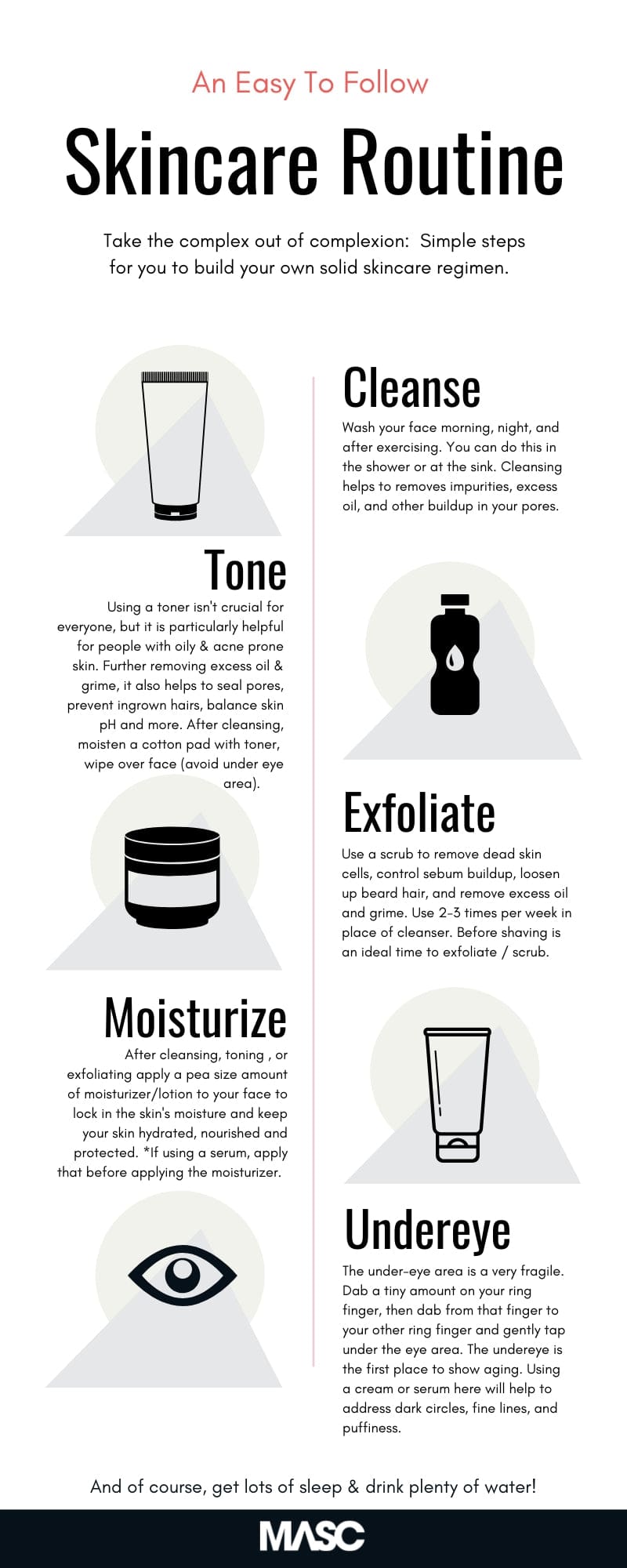
Hey there! Looking to up your skincare game? Well, look no further because we’ve got the ultimate guide to the best skincare regimen for men. Taking care of your skin shouldn’t be exclusive to just the ladies. By following these simple steps, you can achieve healthier, smoother, and more vibrant skin. So, ditch the old soap and water routine and get ready to give your skin the pampering it deserves. From cleansing and exfoliating to moisturizing and protecting, we’ve got you covered. Let’s dive right in!
1. Determine Skin Type
Know your skin type
Before starting a skincare regimen, it is essential to determine your skin type. Knowing your skin type will help you choose the right products and treatments that cater to your specific needs. The most common skin types are oily, dry, normal, and combination. Oily skin tends to produce excess oil, while dry skin lacks moisture. Normal skin is generally well-balanced, and combination skin is a blend of dry and oily areas. Take note of how your skin feels throughout the day to understand your skin type better.
Consult a dermatologist if unsure
If you’re unsure about your skin type or need professional guidance, it’s always a good idea to consult a dermatologist. A dermatologist can analyze your skin and provide personalized recommendations based on your specific concerns. They can also identify any underlying skin conditions that may require special attention. Seeking the advice of a dermatologist can help ensure that you create a skincare routine that is effective and tailored to your needs.
2. Cleansing
Choose the right cleanser
Cleansing is a crucial step in any skincare routine. It helps remove dirt, oil, and impurities from the skin, keeping it clean and healthy. However, it is essential to choose a cleanser that suits your skin type. For oily skin, opt for a gel or foaming cleanser that can effectively remove excess oil. Dry skin benefits from a creamy or hydrating cleanser to avoid stripping away essential moisture. Normal or combination skin types can use a gentle cleanser that maintains the skin’s natural balance.
Wash face twice a day
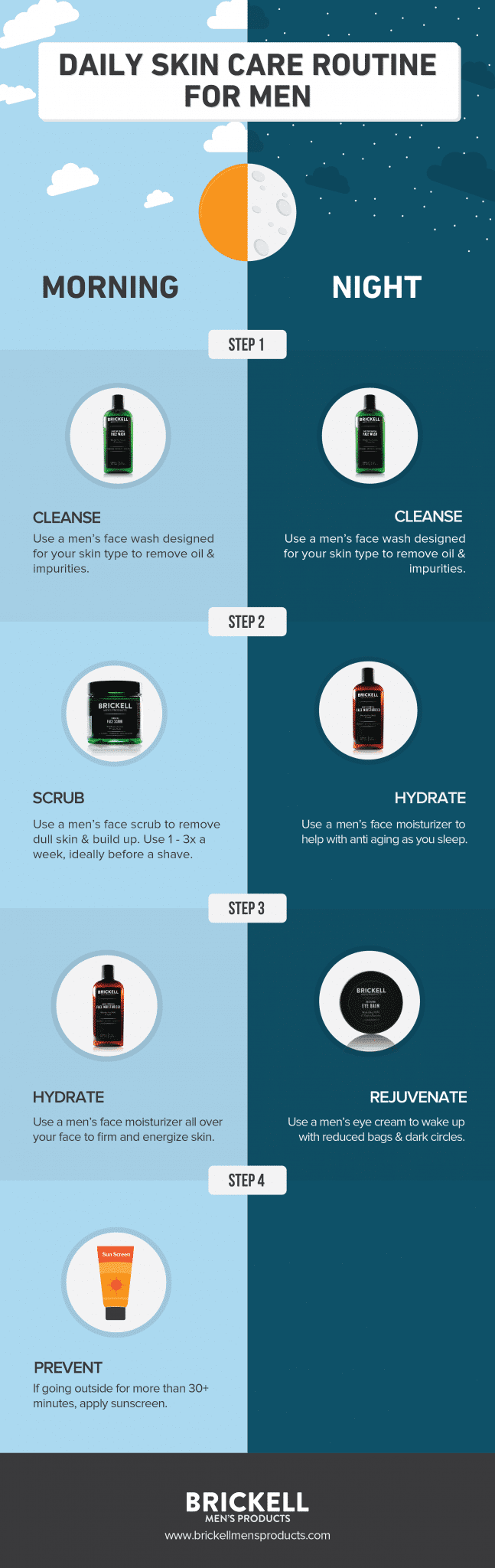
To maintain skin cleanliness, it is recommended to wash your face twice a day – once in the morning and once in the evening. Washing your face in the morning helps remove any impurities accumulated overnight, while cleansing in the evening removes dirt, oil, and pollution buildup from the day. Gently massage the cleanser onto damp skin, focusing on the T-zone and any areas prone to breakouts. Rinse thoroughly with lukewarm water to ensure all cleanser residue is removed.
Avoid harsh soaps
While it may be tempting to use regular soap for cleansing, it is best to avoid harsh soaps as they can strip the skin of its natural oils and cause dryness and irritation. Look for cleansers that are specifically formulated for the face and are free from harsh ingredients such as sulfates and fragrances. These gentle cleansers will effectively clean the skin without disrupting its natural moisture balance.
3. Exfoliation
Importance of exfoliating
Exfoliating is a crucial step in any skincare routine as it helps remove dead skin cells, unclogs pores, and reveals a fresh layer of skin. Regular exfoliation leaves the skin smoother and brighter, promoting a more youthful appearance. It also allows other skincare products to penetrate more effectively, maximizing their benefits. However, it is important to exfoliate in moderation and choose gentle exfoliators to avoid damaging the skin.
Select a gentle exfoliator
When selecting an exfoliator, opt for a gentle formulation that suits your skin type. For oily or acne-prone skin, look for chemical exfoliants containing ingredients like salicylic acid or glycolic acid. These exfoliants penetrate the pores and help control oil production. Individuals with sensitive skin should choose a physical exfoliator with gentle scrubs or enzymatic exfoliators that dissolve dead skin cells without causing irritation. Remember to read the product labels carefully and avoid exfoliating on inflamed or broken skin.
Exfoliate twice a week
While exfoliating is beneficial for the skin, it is important not to overdo it. Excessive exfoliation can lead to dryness, redness, and irritation. To achieve the best results, exfoliate your skin twice a week. This frequency allows enough time for the skin to regenerate between exfoliation sessions. Apply the exfoliator onto damp skin and gently massage in circular motions. Rinse thoroughly, and follow with a moisturizer to replenish the skin’s hydration levels.
4. Moisturizing
Find a suitable moisturizer
Moisturizing is an essential step in any skincare routine as it helps keep the skin hydrated, soft, and supple. Regardless of your skin type, using a moisturizer is crucial to maintain a healthy skin barrier. Look for a moisturizer that suits your specific skin needs – whether you have oily, dry, normal, or combination skin. For oily skin, opt for oil-free or lightweight moisturizers, while dry skin benefits from richer, more hydrating formulations. Combination and normal skin types can opt for a moisturizer that strikes a balance between hydration and oil control.
Apply moisturizer daily
To reap the maximum benefits of a moisturizer, make it a habit to apply it daily. After cleansing and toning your skin, take a small amount of moisturizer and gently massage it onto your face and neck. Focus on areas that tend to be drier, such as the cheeks and forehead. Don’t forget to extend the moisturizer down to your neck, as the skin in that area is delicate and prone to dryness as well. Regular moisturization helps maintain the skin’s moisture balance and prevents dehydration.
Use products with SPF for daytime
In addition to regular moisturization, it is important to protect your skin from the harmful effects of the sun. UV rays can cause premature aging, sunburn, and even skin cancer. To shield your skin, choose moisturizers that have added sun protection factor (SPF). Look for a broad-spectrum sunscreen with an SPF of at least 30, and apply it as the last step of your morning skincare routine. Incorporating SPF into your daily skincare routine is an easy and effective way to prevent sun damage and maintain healthy, youthful-looking skin.

5. Sun Protection
Apply sunscreen daily
Sunscreen is a crucial step in sun protection, and it should be a part of your daily skincare routine. Even on cloudy days or during the winter months, UV rays can still penetrate the skin and cause damage. Applying sunscreen helps shield the skin from both UVA and UVB rays, which can lead to sunburn, premature aging, and skin cancer. Choose a broad-spectrum sunscreen that offers protection against both UVA and UVB rays.
Choose a broad-spectrum sunscreen
Broad-spectrum sunscreens protect your skin from both UVA and UVB rays. UVA rays are responsible for premature aging, while UVB rays cause sunburn. By choosing a broad-spectrum sunscreen, you ensure that you are safeguarded against both types of harmful rays. Look for sunscreens labeled “broad-spectrum” and with an SPF of at least 30 or higher for optimal protection.
Reapply every two hours
Remember to reapply sunscreen every two hours, especially if you are outdoors or engaging in activities that make you sweat. Even water-resistant sunscreens can wear off over time, so it’s important to maintain adequate protection. Carry a travel-sized sunscreen with you for easy reapplication throughout the day. If you have sensitive skin or are prone to breakouts, look for sunscreens that are non-comedogenic or specifically formulated for the face.
6. Shaving
Prepare the skin before shaving
Proper preparation before shaving can help prevent irritation, razor burn, and ingrown hairs. Before grabbing your razor, make sure your skin is well-prepared. Start by cleansing your face to remove any dirt or excess oil. Then, apply a warm towel or use a pre-shave exfoliant to soften the facial hair and open up the hair follicles. This process makes shaving smoother and reduces the risk of skin irritation.
Use a sharp and clean razor
Using a sharp and clean razor is crucial for a smooth and comfortable shaving experience. Dull blades can tug at the hair, causing irritation and ingrown hairs. It is recommended to replace your razor blades every five to seven shaves or as soon as they start feeling dull. Additionally, make sure to rinse the blade thoroughly after each stroke to remove any hair or shaving cream buildup.
Apply aftershave or moisturizer post-shave
After shaving, it is important to soothe the skin and replenish moisture. Splash your face with cold water to close the pores and then apply an aftershave or moisturizer specifically formulated for post-shave care. Look for products that are alcohol-free and contain soothing ingredients like aloe vera or chamomile. These ingredients help calm the skin and reduce any redness or irritation caused by shaving.

7. Eye Care
Use an eye cream or serum
The skin around the eyes is delicate and prone to dryness and fine lines. Incorporating an eye cream or serum into your skincare routine can help nourish and protect this delicate area. Look for eye products that are specifically formulated for men and target concerns such as dark circles, puffiness, and fine lines. Use your ring finger to gently pat the eye cream or serum around the orbital bone, avoiding direct contact with the eyes.
Gently massage the eye area
Massaging the eye area can help improve blood circulation and reduce puffiness. Using your ring finger, start from the inner corner of the eye and gently tap or massage in small circular motions towards the outer corner. Be mindful of the pressure applied and avoid any dragging or pulling that could cause damage to the delicate skin.
Protect eyes from sun damage
Just like the rest of your face, the skin around the eyes is also susceptible to sun damage. Sunscreen alone may not offer sufficient protection for this delicate area, so it’s essential to wear sunglasses that provide UV protection. Opt for sunglasses labeled with 100% UVA and UVB protection to shield your eyes and the surrounding skin from harmful rays. This simple step can help prevent premature aging and protect against conditions like cataracts and macular degeneration.
8. Hydration
Drink plenty of water
Hydration plays a significant role in maintaining healthy skin. Make sure to drink plenty of water throughout the day to keep your skin hydrated from within. Dehydrated skin can appear dull and dry, while well-hydrated skin has a vibrant and youthful appearance. Aim to drink at least eight glasses of water every day and increase your intake during hot weather or after physical activity.
Avoid excessive alcohol and caffeine consumption
While staying hydrated is important, it’s equally crucial to avoid excessive alcohol and caffeine consumption. Both alcohol and caffeine can dehydrate the body and, consequently, the skin. If you do consume alcoholic or caffeinated beverages, try to balance them by drinking additional water to offset the dehydrating effects. Remember, moderation is key when it comes to maintaining optimal skin hydration.

9. Diet and Lifestyle
Eat a balanced diet
Your diet significantly impacts the health of your skin. Consuming a balanced diet rich in fruits, vegetables, whole grains, and lean proteins provides essential nutrients that nourish the skin from within. Antioxidant-rich foods, such as berries, leafy greens, and green tea, help fight free radicals and promote healthy skin. Avoid excessive consumption of processed foods, sugary snacks, and greasy fast food, as they can contribute to skin issues like acne and inflammation.
Exercise regularly
Regular exercise not only benefits your body but also your skin. Physical activity increases blood flow, delivering oxygen and vital nutrients to the skin cells. This enhanced circulation helps promote a healthy complexion and gives your skin a natural glow. Aim to incorporate at least 30 minutes of moderate-intensity exercise into your daily routine. Whether it’s jogging, swimming, cycling, or practicing yoga, find an activity you enjoy to make exercise an enjoyable part of your skincare regimen.
Get enough sleep
A good night’s sleep is essential for overall well-being, including the health of your skin. During sleep, the body repairs and rejuvenates itself, including the skin cells. Lack of sleep can lead to dull and fatigued-looking skin, dark circles, and even breakouts. Strive for 7-9 hours of quality sleep each night to allow your skin to regenerate, resulting in a refreshed and radiant complexion. Establish a consistent sleep routine by creating a calming environment, limiting screen time before bed, and practicing relaxation techniques if necessary.
10. Regular Dermatologist Check-ups
Schedule routine skin check-ups
Regular visits to the dermatologist are crucial for maintaining healthy skin and addressing any specific concerns or issues. Schedule routine check-ups every six to twelve months, depending on your dermatologist’s recommendations. During these appointments, the dermatologist will examine your skin for signs of skin cancer, evaluate any existing skin conditions, and provide guidance on skincare treatments and products suitable for your specific needs.
Address any concerns or issues
Dermatologists are experts in diagnosing and treating various skin concerns. If you have any specific concerns such as acne, dryness, rosacea, or signs of premature aging, it’s essential to discuss them with your dermatologist. They can provide personalized recommendations and prescribe medication or treatment options that may be necessary to address your skin concerns effectively. Regular communication with your dermatologist ensures that you are taking the right steps to maintain healthy and radiant skin.
In conclusion, establishing a consistent and comprehensive skincare regimen is crucial for maintaining healthy and youthful-looking skin. By determining your skin type, choosing the right products, and following the recommended steps for cleansing, exfoliating, moisturizing, and sun protection, you can achieve optimal skincare results. Additionally, incorporating practices such as proper shaving techniques, eye care, hydration, a balanced diet, regular exercise, and sufficient sleep further contribute to your overall skin health. Lastly, don’t forget the importance of regular dermatologist check-ups to ensure your skin remains in its best condition and to address any specific concerns or issues that may arise. With dedication and care, you can achieve the best skincare regimen for men and enjoy healthy, vibrant skin.