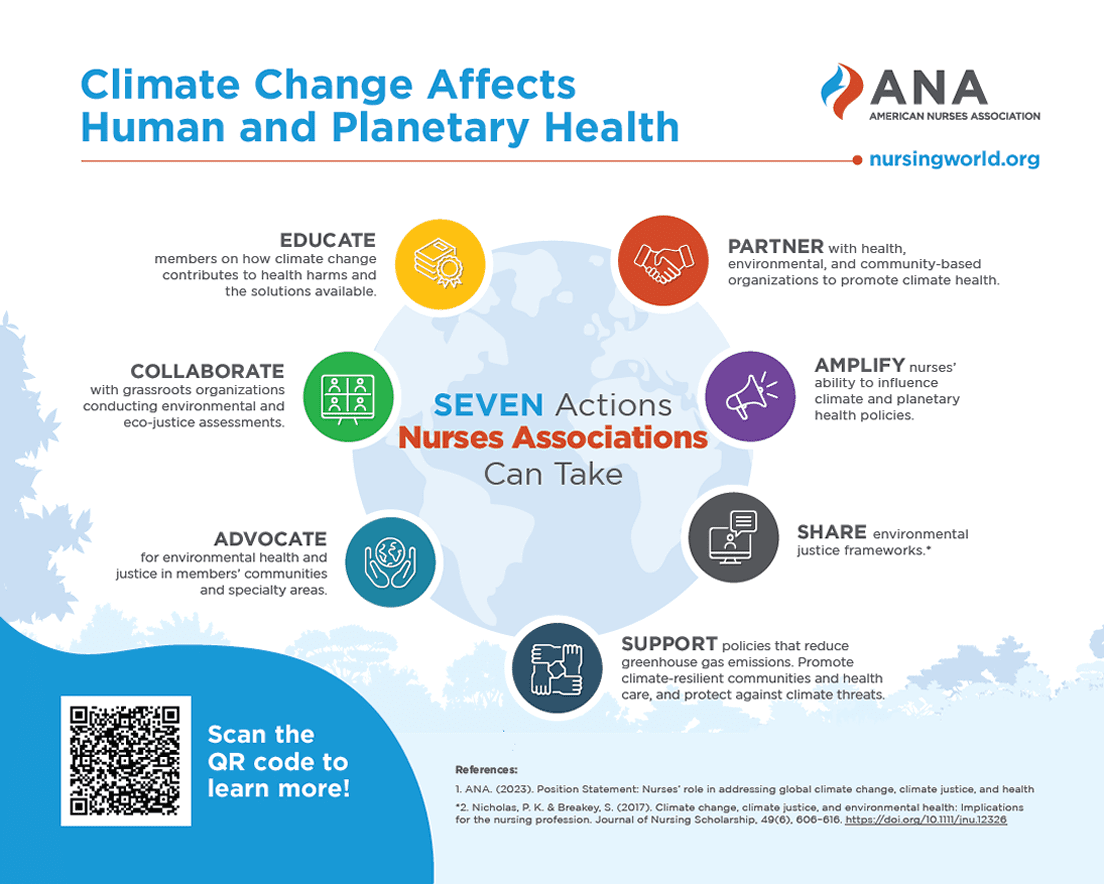
You’ve probably heard the saying, “You are what you eat.” Well, it turns out that our surroundings also play a significant role in our overall health. Environmental factors, such as air pollution, water contamination, and access to green spaces, can significantly impact our well-being. In light of this, it becomes crucial for healthcare policy makers to address these environmental factors to ensure the best outcomes for individuals and communities. This article explores some of the best ways to tackle environmental issues within healthcare policy, ultimately aiming to create a healthier and cleaner world for everyone.
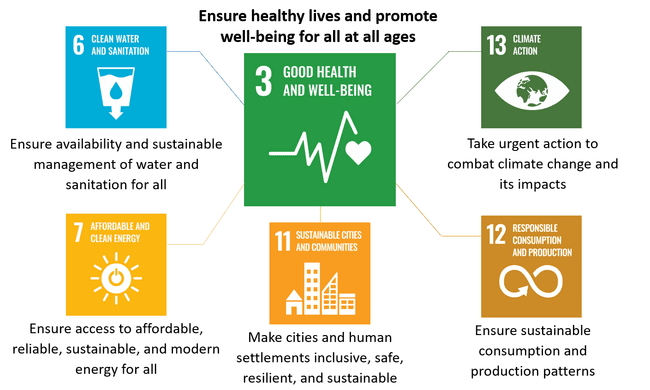
Conducting Environmental Assessments
When it comes to addressing environmental factors in healthcare policy, it is crucial to start with a comprehensive environmental assessment. This involves identifying potential environmental factors that could impact healthcare and analyzing their potential impact. By conducting such assessments, policymakers can gain valuable insights into the potential risks and challenges that need to be addressed in order to develop effective policies.
One key aspect of conducting environmental assessments is identifying the potential environmental factors that could affect healthcare. This can include factors such as air and water quality, exposure to contaminants, climate change impacts, and the availability of green spaces. By identifying these factors, policymakers can better understand the specific challenges that need to be considered when developing healthcare policies.
Another important step in conducting environmental assessments is analyzing the impact of these environmental factors on healthcare. This involves assessing how these factors can affect health outcomes, healthcare costs, and the overall well-being of individuals and communities. By conducting such analysis, policymakers can make informed decisions and prioritize the most pressing issues that need to be addressed in healthcare policy.
In addition to identifying and analyzing environmental factors, it is equally important to evaluate existing policies and regulations. This involves reviewing the current healthcare policies and regulations in place to determine their effectiveness in addressing environmental factors. By conducting such evaluations, policymakers can identify gaps in the existing policies and develop strategies to improve them.
To ensure a comprehensive and accurate assessment, engaging with experts in environmental science is vital. These experts can provide valuable insights into the potential environmental risks and challenges that need to be addressed in healthcare policy. Their expertise can also help policymakers understand the latest research and advancements in environmental science, which can inform the development of evidence-based policies.
Integrating Environmental Health into Policy Formation
Once the environmental assessment is complete, it is important to integrate environmental health considerations into the formation of healthcare policies. This involves creating interdisciplinary teams that bring together experts from various fields, including healthcare, environmental science, public health, and policy-making.
By creating interdisciplinary teams, policymakers can ensure that multiple perspectives are taken into account when developing healthcare policies. This collaborative approach enables experts from different fields to share their knowledge and expertise, leading to more comprehensive and effective policies.
One key aspect of integrating environmental health into policy formation is incorporating environmental health data in decision-making. This involves collecting and analyzing data on environmental health indicators, such as air quality, water quality, and exposure to contaminants. By using this data, policymakers can make informed decisions based on evidence and prioritize interventions that will have the greatest impact on environmental health.
Another important consideration in policy formation is including environmental justice considerations. Environmental justice refers to the fair distribution of environmental benefits and burdens, with a focus on protecting vulnerable populations from environmental hazards. By including environmental justice considerations, policymakers can ensure that healthcare policies do not disproportionately impact marginalized communities and that the benefits of environmental health interventions are equitably distributed.
Formulating evidence-based policies is also a crucial step in integrating environmental health considerations into healthcare policy. This involves using the best available evidence from research and practice to inform policy decisions. By formulating evidence-based policies, policymakers can ensure that interventions are effective and achieve the desired outcomes in terms of improving environmental health and healthcare outcomes.
Developing Sustainable Healthcare Practices
In addition to addressing environmental factors in healthcare policy, it is important to develop sustainable healthcare practices that minimize the impact on the environment. This involves adopting various strategies to reduce medical waste, promote energy efficiency, implement environmentally friendly procurement policies, and encourage sustainable transportation options for patients and staff.
One key aspect of developing sustainable healthcare practices is reducing medical waste and adopting recycling programs. Healthcare facilities generate a significant amount of waste, including biomedical waste, packaging materials, and unused medications. By implementing recycling programs and adopting practices to reduce waste, healthcare facilities can minimize their environmental footprint and promote sustainability.
Promoting energy efficiency in healthcare facilities is another important aspect of sustainable healthcare practices. Healthcare facilities are energy-intensive and can consume large amounts of electricity and other resources. By implementing energy-saving measures, such as using energy-efficient lighting and appliances, optimizing HVAC systems, and adopting renewable energy sources, healthcare facilities can reduce their energy consumption and contribute to environmental conservation.
Implementing environmentally friendly procurement policies is also essential in developing sustainable healthcare practices. This involves considering the environmental impact of products and materials used in healthcare facilities and prioritizing those that are environmentally friendly. By sourcing products that are sustainable, recyclable, and non-toxic, healthcare facilities can minimize their environmental impact and promote a greener healthcare industry.
Encouraging sustainable transportation options for patients and staff is another important aspect of developing sustainable healthcare practices. This can include promoting the use of public transportation, carpooling, and cycling, as well as providing infrastructure and incentives for these alternative modes of transportation. By reducing reliance on fossil fuel-powered vehicles, healthcare facilities can contribute to reducing air pollution and greenhouse gas emissions.
Enhancing Environmental Education for Healthcare Professionals
To effectively address environmental factors in healthcare, it is essential to enhance environmental education for healthcare professionals. This involves integrating environmental health concepts into medical curricula, providing training on environmental risk assessment, promoting awareness of climate change and its health impacts, and offering continuing education programs on environmental health.
One key aspect of enhancing environmental education is including environmental health in medical curricula. By incorporating environmental health concepts into medical education, future healthcare professionals can develop a greater understanding of the link between the environment and human health. This knowledge can then be applied in clinical practice to promote preventive measures and address environmental risk factors that impact patient health.
Providing training on environmental risk assessment is another important aspect of enhancing environmental education for healthcare professionals. This involves equipping healthcare professionals with the skills and knowledge to identify and assess environmental risks that may impact patient health. By providing such training, healthcare professionals can better understand the potential environmental hazards in their practice settings and take appropriate measures to mitigate these risks.
Promoting awareness of climate change and its health impacts is also crucial in enhancing environmental education for healthcare professionals. Climate change poses significant risks to human health, including increased heat-related illnesses, infectious diseases, and mental health impacts. By raising awareness of these health risks, healthcare professionals can play a key role in advocating for policy changes and implementing preventive measures to protect vulnerable populations.
Offering continuing education programs on environmental health is another important aspect of enhancing environmental education for healthcare professionals. This allows healthcare professionals to stay updated with the latest research, policies, and best practices in environmental health. By continuously improving their knowledge and skills in this field, healthcare professionals can contribute to the development and implementation of effective environmental health policies and interventions.
Collaborating with Communities and Stakeholders
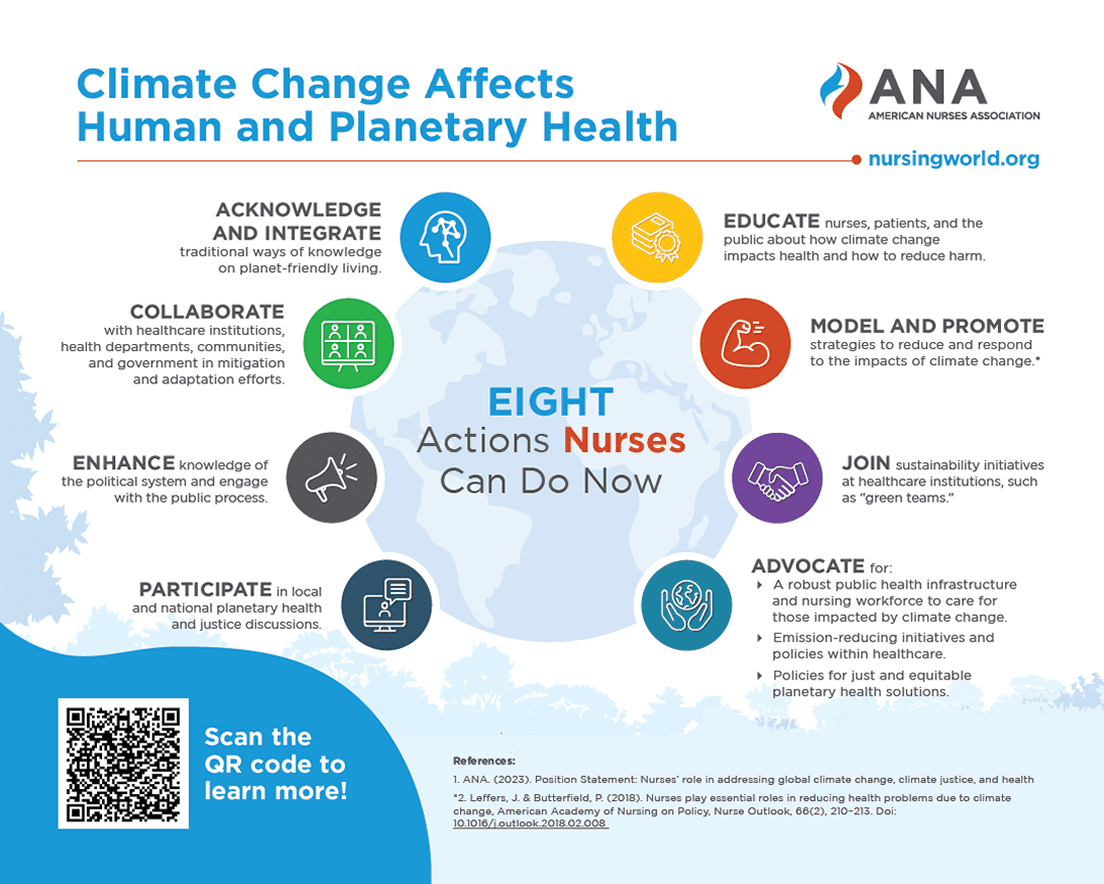
To develop effective healthcare policies that address environmental factors, it is important to collaborate with communities and stakeholders. This involves engaging local communities in policy discussions, addressing their concerns and priorities, partnering with environmental organizations and advocacy groups, and considering input from healthcare professionals.
Engaging local communities in policy discussions is crucial because they often have valuable insights and lived experiences that can inform the development of healthcare policies. By involving communities in the decision-making process, policymakers can ensure that policies are responsive to local needs and that the voices of affected populations are heard and considered.
Addressing concerns and priorities of affected populations is another important aspect of collaborating with communities and stakeholders. Environmental factors can disproportionately affect certain communities, particularly those that are marginalized or have limited resources. By addressing their concerns and priorities, policymakers can develop healthcare policies that aim to reduce health disparities and promote environmental justice.
Partnering with environmental organizations and advocacy groups is also valuable in addressing environmental factors in healthcare policy. These organizations often have expertise and resources that can support the development and implementation of effective policies. By collaborating with them, policymakers can leverage their knowledge and networks to advocate for change and implement evidence-based interventions.
Considering input from healthcare professionals is another important aspect of collaborating with communities and stakeholders. Healthcare professionals play a critical role in identifying and addressing environmental factors that impact patient health. By consulting with healthcare professionals, policymakers can gain valuable insights into the challenges and opportunities in healthcare practice and develop policies that are grounded in clinical expertise.
Assessing and Mitigating the Health Impacts of Climate Change
As climate change continues to pose significant risks to human health, it is crucial to assess and mitigate its health impacts. This involves monitoring and predicting climate-related health threats, developing adaptation strategies for vulnerable populations, implementing early warning systems for extreme weather events, and promoting research on climate change and human health.
Monitoring and predicting climate-related health threats is an essential step in assessing and mitigating the health impacts of climate change. This involves tracking indicators such as temperature, air pollution, and vector-borne diseases to identify potential health risks. By monitoring these indicators, policymakers can take proactive measures to mitigate the health impacts of climate change and protect vulnerable populations.
Developing adaptation strategies for vulnerable populations is another important aspect of addressing the health impacts of climate change. Certain populations, such as the elderly, children, and those with underlying health conditions, are particularly vulnerable to the health risks of climate change. By identifying these populations and developing targeted adaptation strategies, policymakers can ensure that they receive the necessary support and resources to cope with climate-related health threats.
Implementing early warning systems for extreme weather events is also crucial in mitigating the health impacts of climate change. Extreme weather events, such as heatwaves, hurricanes, and floods, can have severe consequences for human health. By developing early warning systems and effective communication strategies, policymakers can ensure that communities are prepared and able to respond to these events, reducing the potential health impacts.
Promoting research on climate change and human health is another important aspect of addressing the health impacts of climate change. By supporting research in this field, policymakers can gain a better understanding of the complex relationships between climate change and health outcomes. This knowledge can then inform the development of evidence-based policies and interventions that effectively mitigate the health impacts of climate change.
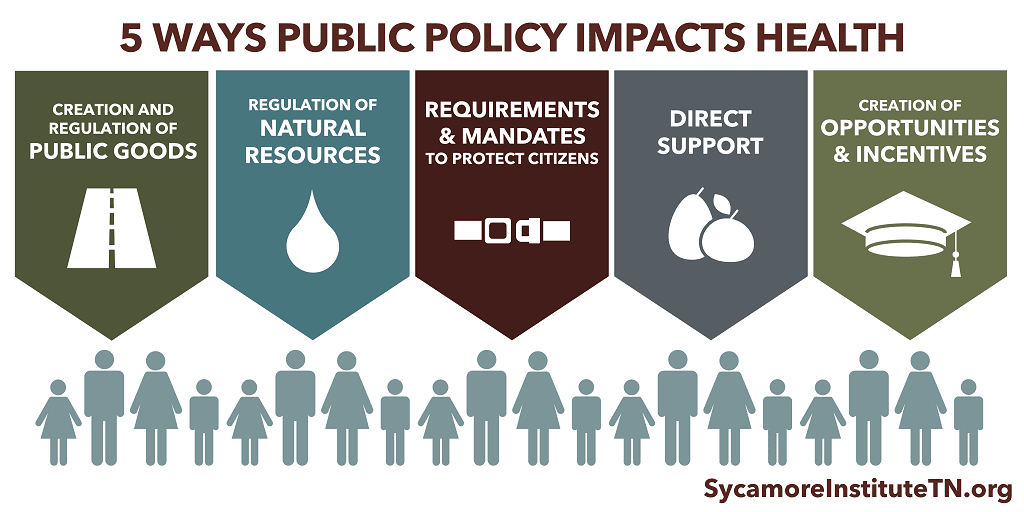
Fostering Collaboration between Healthcare and Environmental Agencies
To address environmental factors in healthcare policy, it is essential to foster collaboration between healthcare and environmental agencies. This involves establishing interagency task forces, sharing data and research findings, coordinating efforts to address environmental health challenges, and creating joint programs and initiatives.
Establishing interagency task forces is an effective way to foster collaboration between healthcare and environmental agencies. These task forces bring together experts from both sectors to work towards a common goal of addressing environmental factors in healthcare. By creating a platform for collaboration and information sharing, policymakers can ensure that healthcare policies are informed by environmental science and research.
Sharing data and research findings is another important aspect of fostering collaboration between healthcare and environmental agencies. Data on environmental factors, health outcomes, and the effectiveness of interventions can provide valuable insights for both sectors. By sharing this data and research findings, policymakers can identify common challenges and collaborate on evidence-based interventions that address environmental factors in healthcare.
Coordinating efforts to address environmental health challenges is essential to ensure a comprehensive and integrated approach. Healthcare and environmental agencies often have overlapping responsibilities and mandates when it comes to addressing environmental factors. By coordinating efforts, policymakers can maximize resources, avoid duplication of efforts, and develop strategies that address the complex interactions between the environment and human health.
Creating joint programs and initiatives is another effective way to foster collaboration between healthcare and environmental agencies. By pooling resources and expertise, policymakers can develop innovative programs and initiatives that promote environmental health in healthcare settings. These joint efforts can range from awareness campaigns and educational programs to research collaborations and policy advocacy.
Encouraging Corporate Social Responsibility
Encouraging corporate social responsibility among healthcare providers is a key strategy to address environmental factors in healthcare policy. This involves promoting environmentally responsible practices, encouraging hospitals to adopt sustainable business models, recognizing and rewarding environmentally conscious organizations, and collaborating with healthcare industry stakeholders to improve environmental performance.
Promoting environmentally responsible practices among healthcare providers is crucial to minimize the environmental impact of healthcare operations. This can include initiatives such as reducing waste, optimizing energy, and water consumption, and using environmentally friendly materials and products. By promoting these practices, policymakers can contribute to a greener healthcare industry and reduce the overall environmental footprint of healthcare operations.
Encouraging hospitals to adopt sustainable business models is another important aspect of corporate social responsibility in healthcare. Sustainable business models incorporate environmental considerations and social responsibility into their operations. This can include strategies such as energy-efficient infrastructure, renewable energy sources, and waste reduction measures. By encouraging hospitals to adopt these models, policymakers can create incentives for sustainable practices and promote a culture of environmental responsibility in the healthcare sector.
Recognizing and rewarding environmentally conscious organizations is essential to encourage and incentivize sustainable practices. Policymakers can establish certification programs or awards that recognize healthcare providers and organizations that demonstrate a commitment to environmental responsibility. By recognizing and rewarding environmentally conscious organizations, policymakers can promote best practices and inspire others to follow suit.
Collaborating with healthcare industry stakeholders is another key strategy in encouraging corporate social responsibility. By engaging with industry associations, professional organizations, and healthcare providers, policymakers can foster partnerships and collaborations that promote environmental performance. By working together, stakeholders can share best practices, develop guidelines, and implement initiatives that improve environmental sustainability in the healthcare sector.
Monitoring, Evaluation, and Accountability
To ensure the effectiveness of healthcare policies that address environmental factors, it is important to establish monitoring systems, regularly evaluate policies, ensure transparency and accountability, and engage in continuous improvement efforts.
Establishing monitoring systems for environmental indicators is crucial to track progress and assess the effectiveness of healthcare policies. This involves identifying key environmental indicators, such as air quality, water quality, and waste generation, and regularly collecting data on these indicators. By monitoring these indicators, policymakers can understand the impact of policy interventions and make informed decisions on future actions.
Regularly evaluating the effectiveness of environmental policies is another important aspect of ensuring accountability. Evaluation involves assessing the outcomes and impacts of healthcare policies, as well as the processes and mechanisms through which they are implemented. By conducting regular evaluations, policymakers can identify areas for improvement, address any unintended consequences, and make necessary adjustments to policies.
Ensuring transparency and accountability in the implementation of healthcare policies is essential. This involves communicating policy objectives, processes, and outcomes to the public, as well as engaging stakeholders in the policymaking process. By being transparent and accountable, policymakers can build trust, gather feedback, and ensure that policies are effectively implemented and achieve the desired environmental and health outcomes.
Engaging in continuous improvement efforts is another important aspect of addressing environmental factors in healthcare policy. Healthcare policies that address environmental factors should be dynamic and responsive to changing circumstances. By actively seeking feedback, monitoring outcomes, and learning from best practices, policymakers can continuously improve policies and interventions to better address environmental factors and achieve sustainable healthcare outcomes.
Advocacy and Policy Advocacy
Advocacy and policy advocacy play a crucial role in addressing environmental factors in healthcare policy. By raising awareness about the importance of addressing environmental factors, advocating for policy changes, collaborating with policymakers, and supporting initiatives that promote sustainable healthcare, advocates can drive meaningful change in the healthcare sector.
Raising awareness about the importance of addressing environmental factors is a key advocacy strategy. By educating the public, healthcare professionals, and policymakers about the impact of environmental factors on health, advocates can build support for policy changes and mobilize action to improve environmental health in healthcare settings.
Advocating for policy changes to prioritize environmental health is another important aspect of advocacy. This involves raising concerns about existing policies, highlighting the need for new policies, and advocating for specific interventions that address environmental factors in healthcare. By engaging in strategic advocacy efforts, advocates can influence policy decisions and shape the healthcare landscape to prioritize environmental health.
Collaborating with policymakers is crucial in driving policy change. By building relationships with policymakers, advocates can provide expertise, share evidence-based research, and offer insights into the potential impacts of policy decisions on environmental health. By working together, advocates and policymakers can develop comprehensive strategies that effectively address environmental factors in healthcare policy.
Supporting initiatives that promote sustainable healthcare is another important aspect of advocacy. This can include supporting research projects, awareness campaigns, and community-based interventions that aim to improve environmental health in healthcare settings. By providing financial and logistical support, advocates can contribute to the success of these initiatives and help drive positive change in the healthcare sector.
In conclusion, addressing environmental factors in healthcare policy requires a comprehensive and collaborative approach. Conducting environmental assessments, integrating environmental health into policy formation, developing sustainable healthcare practices, enhancing environmental education for healthcare professionals, collaborating with communities and stakeholders, assessing and mitigating the health impacts of climate change, fostering collaboration between healthcare and environmental agencies, encouraging corporate social responsibility, monitoring, evaluation, and accountability, and engaging in advocacy and policy advocacy are all essential strategies in this process. By implementing these strategies, policymakers can develop effective and evidence-based healthcare policies that prioritize environmental health and contribute to a sustainable future.