
Welcome to a guide on the best ways to control portion sizes! In this article, you will learn practical tips and strategies to help you manage your food portions effectively. By implementing these simple yet effective methods, you can ensure that you are eating the right amount of food to support a healthy lifestyle. So let’s dive in and discover how you can take control of your portion sizes starting today! Have you ever struggled with controlling your portion sizes? It can be challenging to know exactly how much food to put on your plate, especially in a world where super-sized portions are the norm. But fear not, because in this article, I’ll be sharing the best ways to help you control your portion sizes and achieve your health and weight loss goals.
Understanding Portion Sizes
Portion sizes refer to the amount of food you choose to eat at a meal or snack. Understanding portion sizes is crucial for maintaining a healthy diet and managing your weight. By controlling your portion sizes, you can prevent overeating and ensure you’re getting the right amount of nutrients your body needs.
Let’s break it down:
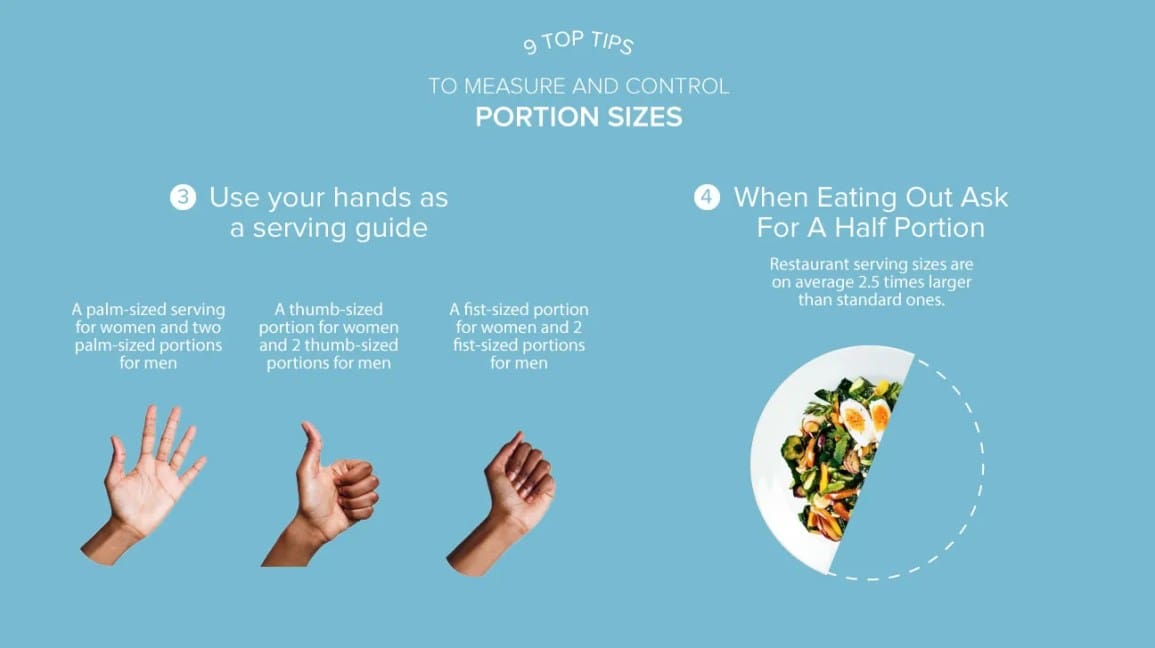
Portion sizes can vary depending on the type of food you’re eating. For example, a portion of pasta is typically around 1 cup, while a portion of meat should be about the size of a deck of cards. By familiarizing yourself with these standard portion sizes, you can make better choices when serving yourself meals.
The Importance of Portion Control
Effective portion control is essential for weight management and overall health. When you consistently eat more than your body needs, you can quickly consume excess calories, leading to weight gain and other health issues. By practicing portion control, you can better regulate your calorie intake and avoid overeating.
Here’s the deal:
Portion control is not about depriving yourself of your favorite foods; it’s about being mindful of how much you eat. By learning to control your portion sizes, you can still enjoy the foods you love while maintaining a healthy diet.
Tips for Controlling Portion Sizes
Now that you understand the importance of portion control let’s dive into some practical tips to help you manage your serving sizes effectively.
Tip 1: Use Smaller Plates and Bowls
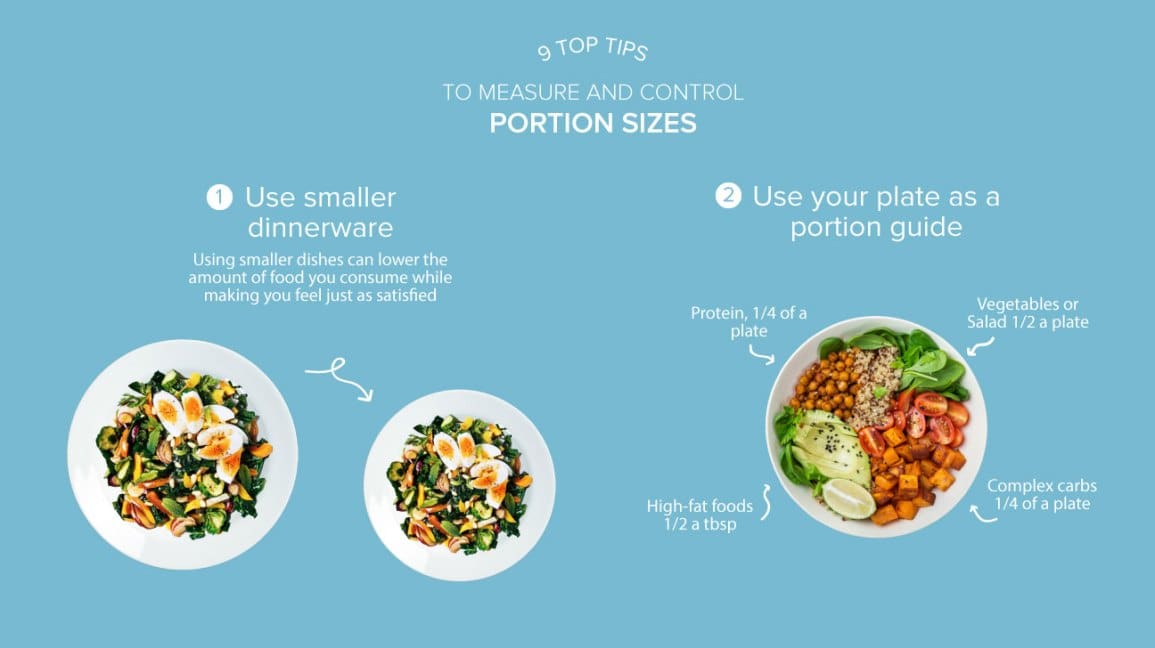
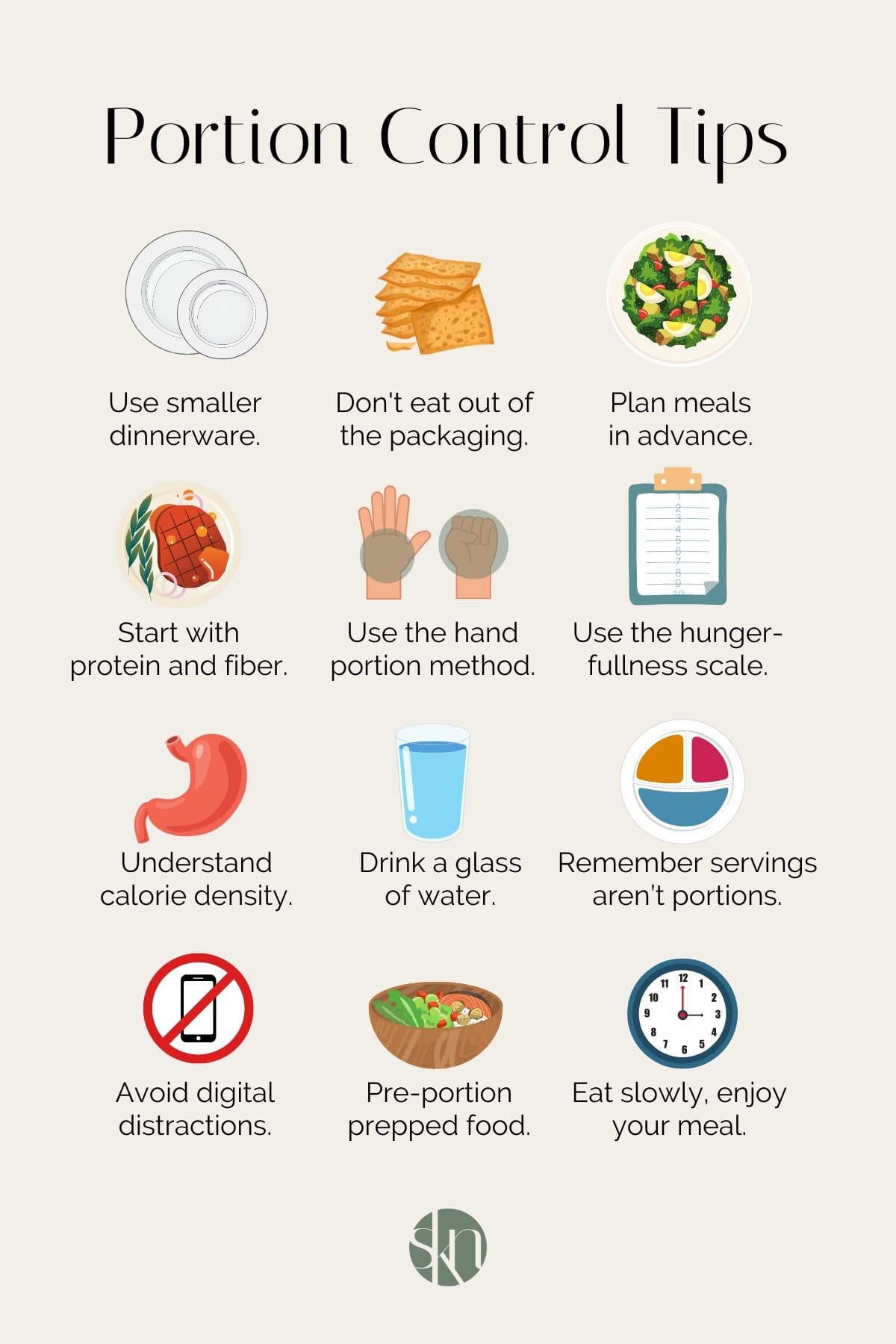
One simple trick to control your portion sizes is to use smaller plates and bowls. Research shows that people tend to eat larger portions when they’re served on larger plates. By downsizing your dishware, you can trick your brain into thinking you’re eating more than you actually are, helping you consume fewer calories.
Tip 2: Measure Your Food
Another effective way to control your portion sizes is to measure your food using measuring cups or a food scale. This method allows you to be more precise in determining how much you’re eating and ensures you’re not unknowingly consuming too many calories.
Tip 3: Practice Mindful Eating
Mindful eating involves paying attention to your food and eating slowly to savor each bite. By being more present during meals, you can better tune into your body’s hunger cues and avoid overeating. Try to eliminate distractions like TV or phone screens while eating to focus on your meal.
Tip 4: Fill Up on Fiber-Rich Foods
Fiber-rich foods like fruits, vegetables, whole grains, and legumes can help you feel full and satisfied, making it easier to control your portion sizes. Including these foods in your meals can prevent you from overeating on high-calorie, low-nutrient foods.
Tip 5: Pre-portion Your Snacks
Snacking can quickly add up in calories if you’re not careful. To avoid mindlessly munching on snacks, pre-portion your snacks into individual servings. This makes it easier to grab a pre-portioned snack when hunger strikes and prevents you from eating out of the whole bag.
Tip 6: Don’t Skip Meals
Skipping meals can lead to excessive hunger, causing you to overeat when you finally sit down to eat. Instead of skipping meals, aim to eat regular meals throughout the day to help you control your portion sizes and prevent binge eating.
The Role of Food Labels in Portion Control
Food labels provide valuable information about serving sizes, calorie counts, and nutrient content, helping you make informed decisions about your food choices. Understanding how to read food labels can empower you to control your portion sizes and make healthier eating choices.
Here’s what to look for:
- Serving Size: Pay attention to the serving size listed on the food label, as this determines the amount of food the nutrition information applies to.
- Calories: Check the calorie count per serving to understand how many calories you’re consuming.
- Nutrients: Look at the nutrient content to ensure you’re getting the right balance of vitamins, minerals, and macronutrients in your diet.
By using food labels as a guide, you can make smarter choices when it comes to portion sizes and better manage your calorie intake.
Healthy Portion Sizes for Different Food Groups
Each food group requires different portion sizes to ensure you’re meeting your nutritional needs without overeating. Let’s break down the recommended portion sizes for different food groups to help you maintain a balanced and healthy diet.
Grains:
- 1 serving of grains: 1 slice of bread or ½ cup of rice or pasta
- Opt for whole grains like brown rice, quinoa, and whole wheat bread for added nutrients and fiber.
Fruits:
- 1 serving of fruit: 1 medium piece of fruit or ½ cup of chopped fruit
- Aim to include a variety of fruits in your diet to get a range of vitamins and antioxidants.
Vegetables:
- 1 serving of vegetables: 1 cup of leafy greens or ½ cup of cooked vegetables
- Fill half your plate with non-starchy vegetables to add volume and nutrients to your meals.
Protein:
- 1 serving of protein: 3 oz of meat, poultry, or fish
- Include lean sources of protein like chicken, turkey, tofu, or legumes to support muscle growth and repair.
Dairy:
- 1 serving of dairy: 1 cup of milk or yogurt
- Choose low-fat or non-fat dairy options to reduce saturated fat and calories.
By following these recommended portion sizes for each food group, you can create balanced meals that provide the nutrients your body needs without overloading on calories.
Controlling Portion Sizes While Eating Out
Eating out at restaurants can make it challenging to control your portion sizes, as many establishments serve oversized portions. However, with a few strategies in place, you can still enjoy dining out while managing your serving sizes effectively.
Here are some tips for eating out:
- Share a Meal: Consider splitting an entrée with a dining companion to reduce portion sizes and save on calories.
- Take Half Home: If your meal is larger than you need, ask for a to-go box and save the leftovers for another meal.
- Order Small Plates: Opt for appetizers or small plates instead of full entrees to control portion sizes.
- Ask for Sauces on the Side: Request dressings and sauces on the side to control how much you add to your meal.
By implementing these strategies when eating out, you can enjoy restaurant meals without overeating and stay on track with your health goals.
The Bottom Line
Controlling portion sizes is a key component of maintaining a healthy diet and managing your weight. By practicing portion control, you can prevent overeating, regulate your calorie intake, and achieve your health and fitness goals. Use the tips and strategies outlined in this article to help you control your portion sizes effectively and make healthier choices for your body. Remember, it’s not about depriving yourself; it’s about being mindful of what you eat and how much you eat. So next time you sit down to a meal, use these tools to guide your portion sizes and enjoy a balanced and nutritious diet. Your body will thank you for it!