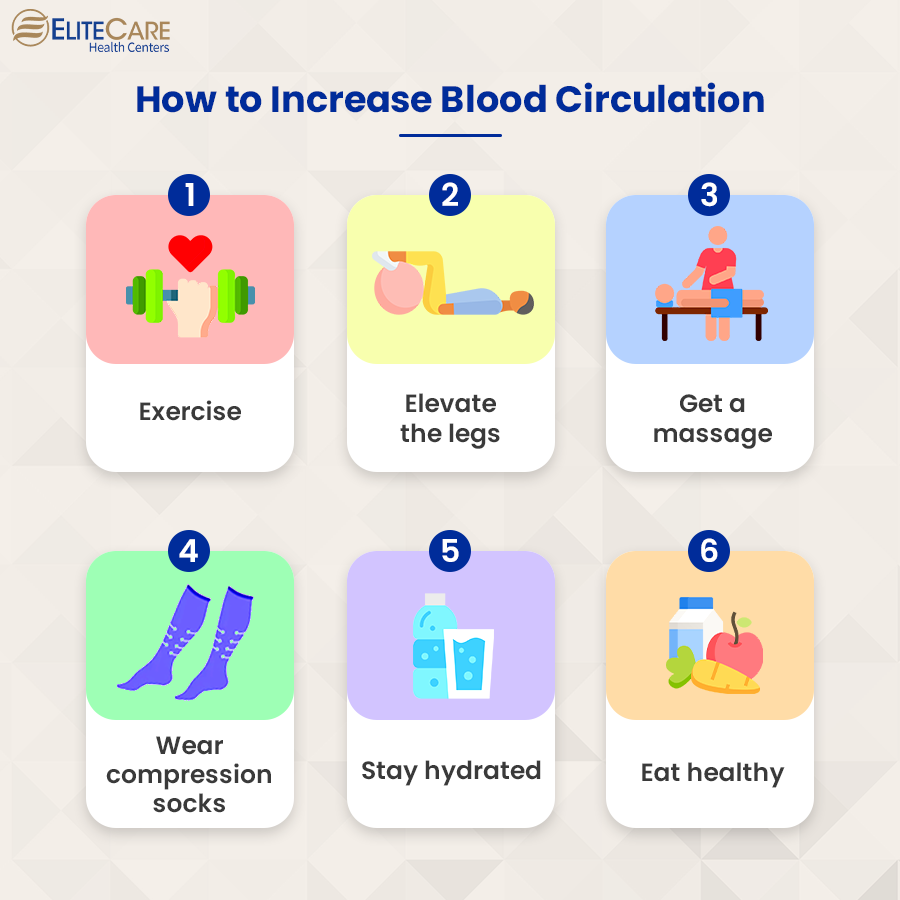
Men’s circulatory health is of utmost importance in maintaining overall well-being. In this article, you will discover a variety of effective techniques to improve the circulatory system in men. From incorporating regular exercise routines to adopting a heart-healthy diet, these simple yet powerful strategies will help enhance blood flow, lower the risk of heart disease and other circulatory-related issues. Get ready to take charge of your health with these best practices for improving men’s circulatory health.
Exercise Regularly
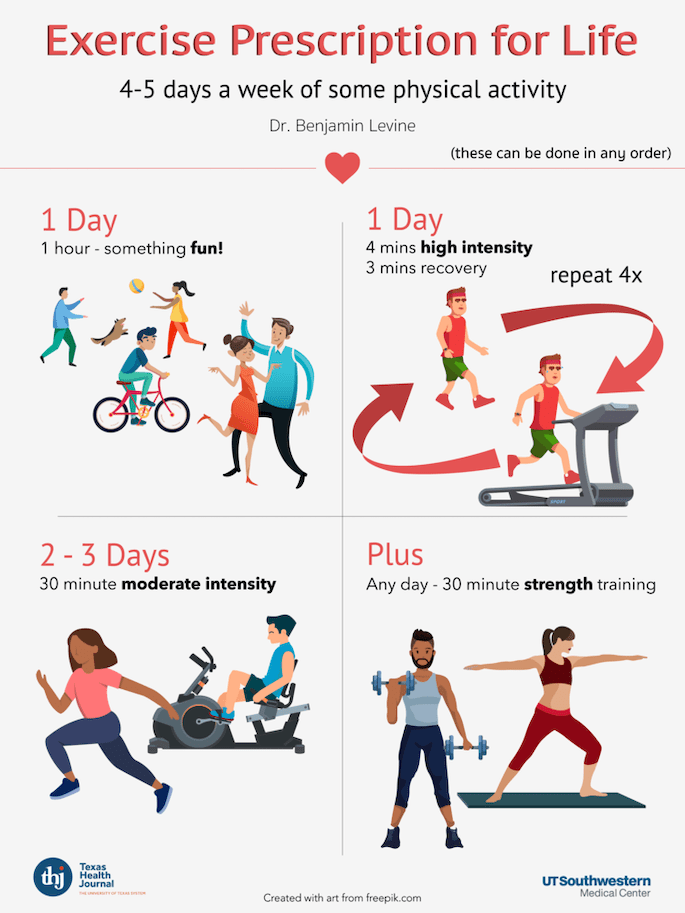
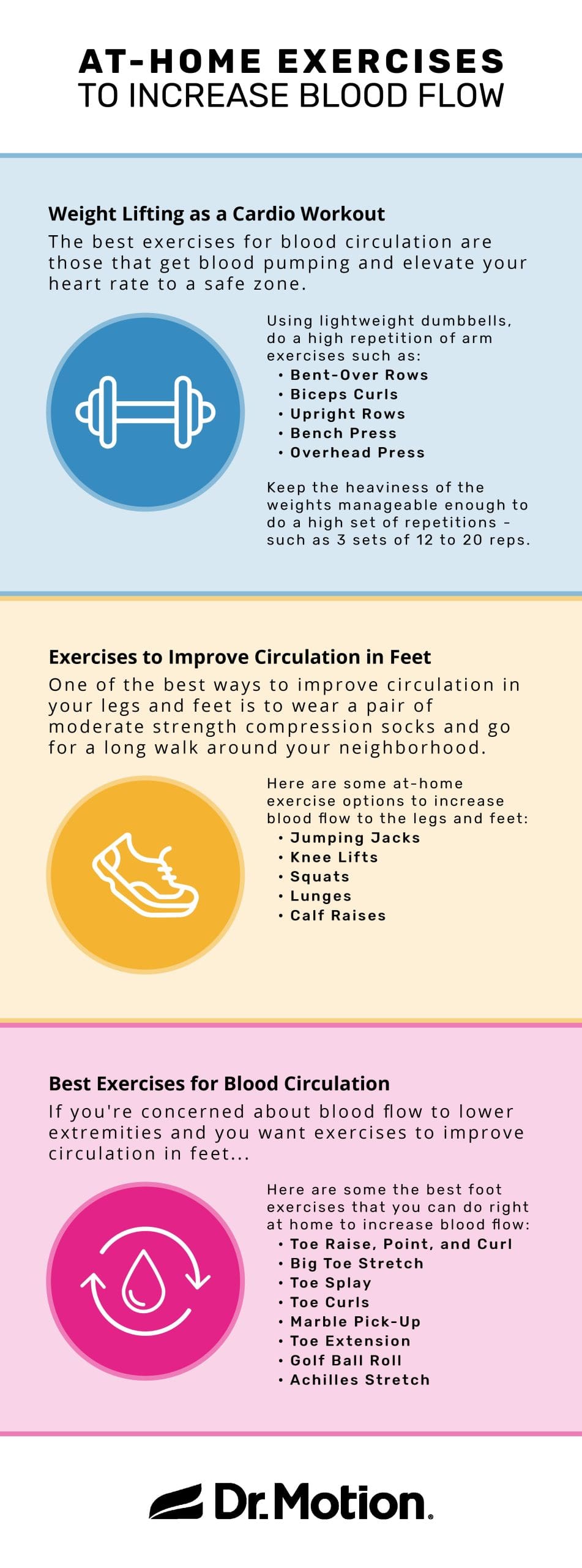
Regular exercise is key to improving and maintaining men’s circulatory health. Engaging in aerobic exercises can help improve cardiovascular health. Activities such as walking, jogging, swimming, or cycling can get your heart pumping and increase blood flow throughout your body. Aim for at least 150 minutes of moderate aerobic exercise or 75 minutes of vigorous aerobic exercise each week.
In addition to aerobic exercises, incorporating strength training exercises into your routine is crucial for maintaining healthy muscles, bones, and joints. Strength training, such as lifting weights or using resistance bands, helps build muscle mass, increases metabolism, and improves overall circulation. Aim to include strength training exercises at least two days a week, targeting major muscle groups.
Another effective form of exercise for circulatory health is interval training. This involves alternating periods of high-intensity exercise with periods of rest or low-intensity exercise. Interval training can help improve cardiovascular fitness, lower blood pressure, and increase the efficiency of your circulatory system. Incorporate interval training into your exercise routine by adding bursts of high-intensity activities, such as sprints or jumping jacks, followed by short periods of recovery.
Maintain a Healthy Diet
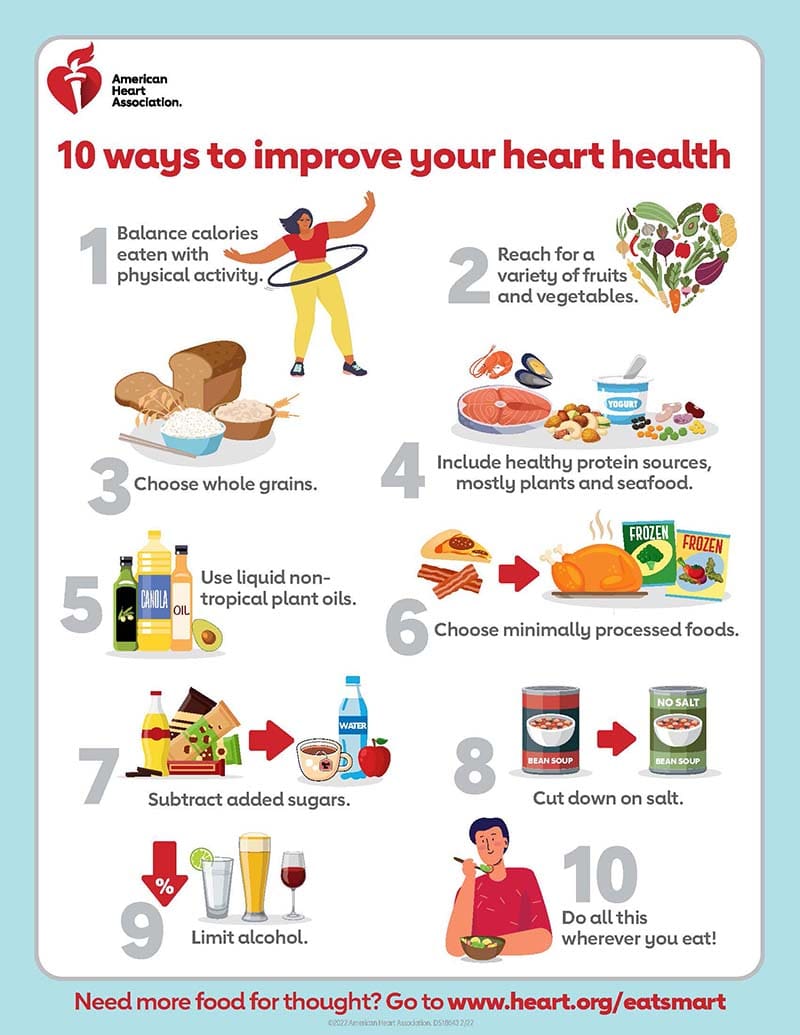
A healthy diet plays a crucial role in improving and maintaining men’s circulatory health. Incorporating a variety of fruits and vegetables into your meals ensures that you get essential vitamins, minerals, and antioxidants that promote heart health. Berries, leafy greens, citrus fruits, and tomatoes are particularly beneficial.
Including whole grains, such as brown rice, whole wheat bread, and oats, in your diet provides dietary fiber that helps reduce cholesterol levels and improve heart health. Lean protein sources like poultry, fish, tofu, and legumes are excellent choices to maintain muscle mass while keeping saturated fats in check.
Limiting saturated and trans fats is essential for cardiovascular health. These fats are found in foods like processed meats, full-fat dairy products, baked goods, and fried foods. Opt for healthier fats like those found in avocados, nuts, and olive oil.
To reduce the risk of hypertension, it is important to reduce salt intake. Most of the salt consumed comes from processed and packaged foods, so reading labels and choosing lower-sodium options can make a significant difference. Adding herbs and spices to flavor your meals instead of salt can also help reduce sodium intake.
Staying hydrated is crucial for optimal circulatory health. Aim to drink at least 8 cups (64 ounces) of water per day. Water helps transport nutrients, oxygen, and hormones throughout the body, ensuring proper circulation.
Manage Weight
Maintaining a healthy weight is closely linked to improved circulatory health. Excess weight puts strain on the heart and blood vessels, increasing the risk of conditions such as hypertension and heart disease. Setting realistic weight loss goals and aiming to lose 1-2 pounds per week is a sustainable approach that promotes overall health.
Monitoring your calorie intake is essential for weight management. Consume a balanced number of calories that align with your activity level, age, and gender. Avoid crash diets that severely restrict calories, as they can lead to nutrient deficiencies and muscle loss. Instead, focus on creating a calorie deficit through a combination of exercise and a balanced diet.
Engaging in physical activities regularly is key to maintaining a healthy weight and improving circulatory health. Find activities that you enjoy and make them a part of your routine. Whether it’s jogging, playing sports, dancing, or cycling, staying active helps burn calories, increase metabolism, and improve overall cardiovascular function.
Consider seeking professional guidance from a healthcare provider, registered dietitian, or personal trainer. They can provide personalized advice and support to help manage weight and improve circulatory health effectively and safely.
Quit Smoking
Smoking is one of the most significant risk factors for circulatory health problems. It damages the blood vessels, decreases oxygen levels, increases blood pressure, and raises the risk of heart disease and stroke. Quitting smoking is essential for improving circulatory health and reducing these risks.
Seeking professional help or joining support groups can significantly increase the chances of successfully quitting smoking. Healthcare providers and support groups can provide counseling, guidance, and resources to help you overcome the addiction.
If needed, consider using nicotine replacement therapy, such as nicotine patches or gum, to help manage cravings and withdrawal symptoms during the quitting process. These products can gradually reduce nicotine dependence and increase your chances of quitting for good.
Identify triggers that make you want to smoke and create a smoke-free environment. Avoid situations or places where you are tempted to smoke and surround yourself with supportive people who encourage your smoke-free lifestyle. Remember that quitting smoking may require multiple attempts, so be persistent and stay motivated.
Reduce Alcohol Consumption
While moderate alcohol consumption may have some health benefits, excessive drinking can harm your circulatory system. Heavy drinking can lead to high blood pressure, heart disease, liver damage, and other serious health issues. It is important to drink alcohol in moderation to protect your circulatory health.
Set limits and track your alcohol intake to prevent excessive consumption. Moderate alcohol consumption is defined as up to one drink per day for men. One drink is equivalent to 12 ounces of beer, 5 ounces of wine, or 1.5 ounces of distilled spirits. Keep track of the number of drinks you have each day and be mindful of your consumption.
Alternating alcoholic beverages with non-alcoholic options, such as water or sparkling water, can help reduce alcohol intake. This allows you to enjoy social occasions without overindulging in alcohol.
Binge drinking, which is defined as consuming a large amount of alcohol in a short period, is particularly harmful to circulatory health. Avoid binge drinking and know your limits to protect your heart and blood vessels.
Manage Stress
Chronic stress can have a negative impact on circulatory health, increasing the risk of high blood pressure and heart disease. It is important to find healthy ways to manage stress to protect your circulatory system.
Practice relaxation techniques such as deep breathing exercises, meditation, or yoga. These techniques can help reduce stress hormones, lower blood pressure, and promote a sense of calm and well-being.
Engaging in hobbies and activities that you enjoy can help distract your mind from stressors and provide a sense of fulfillment and relaxation. Whether it’s playing a musical instrument, gardening, painting, or reading, find activities that bring you joy and make them a regular part of your life.
Getting enough sleep is crucial for both physical and mental health. Aim for 7-9 hours of quality sleep per night. Establish a consistent sleep schedule by going to bed and waking up at the same time each day. Create a comfortable sleeping environment that is dark, quiet, and cool to promote restful sleep.
Seek support from friends, family, or professionals. Talking to someone you trust about your stressors and concerns can help you gain perspective and find solutions. If stress becomes overwhelming, consider seeking professional help from a therapist or counselor who can provide guidance and support.

Control Blood Pressure
High blood pressure is a significant risk factor for circulatory health problems. Monitoring your blood pressure regularly is important to identify any potential issues and take necessary steps to control it.
Maintaining a healthy weight plays a crucial role in controlling blood pressure. Losing excess weight through a combination of a balanced diet and regular exercise can significantly reduce blood pressure.
Reducing sodium intake is important for controlling blood pressure. Be mindful of the amount of salt added to your meals and opt for lower-sodium alternatives. Increasing potassium-rich foods, such as bananas, spinach, and sweet potatoes, can also help lower blood pressure.
Regular physical activity is key to managing blood pressure. Aim for at least 150 minutes of moderate-intensity aerobic exercise or 75 minutes of vigorous-intensity exercise each week. Regular physical activity helps lower blood pressure, improve circulation, and strengthen the heart.
If necessary, your healthcare provider may recommend medication to help control high blood pressure. It is important to follow their advice and take any prescribed medications as directed.
Lower Cholesterol Levels
High cholesterol levels can contribute to the development of circulatory health problems. Adopting a heart-healthy diet is crucial for lowering cholesterol levels and improving overall circulatory health.
Eating foods rich in omega-3 fatty acids, such as fatty fish (salmon, mackerel, sardines), walnuts, and flaxseeds, can help lower cholesterol levels. These healthy fats help reduce inflammation and improve overall heart health.
Reducing saturated and trans fats in your diet is essential for managing cholesterol levels. Limit your intake of red meat, full-fat dairy products, fried foods, and processed snacks. Instead, choose lean protein sources, low-fat dairy products, and healthier cooking methods such as grilling, baking, or steaming.
Increasing dietary fiber can help lower cholesterol levels. Foods such as oats, barley, legumes, fruits, and vegetables are rich in soluble fiber, which helps remove cholesterol from the body. Aim for at least 25-30 grams of dietary fiber per day.
Regular exercise is an effective way to lower cholesterol levels. Engage in aerobic exercises such as brisk walking, jogging, or cycling for at least 30 minutes most days of the week. Exercise helps increase levels of “good” cholesterol (HDL) and reduce levels of “bad” cholesterol (LDL).
If lifestyle changes alone are not sufficient to lower cholesterol levels, your healthcare provider may prescribe medication to help manage cholesterol. It is important to follow their recommendations and take any prescribed medications as directed.
Manage Diabetes
Diabetes can significantly impact circulatory health, increasing the risk of heart disease, stroke, and other complications. Effective management of diabetes is crucial for maintaining good circulatory health.
Monitoring blood sugar levels regularly is important to keep diabetes under control. Your healthcare provider will advise you on how often to check your blood sugar and what your target range should be. Regular monitoring helps you make informed decisions about diet, activity level, and medication.
Following a balanced diet is crucial for managing diabetes. Focus on consuming a variety of nutrient-dense foods, including whole grains, lean protein sources, fruits, vegetables, and healthy fats. Limit or avoid foods high in added sugars and refined carbohydrates, as they can cause blood sugar spikes.
Engaging in physical activity helps control diabetes by improving insulin sensitivity and aiding in weight management. Aim for at least 150 minutes of moderate aerobic exercise or 75 minutes of vigorous aerobic exercise each week. Find activities that you enjoy and make exercise a regular part of your routine.
Take any prescribed medications as directed by your healthcare provider. Diabetes medications, such as insulin or oral medications, play a crucial role in managing blood sugar levels. It is important to follow your treatment plan and take medications on schedule.
Regularly checking HbA1c levels provides a snapshot of your blood sugar control over the past few months. This test is typically done every three to six months and can help you and your healthcare provider assess how well your diabetes is managed.
Sleep Well
Adequate sleep is essential for overall health, including circulatory health. Poor sleep can increase the risk of high blood pressure, heart disease, diabetes, and other circulatory problems. Follow these tips to improve your sleep quality:
Maintain a consistent sleep schedule by going to bed and waking up at the same time every day, including weekends. This helps regulate your body’s internal clock and promotes better sleep.
Create a comfortable sleeping environment that is conducive to quality sleep. Make sure your bedroom is dark, quiet, and cool. Use blackout curtains, earplugs, or a white noise machine if necessary.
Avoid electronic devices, such as smartphones, tablets, or laptops, before bed. The blue light emitted by these devices can interfere with the production of melatonin, a hormone that regulates sleep. Instead, establish a relaxing bedtime routine, such as reading a book or taking a warm bath.
Regular exercise can improve sleep quality. Engaging in physical activity earlier in the day can help you fall asleep faster and enjoy deeper, more restorative sleep. However, avoid exercising vigorously just before bedtime, as it may interfere with your ability to fall asleep.
Managing stress levels is crucial for promoting good sleep. Practice relaxation techniques, engage in enjoyable activities, and seek support from friends, family, or professionals to reduce stress and promote better sleep.
In conclusion, improving men’s circulatory health requires a combination of regular exercise, a healthy diet, weight management, abstinence from smoking and excessive alcohol consumption, stress management, blood pressure control, cholesterol management, diabetes management, and quality sleep. By following these guidelines and making positive lifestyle changes, you can enhance your circulatory health and reduce the risk of cardiovascular diseases. Remember, it’s never too late to start taking care of your circulatory health. Start today and reap the long-term benefits for a healthier future!