
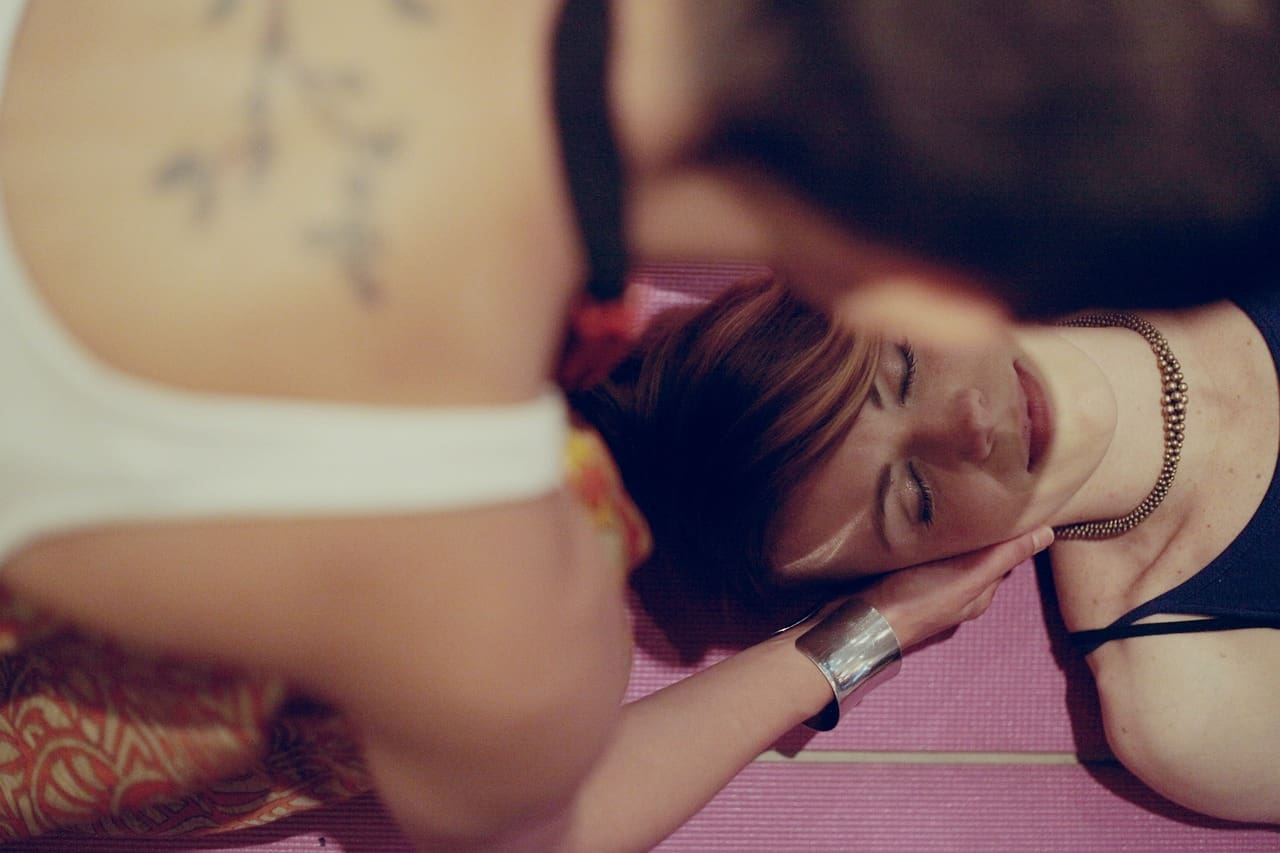
In today’s fast-paced world, finding moments of peace and tranquility can be a challenge. However, incorporating meditation into your holistic health routine can be the key to achieving a balanced mind, body, and spirit. Whether you’re a beginner or experienced practitioner, this article will explore the best ways to integrate meditation into your daily life and reap the countless benefits it offers. From simple breathing exercises to guided meditation apps, discover the techniques that suit your lifestyle and embark on a journey of inner peace and self-discovery.
Morning Meditation
Create a dedicated meditation space
When it comes to establishing a meditation practice, having a dedicated space can greatly enhance your experience. Designate a quiet corner or a small room in your home where you can retreat to in the morning for your meditation sessions. Keep this space clean, clutter-free, and free from distractions. Add elements that inspire tranquility and peace, such as plants, candles, or soft lighting. By creating a space solely for meditation, you are signaling to yourself that this time is sacred and for your well-being.
Start with a short session
Starting your day with a meditation session can help set a positive tone and create a sense of centeredness throughout the day. However, if you’re new to meditation or have a busy schedule, it can feel overwhelming to commit to long sessions. Begin with a short session, such as five or ten minutes, and gradually increase the time as you become more comfortable. Remember, consistency is key, so starting small is better than not starting at all.
Focus on your breath
One of the fundamental aspects of meditation is learning to focus on your breath. As you sit in your designated meditation space, close your eyes and bring your attention to your breath. Notice the sensation of the air entering and leaving your body. If your mind starts to wander, gently redirect your focus back to your breath. Concentrating on your breath can help calm your mind, relax your body, and foster a sense of mindfulness.
Practice gratitude and positive affirmations
Incorporating gratitude and positive affirmations into your morning meditation can shift your mindset to a more positive and abundant state. Before or after your breath-focused meditation, take a moment to reflect on things you are grateful for. This can be big or small, such as your health, relationships, or the beauty of nature. Additionally, recite positive affirmations to yourself, such as “I am enough,” “I am worthy,” or “I am capable.” These statements can help cultivate self-love, confidence, and optimism.
Mindful Eating
Eat slowly and savor each bite
In our fast-paced world, we often rush through meals without truly savoring the food we eat. Mindful eating encourages us to slow down and fully engage with our meals. Instead of gobbling down your food, take small bites and chew slowly. Pay attention to the flavors, textures, and aromas of each bite. By savoring your food, you not only enhance your sensory experience but also allow your body to properly digest the nutrients.
Pay attention to the flavors and textures of your food
Eating mindfully involves being fully present while enjoying your meals. Take the time to appreciate the flavors and textures of the food you are eating. Notice the sweetness of a ripe strawberry, the crunchiness of a fresh salad, or the creaminess of a scoop of ice cream. Engaging your senses in this way brings you into the present moment and helps you develop a deeper appreciation for the nourishment your food provides.
Chew your food thoroughly
Many of us simply chew our food enough to be able to swallow it, often leading to digestive issues and discomfort. Mindful eating encourages us to chew each bite thoroughly, allowing our bodies to properly break down the food before it reaches our stomachs. Aim to chew each bite at least 20-30 times, or until it becomes a paste-like consistency in your mouth. Not only does this aid digestion, but it also allows you to fully experience the taste and texture of your food.
Avoid distractions while eating
In our modern world, it’s all too common to multitask while eating – scrolling through our phones, watching TV, or working on our computers. However, this can lead to mindless eating and a disconnect from our body’s signals of hunger and fullness. During meal times, make a conscious effort to eliminate distractions and focus solely on your food. Sit at a table, put away electronics, and engage in conversation with others if you’re eating with company. By giving your full attention to the act of eating, you can cultivate a deeper connection with your body and the nourishing experience of each meal.

Walking Meditation
Find a quiet and peaceful location
Walking meditation is a beautiful way to incorporate mindfulness into your everyday activities. Find a location that is quiet and free from distractions, such as a park, beach, or even a quiet street in your neighborhood. Ideally, choose a place that allows you to be surrounded by nature or a calming environment. This will help create a sense of tranquility and support your mindful walking practice.
Walk slowly and deliberately
Unlike our usual brisk walking pace, walking meditation encourages slow, deliberate movements. Start by standing still and taking a few deep breaths to center yourself. As you begin to walk, be intentional with your steps. Feel the weight transfer from one foot to the other. Notice the sensation of your feet connecting with the ground. Be fully present with each step you take, bringing your attention to the physical sensations of walking.
Pay attention to the movement of your body
As you engage in walking meditation, shift your focus to the movement of your body. Notice how your arms swing gently at your sides, how your hips sway slightly, and how your legs bend and extend with each step. Observe the intricacies of your body’s movements and how they contribute to your overall sense of balance and stability. This mindfulness practice can help deepen your mind-body connection and bring a sense of harmony to your movements.
Stay present and observe your surroundings
While engaged in walking meditation, it’s important to remain fully present and observant of your surroundings. Take in the sights, sounds, and smells of your environment. Notice the colors and shapes of the trees, the feel of the wind against your skin, and the sounds of birds chirping. Allow yourself to absorb the present moment in all its richness. By immersing yourself in the present, you can experience a profound sense of gratitude and appreciation for the world around you.
Body Scan Meditation
Lie down in a comfortable position
Body scan meditation is a practice that involves systematically scanning your body, from head to toe, for sensations of tension or discomfort. To begin, find a quiet and comfortable space where you can lie down. Use a yoga mat, a blanket, or a soft surface to support your body. Close your eyes and take a few deep breaths to relax and center yourself.
Start at the top of your head and slowly scan down your body
Once you’re settled in a comfortable position, start the body scan at the top of your head. Direct your attention to this area and notice any sensations you feel, both positive and negative. Move slowly down your body, exploring each part with gentle curiosity. Pay attention to your forehead, your eyes, your cheeks, your neck, your shoulders, your arms, and so on. As you scan each area, take note of any areas of tension or discomfort without judgment.
Notice any areas of tension or discomfort
Throughout the body scan, you may come across areas of tension, discomfort, or pain. Rather than trying to change or fix these sensations, simply observe them with curiosity and non-judgment. Notice any emotions or thoughts that arise as you encounter these areas. By bringing awareness to these sensations, you are creating space for healing and release.
Relax each part of your body as you go along
As you continue the body scan, focus on consciously relaxing the areas that feel tense or uncomfortable. Bring your attention to each body part and intentionally release any tension or tightness you may be holding. Visualize the tension melting away or imagine a warm, soothing light enveloping the area. Allow your body to soften and let go with each breath. By consciously relaxing each part of your body, you promote overall relaxation and well-being.

Breathing Techniques
Practice deep belly breathing
Deep belly breathing, also known as diaphragmatic breathing, is a powerful technique to cultivate a sense of calm and relaxation. Find a comfortable seated position and place one hand on your belly and the other on your chest. Take a deep breath in through your nose, allowing your belly to rise and expand as you fill your lungs with air. Exhale slowly through your mouth, gently contracting your abdominal muscles as you release the breath. Practice deep belly breathing for a few minutes each day to enhance your overall well-being.
Try alternate nostril breathing
Alternate nostril breathing, or Nadi Shodhana in Sanskrit, is a balancing breathing technique that can help harmonize the left and right hemispheres of your brain. Start by sitting in a comfortable position and using your right thumb to close your right nostril. Inhale deeply through your left nostril, then use your right ring finger or pinky finger to close your left nostril. Exhale through your right nostril. Inhale through your right nostril, then close it with your right thumb. Release your left nostril and exhale through it. Continue this pattern for a few rounds, alternating the breath in and out through each nostril. This breathwork practice can bring balance, clarity, and mental focus.
Experiment with counting your breaths
Counting your breaths is a simple yet effective way to anchor your attention and cultivate mindfulness. Find a comfortable seated position and bring your awareness to your breath. Inhale deeply, counting “one” silently in your mind. Exhale fully, counting “two.” Continue this pattern, counting up to ten, and then start over. If your mind wanders, gently bring your attention back to your breath and start counting from one again. This technique helps train your mind to stay present and focused.
Incorporate breathwork into your daily activities
While formal meditation sessions are wonderful for dedicated breathwork, you can also incorporate conscious breathing into your daily activities. Whether you’re commuting, waiting in line, or performing household tasks, take a moment to pause and connect with your breath. Notice its rhythm and depth. Take a few deep, intentional breaths to ground yourself in the present moment. By infusing mindfulness into everyday activities, you can enjoy the benefits of breathwork in a seamless and effortless way.
Guided Meditations
Find a meditation app or website that offers guided meditations
If you’re new to meditation or enjoy having guidance during your practice, consider exploring meditation apps or websites that offer a variety of guided meditations. Popular apps like Headspace, Calm, and Insight Timer provide a range of meditation options for different needs and preferences. Choose one that resonates with you and explore the guided meditations it offers.
Choose a meditation that aligns with your specific needs or goals
Within these meditation apps or websites, you’ll find a wide range of guided meditations tailored to different goals and intentions. Some meditations may focus on stress reduction, while others may center around self-love or creativity. Take the time to explore the different themes and choose a meditation that aligns with your current needs or goals. Remember, meditation is a personal practice, so choose what feels most supportive for you.
Follow along with the guidance and allow yourself to relax and let go
Once you’ve chosen a guided meditation, find a quiet and comfortable space where you can sit or lie down. Settle into a relaxed position and follow along with the guidance provided. Allow yourself to fully surrender and let go, trusting in the process. As you breathe, listen to the soothing voice and engage with the visualizations or instructions. By giving yourself permission to relax and be guided, you can deepen your meditation practice and experience profound moments of tranquility and insight.
Experiment with different styles and voices to find what resonates with you
Guided meditations come in different styles and have a variety of voices. Some may have a soft and calming voice, while others may have a more energetic or soothing tone. Explore different styles and voices to find what resonates with you on a deeper level. Everyone is unique, and what works for one person may not work for another. Trust your intuition and keep experimenting until you find the guided meditations that truly resonate with you.

Bedtime Meditation
Create a calming bedtime routine
Incorporating a bedtime meditation can be incredibly beneficial for promoting a restful night’s sleep. Start by creating a calming bedtime routine that signals to your body and mind that it’s time to unwind and relax. This routine may include activities such as reading a book, taking a warm bath, or practicing gentle stretching or yoga. By consistently following this routine, you establish a peaceful transition from the busyness of the day to a state of tranquility.
Dim the lights and minimize distractions
Before settling into your bedtime meditation, dim the lights in your bedroom and minimize any distractions that may disrupt your relaxation. Turn off or silence electronic devices, close curtains or blinds to block out external light, and create a soothing atmosphere. By creating a serene environment, you can enhance your ability to de-stress and prepare your mind for a peaceful night of sleep.
Practice relaxation techniques such as progressive muscle relaxation
As you prepare for sleep, integrate relaxation techniques into your bedtime meditation. One popular technique is progressive muscle relaxation. Lie down in a comfortable position and systematically tense and release each muscle group in your body. Start with your toes, gradually working your way up to your head. Contract each muscle group for a few seconds, then release and relax. Notice the subtle sensations of tension and relaxation in your body as you go through each muscle group. This technique helps release physical and mental tension, preparing you for a restful night’s sleep.
Focus on your breath and let go of any tension or worries
Once you’ve completed progressive muscle relaxation or any other relaxation technique, shift your focus to your breath. Lie in a comfortable position and bring your attention to the sensation of your breath moving in and out of your body. Take deep, slow breaths, allowing each exhale to release any remaining tension in your body. As intrusive thoughts or worries arise, gently acknowledge them and let them go, returning your focus to your breath. By anchoring your attention on your breath, you can quiet your mind and create the optimal environment for deep relaxation and sleep.
Group Meditation
Join a local meditation group or class
Meditating in a group setting can be a powerful experience that enhances your practice. Consider joining a local meditation group or class in your community. This allows you to connect with like-minded individuals who share a similar interest in meditation. Group meditations often provide a supportive and nurturing environment where you can deepen your practice and learn from others’ experiences. Check local directories, wellness centers, or community centers for meditation groups or classes near you.
Find a meditation retreat or workshop to attend
For a more immersive experience, consider attending a meditation retreat or workshop. These events provide an opportunity to devote dedicated time to your meditation practice and deepen your understanding of various techniques. Whether it’s a weekend retreat or a week-long workshop, you’ll have the chance to disconnect from your daily routine and fully immerse yourself in a tranquil and supportive environment. Meditation retreats and workshops can be found locally or even abroad, offering a transformative experience for your mind, body, and spirit.
Connect with friends or family members who are also interested in meditation
If joining a group or attending a retreat isn’t feasible, consider connecting with friends or family members who are also interested in meditation. Organize regular meditation sessions together, whether in-person or virtually. Create a space where you can come together, meditate, and share insights and experiences. By cultivating a supportive group environment, you can deepen your practice and foster a sense of community.
Consider starting a meditation group in your community
If you find that there isn’t a meditation group or class in your area, take the initiative to start one yourself. Reach out to local community centers, libraries, or yoga studios to inquire about hosting a meditation group. You can also utilize online platforms to create virtual meditation groups. By initiating a meditation group, you not only provide a space for yourself to practice, but you also create an opportunity for others in your community to join and benefit from meditation.
Meditation Apps and Technology
Explore meditation apps that offer a variety of guided meditations
In the digital age, there are numerous meditation apps available that can support your meditation practice. Explore different meditation apps like Headspace, Calm, or Insight Timer, which offer a wide variety of guided meditations, from shorter sessions to longer practices. These apps often provide features like personalization, progress tracking, and even social communities that allow you to connect with other meditators. Download a few apps, experiment with their offerings, and find one that resonates with your preferences and goals.
Try using a meditation timer or bell to keep track of your practice
If you prefer a self-guided meditation practice, consider using a meditation timer or bell to keep track of your sessions. These tools allow you to set the desired duration and provide gentle chimes to mark the beginning and end of each session. Using a timer or bell helps you maintain consistency and structure in your meditation practice, while also allowing for uninterrupted focus. Whether you prefer a traditional meditation bell or a digital timer, find a tool that enhances your practice and aligns with your needs.
Consider investing in a meditation cushion or chair for added comfort
To enhance your physical comfort during meditation, consider investing in a meditation cushion or chair. Meditation cushions, also known as zafus, provide support and proper alignment for your posture, allowing you to sit comfortably for extended periods. Alternatively, meditation chairs provide additional back support and cushioning. Experiment with different seating options to find what works best for you and allows you to maintain a comfortable and relaxed posture during meditation.
Experiment with biofeedback technology to enhance your meditation experience
Biofeedback technology is a cutting-edge tool that can enhance your meditation experience by providing real-time feedback on your physiological state. There are various biofeedback devices available, such as heart rate monitors, EEG headbands, and mindfulness trackers. These devices track metrics like heart rate variability, brainwave patterns, or breathing rate, giving you insights into your body’s response to meditation. By incorporating biofeedback technology into your practice, you can deepen your self-awareness and refine your meditation techniques.
Consistency and Commitment
Set a regular meditation schedule that works for you
Consistency is key when it comes to establishing a meditation practice. Set a regular meditation schedule that works for you and aligns with your lifestyle. Whether it’s in the morning, during lunch breaks, or in the evening, choose a time of day when you can commit to practicing without interruptions. By incorporating meditation into your routine, it becomes an integral part of your day, just like brushing your teeth or eating meals.
Start with a realistic goal, such as meditating for a few minutes each day
When starting a meditation practice, it’s important to set realistic goals that are achievable. Begin with a short daily session, such as five or ten minutes, and gradually increase the duration as you become more comfortable. It’s better to start small and be consistent than to set lofty goals that are unsustainable. By setting achievable goals, you build confidence in your practice and increase the likelihood of maintaining a long-term commitment.
Hold yourself accountable by tracking your progress
To stay motivated and hold yourself accountable, consider tracking your progress in a meditation journal or app. Record the duration of each session, any insights, and the overall quality of your meditation. Reflect on your experiences and notice any changes or improvements in your well-being. By tracking your progress, you have a tangible way to measure your growth and maintain motivation during moments of fluctuation or challenge.
Stay committed to your practice even when it feels challenging
Like any habit, there may be times when your meditation practice feels challenging. You might encounter resistance, restlessness, or doubt. During these moments, it’s crucial to stay committed and not give up. Remember that meditation is a journey, and it’s normal to experience fluctuations in motivation and focus. Be patient with yourself and embrace the obstacles as learning opportunities. Trust that the continued effort will lead to profound growth and transformative experiences in your meditation practice.
Incorporating meditation into your holistic health routine is a wonderful gift you can give yourself. Whether you choose to start your day with morning meditation, practice mindful eating, explore different types of meditation, or connect with others in a group setting, each step you take brings you closer to a more balanced and centered life. Remember to be gentle with yourself as you embark on this journey and allow meditation to become an integral part of your holistic well-being.