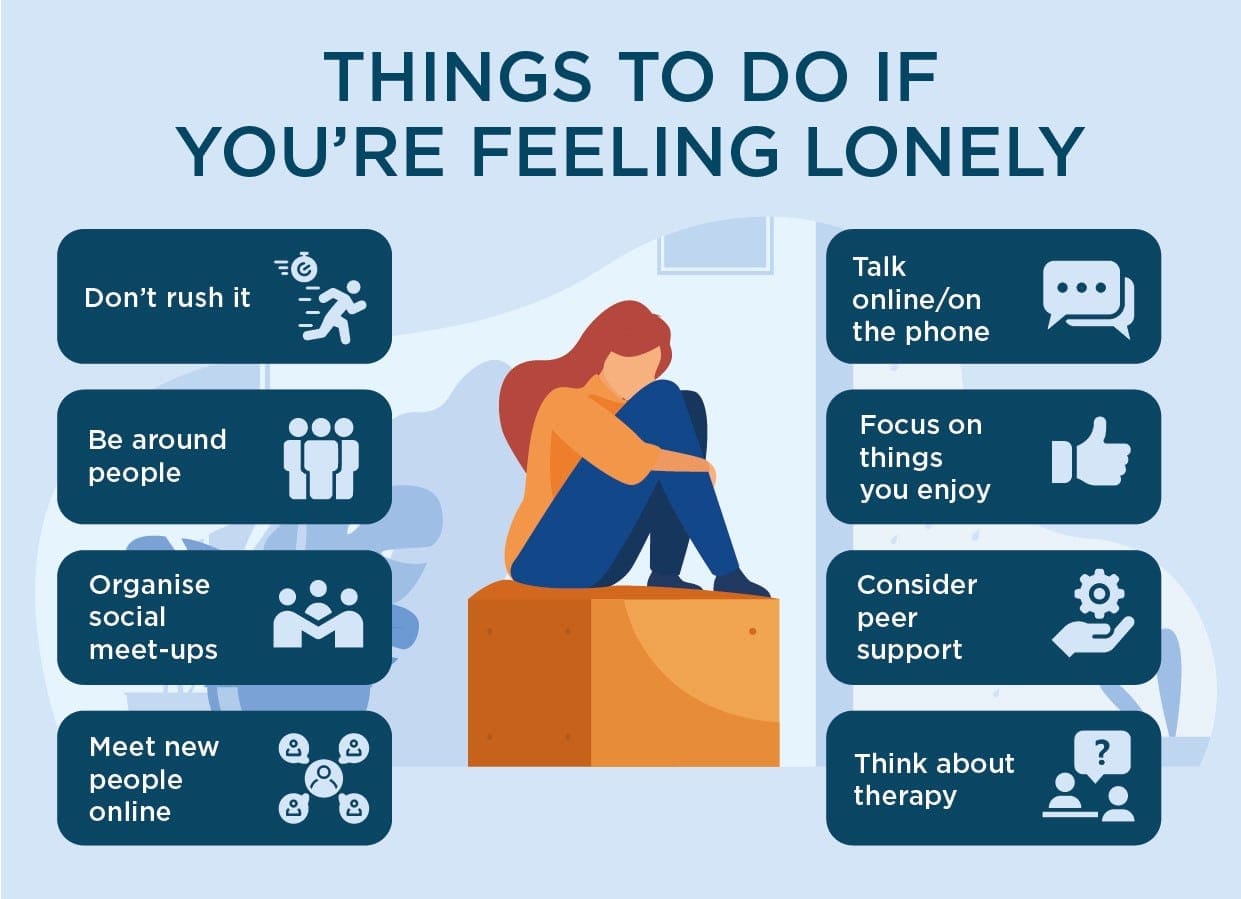
Welcome, dear reader, to a guide on the best ways to manage and reduce loneliness and isolation. In today’s fast-paced and interconnected world, it’s easy to feel isolated and disconnected from others. Whether you are struggling with feeling lonely in your daily life or facing social isolation due to various circumstances, this article will provide you with practical tips and strategies to help you feel more connected and supported. From fostering meaningful relationships to engaging in activities that bring you joy, you will discover actionable steps to combat loneliness and create a stronger sense of belonging. So grab a cup of tea, sit back, and let’s embark on this journey together to overcome loneliness and isolation. Are you feeling isolated and lonely?
Understanding Loneliness and Isolation
Loneliness and isolation can have a significant impact on your mental and physical health. It is essential to understand the difference between the two and how they can affect your overall well-being.
Loneliness refers to the feeling of being disconnected from others, even when you are surrounded by people. On the other hand, isolation is the physical separation from others, leading to limited social contact and interactions. Both loneliness and isolation can lead to depression, anxiety, and other mental health issues.
Recognizing the Signs
It’s crucial to recognize the signs of loneliness and isolation in yourself. Common signs include feeling sad or empty, lacking motivation, avoiding social interactions, and experiencing physical symptoms like headaches or stomachaches.
If you notice these signs in yourself, it’s essential to take steps to manage and reduce loneliness and isolation before they take a toll on your well-being.
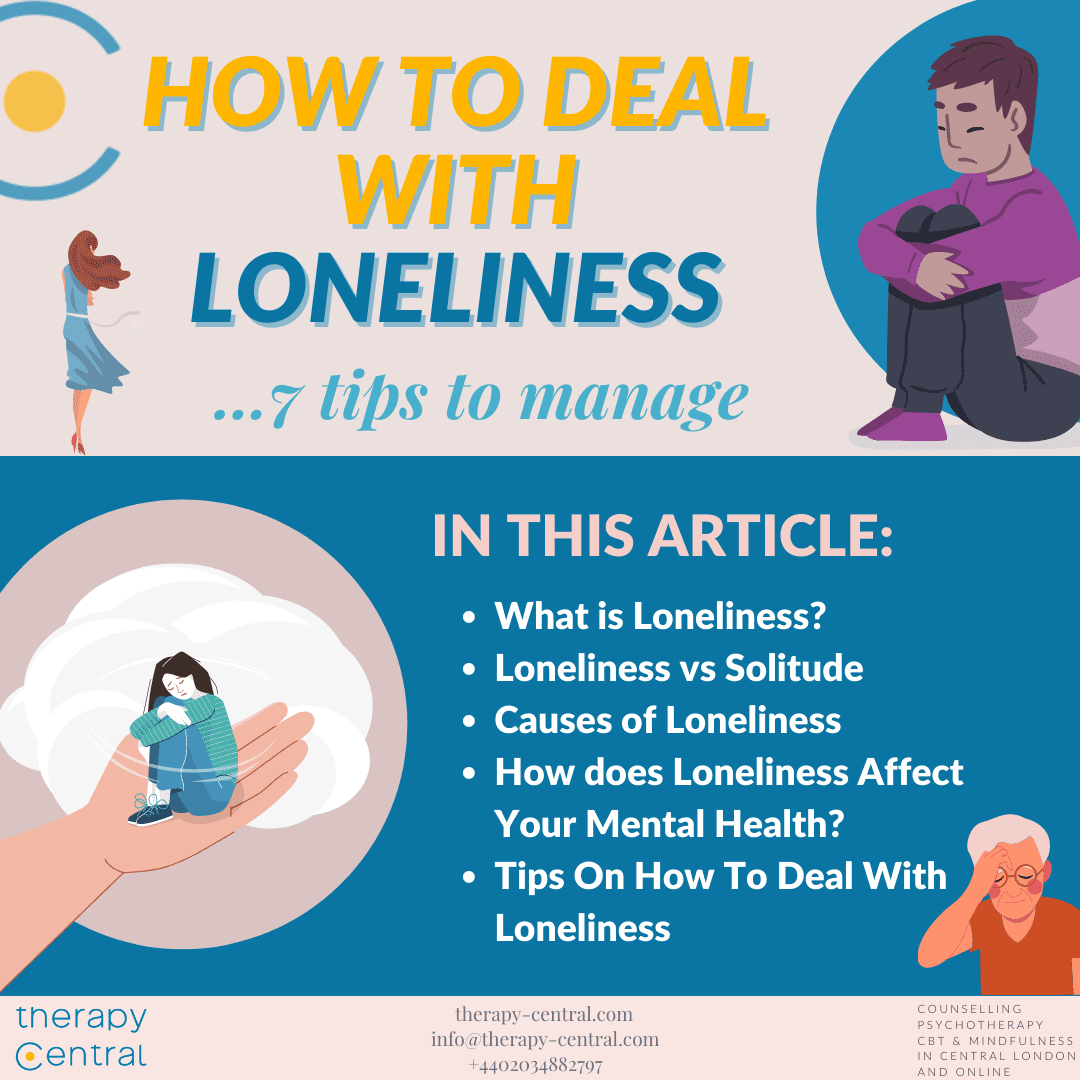
Building Meaningful Connections
Building meaningful connections with others is one of the most effective ways to combat loneliness and isolation. Forming strong relationships can provide emotional support, companionship, and a sense of belonging.
Reach Out to Friends and Family
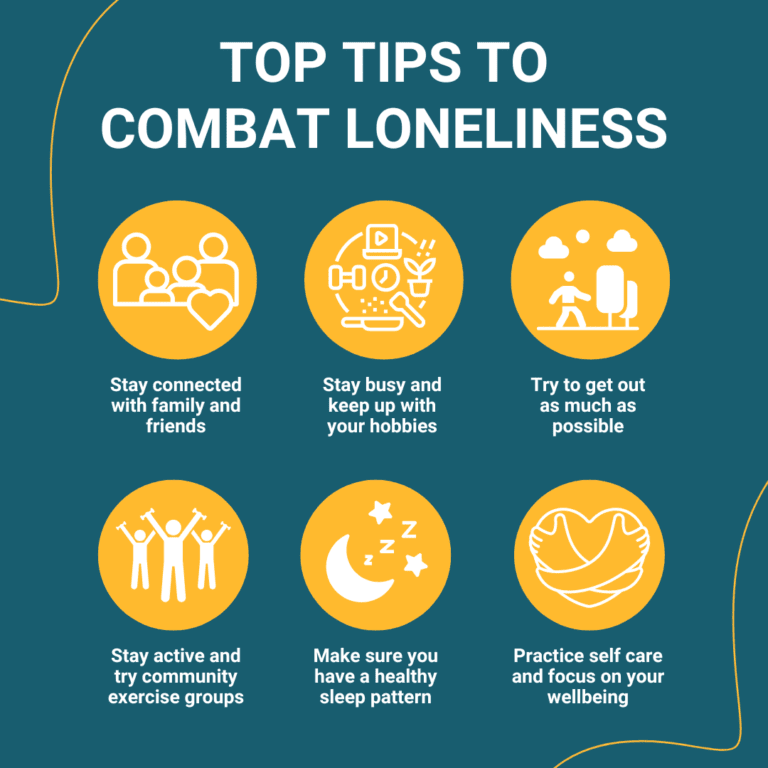
Start by reaching out to friends and family members. Schedule regular phone calls, video chats, or in-person meetups to stay connected. Share your thoughts and feelings with your loved ones and listen to theirs in return.
Communicating openly and honestly can strengthen your relationships and help you feel more supported and connected.
Join Social Groups or Clubs
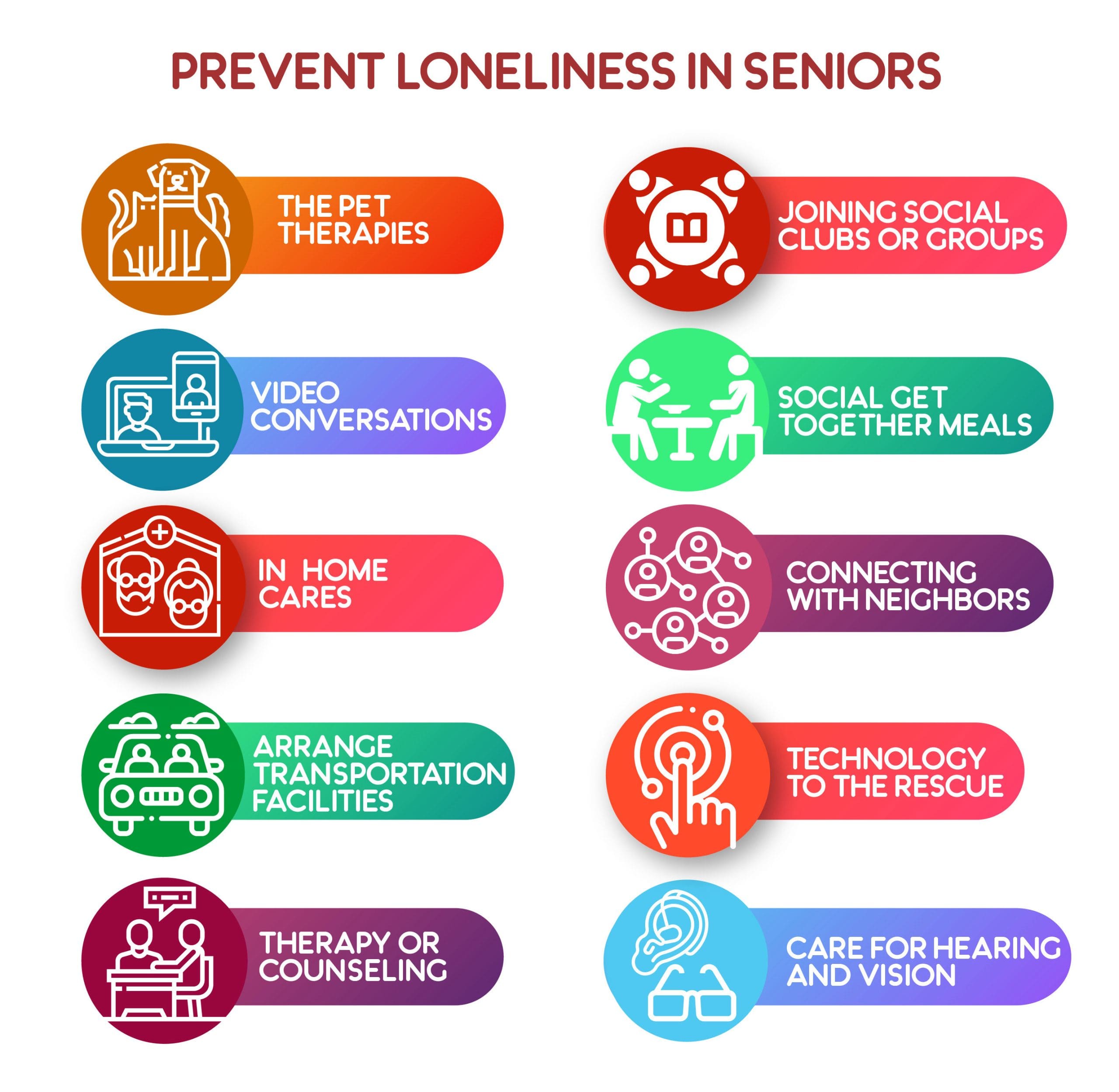
Consider joining social groups or clubs that align with your interests and hobbies. Whether it’s a book club, hiking group, or cooking class, participating in activities you enjoy can help you meet like-minded individuals and expand your social circle.
Building connections with people who share your passions can lead to meaningful friendships and a sense of community.
Practicing Self-Care
Taking care of yourself is essential when combating loneliness and isolation. Practicing self-care can help improve your mood, boost your self-esteem, and enhance your overall well-being.
Establish a Routine
Creating a daily routine can provide structure and stability in your life, reducing feelings of loneliness and isolation. Set regular waking and bedtime hours, schedule meals and activities, and make time for self-care practices like exercise, meditation, or hobbies.
A consistent routine can help you feel more grounded and connected to yourself, promoting mental and emotional health.
Prioritize Physical Health
Taking care of your physical health is crucial for combating loneliness and isolation. Make sure to prioritize regular exercise, healthy eating, and getting enough sleep. Physical activity releases endorphins, which can improve your mood and reduce feelings of loneliness.
Eating a balanced diet and getting enough rest can also help boost your overall well-being and energy levels. Prioritizing your physical health can have a positive impact on your mental health as well.
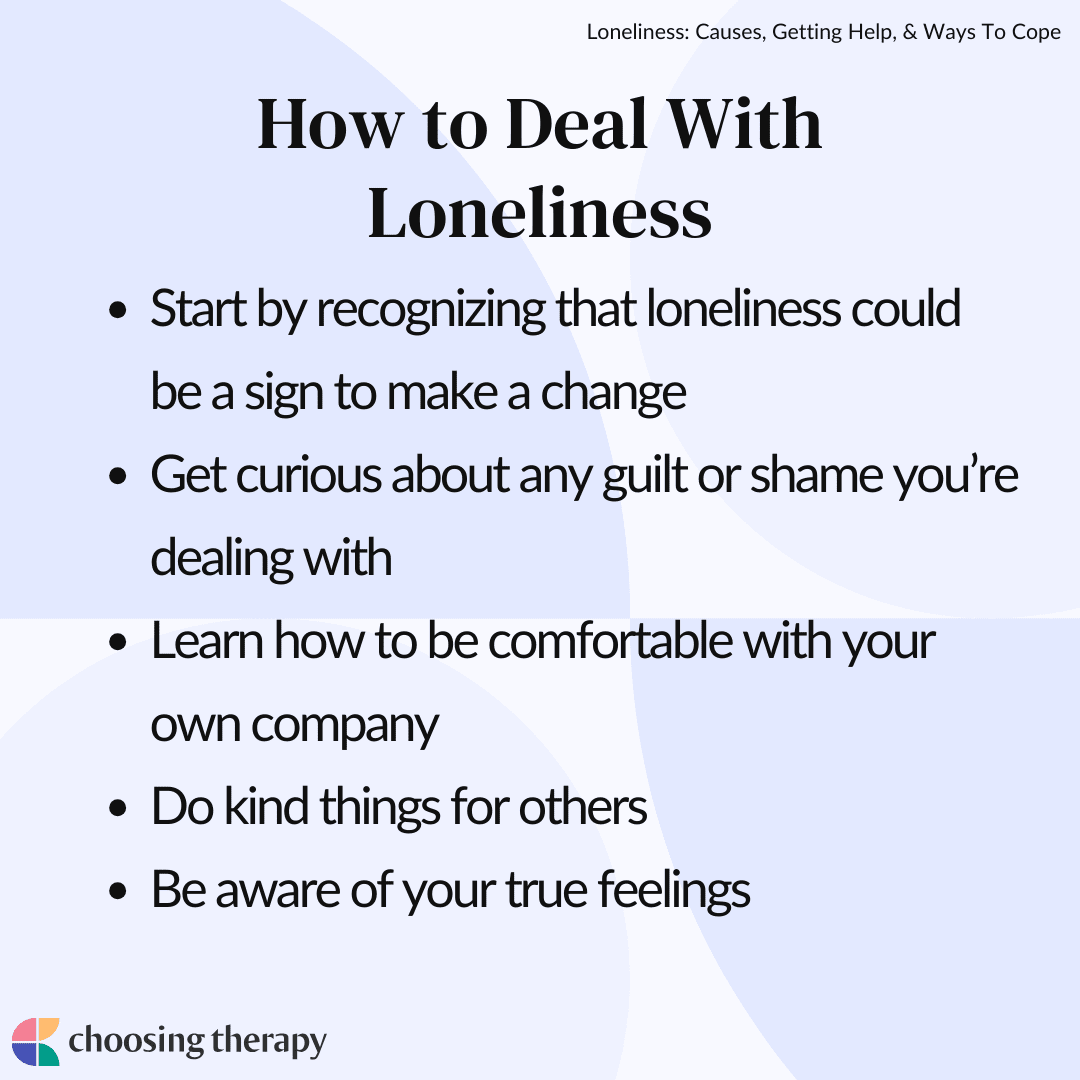
Seeking Professional Help
If you’re struggling to manage loneliness and isolation on your own, don’t hesitate to seek professional help. A mental health professional can provide you with the support and resources you need to overcome these challenges.
Therapy or Counseling
Therapy or counseling can be beneficial for addressing the underlying causes of loneliness and isolation. A mental health professional can help you explore your thoughts and feelings, develop coping strategies, and work through any issues contributing to your feelings of disconnection.
Therapy can provide you with a safe space to express yourself and receive guidance on how to improve your social connections and overall well-being.
Support Groups
Joining a support group for loneliness or isolation can connect you with others who are experiencing similar challenges. These groups offer a sense of community, understanding, and shared experiences that can help you feel less alone and more supported.
Support groups provide an opportunity to share your feelings, receive encouragement, and learn from others who are navigating similar struggles. Being part of a supportive community can help you feel more connected and understood.
Conclusion
Managing and reducing loneliness and isolation is essential for your mental and emotional well-being. By understanding the signs, building meaningful connections, practicing self-care, and seeking professional help when needed, you can combat these challenges and improve your overall quality of life.
Remember that you are not alone in feeling lonely or isolated, and there are resources and support available to help you through this difficult time. Prioritize your well-being, reach out to others, and take proactive steps to cultivate a sense of connection and belonging in your life.