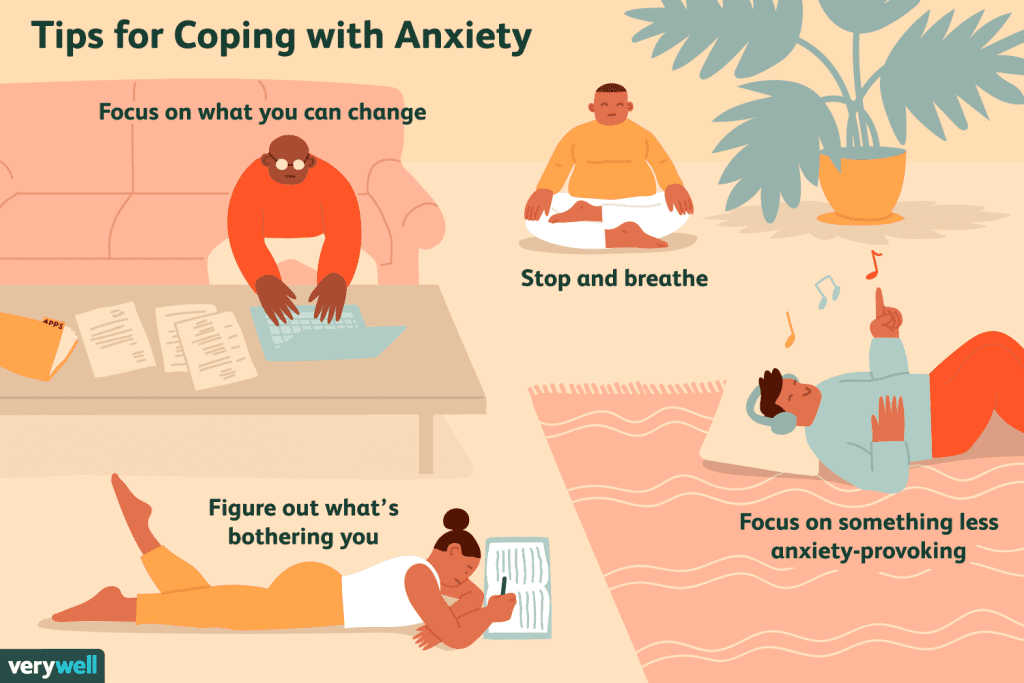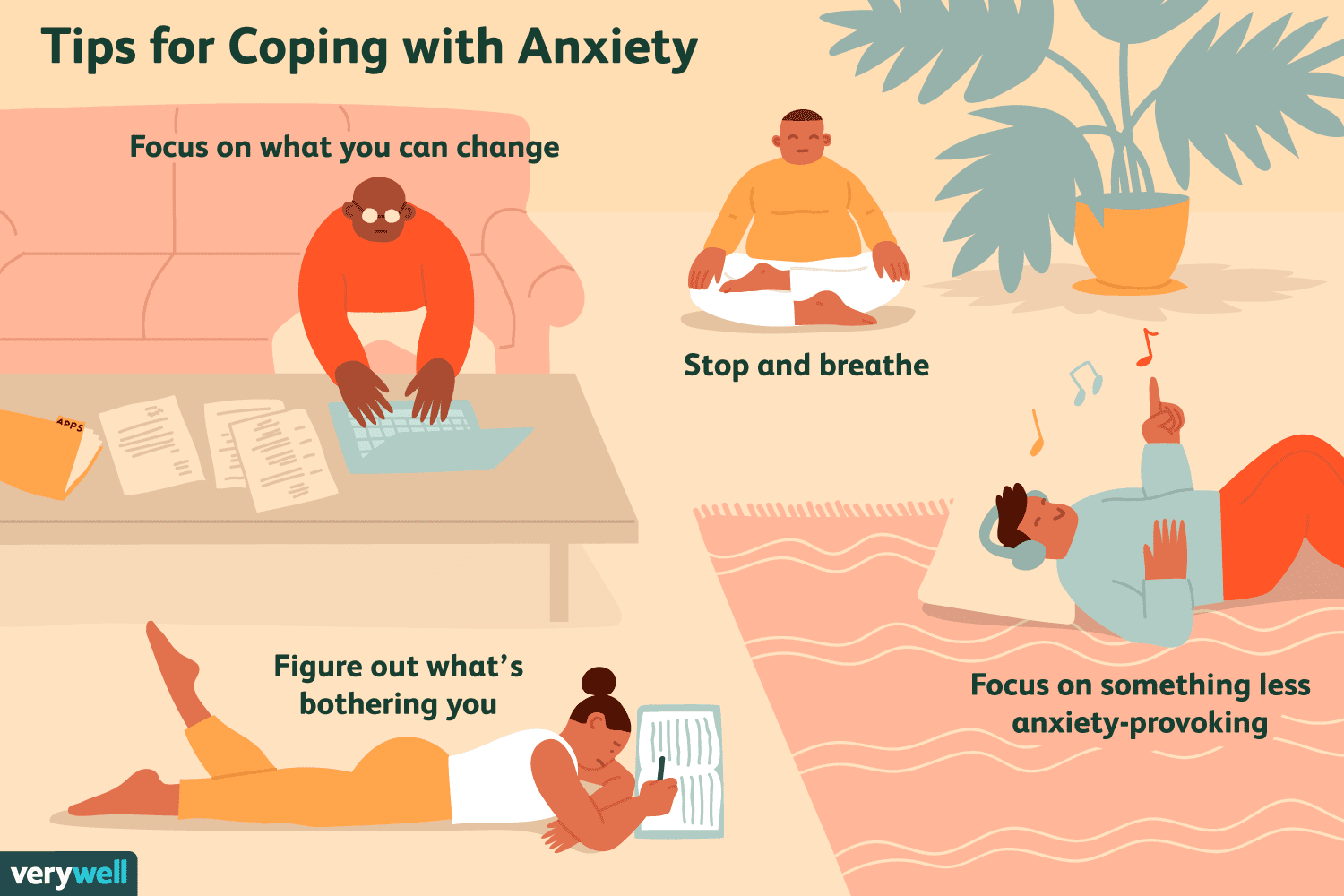
In this article, you will discover effective techniques to manage and reduce symptoms of anxiety specifically tailored for men. With a friendly and supportive tone, we will explore various strategies that can help you navigate through this overwhelming experience. Join us as we delve into proven methods to empower you in successfully coping with anxiety and reclaiming control over your life.
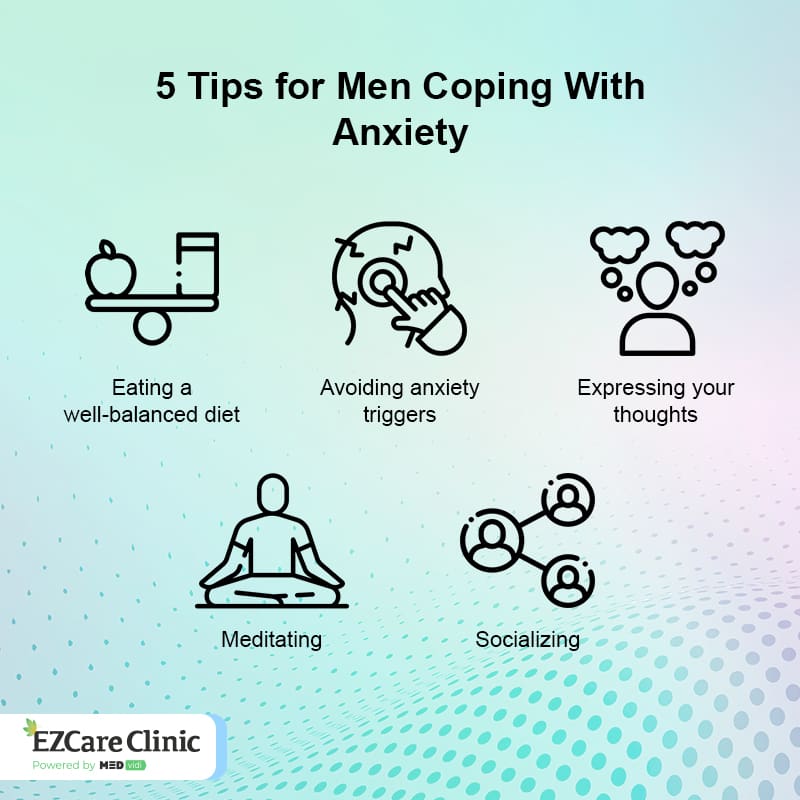
Seek Professional Help
See a Therapist
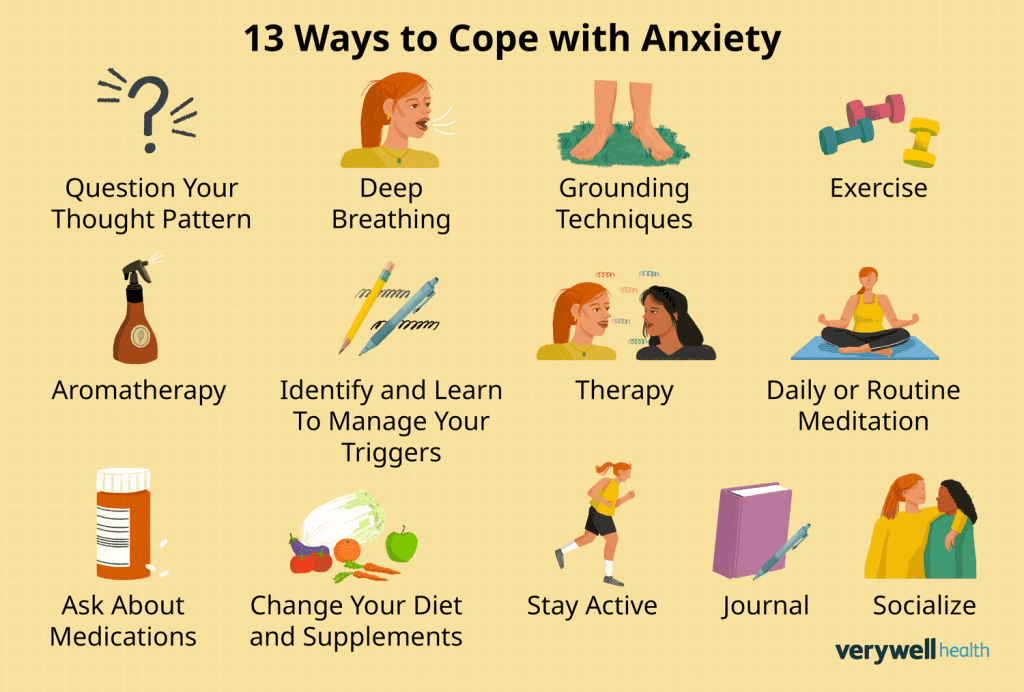
Anxiety can be overwhelming, and seeking professional help is a crucial step in managing and reducing its symptoms. A therapist can provide you with guidance, support, and effective strategies to cope with anxiety. Through therapy sessions, you can explore the underlying causes of your anxiety and learn techniques to manage triggers and symptoms. A therapist can also teach you healthy coping mechanisms and help you develop a personalized treatment plan tailored to your needs.
Consider Medications
In some cases, medication may be necessary to manage anxiety symptoms. Consult with a healthcare professional, such as a psychiatrist, who can evaluate your condition and discuss medication options. Medications like anti-anxiety drugs or antidepressants can help regulate brain chemicals and reduce anxiety symptoms. It’s important to remember that medication should be used in conjunction with therapy and other self-help strategies to achieve the best results.
Practice Mindfulness and Relaxation Techniques
Deep Breathing
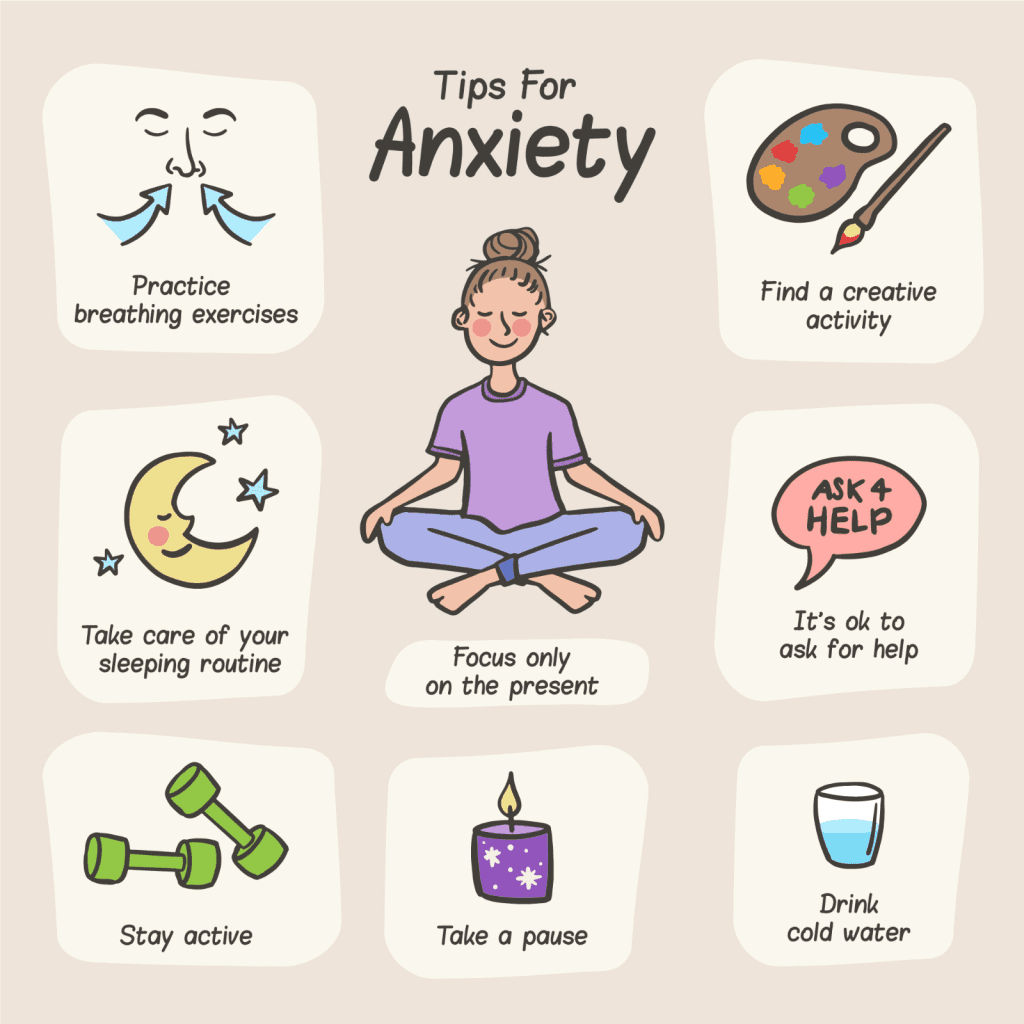
Deep breathing exercises are a simple yet powerful technique to calm your mind and body in moments of anxiety. By focusing on slow, deep breaths, you activate the relaxation response in your body, which counteracts the physical and emotional symptoms of anxiety. Start by inhaling deeply through your nose, filling your abdomen with air, and exhaling slowly through your mouth. Repeat this process several times, breathing in a relaxed and controlled manner.
Progressive Muscle Relaxation
Progressive muscle relaxation involves tensing and then releasing different muscle groups in your body. It helps alleviate tension and promotes a sense of relaxation. Begin by sitting or lying down in a comfortable position. Starting from your toes, tighten the muscles in that area for a few seconds, and then release the tension while focusing on the sensation of relaxation. Move up your body, repeating this process with each muscle group.
Meditation and Yoga
Meditation and yoga are effective mindfulness techniques that can help you manage anxiety. Meditation involves focusing your attention on the present moment, allowing your thoughts to come and go without judgment. Regular meditation practice can enhance your self-awareness and reduce anxiety-related racing thoughts. Yoga combines physical postures, breathing exercises, and meditation to promote relaxation and improve overall well-being. Incorporating these practices into your daily routine can have a positive impact on your anxiety levels.
Engage in Regular Physical Exercise
Cardiovascular Activities
Engaging in cardiovascular activities such as jogging, swimming, or cycling can significantly reduce anxiety symptoms. Physical exercise stimulates the production of endorphins, also known as “feel-good” hormones, which can elevate your mood and reduce stress. Aim for at least 30 minutes of moderate-intensity aerobic exercise most days of the week to experience the mental and physical benefits.
Strength Training
Strength training not only enhances your physical strength but also improves your mental well-being. By lifting weights or performing bodyweight exercises, you release built-up tension, boost self-confidence, and increase your overall resilience to stress. Incorporating strength training exercises into your fitness routine can be an effective way to manage anxiety symptoms.
Sports and Outdoor Activities
Engaging in sports or outdoor activities provides an opportunity to distract your mind from anxious thoughts and enjoy the present moment. Whether it’s playing soccer, hiking, or going for a bike ride, participating in enjoyable physical activities helps reduce stress and promotes a sense of accomplishment. Additionally, being in nature has a calming effect on the mind, enabling you to find tranquility and peace amidst anxiety.
Maintain a Healthy Lifestyle
Eat a Balanced Diet
Proper nutrition plays a vital role in managing anxiety symptoms. A balanced diet consisting of whole grains, lean proteins, fruits, vegetables, and healthy fats provides the necessary nutrients to support your mental health. Avoid excessive consumption of processed foods, sugary snacks, and caffeine, as they can exacerbate anxiety symptoms. Opt for foods rich in omega-3 fatty acids, such as fatty fish or flaxseeds, which have been shown to have a positive impact on anxiety.
Get Adequate Sleep
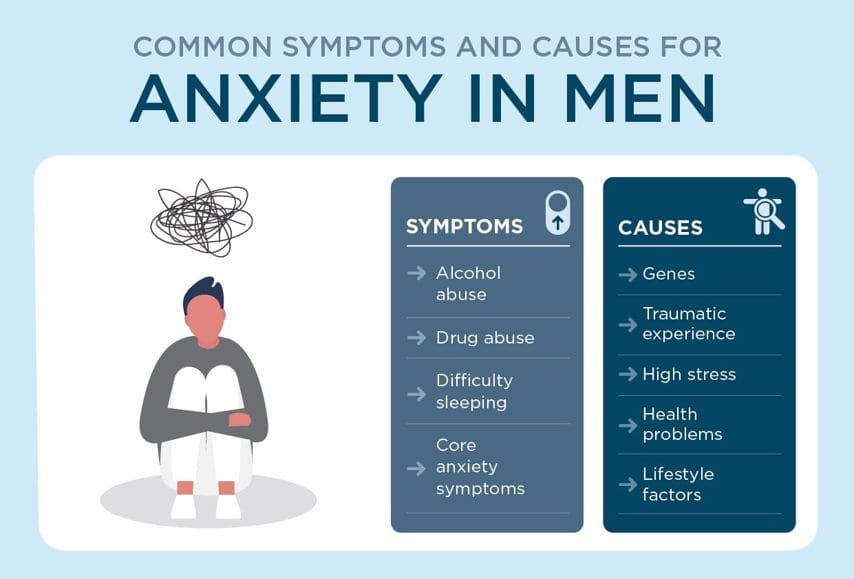
A good night’s sleep is essential for overall mental well-being and the management of anxiety. Aim for 7-9 hours of quality sleep each night by adopting healthy sleep habits. Create a soothing bedtime routine, avoid stimulating activities before bed, and ensure your bedroom is conducive to sleep. By prioritizing sleep, you provide your mind and body with the rest they need to effectively cope with anxiety symptoms.
Limit Alcohol and Caffeine
While alcohol may temporarily alleviate anxiety symptoms, excessive consumption can have detrimental effects on your mental health. Alcohol acts as a depressant, potentially worsening anxiety symptoms and interfering with sleep patterns. Similarly, caffeine found in coffee, tea, and energy drinks can heighten anxiety levels. It’s important to limit alcohol intake and reduce caffeine consumption to help manage anxiety effectively.
Establish a Routine
Set a Schedule
Creating and sticking to a daily schedule can provide a sense of structure and stability, thereby reducing anxiety. Plan your day by allocating specific times for tasks, meals, self-care, and leisure activities. Having a clear schedule helps reduce overwhelming thoughts and enables you to effectively manage your time and responsibilities.
Prioritize Tasks
Feeling overwhelmed by a long to-do list can contribute to anxiety. To manage this, identify your priorities and break tasks into smaller, manageable steps. Focus on one task at a time and tackle the most important ones first. By prioritizing tasks, you can alleviate stress and increase productivity, leading to a greater sense of accomplishment and reduced anxiety.
Take Breaks
Taking regular breaks throughout the day is crucial to prevent burnout and manage anxiety levels. Prolonged periods of work or excessive stress without breaks can increase anxiety symptoms. Incorporate short breaks into your schedule by engaging in activities you enjoy, such as listening to music, going for a walk, or practicing relaxation techniques. These breaks allow your mind to recharge, promoting overall well-being and reducing anxiety.
Connect with Supportive People
Talk to Friends and Family
When navigating anxiety, it’s essential to have a supportive network of friends and family. Reach out to your loved ones and share your thoughts and feelings with them. Talking openly about your anxiety can provide emotional support, reassurance, and different perspectives. Simply knowing that others understand and are there for you can greatly reduce anxiety and foster a sense of belonging.
Join Support Groups
Support groups offer a unique platform to connect with individuals who have similar experiences and challenges. Joining a support group for anxiety enables you to share your journey, learn from others, and gain insights and coping strategies. It provides a safe and understanding environment where you can explore your feelings, gain support, and realize that you are not alone in your struggles.
Manage Stress Levels
Identify Stressors
Understanding what triggers your anxiety is crucial in managing stress levels. Take note of situations, environments, or events that consistently heighten your anxiety. By identifying stressors, you can develop strategies to avoid or minimize their impact on your mental well-being. This may involve setting boundaries, avoiding certain situations, or practicing relaxation techniques when faced with stress triggers.
Practice Stress Management Techniques
Implementing stress management techniques is key to reducing anxiety symptoms. Explore different strategies, such as journaling, listening to music, engaging in hobbies, or practicing mindfulness exercises. Experiment with various techniques to find what works best for you and incorporate them into your daily routine. By actively managing stress, you can enhance your ability to cope with anxiety and maintain a healthier state of mind.
Challenge Negative Thinking
Identify Irrational Thoughts
Anxiety often accompanies negative thinking patterns that are irrational and unrealistic. Identify these distorted thoughts by paying attention to your internal dialogue. Notice when your thoughts are catastrophic, all-or-nothing, or self-deprecating. By becoming aware of these patterns, you can challenge them and replace them with more rational and positive thoughts.
Reframe Negative Thoughts
Once you have identified negative thoughts, practice reframing them in a more constructive and realistic way. Replace irrational thoughts with positive affirmations and evidence-based statements. For example, instead of thinking “I’m a failure,” reframe it as “I may face challenges, but I have overcome obstacles before, and I have the strength to overcome this one too.” By reframing negative thoughts, you can cultivate a more resilient mindset and reduce anxiety.
Take Care of Physical Health
Maintain Regular Check-ups
Regular check-ups with healthcare professionals are essential for overall well-being, including managing anxiety. Speak with your primary care physician and attend routine physical and mental health screenings. These check-ups allow healthcare providers to monitor your health, identify any underlying conditions, and provide guidance on managing anxiety alongside other health concerns.
Manage Chronic Conditions
If you have pre-existing chronic conditions, managing them effectively is crucial for minimizing anxiety symptoms. Work closely with your healthcare team to monitor and treat chronic conditions such as hypertension, diabetes, or asthma. Taking steps to manage your physical health can improve your overall well-being and reduce anxiety related to health concerns.
Avoid Substance Abuse
Avoid Drugs and Excessive Alcohol
While substances like drugs or alcohol may temporarily alleviate anxiety symptoms, they can ultimately worsen the condition and lead to addiction. Substance abuse interferes with the brain’s chemistry and can exacerbate symptoms of anxiety and depression. It’s important to avoid drugs and excessive alcohol consumption as they can have severe consequences on your mental and physical health. Instead, focus on implementing healthy coping mechanisms and seeking professional help when needed.
Managing and reducing anxiety symptoms is an ongoing process that requires patience, commitment, and the right support network. By implementing these strategies and seeking professional guidance, you can regain control over your anxiety and lead a more fulfilling and peaceful life. Remember, you are not alone, and there is help available to support you through your journey towards managing anxiety.