Menopause can be an overwhelming phase in a woman’s life, but there are effective ways to alleviate the symptoms naturally. From hot flashes to mood swings, finding relief can greatly improve your daily life. In this article, we will explore the best methods to manage menopausal symptoms naturally, empowering you with knowledge and tools to navigate this transition with ease. Let’s uncover these tried-and-true techniques that can provide comfort and empower you to embrace this new chapter in your life.
Lifestyle Changes
Maintain a Healthy Diet
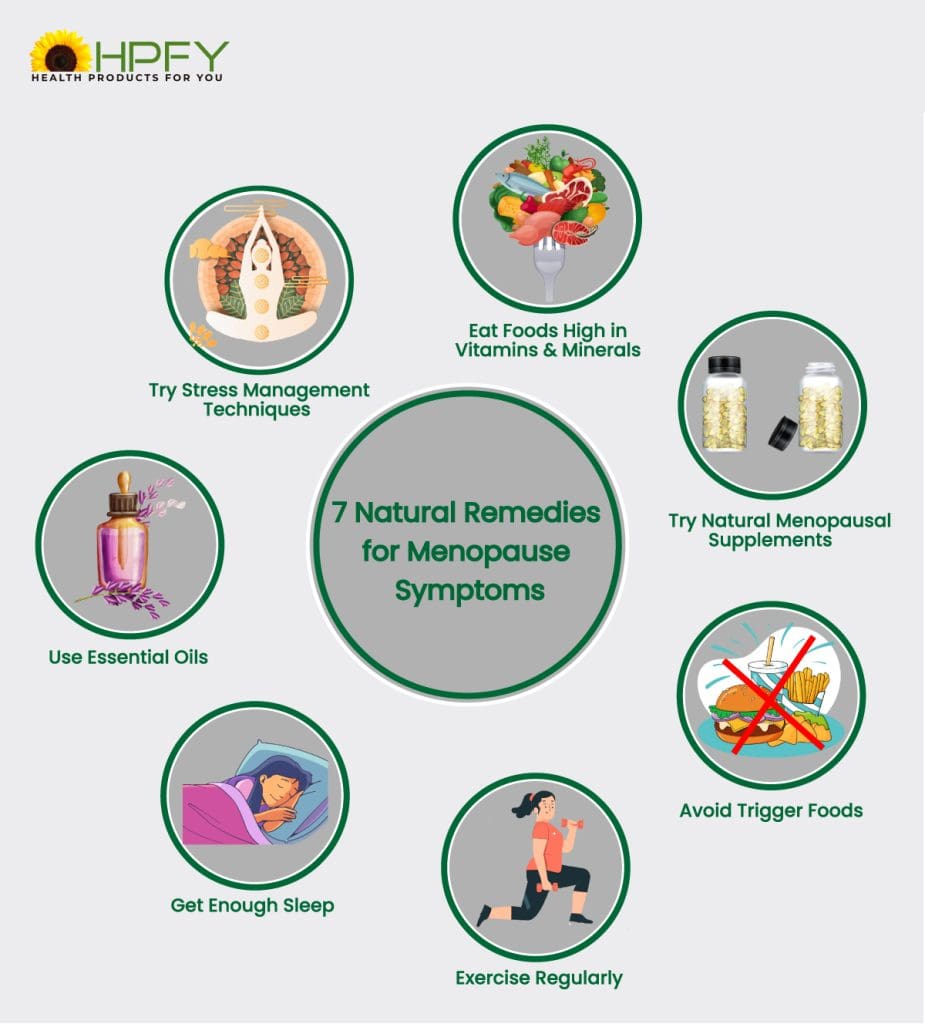
During menopause, it’s important to pay extra attention to your diet. Consuming a healthy, balanced diet can help alleviate symptoms and improve your overall well-being. Incorporate plenty of fruits, vegetables, whole grains, lean proteins, and healthy fats into your meals. These nutrient-rich foods provide essential vitamins, minerals, and antioxidants that support your body during this transitional phase. Additionally, limiting processed foods, sugary snacks, and caffeine can help reduce hot flashes and boost your energy levels.
Exercise Regularly
Regular physical activity is crucial for managing menopausal symptoms. Engaging in exercises such as walking, jogging, swimming, or cycling helps maintain a healthy weight, improve mood, boost energy, and reduce the risk of chronic diseases. Aim for at least 30 minutes of moderate-intensity exercise most days of the week. Don’t forget to include strength training exercises to support bone health and maintain muscle mass.
Get Enough Sleep
Sleep disturbances are common during menopause, but getting enough rest is vital for your overall health and well-being. Make sleep a priority by establishing a relaxing bedtime routine. Avoid stimulating activities or electronics before bed and create a comfortable sleep environment that promotes relaxation. If hot flashes disrupt your sleep, try wearing lightweight, breathable sleepwear and using cooling pillows or sheets.
Manage Stress Levels
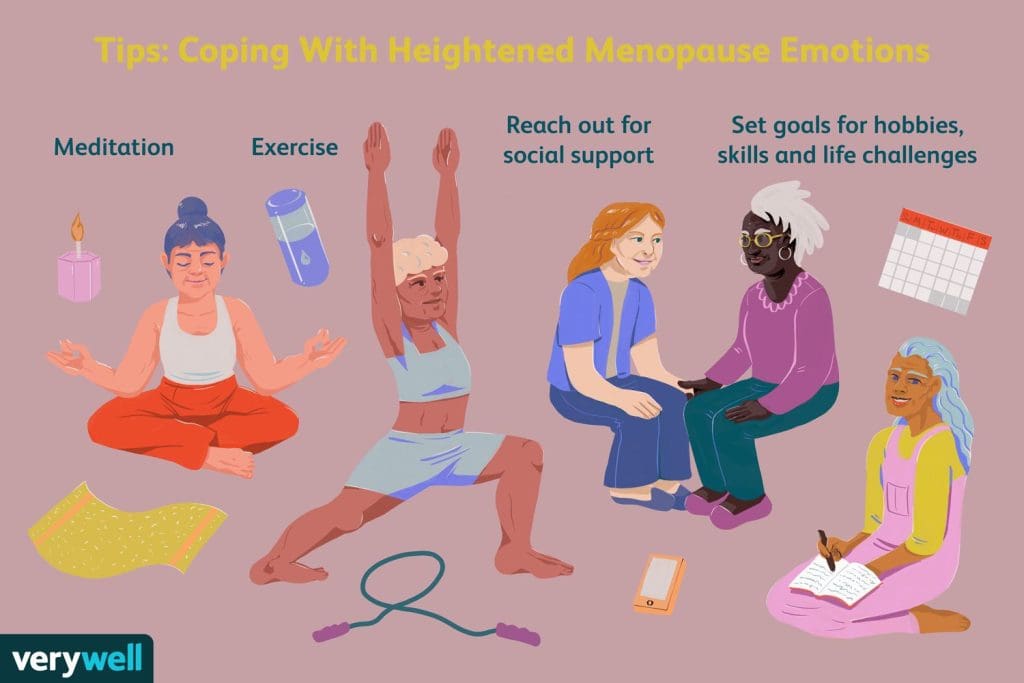
Menopause can bring about an increase in stress levels, which can exacerbate symptoms such as hot flashes and mood swings. It’s essential to find effective ways to manage stress for a smoother menopausal transition. Incorporating stress-reducing activities such as yoga, meditation, deep breathing exercises, or engaging in hobbies you enjoy can significantly decrease stress levels. Additionally, learn to prioritize self-care and set boundaries to minimize unnecessary stressors in your life.
Herbal Remedies
Black Cohosh
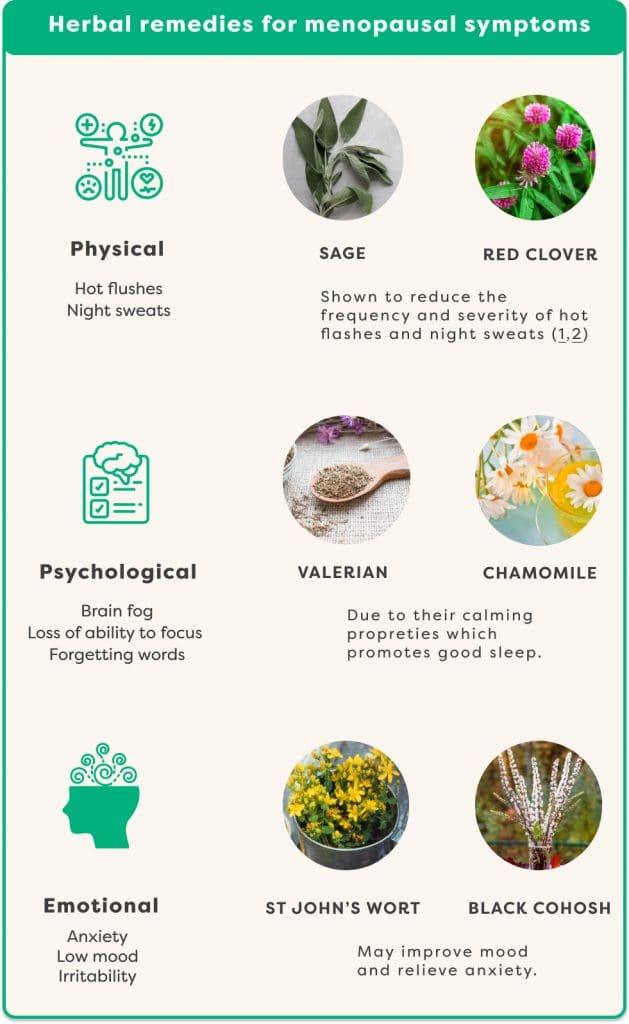
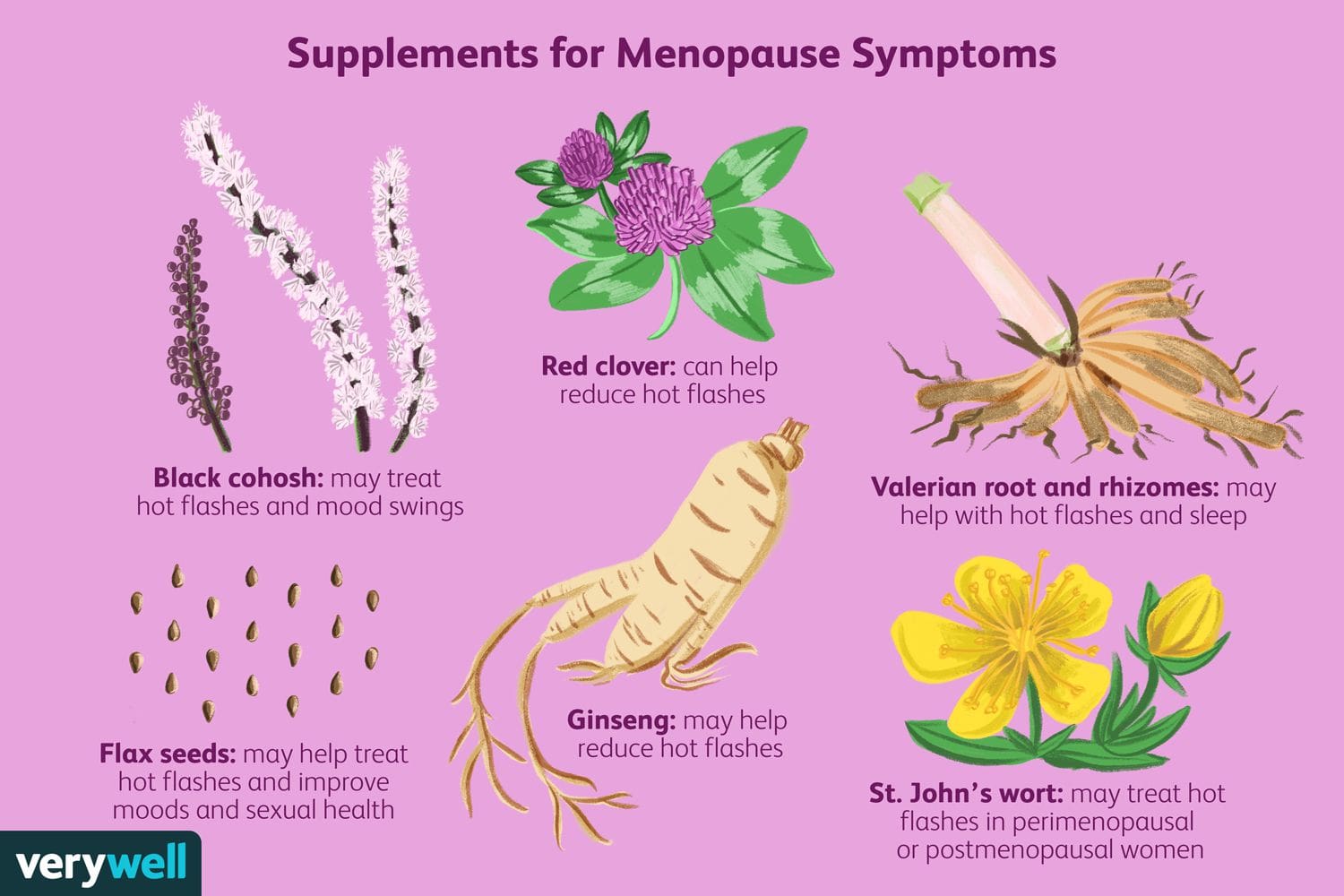
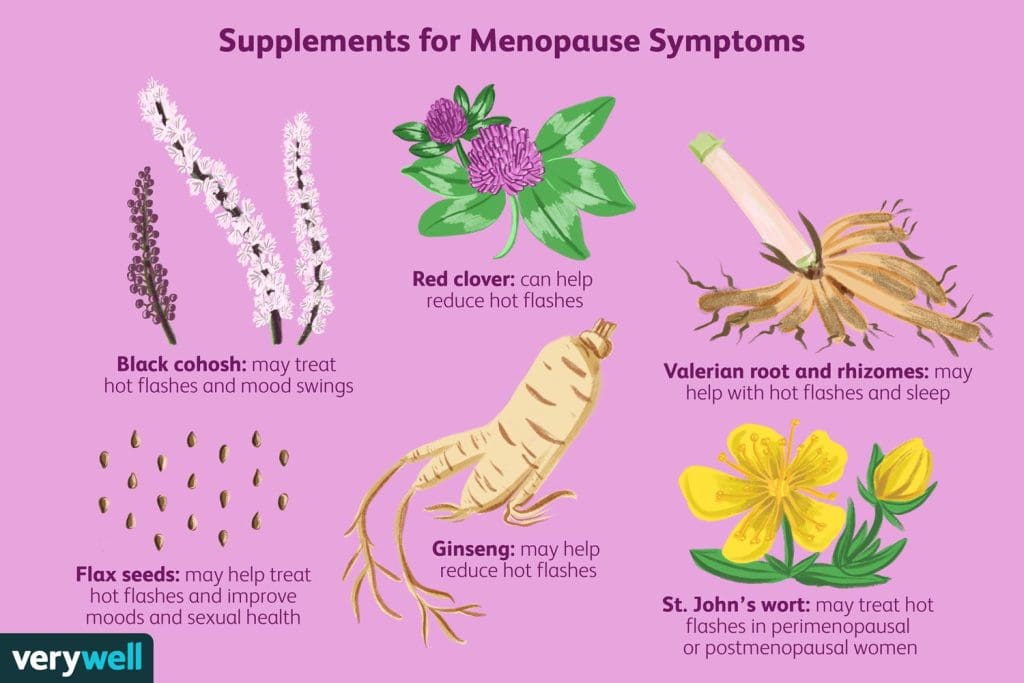
Black cohosh is a popular herbal remedy for managing menopausal symptoms such as hot flashes, night sweats, and mood swings. It is believed to have estrogen-like effects on the body, which can help balance hormone levels. While research on its efficacy is mixed, many women have found relief with black cohosh supplements or teas. However, it’s important to consult with a healthcare professional before starting any new herbal remedy.
Red Clover
Red clover is another commonly used herbal remedy for menopause symptom relief. It contains compounds called isoflavones, which have estrogen-like effects. These isoflavones may help alleviate hot flashes, night sweats, and improve bone density. While more research is needed, red clover supplements have shown promising results for some women. Again, consult with a healthcare professional before incorporating red clover into your routine.
Evening Primrose Oil
Evening primrose oil is derived from the seeds of the evening primrose plant and is often used to manage menopausal symptoms such as breast pain and hot flashes. It contains gamma-linolenic acid (GLA), an essential fatty acid that may help regulate hormone levels. While studies on evening primrose oil’s effectiveness are limited, some women have reported improvements in their symptoms. As always, consult with a healthcare professional before starting any new supplement.
Sage
Sage has been traditionally used for centuries to alleviate menopausal symptoms such as hot flashes and night sweats. It contains compounds that may help regulate body temperature and reduce excessive sweating. Some women find relief by incorporating sage tea or dried sage leaves into their daily routine. However, it’s important to note that sage should be used in moderation, as excessive consumption may have adverse effects.
Dietary Supplements
Calcium and Vitamin D
During menopause, the risk of osteoporosis increases due to hormonal changes. Adequate calcium and vitamin D intake are essential for maintaining strong bones and reducing the risk of fractures. Include calcium-rich foods such as dairy products, leafy greens, and fortified foods in your diet. Additionally, consider a calcium and vitamin D supplement if your diet falls short of the recommended daily intake.
Magnesium
Magnesium plays a crucial role in hormone regulation, mood stability, and sleep quality. It can also help alleviate muscle cramps and promote relaxation. Incorporate magnesium-rich foods such as nuts, seeds, whole grains, and leafy vegetables into your diet. If needed, magnesium supplements are available, but it’s always best to consult with a healthcare professional before starting any new supplement.
Vitamin E
Vitamin E is known for its antioxidant properties and potential benefits in managing menopausal symptoms. Some studies suggest that vitamin E may help reduce the frequency and severity of hot flashes. While more research is needed to fully understand its effectiveness, incorporating vitamin E-rich foods like nuts, seeds, and vegetable oils into your diet is a good idea. However, avoid taking high-dose vitamin E supplements, as they may have negative health effects.
Omega-3 Fatty Acids
Omega-3 fatty acids have anti-inflammatory properties and may help reduce the severity of hot flashes and mood swings. Eating fatty fish like salmon, mackerel, and sardines, as well as incorporating flaxseeds, chia seeds, and walnuts into your diet, can provide a good source of omega-3 fatty acids. If necessary, omega-3 supplements are available, but consult with a healthcare professional to determine the appropriate dosage for you.
Acupuncture
Promotes Hormone Balance
Acupuncture, a traditional Chinese medicine practice, is believed to help regulate hormone levels by stimulating specific points in the body. By promoting balance in the endocrine system, acupuncture may help alleviate menopausal symptoms such as hot flashes, night sweats, and mood swings.
Alleviates Hot Flashes
Hot flashes are one of the most common and bothersome symptoms of menopause. Acupuncture has been shown to reduce the frequency and intensity of hot flashes. The insertion of thin needles into specific points on the body stimulates the release of endorphins and promotes a sense of relaxation, providing relief from hot flashes.
Improves Sleep Quality
Sleep disturbances are often experienced during menopause. Acupuncture may help improve sleep quality by reducing insomnia, night sweats, and other sleep-related issues. By promoting relaxation and regulating the production of certain neurotransmitters, acupuncture can help improve your sleep patterns and ensure you wake up feeling refreshed.
Reduces Mood Swings
Mood swings and emotional instability are common during menopause due to hormonal fluctuations. Acupuncture can help regulate these hormonal shifts and reduce mood swings. By stimulating specific points in the body, acupuncture releases endorphins and serotonin, which are known to improve mood and promote emotional well-being.
Yoga and Meditation
Increases Relaxation
Yoga and meditation are powerful practices that can help promote relaxation and relieve stress. Engaging in gentle yoga poses and practicing mindfulness meditation can activate the body’s relaxation response, leading to a sense of calmness and tranquility. These practices help reduce anxiety and promote overall well-being during menopause.
Helps Manage Stress
The hormonal changes that occur during menopause can sometimes lead to increased stress levels. Yoga and meditation offer effective tools for managing stress. The combination of gentle movements, deep breathing, and focused awareness helps regulate the hormonal responses associated with stress and promotes a state of mental and emotional balance.
Improves Sleep
Sleep disturbances are a common complaint among menopausal women. Yoga and meditation can help improve sleep quality by promoting relaxation and reducing anxiety. Incorporating these practices into your routine can create a bedtime ritual that signals your body and mind to unwind, preparing you for a restful night’s sleep.
Enhances Overall Well-being
The holistic nature of yoga and meditation makes them beneficial for overall well-being during menopause. These practices not only address physical symptoms but also cultivate mental and emotional resilience. Regular practice can provide a sense of empowerment, increased self-awareness, and a greater sense of connection with oneself.
Essential Oils
Lavender Oil
Lavender oil is widely known for its calming and soothing properties. It can help reduce stress, anxiety, and promote relaxation. Diffusing lavender oil in your living space, adding a few drops to a warm bath, or using it in a massage oil can provide relief from menopausal symptoms such as mood swings and sleep disturbances.
Peppermint Oil
Peppermint oil has invigorating and cooling properties that can help alleviate hot flashes. Applying a diluted solution of peppermint oil to the back of your neck or using it in a cold compress during a hot flash can provide a refreshing and cooling sensation, reducing the intensity and frequency of hot flashes.
Geranium Oil
Geranium oil is known for its hormone-balancing properties and can help regulate hormonal fluctuations during menopause. It can also help alleviate mood swings, irritability, and anxiety. Dilute geranium oil in a carrier oil and apply it to your wrists, temples, or behind your ears for a calming and balancing effect.
Clary Sage Oil
Clary sage oil is commonly used to relieve menopausal symptoms such as hot flashes, night sweats, and sleep disturbances. It has hormone-regulating properties that can provide relief from hormonal imbalances during menopause. Dilute clary sage oil in a carrier oil and use it in a massage or add a few drops to a warm bath for a relaxing and soothing experience.
Mindful Breathing Techniques
Deep Belly Breathing
Deep belly breathing, also known as diaphragmatic breathing, is a simple yet effective technique for reducing stress and promoting relaxation. By focusing on deep, slow breaths that expand your belly rather than your chest, you activate the relaxation response in your body, reducing menopausal symptoms such as hot flashes and anxiety.
Alternate Nostril Breathing
Alternate nostril breathing is a yogic breathing technique that helps balance the nervous system and calm the mind. By using your fingers to switch between nostrils while inhaling and exhaling, you create a balance between the left and right hemispheres of the brain, promoting mental clarity, reducing stress, and improving overall well-being.
Pursed Lip Breathing
Pursed lip breathing is a breathing technique that involves inhaling deeply through the nose and exhaling slowly through pursed lips. This technique helps regulate breathing, reduce breathlessness, and promote relaxation. It can be particularly helpful during hot flashes or moments of anxiety.
Box Breathing
Box breathing, also known as square breathing, is a technique that involves inhaling, holding the breath, exhaling, and holding again in a rhythmic pattern. This technique helps activate the body’s relaxation response, reduce stress, and promote a sense of calmness. It can be practiced anytime, anywhere, making it a convenient tool to manage menopausal symptoms.
Healthy Weight Management
Maintaining a Healthy BMI
Maintaining a healthy weight is crucial for managing menopausal symptoms and reducing the risk of chronic diseases. The hormonal changes that occur during menopause can lead to weight gain, especially around the abdomen. By adopting a balanced diet and engaging in regular physical activity, you can achieve and maintain a healthy body weight, improving your overall health and well-being.
Balancing Hormone Levels
Maintaining a healthy weight contributes to balanced hormone levels during menopause. Excess body fat can increase estrogen production, leading to hormonal imbalances. By maintaining a healthy body mass index (BMI), you help regulate your hormones, reducing the severity of menopausal symptoms and improving your overall quality of life.
Reducing Risk of Heart Disease
Heart disease risk increases during menopause due to hormonal changes and aging. Proper weight management plays a crucial role in reducing this risk. By maintaining a healthy weight, eating a heart-healthy diet, and exercising regularly, you can lower cholesterol levels, control blood pressure, and reduce the risk of heart disease.
Improving Overall Health
Healthy weight management has numerous benefits for overall health and well-being. Aside from reducing menopausal symptoms, maintaining a healthy weight lowers the risk of chronic diseases such as diabetes, certain cancers, and joint problems. It improves immune function, increases energy levels, and enhances overall quality of life.
Adequate Hydration
Drink Plenty of Water
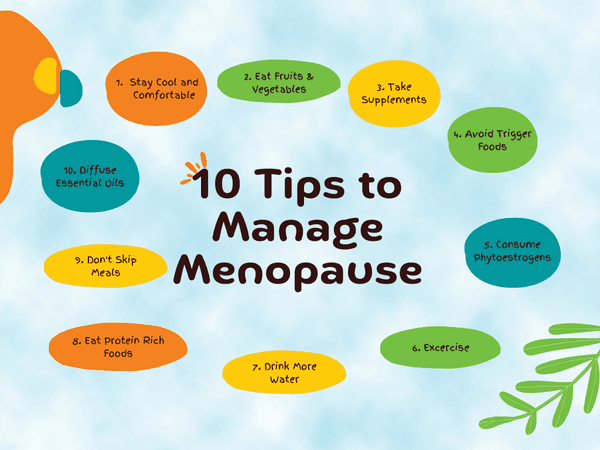
Staying properly hydrated is essential during menopause. Drinking plenty of water helps regulate body temperature, flush out toxins, and improve overall bodily functions. Aim to drink at least eight glasses of water each day. If you struggle with plain water, infuse it with fresh fruits or herbs to add flavor.
Limit Caffeine and Alcohol
Caffeine and alcohol can exacerbate menopausal symptoms such as hot flashes and night sweats. They can also interfere with your sleep quality. Limit your intake of caffeinated beverages like coffee, tea, and soda. Likewise, moderate your alcohol consumption to minimize the impact on your body and promote better hormonal balance.
Include Hydrating Foods
Hydration doesn’t solely come from drinking water. Many fruits and vegetables have high water content and can contribute to your overall hydration levels. Include hydrating foods in your diet, such as cucumbers, watermelon, strawberries, oranges, celery, and leafy greens. These foods not only provide water but also valuable nutrients that support your health.
Use a Humidifier
Dryness and discomfort are common during menopause due to hormonal and physiological changes. Using a humidifier in your home can help ease these symptoms by increasing moisture in the air. This can alleviate dry skin, dry eyes, and nasal congestion, helping you feel more comfortable and hydrated throughout the day.
Supportive Therapies
Cognitive-Behavioral Therapy (CBT)
Cognitive-behavioral therapy (CBT) is a type of talk therapy that can help women manage and cope with menopausal symptoms. It focuses on identifying negative thought patterns and behaviors and replacing them with positive and adaptive ones. CBT can be beneficial for reducing anxiety, managing stress, and improving overall emotional well-being during menopause.
Support Groups
Joining a support group can provide a valuable sense of community and understanding during the menopausal transition. Connecting with other women experiencing similar challenges can be empowering and comforting. Support groups offer a safe space to share experiences, exchange advice, and receive emotional support, helping you navigate through this phase more confidently.
Hormone Replacement Therapy (HRT) Discussions
Hormone replacement therapy (HRT) involves the use of medications containing female hormones to supplement the body’s declining hormone levels during menopause. If you’re considering HRT, engaging in open discussions with healthcare professionals can help you make informed decisions. They can provide guidance, answer your questions, and discuss the potential benefits and risks associated with HRT.
Seeking Professional Help
If you find that menopausal symptoms are significantly impacting your daily life or emotional well-being, don’t hesitate to seek professional help. Healthcare professionals specializing in women’s health or menopause can provide personalized guidance, suggest appropriate treatment options, and offer support tailored to your needs. Remember, you don’t have to face menopause alone, and seeking help is a sign of strength.