Are you looking for ways to improve your eating habits and maintain a balanced and sustainable diet? Look no further! In this article, we will explore the best ways to meal plan in order to achieve your health and wellness goals. With these practical tips and tricks, you’ll be able to create nutritious and delicious meals that nourish your body and promote overall well-being. Whether you’re a beginner or a seasoned meal prepper, there’s something for everyone in this guide. So grab a pen and paper, and let’s get started on your journey to a healthier lifestyle!
1. Set goals and define your priorities
When embarking on a journey to improve your health and fitness, it is essential to set clear goals and define your priorities. Take some time to reflect on what you want to achieve and why it is important to you. Are you looking to lose weight, gain muscle, or simply improve your overall well-being? By clearly identifying your health and fitness goals, you will have a clear direction to guide your meal planning and dietary choices.
In addition to determining your health and fitness goals, it is crucial to identify your dietary priorities. Do you have any specific dietary restrictions or preferences, such as being vegetarian, vegan, or gluten-free? Consider any allergies or intolerances you may have, as well as your ethical beliefs and values around food. By understanding your dietary priorities, you can ensure that your meal plans are aligned with your needs and preferences.
2. Assess your current eating habits
Before you start meal planning, it is important to assess your current eating habits. Keeping a food diary can be a helpful tool in this process. Write down everything you eat and drink for a week, including portion sizes and any snacks or meals eaten outside of the home. This will give you a comprehensive picture of your current nutrient intake.
Once you have a clear record of your eating habits, evaluate your nutrient intake. Are you consuming enough fruits and vegetables? Are you getting an adequate amount of protein and healthy fats? Pay attention to any nutrient deficiencies or imbalances that may be present in your diet. This will help you identify areas for improvement and guide your meal planning decisions.
3. Understand the principles of a balanced diet
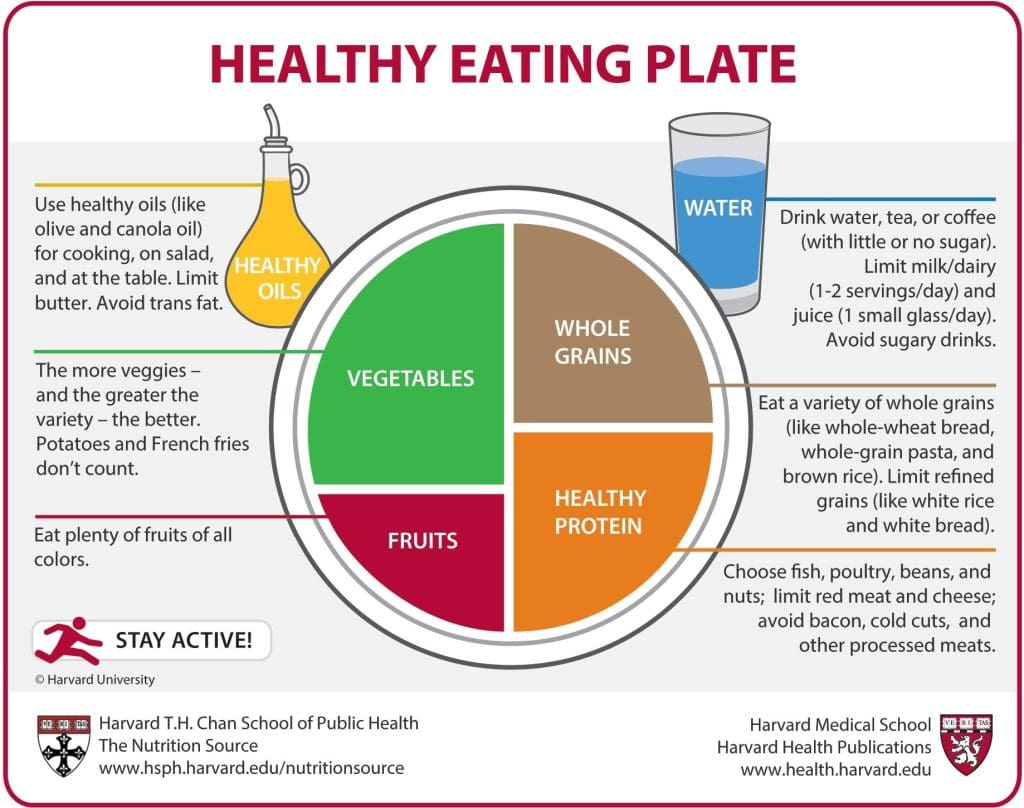
To achieve a balanced and sustainable diet, it is important to understand the principles of nutrition. Firstly, aim to include a variety of food groups in your meals. This will ensure that you are getting a wide range of essential nutrients. Include fruits, vegetables, whole grains, lean proteins, and healthy fats in your diet.
Portion control and moderation are also key principles of a balanced diet. Pay attention to serving sizes and avoid overeating. Enjoy your meals mindfully and listen to your body’s hunger and fullness cues. Avoid restrictive diets or extreme calorie counting, as these can be detrimental to your overall well-being.
Including nutrient-dense foods is another important aspect of a balanced diet. Nutrient-dense foods are those that provide a high amount of essential nutrients relative to their calorie content. Choose foods like leafy greens, berries, nuts, and seeds that are packed with vitamins, minerals, and antioxidants.
Finally, balancing macronutrients is vital for a well-rounded diet. Make sure to include carbohydrates, proteins, and fats in each of your meals. Carbohydrates provide energy, proteins support muscle growth and repair, and fats are essential for hormone production and nutrient absorption.
4. Plan your meals in advance
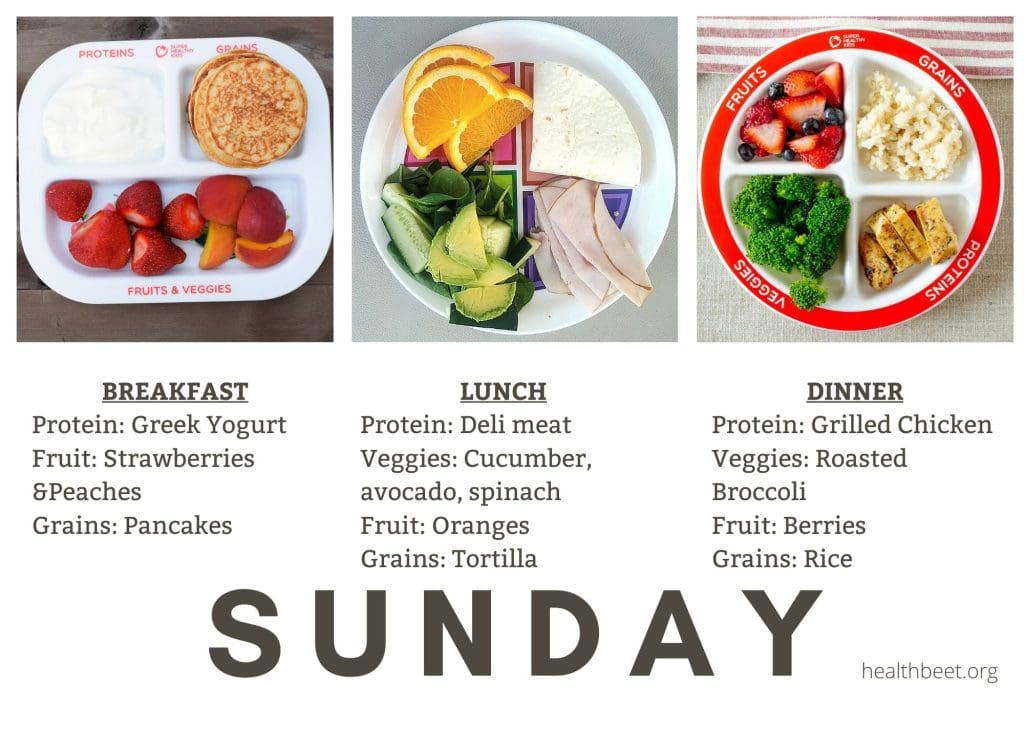
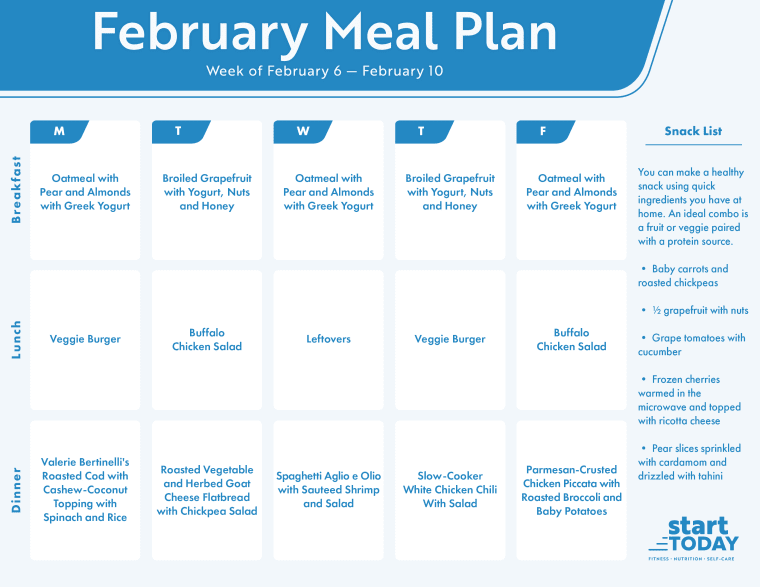
Once you have a clear understanding of your goals, priorities, and the principles of a balanced diet, it’s time to start planning your meals in advance. Creating a weekly meal plan can help you stay organized and ensure that you have nutritious meals available throughout the week.
Consider your schedule and lifestyle when planning your meals. Take into account any time constraints, such as long work hours or family commitments, and plan meals that are quick and easy to prepare. This will help you avoid relying on unhealthy takeout and convenience foods.
Account for any dietary restrictions or preferences in your meal plan. If you are vegetarian, make sure to include plant-based protein sources like beans, lentils, and tofu. If you have a gluten intolerance, opt for gluten-free grains like quinoa or rice. Tailoring your meal plan to your specific needs will make it more enjoyable and sustainable in the long run.
5. Make a grocery list
To ensure that you have all the ingredients you need for your planned meals, it is essential to make a grocery list. Start by checking your pantry and fridge for any staples that you already have. This will prevent you from buying unnecessary duplicates and help you make the most of what you already have on hand.
When making your grocery list, aim to include a variety of fresh produce. Fruits and vegetables are rich in essential vitamins and minerals and should make up a significant portion of your meals. Include a range of colors to ensure a diverse nutrient intake.
Additionally, opt for whole grains and lean proteins when selecting items for your grocery list. Whole grains, such as brown rice, quinoa, and whole-wheat bread, contain more fiber and nutrients compared to refined grains. Lean proteins like chicken, fish, tofu, and legumes are excellent sources of essential amino acids.
Lastly, be mindful of minimizing processed and sugary foods. Processed foods often contain added sugars, unhealthy fats, and preservatives that can be detrimental to your health. Opt for whole, natural foods whenever possible.
6. Meal prep and batch cooking
Meal prepping and batch cooking can be incredibly helpful for ensuring that you have nutritious meals readily available throughout the week. By prepping your ingredients in advance and cooking larger quantities, you can save time and make healthy eating more convenient.
Start by prepping ingredients, such as chopping vegetables, marinating proteins, or cooking grains in bulk. This will help streamline your cooking process and make it easier to assemble meals during the week. Store these prepped ingredients in airtight containers in the fridge for quick and easy access.
For meals that can be batch cooked, consider making larger quantities than needed for a single meal. This way, you can portion out leftovers for future meals or freeze them for later use. Utilize freezer-friendly containers to maintain the quality and freshness of your meals.
Labeling and storing leftovers is essential to ensure that they do not go to waste. Clearly mark the date and contents of each container to avoid confusion. Store leftovers in the refrigerator or freezer depending on how soon they will be consumed.
7. Prioritize seasonal and local produce
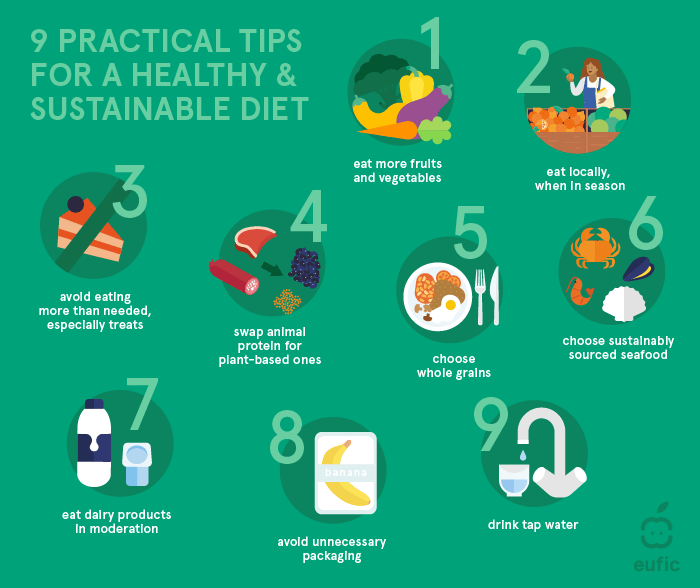
When meal planning, it is beneficial to prioritize seasonal and local produce. Seasonal foods are those that are harvested at their peak and offer optimal flavor and nutrients. By choosing seasonal produce, you will be enjoying the freshest and most nutritious foods available.
In addition to their superior taste and nutrition, there are several other benefits of consuming seasonal and local foods. Locally sourced produce often has a smaller carbon footprint as it doesn’t require long-distance transportation. Supporting local farmers and suppliers also helps sustain local economies and promotes food security.
Experimenting with new ingredients and flavors is another advantage of prioritizing seasonal and local produce. You may discover unique fruits, vegetables, and herbs that you haven’t tried before. This can make meal planning more exciting and diverse, adding variety to your diet.
8. Experiment with plant-based meals
Incorporating more plant-based meals into your diet can have numerous health and environmental benefits. Plant-based eating involves focusing on fruits, vegetables, legumes, whole grains, nuts, and seeds, while minimizing or eliminating animal products.
There are several benefits of adopting a more plant-based approach to eating. Plant-based foods are typically lower in saturated fat and cholesterol and higher in fiber and antioxidants, which can promote heart health and reduce the risk of chronic diseases. By reducing the consumption of animal products, you can also contribute to reducing greenhouse gas emissions and animal agriculture’s impact on the environment.
Try adding more fruits, vegetables, and legumes to your meals. Experiment with different cooking methods and flavors to make plant-based meals enjoyable and satisfying. Incorporating more meatless meal options, such as veggie stir-fries, bean-based chili, or plant-based burgers, can further diversify your diet and support your health goals.
9. Stay hydrated and limit sugary drinks
Staying hydrated is a crucial aspect of maintaining overall health and well-being. Drinking an adequate amount of water throughout the day helps regulate body temperature, supports digestion, and flushes out toxins. Aim to consume around 8 cups (64 ounces) of water daily, or more if you are physically active or in a hot climate.
When choosing beverages, opt for unsweetened options. Sugary drinks like soda, fruit juices, and sweetened coffee or tea can contribute to excess calorie intake and negatively impact overall health. Replace these sugary beverages with water, herbal teas, or flavored water infusions for a refreshing and hydrating alternative.
Reducing consumption of sugary drinks is especially important for those looking to maintain a balanced and sustainable diet. Sugary beverages often lack essential nutrients and can lead to weight gain, tooth decay, and an increased risk of chronic diseases like type 2 diabetes. Make a conscious effort to limit your intake and prioritize healthier, hydrating options.
10. Seek professional guidance
While following these meal planning strategies can be beneficial, it is always a good idea to seek professional guidance for personalized advice and meal plans. Consulting a registered dietitian or nutritionist can help you navigate specific dietary needs, address any concerns or challenges, and ensure that you are on the right track to achieving your health and fitness goals.
These professionals have the knowledge and expertise to assess your nutritional needs, develop tailored meal plans, and provide evidence-based recommendations. They can help you monitor your progress, make necessary adjustments, and support you in maintaining a balanced and sustainable diet in the long term. Remember, everyone’s dietary needs are unique, and seeking professional guidance can provide invaluable support on your journey towards better health.
In conclusion, meal planning for a balanced and sustainable diet involves setting goals, assessing current eating habits, understanding nutrition principles, planning meals in advance, making a grocery list, meal prepping, prioritizing seasonal produce, experimenting with plant-based meals, staying hydrated, and seeking professional guidance. By incorporating these strategies into your routine, you can make positive changes to your diet and improve your overall health and well-being.