
Hey there! Are you tired of dealing with muscle soreness after a tough workout? In this article, we’ll explore the best ways to prevent and alleviate muscle soreness so you can get back to feeling your best in no time. From proper hydration and stretching techniques to incorporating rest and recovery into your routine, we’ve got you covered. Say goodbye to those achy muscles and hello to a happier, healthier you! Have you ever experienced muscle soreness after a workout? It can be frustrating when you’re trying to stay active and healthy, but your muscles are holding you back. In this article, we’ll discuss the best ways to prevent and alleviate muscle soreness so you can continue to pursue your fitness goals without any unnecessary discomfort.
Understanding Muscle Soreness
Muscle soreness, also known as delayed onset muscle soreness (DOMS), is the pain and stiffness that develops hours to days after intense physical activity. It is often the result of microdamage to muscle fibers during exercise. Understanding the causes and effects of muscle soreness can help you take the necessary steps to prevent and alleviate it.
What Causes Muscle Soreness?
Muscle soreness is often caused by:
- Muscle Microtears: Strenuous exercise can cause tiny microtears in muscle fibers, leading to inflammation and soreness.
- Buildup of Lactic Acid: Lactic acid is produced during exercise and can accumulate in muscles, causing discomfort.
- Fluid Imbalance: Dehydration and an imbalance of electrolytes can contribute to muscle soreness.
How Long Does Muscle Soreness Last?
Muscle soreness typically peaks within 24 to 72 hours after exercise and gradually subsides on its own. However, the duration of muscle soreness can vary depending on the intensity of the workout, your fitness level, and how well you take care of your body post-exercise.
Best Ways to Prevent Muscle Soreness
Prevention is key when it comes to combating muscle soreness. By incorporating the following strategies into your fitness routine, you can minimize the risk of experiencing significant discomfort after a workout.
Warm-Up Properly
Before diving into your workout, it’s essential to warm up your muscles. A proper warm-up increases blood flow to your muscles, loosens up stiff joints, and prepares your body for the upcoming physical activity. Dynamic stretching, light cardio, or foam rolling are excellent ways to warm up effectively.
Stay Hydrated
Proper hydration is crucial for muscle function and recovery. Dehydration can exacerbate muscle soreness, so make sure to drink an adequate amount of water before, during, and after your workouts. Electrolyte-rich beverages can also help replenish essential minerals lost through sweat.
Gradually Increase Intensity
Avoid pushing your body too hard too quickly. Gradually increasing the intensity and duration of your workouts gives your muscles time to adapt and recover. Overdoing it can lead to excessive muscle breakdown and soreness.
Incorporate Recovery Days
Rest and recovery are just as important as exercise when it comes to preventing muscle soreness. Incorporate regular rest days into your workout schedule to allow your muscles to repair and rebuild. Active recovery activities like yoga or light walking can help enhance circulation and reduce stiffness.
Focus on Proper Post-Workout Nutrition
Nutrition plays a critical role in muscle recovery and repair. Consuming a balanced meal or snack containing protein and carbohydrates within 30 minutes to an hour after exercising can help replenish glycogen stores and promote muscle protein synthesis. Consider options like a protein shake, Greek yogurt with fruit, or a turkey and avocado wrap.
Best Ways to Alleviate Muscle Soreness
Despite your best efforts, you may still experience muscle soreness from time to time. When discomfort sets in, there are several strategies you can implement to alleviate soreness and promote faster recovery.
RICE Method
The RICE method stands for Rest, Ice, Compression, and Elevation. This approach is commonly used to manage acute muscle soreness and injuries. Rest the affected muscles, apply an ice pack to reduce inflammation, use compression garments to alleviate swelling, and elevate the injured area to improve circulation.
Foam Rolling
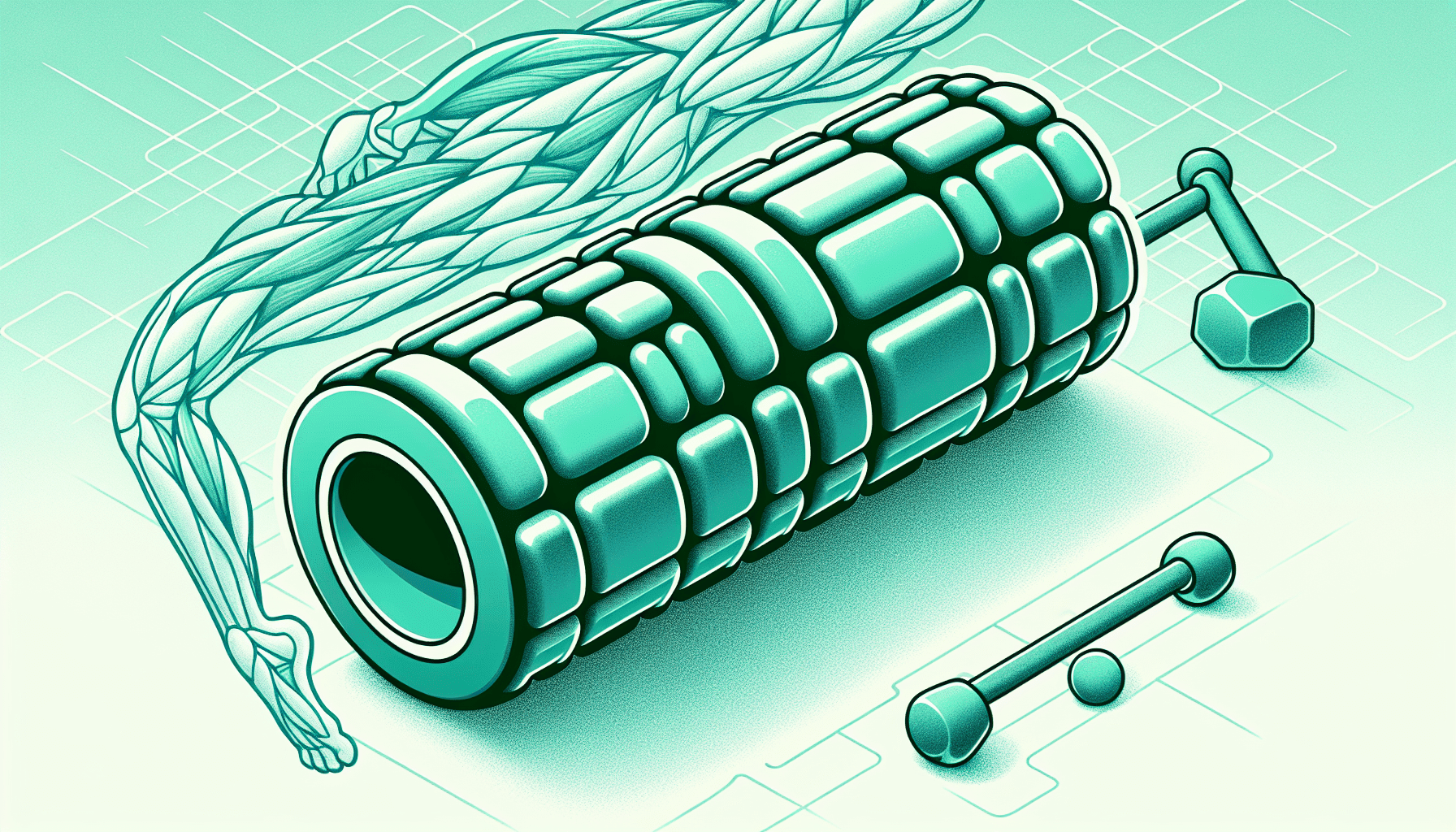
Foam rolling, also known as self-myofascial release, is a self-massage technique used to target trigger points and loosen tight muscles. By rolling over different muscle groups with a foam roller, you can break up adhesions and increase blood flow, which can help alleviate muscle soreness.
Gentle Stretching
Engaging in gentle stretching exercises can help relieve muscle tightness and improve flexibility. Focus on stretching the major muscle groups that feel sore, holding each stretch for 15-30 seconds without bouncing. Incorporating yoga or Pilates into your routine can also enhance flexibility and reduce muscle soreness over time.
Massage Therapy
Massage therapy is a popular method for relieving muscle soreness and tension. A professional massage can help improve circulation, reduce inflammation, and promote relaxation in strained muscles. If scheduling a massage isn’t feasible, self-massage tools like massage balls or handheld massagers can provide similar benefits.
Epsom Salt Baths
Soaking in a warm bath with Epsom salts can help soothe sore muscles and aid in recovery. Epsom salts contain magnesium sulfate, which can be absorbed through the skin and may help reduce muscle cramps and soreness. Add 1-2 cups of Epsom salts to a warm bath and soak for 15-20 minutes for maximum benefits.
Lifestyle Adjustments for Long-Term Muscle Health
In addition to preventive measures and immediate relief strategies, making lifestyle adjustments can contribute to long-term muscle health and reduce the frequency and severity of muscle soreness.
Get Adequate Sleep
Quality sleep is essential for muscle recovery and repair. Aim for 7-9 hours of sleep per night to allow your body to recharge and regenerate. Sleep deprivation can impair muscle function, increase inflammation, and prolong recovery time, leading to heightened muscle soreness.
Manage Stress Levels
Chronic stress can have a negative impact on muscle health and recovery. High levels of stress can trigger muscle tension and inflammation, exacerbating soreness and impairing performance. Incorporate stress-reducing practices like meditation, deep breathing exercises, or spending time in nature to promote relaxation and muscle recovery.
Maintain a Balanced Diet
A well-rounded diet rich in nutrient-dense foods is essential for overall muscle health and function. Consuming an adequate amount of protein, healthy fats, fruits, vegetables, and whole grains can provide your muscles with the necessary nutrients for repair and growth. Avoid excessive consumption of processed foods, sugar, and alcohol, as they can contribute to inflammation and delayed recovery.
Listen to Your Body
Above all, listen to your body and pay attention to the signals it’s sending you. Pushing through intense muscle soreness or discomfort can lead to further injury and prolonged recovery time. If you’re experiencing persistent or severe muscle soreness, consult a healthcare professional for personalized guidance and treatment options.
By implementing these best practices for preventing and alleviating muscle soreness, you can improve your overall fitness experience and minimize unnecessary discomfort. Remember that consistency and patience are key when it comes to maintaining healthy muscles and achieving your fitness goals. Keep moving, stay hydrated, prioritize recovery, and listen to your body’s needs to support optimal muscle health and performance.