

Today, we will explore the best ways to ensure the good health and well-being of children and teenagers. It is essential to prioritize preventative measures to create a strong foundation for their overall development, both physically and emotionally. By implementing healthy habits, promoting regular physical activity, providing a balanced diet, and encouraging open communication, we can empower our young ones to lead a happy and healthy life. Let’s discover how we can make a positive impact on the well-being of children and teens.
Regular Medical Check-ups
Importance of regular check-ups
Regular medical check-ups are an essential aspect of preventative health for children and teens. These check-ups help monitor your overall health and identify any underlying issues or potential problems before they become more serious. By scheduling regular check-ups, you can ensure that any health concerns are addressed promptly, allowing for early intervention and effective treatment.
When should check-ups be scheduled?
Check-ups should be scheduled according to recommended guidelines. For infants and children, frequent check-ups are necessary, usually at least once a year. As your child grows older, the frequency of check-ups may decrease, but regular visits to the doctor are still crucial. During adolescence, it is recommended to have a check-up once a year to monitor growth, development, and address any specific concerns related to puberty and hormonal changes.
What to expect during a check-up
During a regular check-up, the healthcare provider will conduct a thorough examination to assess your overall health. This typically includes measuring height, weight, and blood pressure, as well as assessing heart and lung function. The healthcare provider will also inquire about any symptoms or concerns and may ask questions about your medical history and family history. Additionally, they may perform specific tests or screenings to check for any potential health issues.
Common tests and screenings during check-ups
Various tests and screenings may be conducted during check-ups to monitor your health and detect any potential problems. These may include blood tests to measure cholesterol levels, blood sugar levels, and check for anemia, as well as vision and hearing screenings. Additionally, the healthcare provider may recommend vaccinations or immunizations based on the individual’s age and specific needs.
Vaccinations
Importance of vaccinations
Vaccinations play a crucial role in preventing the spread of infectious diseases and protecting the health of individuals. They are a safe and effective way to stimulate the immune system, helping the body recognize and fight specific pathogens. By ensuring that you and your child are up-to-date on vaccinations, you can significantly reduce the risk of contracting and spreading vaccine-preventable diseases.
Recommended vaccination schedule
Following a recommended vaccination schedule is vital to ensure maximum protection against various diseases. The Centers for Disease Control and Prevention (CDC) provides a comprehensive schedule that outlines the recommended vaccines for individuals from birth through adulthood. It is important to consult with your healthcare provider to ensure that you and your child are receiving the necessary vaccinations at the appropriate times.
Common vaccines for children and teens
Several common vaccines are recommended for children and teens to provide protection against diseases. These include vaccines for measles, mumps, rubella, chickenpox, hepatitis, influenza, and human papillomavirus (HPV), among others. Each vaccine has specific guidelines regarding the number of doses and the age at which they should be administered. Proper adherence to these guidelines ensures optimal protection for your child’s health.
Addressing vaccine concerns
It is natural to have questions and concerns about vaccines, especially with the abundance of information available online. However, it is important to rely on evidence-based information and consult with healthcare professionals to address these concerns. Healthcare providers can provide accurate information about vaccine safety, effectiveness, and potential side effects, helping you make informed decisions regarding vaccination.
Healthy Diet and Nutrition
Importance of a healthy diet
Maintaining a healthy diet is vital for children and teens’ overall health and well-being. A balanced diet provides essential nutrients, vitamins, and minerals necessary for growth, development, and optimal functioning of the body. By adopting healthy eating habits, you can support a strong immune system, reduce the risk of chronic diseases, and ensure proper physical and cognitive development.
Balanced meals and portion control
A healthy diet consists of a variety of foods from different food groups in appropriate portions. Encourage the consumption of fruits, vegetables, whole grains, lean proteins, and dairy or dairy alternatives. Strive for balanced meals that include a combination of these food groups to ensure your child receives all the necessary nutrients. Additionally, portion control is essential to avoid overeating and maintain a healthy weight.
Encouraging consumption of fruits and vegetables
Fruits and vegetables are packed with essential vitamins, minerals, and fiber, making them crucial components of a healthy diet. Encourage your child to incorporate a variety of fruits and vegetables into their meals and snacks. Make it fun by offering a rainbow of colorful fruits and vegetables and involving your child in meal planning and preparation. By instilling these habits early on, you can promote long-term healthy eating behaviors.
Limiting sugary and processed foods
Excessive consumption of sugary and processed foods can contribute to various health problems, including obesity, dental issues, and an increased risk of chronic diseases. Limit the intake of sugary drinks, snacks, and processed foods, such as cookies, candies, and fast food. Instead, opt for healthier alternatives like water, fresh fruits, homemade snacks, and whole food options. Remember, moderation is key, and occasional treats can still be enjoyed as part of a balanced diet.
Promoting hydration
Staying hydrated is essential for overall health, and water should be the primary beverage choice for children and teens. Encourage your child to drink an adequate amount of water throughout the day. Limit the consumption of sugary drinks and opt for healthier alternatives like flavored water or infused water with fruits or herbs. Educate your child on the importance of hydration, especially during physical activity or hot weather, to prevent dehydration.
Physical Activity
Benefits of regular physical activity
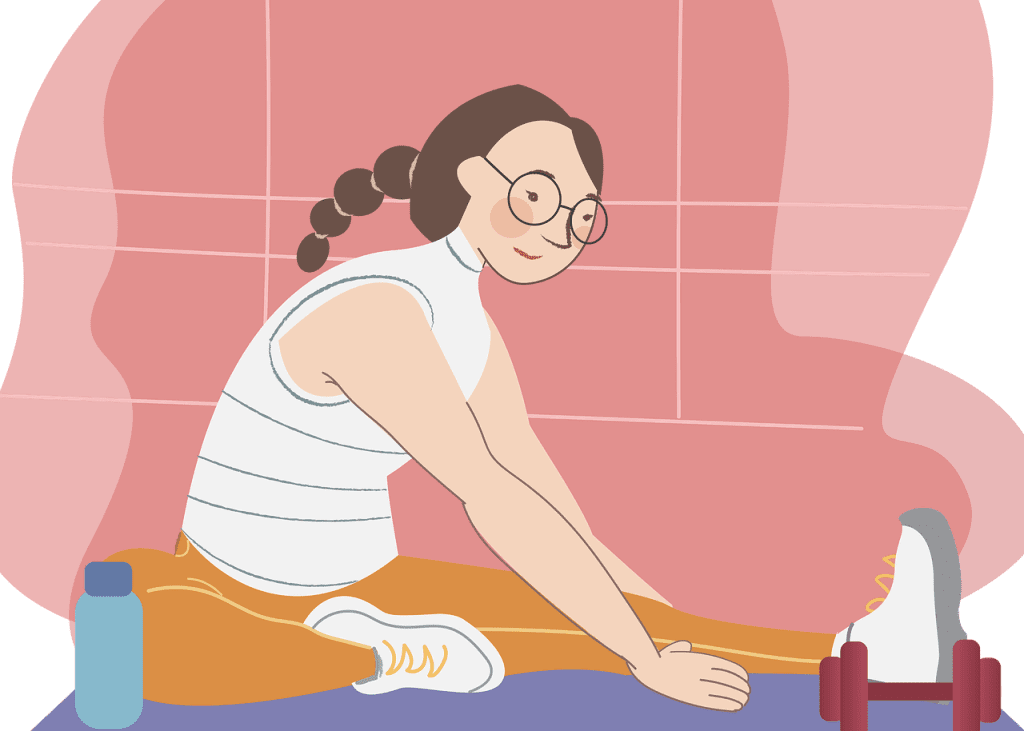
Engaging in regular physical activity offers numerous benefits for children and teens. It helps maintain a healthy weight, strengthens bones and muscles, improves cardiovascular health, and promotes overall physical and mental well-being. Regular physical activity also enhances cognitive function, concentration, and mood, while reducing the risk of developing chronic diseases such as obesity, diabetes, and heart disease.
Encouraging active play and exercise
Encourage your child to engage in active play and exercise as part of their daily routine. Encourage them to participate in activities they enjoy, such as biking, running, dancing, swimming, or team sports. Make physical activity a family affair by planning outdoor activities and outings that involve movement and exercise. By fostering a positive attitude towards physical activity, you can help your child develop lifelong habits that prioritize their health and well-being.
Choosing age-appropriate activities
When encouraging physical activity, it is important to consider age-appropriate activities that suit your child’s developmental stage. Younger children may enjoy activities that focus on coordination and motor skills, while older children and teens may prefer more structured sports or fitness programs. Consulting with coaches, physical education teachers, or healthcare providers can help you identify suitable activities and ensure your child’s safety during exercise.
Setting goals and establishing routines
Setting goals and establishing routines can help instill a sense of discipline and commitment to physical activity. Help your child set realistic and achievable goals, whether it’s running a certain distance, improving their skills in a specific sport, or increasing their overall fitness level. Encourage them to track their progress and celebrate milestones along the way. Establishing a routine ensures that physical activity becomes a regular and consistent part of their daily lives.
Sports participation and its impact on health
Participating in sports offers additional benefits beyond physical activity. It promotes teamwork, cooperation, discipline, and builds self-confidence. Sports participation can also enhance social skills, create lasting friendships, and teach valuable life lessons such as resilience, perseverance, and sportsmanship. However, it is important to ensure proper supervision, use of protective equipment, and adhere to safety guidelines to prevent injuries during sports activities.
Maintaining Oral Health
Importance of oral hygiene
Maintaining good oral health is crucial for overall health and well-being. Poor oral hygiene can lead to various dental problems, including tooth decay, gum disease, and bad breath. Additionally, dental issues can impact other aspects of health, such as digestion, speech, and self-esteem. By practicing proper oral hygiene, you can ensure healthy teeth and gums, preventing the need for extensive dental treatments.
Brushing and flossing techniques
Teaching proper brushing and flossing techniques is essential for maintaining good oral hygiene. Encourage your child to brush their teeth at least twice a day for two minutes each time, using fluoride toothpaste and a soft-bristled toothbrush. Show them how to brush all surfaces of the teeth, including the front, back, and chewing surfaces. Additionally, emphasize the importance of daily flossing to remove plaque and food particles from between the teeth and along the gumline.
Regular dental check-ups and cleanings
Regular dental check-ups and cleanings are an integral part of oral health maintenance. Schedule dental appointments every six months or as recommended by the dentist. During these visits, the dentist will conduct a comprehensive examination, clean the teeth, and address any dental concerns or issues. Regular check-ups help detect and treat dental problems early, preventing further complications and promoting optimal oral health.
Limiting sugary snacks and drinks
Excessive consumption of sugary snacks and drinks significantly contributes to tooth decay and dental problems. Limit your child’s intake of sugary snacks, candies, and beverages, especially those high in sugar and acidic content, such as sodas and fruit juices. Encourage healthy snack options like fruits, vegetables, and cheese, and promote water as the primary beverage choice. Educate your child about the relationship between sugar consumption and dental health to foster good habits.
Addressing dental concerns
If your child experiences any dental concerns, such as toothaches, cavities, or bleeding gums, it is important to address them promptly. Consult with a dental professional who can diagnose the problem and recommend appropriate treatment. Remember to emphasize the importance of regular dental care and foster a positive attitude towards dental visits to alleviate any fears or anxieties associated with dental care.
Adequate Sleep
Importance of sufficient sleep
Adequate sleep is fundamental for children and teens’ overall growth, development, and well-being. Sleep plays a crucial role in various cognitive functions, memory consolidation, mood regulation, and immune system functioning. Insufficient sleep can lead to behavioral problems, difficulty concentrating, reduced academic performance, and an increased risk of physical and mental health issues.
Recommended sleep duration for different age groups
The recommended sleep duration varies depending on the age group. Infants generally require 14-17 hours of sleep per day, including both day and nighttime sleep. Toddlers and preschoolers need about 11-14 hours of sleep, while school-aged children require 9-11 hours. Adolescents should aim for 8-10 hours of sleep each night. Establishing a consistent sleep schedule that allows for the recommended duration is essential to promote healthy sleep habits.
Establishing a bedtime routine
Creating a bedtime routine helps signal to the body that it is time to wind down and prepare for sleep. Establish a consistent routine that includes calming activities such as reading a book, taking a warm bath, or practicing relaxation techniques. Avoid stimulating activities close to bedtime and limit screen time, as the blue light emitted from electronic devices can interfere with sleep. Maintaining a consistent sleep schedule, even on weekends, helps regulate the body’s internal clock and improve sleep quality.
Creating a sleep-friendly environment
Creating a sleep-friendly environment contributes to better sleep quality. Ensure the bedroom is quiet, dark, and at a comfortable temperature. Make sure your child has a comfortable mattress and bedding that promote good sleep posture. Remove distractions such as electronic devices, excessive clutter, and noise that may disrupt sleep. Encourage your child to develop a relaxing bedtime routine, such as reading or listening to soft music, to further enhance the sleep environment.
Addressing sleep-related issues
If your child experiences difficulties falling asleep, staying asleep, or consistently struggles with sleep-related issues, it is important to address these concerns. Consult with your healthcare provider or a sleep specialist who can evaluate the situation and provide appropriate guidance and support. Addressing sleep problems early can prevent long-term sleep disturbances and promote optimal sleep health.

Limiting Screen Time
Impact of excessive screen time on health
Excessive screen time can negatively impact children and teens’ health and well-being on various levels. Excessive screen use has been associated with an increased risk of obesity, poor sleep quality, reduced physical activity, attention problems, impaired social skills, and decreased academic performance. It is important to strike a balance between screen time and other activities to promote overall health and well-being.
Setting screen time limits
Setting screen time limits is crucial for establishing healthy habits. The American Academy of Pediatrics recommends limiting screen time to no more than one hour of high-quality educational content per day for children aged 2-5. For children and teens aged 6 and older, screen time should be limited to a reasonable amount, ensuring time for physical activity, social interactions, and other essential activities. Set clear guidelines and establish screen-free zones or times to promote healthy habits.
Encouraging alternative activities
Encourage your child to engage in alternative activities that promote physical activity, creativity, social interaction, and learning. Encourage outdoor play, hobbies, arts and crafts, sports, reading, and other activities that foster various aspects of development. Provide a range of options and support your child in exploring and discovering activities they enjoy. By offering alternatives, you can help reduce reliance on screens and promote a well-rounded lifestyle.
Addressing digital addiction
Digital addiction can be a real concern, especially with the widespread use of smartphones and other electronic devices. If you notice signs of excessive dependence on screens, difficulty disengaging from devices, or heightened irritability when screen time is limited, it may be necessary to address the issue of digital addiction. Establish clear rules and boundaries regarding device usage, encourage healthy coping mechanisms, and seek professional help if necessary to address and manage digital addiction effectively.
Promoting digital well-being
Promoting digital well-being involves fostering a healthy relationship with technology and using screens mindfully. Encourage your child to take regular breaks from screens, practice good posture, and maintain a safe distance from electronic devices. Teach the importance of digital etiquette, respectful online behavior, and privacy protection. Educate your child about the potential risks associated with excessive screen time, such as cyberbullying, inappropriate content, or online predators, and provide guidance on how to navigate the digital world safely.
Emotional Well-being and Mental Health
Promoting open communication
Promoting open communication is crucial for supporting your child’s emotional well-being and mental health. Create a safe and non-judgmental environment where your child feels comfortable expressing their thoughts, feelings, and concerns. Encourage open dialogue and active listening, and provide support and validation. Regularly check in with your child about their emotions and experiences, and be a compassionate and understanding presence in their lives.
Building strong support networks
Building strong support networks is essential for promoting emotional well-being. Encourage your child to establish and maintain healthy relationships with family members, friends, and peers. Support your child in developing social skills, empathy, and effective communication. Help them navigate challenging social situations and provide guidance on building positive and supportive connections. Encourage participation in extracurricular activities or clubs that align with their interests, fostering opportunities for social interaction and shared experiences.
Teaching stress management techniques
Teaching stress management techniques equips your child with essential coping skills to navigate life’s challenges. Encourage relaxation techniques such as deep breathing, mindfulness, and meditation. Teach them the importance of time management, prioritizing tasks, and setting realistic goals. Promote physical activity and regular exercise as a means of reducing stress and improving mood. Help your child identify activities or hobbies they find enjoyable and provide a healthy outlet for stress release.
Identifying signs of mental health concerns
Being aware of the signs of potential mental health concerns is crucial for early intervention and support. Monitor changes in behavior, mood, sleep patterns, appetite, or academic performance. Look for signs of prolonged sadness, increased irritability, excessive worry, social withdrawal, or significant changes in behavior. If you notice any concerning signs, consult with a mental health professional who can provide a proper evaluation and guide you in supporting your child’s mental health.
Seeking professional help when needed
If your child is experiencing significant emotional or mental health difficulties, it may be necessary to seek professional help. Mental health professionals, such as counselors, psychologists, or psychiatrists, can provide appropriate assessments, diagnoses, and therapeutic interventions. Don’t hesitate to reach out for help if you are concerned about your child’s emotional well-being. Early intervention and proper support can make a significant difference in promoting resilience and overall mental health.
Personal Hygiene and Sanitation
Importance of personal hygiene
Personal hygiene plays an essential role in overall health and well-being. Teaching proper hygiene practices helps prevent the spread of germs and infections, promotes cleanliness, and fosters a positive self-image. Emphasize the importance of personal hygiene in maintaining good health and preventing illness.
Teaching handwashing and hygiene practices
Instilling proper handwashing and hygiene practices is crucial for preventing the spread of germs and infections. Teach your child to regularly wash their hands with soap and water for at least 20 seconds, especially before eating, after using the restroom, or when they come in contact with potential contaminants. Teach proper techniques for covering coughs and sneezes, using tissues or elbows to prevent the spread of respiratory droplets. Reinforce the habit of regular bathing or showering to maintain cleanliness.
Addressing puberty-related hygiene
Puberty brings about significant changes in the body, including increased sweat production, body odor, and hormonal changes. Addressing puberty-related hygiene is essential to promote self-confidence and personal hygiene. Teach your child the importance of regular bathing, proper use of deodorant, and wearing clean clothes. Address any concerns or questions regarding pubertal changes and provide age-appropriate information and guidance to facilitate a smooth transition.
Promoting sanitation practices
Promoting sanitation practices helps maintain cleanliness and prevent the spread of germs. Encourage your child to keep their living space clean and organized, emphasizing the importance of regular cleaning of personal belongings, such as toys and school supplies. Teach proper hygiene practices related to food preparation and storage, such as washing fruits and vegetables and storing perishable items at appropriate temperatures. Educate your child about the importance of clean and safe environments in preventing disease transmission.
Preventing the spread of germs and infections
Teaching your child about the importance of preventing the spread of germs and infections is vital for their health and the health of those around them. In addition to proper handwashing, reinforce the habit of using tissues or elbows to cover coughs and sneezes. Educate them on the importance of not sharing personal items like utensils, water bottles, or towels. Teach them to dispose of tissues or other hygienic products in appropriate waste containers and avoid touching their face or mouth with unwashed hands.
Addressing Safety Concerns
Teaching age-appropriate safety rules
Teaching age-appropriate safety rules is crucial for ensuring your child’s well-being and minimizing the risk of accidents or injuries. Educate your child about basic safety practices such as looking both ways before crossing the street, wearing helmets when biking or skating, and using seat belts in vehicles. As they grow older, introduce safety rules related to specific activities or environments, such as water safety, fire safety, and driving safety.
Promoting safety at home, school, and outdoors
Promoting safety at home, school, and outdoors creates a secure environment for your child. Conduct a thorough assessment of potential hazards at home and take necessary measures to address them, such as installing safety gates, securing furniture, and keeping poisonous substances out of reach. Collaborate with school staff to ensure a safe learning environment, including adequate supervision, emergency preparedness, and awareness of potential hazards. Encourage your child to practice safety habits when playing outside, such as using protective gear and staying within designated play areas.
Discussing stranger danger and online safety
Discussing stranger danger and online safety is crucial in today’s digital age. Teach your child about personal boundaries and the importance of never interacting with strangers or accepting items from them. Educate them about the dangers of sharing personal information online and the importance of privacy settings on social media platforms. Teach them to be cautious when communicating with online acquaintances and emphasize the importance of reporting any suspicious or concerning online behavior to a trusted adult.
Addressing bullying and peer pressure
Addressing bullying and peer pressure equips your child with the tools to navigate challenging social situations. Teach your child about the importance of respect, empathy, and standing up against bullying. Encourage open communication about their experiences and assure them that they can confide in you without fear of judgment or reprisal. Discuss strategies for dealing with peer pressure and help your child develop the confidence and assertiveness to make healthy choices.
Educating about substance abuse and prevention
Educating your child about substance abuse and prevention is essential in safeguarding their well-being. Have open and honest discussions about the risks associated with substance abuse, including drugs, alcohol, and tobacco. Teach them about the effects of these substances on physical and mental health and the potential consequences of their use. Strengthen their assertiveness skills and resilience to resist peer pressure and make informed decisions. Encourage them to seek help if they or someone they know is struggling with substance abuse.
In conclusion, promoting preventative health for children and teens involves various aspects, including regular medical check-ups, vaccinations, a healthy diet and nutrition, physical activity, maintaining oral health, adequate sleep, limiting screen time, emotional well-being and mental health, personal hygiene and sanitation, and addressing safety concerns. By incorporating these practices into your child’s daily routine and encouraging healthy habits from a young age, you can set the foundation for a lifetime of good health and well-being. Remember to consult with healthcare professionals, educators, and other experts to ensure you are providing the best support and guidance for your child’s specific needs.