
Welcome to an article that will provide you with the best ways to relieve stress and improve your mental health. In today’s fast-paced world, it is important to take care of yourself and find ways to unwind. From exercise and mindfulness practices to spending time with loved ones and seeking professional help, this article will guide you through various effective strategies to help you feel more relaxed and mentally resilient. So sit back, relax, and let’s explore together the best ways to relieve stress and improve your mental health. Hey there, feeling stressed out lately? Don’t worry, you’re not alone. Many people struggle with stress and the impact it can have on mental health. But the good news is, there are plenty of ways to alleviate stress and improve your mental well-being. In this article, we’ll explore some of the best strategies for managing stress and boosting your mental health. So sit back, relax, and let’s dive in!
Identifying Sources of Stress
Do you know what’s causing your stress? Before you can effectively manage it, it’s important to identify the sources of your stress. Take some time to reflect on what aspects of your life are causing you the most worry and anxiety. Whether it’s work, relationships, health, or finances, pinpointing the sources of stress is the first step towards finding relief.
Take a Step Back and Breathe
“Sometimes, when we’re in the midst of stress, it can be hard to see the big picture. Taking a step back and a deep breath can provide much-needed perspective.”
Practice Mindfulness
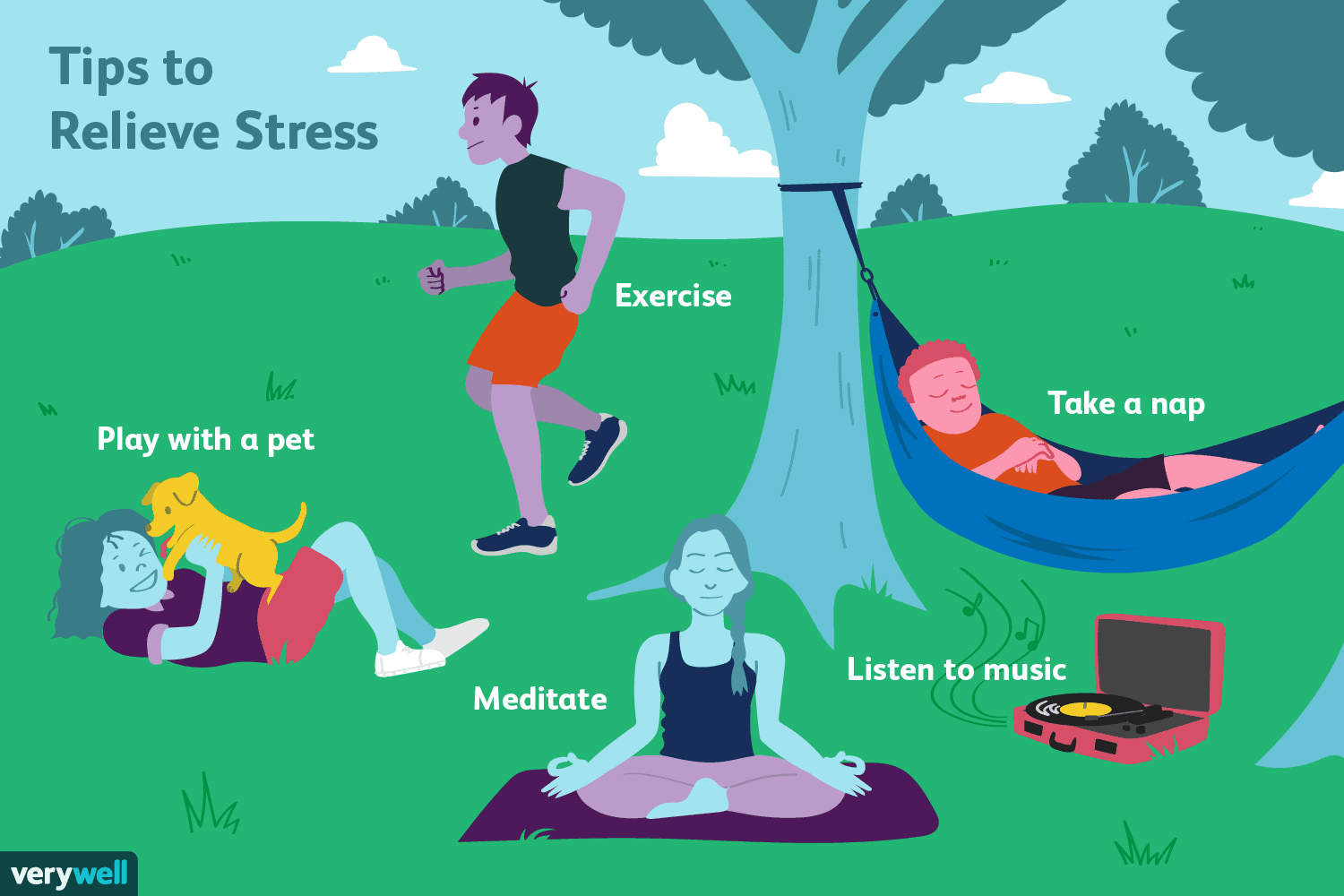
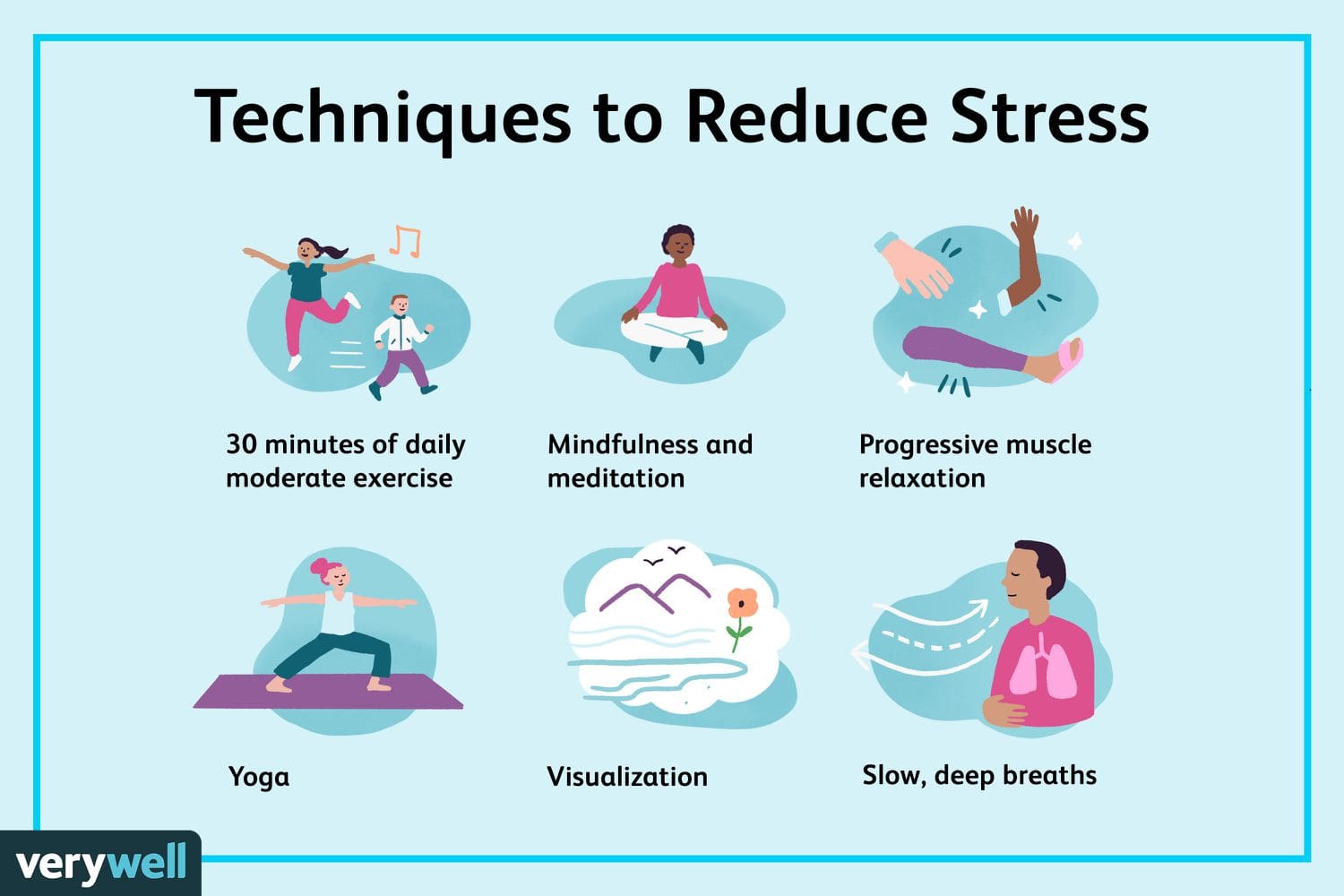
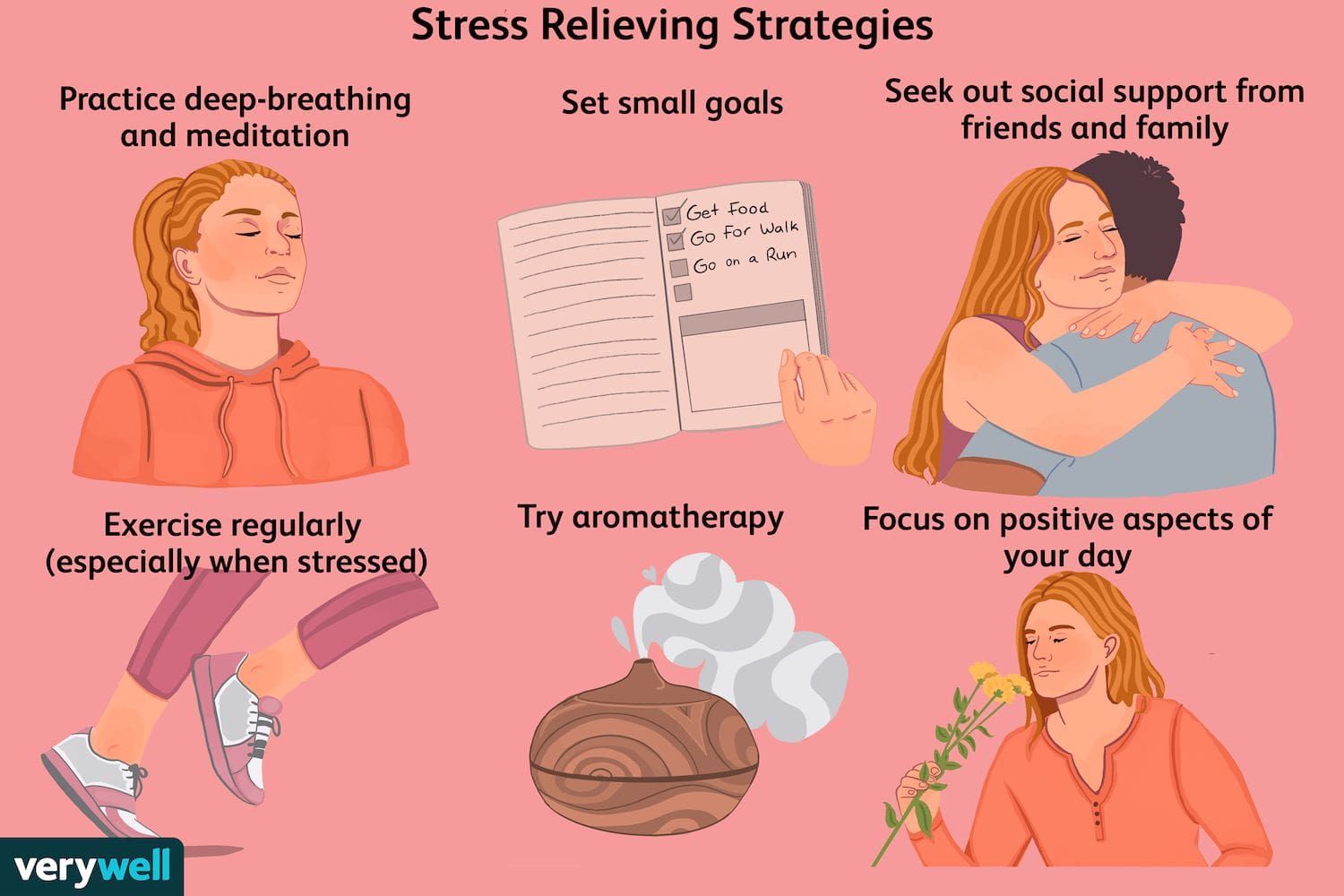
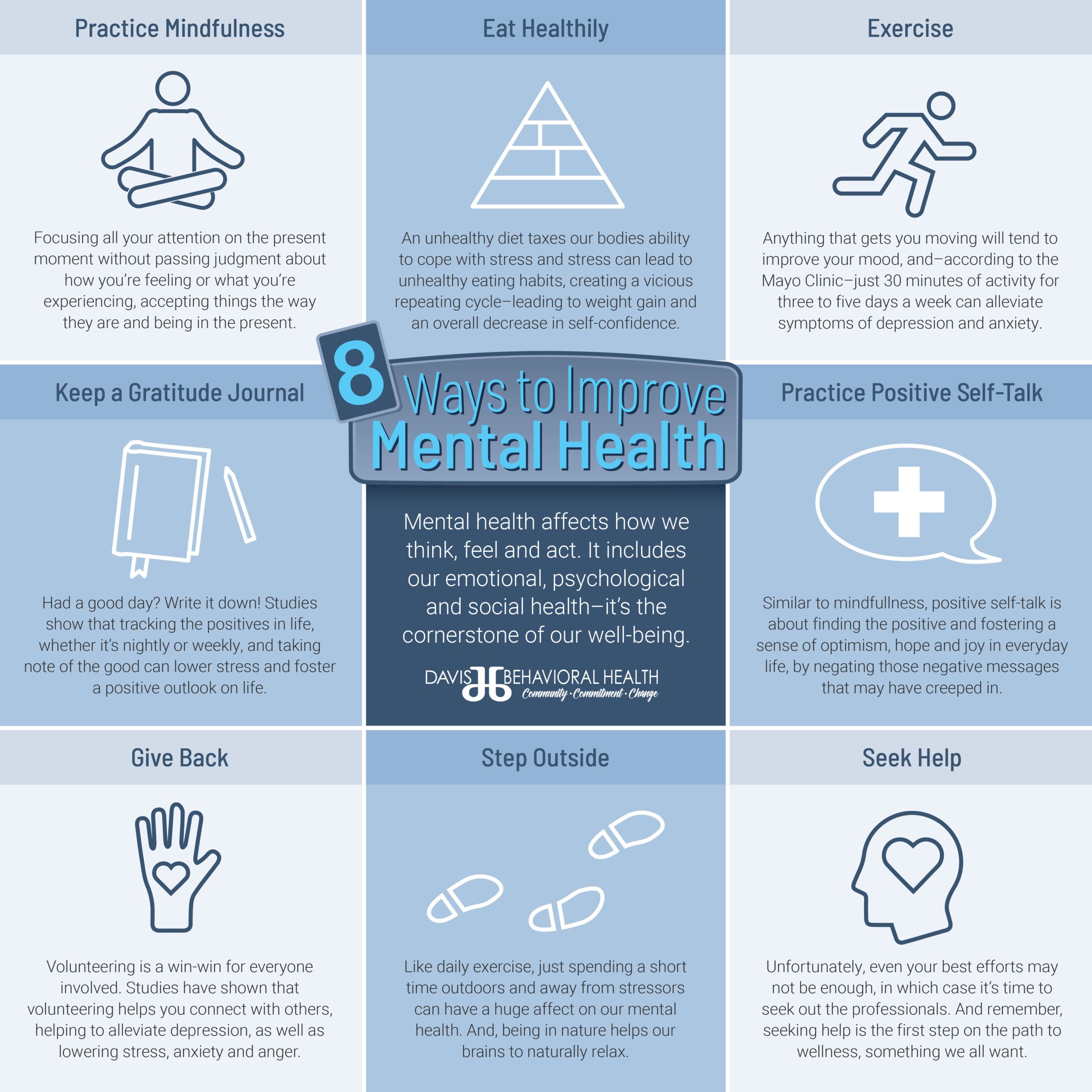
Have you ever tried practicing mindfulness? This powerful technique involves being fully present in the moment and accepting your thoughts and feelings without judgment. By focusing on the present moment, you can reduce stress and improve your mental well-being.
Start with a Mindful Morning Routine
“Starting your day with a mindful morning routine can set a positive tone for the rest of the day. Try incorporating activities like meditation, deep breathing, or yoga to center yourself and reduce stress.”
Get Moving
Did you know that physical activity can have a significant impact on your mental health? Exercise releases endorphins, the “feel-good” hormones that can boost your mood and reduce stress. Whether you go for a run, take a yoga class, or simply go for a walk, getting your body moving is a great way to alleviate stress.
Find an Activity You Enjoy
“Exercise doesn’t have to be a chore. Find an activity that you enjoy, whether it’s dancing, hiking, or playing a sport. The key is to have fun and get your body moving!”
Connect with Others
Social support is crucial for maintaining good mental health. Whether it’s friends, family, or a support group, connecting with others can provide a sense of belonging and reduce feelings of isolation and stress.
Schedule Quality Time with Loved Ones
“Make time in your schedule to connect with loved ones, whether it’s grabbing lunch with a friend, going for a walk with a family member, or spending quality time with your partner. Building strong relationships can help you feel supported and reduce stress.”
Prioritize Self-Care
Self-care is often overlooked, but it’s essential for maintaining good mental health. Taking care of yourself physically, emotionally, and mentally can help reduce stress and improve your overall well-being.
Create a Self-Care Routine
“Establishing a self-care routine can help you make self-care a priority. Whether it’s taking a relaxing bath, reading a book, or practicing a hobby you love, make time for activities that nourish your mind, body, and soul.”
Eat a Healthy Diet
Did you know that your diet can impact your mental health? Eating a balanced diet rich in fruits, vegetables, whole grains, and lean proteins can help reduce stress and improve your mood. On the other hand, consuming too much caffeine, sugar, and processed foods can exacerbate stress and anxiety.
Focus on Nutrient-Rich Foods
“Fill your plate with nutrient-rich foods like leafy greens, berries, nuts, and lean proteins. These foods are rich in vitamins, minerals, and antioxidants that can support your mental health and reduce stress.”
Get Adequate Sleep
Sleep plays a crucial role in mental health. Lack of sleep can increase stress levels, impair cognitive function, and negatively impact your mood. Prioritize getting the recommended 7-9 hours of sleep each night to improve your mental well-being.
Establish a Bedtime Routine
“Creating a bedtime routine can help signal to your body that it’s time to wind down and prepare for sleep. Try activities like reading, taking a warm bath, or practicing relaxation techniques to promote restful sleep.”
Set Boundaries
Are you a people-pleaser who struggles to say no? Setting boundaries is essential for protecting your mental health and reducing stress. Learning to prioritize yourself and your needs can help you avoid burnout and maintain a healthy work-life balance.
Learn to Say No
“It’s okay to say no sometimes. Prioritize your own well-being by setting boundaries and learning to decline requests that are overwhelming or detrimental to your mental health.”
Seek Professional Help
If you’re struggling to manage stress and improve your mental health on your own, don’t hesitate to seek professional help. Therapy, counseling, and medication can provide the support and guidance you need to overcome stress and improve your overall well-being.
Reach Out to a Mental Health Professional
“Don’t be afraid to reach out for help if you’re feeling overwhelmed. A mental health professional can offer valuable insights, coping strategies, and support to help you navigate stress and improve your mental health.”
Remember, managing stress and improving your mental health is a journey. Be patient with yourself and explore different strategies to find what works best for you. By incorporating these tips into your daily routine, you can take proactive steps to reduce stress, enhance your well-being, and lead a happier, healthier life. You’ve got this!