
Welcome to a guide on the best ways to stretch for improved flexibility! Whether you’re an athlete looking to enhance your performance or simply wanting to increase your overall range of motion, incorporating the right stretching techniques into your routine can make a significant difference. From dynamic stretches to static holds, this article will cover a variety of effective methods to help you achieve greater flexibility and mobility in no time. So grab your yoga mat or find a comfortable spot to stretch, and let’s get started on the path to a more limber and agile body! Have you ever wondered how to improve your flexibility through stretching? Do you struggle with tight muscles and limited range of motion? In this article, we will explore the best ways to stretch for improved flexibility, helping you move with ease and prevent injuries. Let’s dive in and discover the secrets to a more flexible body.
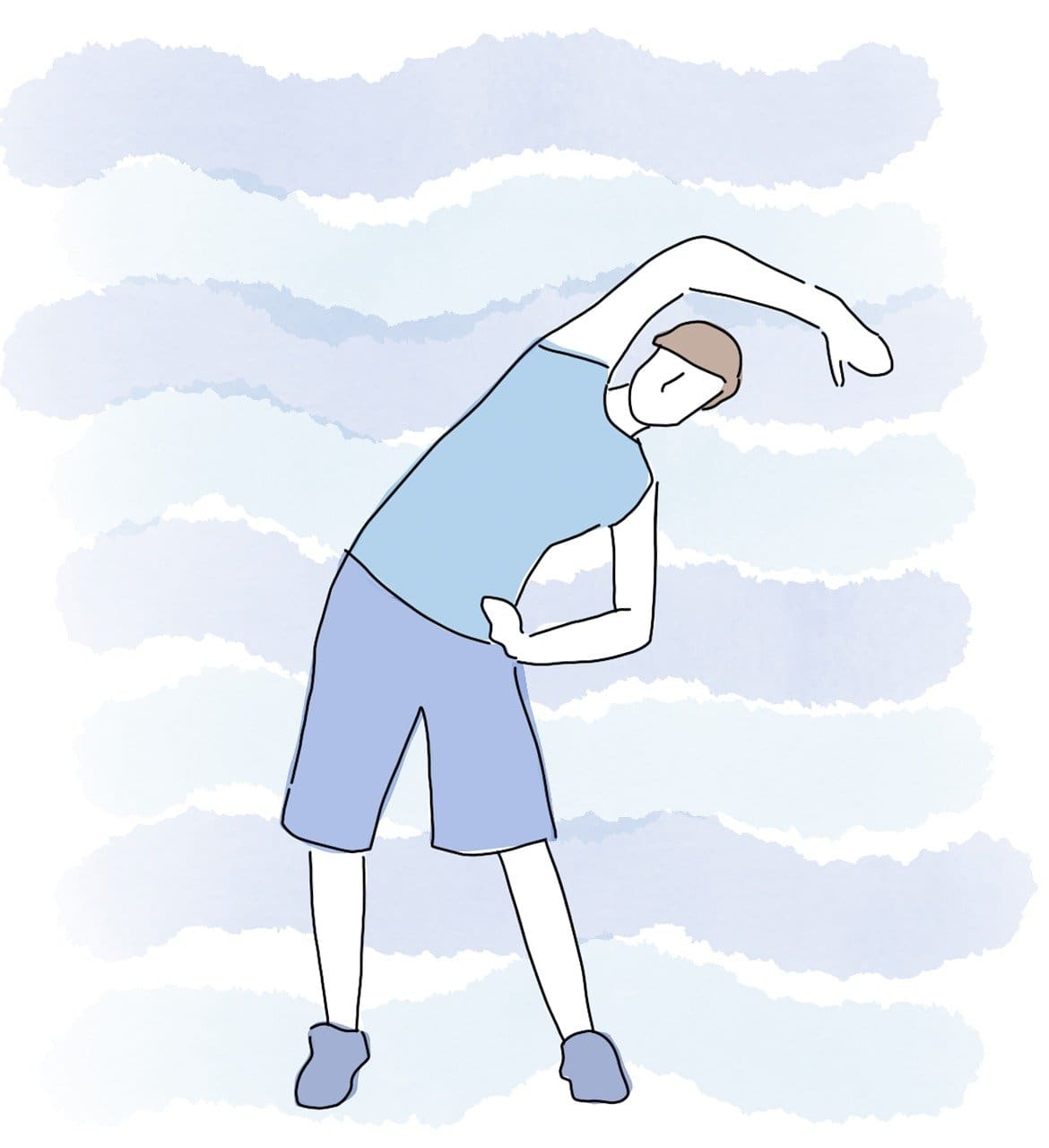
Understanding the Importance of Flexibility
Flexibility is crucial for overall health and well-being. It helps improve posture, reduce muscle tension, and enhance athletic performance. By increasing your flexibility, you can prevent injuries, promote better circulation, and even relieve stress. So, the next time you think about skipping your stretching routine, remember how important flexibility is for your body.
Types of Stretching
There are different types of stretching techniques, each targeting specific muscle groups and flexibility goals. Some common stretching methods include static stretching, dynamic stretching, ballistic stretching, and proprioceptive neuromuscular facilitation (PNF) stretching. Understanding the various types of stretching can help you choose the right technique for your needs.

Static Stretching
Static stretching involves holding a stretch position for a prolonged period, typically 15-30 seconds. This type of stretching helps improve flexibility by gradually lengthening the muscles and increasing blood flow to the targeted areas. Static stretching is ideal for improving overall flexibility and should be done after a workout or when the muscles are warm.
Dynamic Stretching
Dynamic stretching involves moving the body through a full range of motion in a controlled manner. This type of stretching helps improve flexibility, mobility, and muscle coordination. Dynamic stretching is great for warming up before physical activity, as it helps prepare the muscles and joints for movement. It can also be used as a standalone flexibility routine to improve overall range of motion.

Ballistic Stretching
Ballistic stretching involves using the momentum of a moving body or limb to force it beyond its normal range of motion. While ballistic stretching can help improve flexibility, it can also increase the risk of muscle strain and injury if not done correctly. It is important to perform ballistic stretches with caution and only under the guidance of a qualified fitness professional.
PNF Stretching
Proprioceptive neuromuscular facilitation (PNF) stretching is a more advanced stretching technique that involves contracting and relaxing the muscles being stretched. This method is believed to help improve flexibility more quickly than traditional stretching techniques. PNF stretching is often done with a partner or using props such as resistance bands to enhance the stretch.
Choosing the Right Stretching Routine
When choosing a stretching routine to improve flexibility, consider your fitness level, flexibility goals, and any specific muscle groups that need attention. It’s important to start slowly and gradually increase the intensity of your stretching routine to prevent injury and allow your body to adapt to the changes. Listen to your body and adjust your stretching routine as needed to accommodate your personal needs.
Best Stretches for Improved Flexibility
Now that you understand the importance of flexibility and the different types of stretching techniques, let’s explore some of the best stretches to improve flexibility in key muscle groups. Here are some effective stretches to target common areas of tightness and promote overall flexibility:
Lower Body Stretches
- Hamstring Stretch: Sit on the floor with one leg extended and the other bent. Reach for your toes and hold the stretch for 15-30 seconds. Switch legs and repeat.
- Quadriceps Stretch: Stand on one leg and grab your other ankle, pulling it towards your glutes. Hold for 15-30 seconds and switch legs.
- Calf Stretch: Step one foot back and press the heel into the ground, keeping the back leg straight. Hold for 15-30 seconds and switch sides.
Upper Body Stretches
- Shoulder Stretch: Bring one arm across your chest and use the other arm to pull it towards your body. Hold for 15-30 seconds and switch arms.
- Triceps Stretch: Reach one hand down the center of your back and gently push on the elbow with the other hand. Hold for 15-30 seconds and switch arms.
- Chest Stretch: Stand in a doorway with your hands on the door frame at shoulder height. Lean forward to feel the stretch in your chest and shoulders.
Back Stretches
- Cat-Cow Stretch: Start on your hands and knees, arching your back towards the ceiling (cat pose) and then dropping your belly towards the floor (cow pose). Repeat for 10-15 reps.
- Child’s Pose: Sit back on your heels with your arms extended in front of you, lowering your forehead to the floor. Hold for 30 seconds to release tension in the back.
Tips for Effective Stretching
To get the most out of your stretching routine and improve flexibility, consider these tips for effective stretching:
- Warm-Up: Always warm up your muscles before stretching to prevent injury and increase flexibility.
- Breathe: Focus on deep, slow breathing while stretching to relax the muscles and improve the stretch.
- Hold the Stretch: Hold each stretch for at least 15-30 seconds to allow the muscles to lengthen and relax.
- Don’t Bounce: Avoid bouncing or jerking movements while stretching, as this can lead to muscle strain.
- Stay Consistent: Make stretching a regular part of your fitness routine to see improvements in flexibility over time.
Incorporating Stretching into Your Routine
Now that you have a better understanding of the different types of stretching techniques, the best stretches for improved flexibility, and tips for effective stretching, it’s time to incorporate stretching into your daily routine. Whether you’re a beginner or an experienced athlete, improving flexibility through stretching can benefit your overall health and fitness goals. So, grab your yoga mat or resistance bands and start stretching your way to a more flexible body today.
Remember, flexibility is a journey, not a destination. Be patient with yourself, listen to your body, and enjoy the process of improving your flexibility through regular stretching. Your body will thank you for it in the long run!