
Welcome to an article all about the power of collaboration in advocating for better healthcare! In this piece, we will explore how joining forces with other individuals, organizations, and groups can amplify your voice and impact when it comes to advocating for important healthcare issues. By building coalitions, you can leverage different strengths and resources to create meaningful change and make a significant difference in the healthcare landscape. So grab a cup of coffee and get ready to learn about the benefits and strategies of building strong alliances for effective healthcare advocacy. Let’s dive in! Have you ever felt frustrated with the current state of healthcare in your community? Are you looking for ways to make a real impact and advocate for positive change in the healthcare system? You’re not alone! Building coalitions for effective healthcare advocacy can be a powerful way to amplify your voice and make a difference. In this article, we’ll explore how you can build and leverage coalitions to advocate for better healthcare in your community. So, grab a cup of coffee, sit back, and let’s dive in together!
Understanding the Power of Coalitions
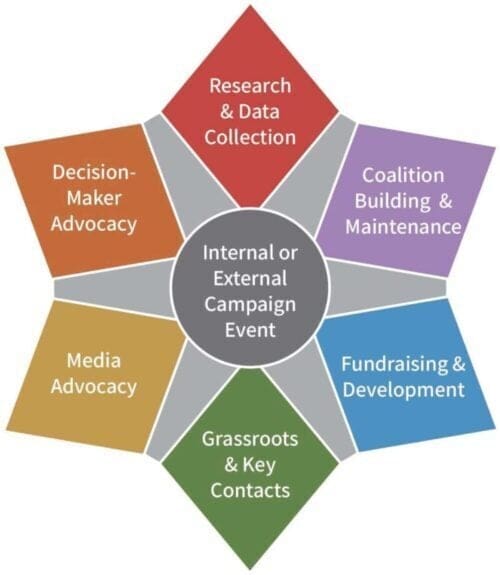
Coalitions bring together individuals and organizations with diverse backgrounds, skills, and resources to work towards a common goal. By joining forces, you can amplify your message, reach a wider audience, and have a more significant impact on healthcare policy and decision-making. Whether you’re advocating for universal healthcare, mental health awareness, or better access to quality care, building a coalition can help you achieve your advocacy goals more effectively.
Why Should You Join a Coalition?
Building coalitions allows you to pool resources, expertise, and influence to create a more significant impact than you could achieve on your own. By collaborating with like-minded individuals and organizations, you can leverage each other’s strengths and tackle complex healthcare issues from multiple angles. Additionally, joining a coalition can help you build relationships, expand your network, and gain valuable insights into effective advocacy strategies.
Steps to Building a Coalition
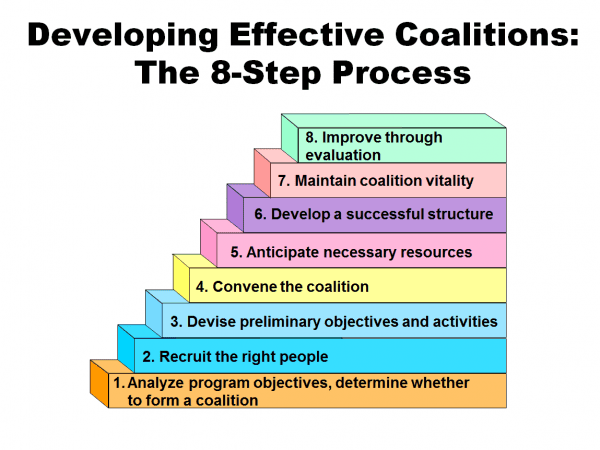
Building a coalition for effective healthcare advocacy requires careful planning, relationship-building, and communication. Here are some steps to help you get started on your advocacy journey:
Step 1: Identify Your Advocacy Goals
Before you start reaching out to potential coalition partners, it’s essential to clarify your advocacy goals and the issues you want to address. Whether you’re focused on healthcare access, affordability, quality, or equity, clearly defining your objectives will help you attract the right partners who share your vision and values.
Step 2: Research Potential Coalition Partners
Once you’ve identified your advocacy goals, research potential coalition partners who have a stake in the issues you care about. Look for organizations, advocacy groups, healthcare professionals, policymakers, and community leaders who could bring valuable expertise, resources, and influence to your coalition. Consider reaching out to local hospitals, clinics, non-profit organizations, government agencies, universities, and grassroots advocacy groups to explore potential collaborations.
Step 3: Establish Clear Communication Channels
Effective communication is key to building a successful coalition. Establish clear communication channels, such as regular meetings, email updates, social media groups, or collaboration platforms, to keep all coalition members informed and engaged. Encourage open dialogue, active participation, and feedback to ensure that everyone feels heard and valued in the coalition.
Step 4: Define Roles and Responsibilities
Clarify the roles and responsibilities of coalition members to avoid confusion and ensure that everyone knows what is expected of them. Assign tasks, set deadlines, and establish accountability measures to keep the coalition’s activities on track and aligned with your advocacy goals. By dividing the work and resources among coalition members, you can leverage each other’s strengths and maximize your collective impact.
Strategies for Effective Advocacy Campaigns
Once you’ve built a strong coalition, it’s time to develop and implement effective advocacy campaigns to influence healthcare policy and decision-making. Here are some strategies to help you create impactful advocacy campaigns:
Use Data and Research to Support Your Advocacy
Collecting and presenting data, research, and evidence-based solutions can strengthen your advocacy efforts and make a compelling case for policy change. Use statistics, reports, case studies, and testimonials to highlight the impact of healthcare issues on individuals, families, and communities. By grounding your advocacy in solid evidence, you can build credibility, gain support, and make a persuasive argument for healthcare reform.
Mobilize Grassroots Support
Mobilizing grassroots support is a powerful way to build momentum, raise awareness, and drive change in healthcare policy. Engage community members, patients, caregivers, and healthcare providers in your advocacy campaigns by organizing town hall meetings, rallies, petitions, letter-writing campaigns, and social media campaigns. By involving grassroots stakeholders in your advocacy efforts, you can amplify your message, reach a wider audience, and demonstrate widespread support for your cause.
Collaborate with Key Stakeholders
Collaborating with key stakeholders, such as healthcare providers, industry experts, policymakers, and government officials, can help you gain valuable insights, build relationships, and influence decision-makers. Engage with key stakeholders through meetings, roundtable discussions, advisory panels, and collaborative projects to share perspectives, exchange ideas, and discuss potential solutions to healthcare challenges. By working together with diverse stakeholders, you can develop more comprehensive and effective advocacy strategies.

Sustaining Your Coalition for Long-Term Impact
Building a coalition and advocating for healthcare reform is an ongoing process that requires dedication, persistence, and resilience. Here are some tips to help you sustain your coalition for long-term impact:
Foster a Culture of Collaboration and Inclusion
Create a culture of collaboration and inclusion within your coalition by valuing diverse perspectives, fostering open dialogue, and respecting each other’s opinions. Encourage active participation, teamwork, and mutual support to build trust, cohesion, and solidarity among coalition members. By fostering a sense of community and belonging, you can strengthen your coalition’s resilience and sustainability in the face of challenges and setbacks.
Build Capacity and Skills
Invest in building the capacity and skills of coalition members to enhance their advocacy effectiveness and impact. Provide training, resources, and opportunities for professional development to help coalition members develop their leadership, communication, advocacy, and organizing skills. By empowering coalition members with the knowledge and tools they need to succeed, you can build a stronger, more resilient coalition that can adapt to changing circumstances and navigate complex healthcare issues.
Celebrate Wins and Learn from Challenges
Celebrate your advocacy wins, milestones, and achievements to boost morale, motivation, and engagement within your coalition. Acknowledge and appreciate the hard work, dedication, and contributions of coalition members who have helped advance your advocacy goals. At the same time, learn from challenges, setbacks, and failures to identify areas for improvement, reflection, and growth. By celebrating wins and learning from challenges, you can build a more resilient and adaptive coalition that can weather the ups and downs of advocacy work.

Conclusion
Building coalitions for effective healthcare advocacy is a powerful way to amplify your voice, influence policy change, and make a real impact on the healthcare system. By joining forces with like-minded individuals and organizations, you can leverage each other’s strengths, resources, and expertise to advance your advocacy goals. Whether you’re advocating for healthcare access, affordability, quality, or equity, building a coalition can help you create lasting change in your community. So, roll up your sleeves, rally your allies, and start building a coalition for effective healthcare advocacy today! Together, we can make a difference.
