

In today’s fast-paced and stressful world, it’s essential to prioritize our mental well-being. One powerful tool that can greatly contribute to our overall happiness and success is Emotional Intelligence (EI). By understanding and controlling our emotions, we can enhance our relationships, make better decisions, and cultivate a positive mindset. In this article, we will explore the importance of building emotional intelligence and how it can significantly impact our mental well-being. So, get ready to embark on a journey of self-discovery and learn valuable skills to navigate the difficulties of life with resilience and grace.
Understanding Emotional Intelligence
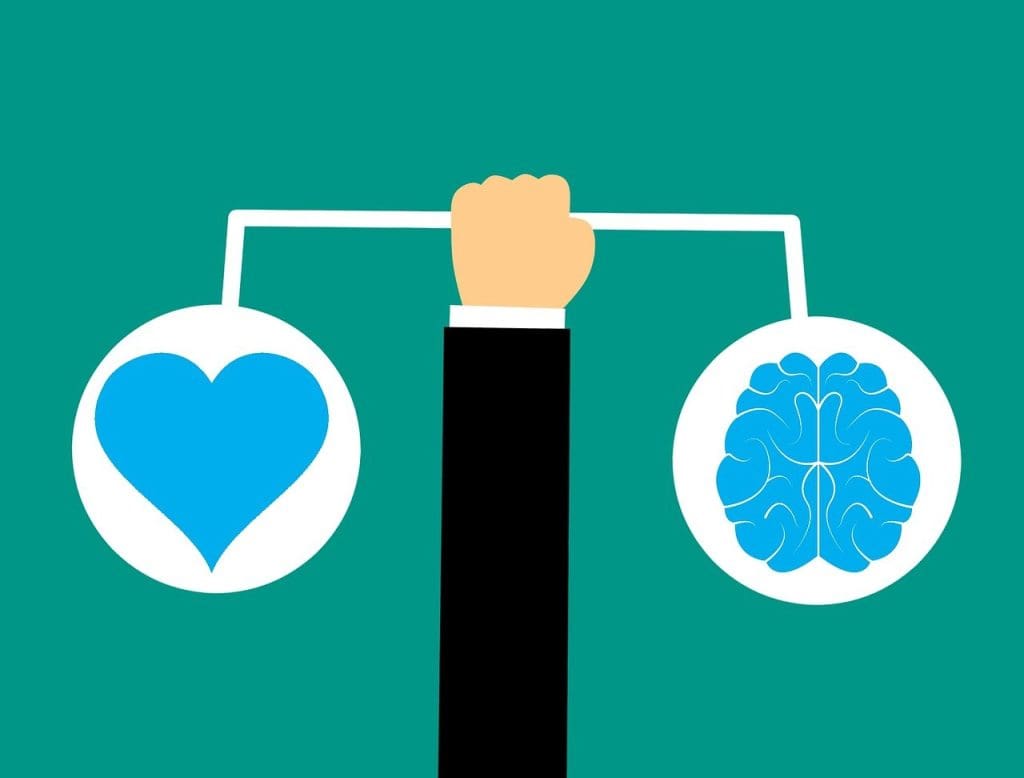
Emotional intelligence refers to the ability to perceive, understand, and manage one’s own emotions, as well as effectively recognize and respond to the emotions of others. It involves a set of skills and competencies that are essential for navigating the complexities of human emotions and relationships.
Definition of Emotional Intelligence
Emotional intelligence can be defined as the capacity to recognize and understand emotions in oneself and others, and to use this knowledge to guide thinking and behavior. It encompasses a range of abilities, including self-awareness, empathy, emotional management, and social skills. It goes beyond conventional intelligence and plays a significant role in our mental well-being.
Components of Emotional Intelligence
Emotional intelligence comprises several key components. Firstly, self-awareness is the foundation of emotional intelligence, involving the ability to recognize and understand one’s own emotions, strengths, weaknesses, values, and beliefs. Secondly, empathy enables individuals to understand and share the emotions of others, fostering genuine connections and promoting understanding. Thirdly, emotional management involves regulating and expressing emotions effectively, leading to healthier coping mechanisms and overall well-being. Lastly, social skills are essential for building and maintaining relationships, resolving conflicts, and effective communication.
Importance of Emotional Intelligence for Mental Well-being
Emotional intelligence holds immense importance for one’s mental well-being. It helps individuals navigate through challenging situations with greater ease and resilience. Individuals with high emotional intelligence are better equipped to manage stress, adapt to change, and maintain positive relationships. Developing emotional intelligence can lead to improved emotional health, enhanced self-esteem, and increased overall life satisfaction.
Enhancing Self-Awareness
Enhancing self-awareness is a fundamental aspect of building emotional intelligence. It involves recognizing and understanding your own emotions, strengths, weaknesses, values, and beliefs. By deepening your self-awareness, you can develop a stronger sense of who you are, enabling you to make better decisions and respond more effectively to various situations.
Recognizing and Understanding Emotions
Take the time to observe and acknowledge your emotions without judgment. Notice how different situations and interactions make you feel. By labeling your emotions and understanding their causes, you can gain valuable insight into your thoughts and behaviors. This self-awareness allows you to respond to situations consciously and in alignment with your values.
Exploring Personal Strengths and Weaknesses
Understanding your strengths and weaknesses is crucial for personal growth. Reflecting on your abilities, talents, and areas for improvement can help you gain a clearer perspective on how to leverage your strengths and work on areas that could benefit from growth. By embracing a growth mindset and seeking opportunities for self-improvement, you can enhance your emotional intelligence and overall well-being.
Practicing Mindfulness and Self-Reflection
Engaging in mindfulness practices and self-reflection exercises can significantly contribute to self-awareness. Mindfulness involves paying attention to the present moment, without judgment, and with an open mind. By practicing mindfulness, you can develop a deeper understanding of your thoughts, emotions, and physical sensations. Regular self-reflection, such as journaling or meditation, provides an opportunity to explore your emotions, values, and experiences, leading to greater self-awareness.
Developing Empathy
Empathy is the ability to understand and share the emotions of others. It allows for genuine connection and fosters a sense of understanding and compassion. Developing empathy is essential for building meaningful relationships and enhancing emotional intelligence.
Understanding Others’ Emotions
To develop empathy, it is important to actively listen and seek to understand the emotions of others. Pay attention to nonverbal cues and body language, as they often provide valuable insights into someone’s emotional state. Put yourself in their shoes and try to imagine how they might be feeling. By practicing empathy, you can create a safe and supportive environment that promotes emotional well-being.
Practicing Active Listening
Active listening is a key component of empathy. It involves fully focusing on the speaker, without judgment or interruption. By actively listening, you can show genuine interest and validate the emotions and experiences of others. Maintain eye contact, nod, and provide verbal cues to let the speaker know that you are fully engaged in the conversation. This fosters trust and strengthens relationships.
Cultivating Compassion and Empathy
Cultivating compassion involves extending empathy towards oneself and others. Treat yourself with kindness and understanding, acknowledging that everyone experiences a range of emotions. Practice acts of kindness towards others, and express genuine concern for their well-being. By cultivating compassion and empathy, you can create a positive and nurturing environment that promotes emotional intelligence and well-being.
Managing Emotions
Managing emotions effectively is a vital aspect of emotional intelligence. It involves being aware of your emotions, identifying triggers and stressors, and developing healthy coping mechanisms to regulate and express emotions in a constructive manner.
Identifying Triggers and Stressors
Take the time to identify situations, people, or events that trigger specific emotional responses. By recognizing these triggers, you can better prepare yourself and develop strategies for managing your emotions when faced with such stimuli. Additionally, identify common stressors in your life and explore ways to minimize their impact.
Regulating Emotions Effectively
Regulating emotions involves understanding how to respond to different emotions in a healthy and constructive manner. Develop strategies to calm yourself in challenging situations, such as deep breathing exercises, engaging in physical activity, or practicing mindfulness techniques. By regulating your emotions effectively, you can increase your resilience and avoid detrimental emotional reactions.
Developing Healthy Coping Mechanisms
Rather than suppressing or avoiding emotions, it is important to develop healthy coping mechanisms to deal with them effectively. Find activities that help you relax, such as engaging in hobbies, seeking support from loved ones, or practicing self-care. Use positive outlets, such as journaling or creative expression, to process and express your emotions in a healthy way. Developing healthy coping mechanisms promotes emotional well-being and overall mental health.

Improving Social Skills
Strong social skills are integral to emotional intelligence, as they play a significant role in building and maintaining relationships, resolving conflicts, and effective communication.
Effective Communication
Effective communication involves not only expressing your thoughts and emotions clearly but also listening actively and empathetically. Practice open and honest communication, expressing yourself with respect and kindness. Use nonverbal cues, such as maintaining eye contact and nodding, to show your engagement and understanding. By improving your communication skills, you can foster stronger connections and promote emotional intelligence in your interactions.
Building and Maintaining Relationships
Building and maintaining relationships requires effort and genuine connection. Invest time and energy into developing meaningful connections with others. Seek to understand their perspectives, support their emotional well-being, and be trustworthy. Demonstrate empathy and compassion, and be willing to compromise and resolve conflicts constructively. Strong relationships contribute to emotional intelligence and overall mental well-being.
Resolving Conflicts Constructively
Conflicts are an inevitable part of any relationship, but how they are resolved greatly impacts emotional intelligence and relationship dynamics. Practice active listening and seek to understand different viewpoints. Look for common ground and work towards finding mutually agreeable solutions. Use respectful and assertive communication, avoiding blame and defensiveness. Resolving conflicts constructively strengthens emotional intelligence and promotes healthier relationships.
Increasing Self-Motivation
Self-motivation is crucial for personal growth and well-being. It involves setting meaningful goals, boosting self-confidence, and maintaining a positive mindset.
Setting Meaningful Goals
Setting goals that align with your values and aspirations provides motivation and a sense of purpose. Define both short-term and long-term goals that are realistic and attainable. Break them down into smaller, manageable tasks to stay motivated. Celebrate your accomplishments along the way and adjust your goals as needed. By setting meaningful goals, you can enhance your motivation and overall emotional well-being.
Boosting Self-Confidence
Self-confidence is essential for emotional intelligence and overall mental well-being. Focus on your strengths and achievements, acknowledging your worth and capabilities. Surround yourself with positive influences and supportive individuals who uplift and encourage you. Practice self-care and engage in activities that make you feel confident and capable. By boosting your self-confidence, you can cultivate emotional resilience and navigate challenges with greater ease.
Maintaining a Positive Mindset
Maintaining a positive mindset involves consciously choosing to focus on the positive aspects of life, even in the face of challenges. Practice gratitude and find joy in small moments. Challenge negative thoughts and reframe them in a more positive and realistic light. Surround yourself with positive affirmations and inspirational resources. By maintaining a positive mindset, you can enhance your emotional intelligence and overall well-being.

Practicing Emotional Intelligence in the Workplace
Emotional intelligence is not limited to personal relationships but also plays a crucial role in professional settings. Developing and practicing emotional intelligence in the workplace can lead to improved team collaboration, productivity, and overall job satisfaction.
Managing Emotions in a Professional Setting
In the workplace, it is important to manage emotions effectively to maintain a positive and productive environment. Recognize your emotions and their impact on your performance and interactions. Practice emotional regulation techniques, such as self-awareness and self-control, to respond constructively to work-related challenges. By managing emotions in a professional setting, you can enhance your performance and promote a healthy work atmosphere.
Developing Leadership Skills
Leadership skills heavily rely on emotional intelligence. Effective leaders understand and empathize with their team members, promoting trust and open communication. Develop your leadership skills by fostering a supportive and inclusive work environment, providing constructive feedback, and empowering others to grow. By developing leadership skills through emotional intelligence, you can create a positive and productive workplace culture.
Enhancing Team Collaboration and Productivity
Emotional intelligence is essential for building strong and cohesive teams. Foster a collaborative and supportive environment by promoting open communication, active listening, and a shared sense of purpose. Encourage teamwork and respect diverse perspectives. By enhancing team collaboration and productivity through emotional intelligence, you can create a positive and high-performing work environment.
Fostering Emotional Intelligence in Children
Nurturing emotional intelligence in children is crucial for their overall well-being and future success. Parents, caregivers, and educators play a vital role in fostering emotional intelligence in children.
Teaching Emotional Vocabulary
Teach children to recognize and express their emotions by providing them with a rich emotional vocabulary. Encourage them to identify and label their feelings, helping them understand and communicate their emotional experiences effectively. Discuss various emotions and their causes, and validate their emotions with empathy and understanding.
Encouraging Emotional Expression
Create a safe and supportive environment that encourages children to express their emotions freely. Validate their feelings and provide opportunities for open communication. Encourage them to express themselves through art, play, or verbal communication. By fostering emotional expression, children can develop a better understanding of their emotions and develop healthy emotional coping mechanisms.
Promoting Empathy and Understanding
Promote empathy and understanding by teaching children to consider the emotions of others. Encourage them to imagine how others might be feeling and think about the impact of their words and actions on others. Engage in conversations that highlight empathy and kindness, and model empathetic behavior yourself. By promoting empathy and understanding, children can develop stronger emotional intelligence and build healthier relationships.
Building Emotional Intelligence through Therapy and Coaching
Therapy and coaching can be valuable resources for building emotional intelligence. These professional services provide support, guidance, and specialized techniques to enhance emotional well-being.
Working with a Therapist or Coach
Working with a therapist or coach can provide a safe and non-judgmental space to explore your emotions, strengths, and areas for growth. They can help you identify and address underlying emotional patterns and develop personalized strategies for enhancing emotional intelligence. By collaborating with a therapist or coach, you can receive guidance and support on your journey towards improved emotional well-being.
Utilizing Therapeutic Techniques
Therapeutic techniques, such as cognitive-behavioral therapy (CBT), mindfulness-based therapy, or emotion-focused therapy, can be highly effective in building emotional intelligence. These techniques help individuals gain insight into their thoughts, emotions, and behaviors, and provide practical tools for emotional regulation and self-awareness. By utilizing therapeutic techniques, you can develop stronger emotional intelligence skills and improve your mental well-being.
Seeking Support and Guidance
Seeking support and guidance from trusted individuals, such as friends, family, or mentors, can also contribute to building emotional intelligence. Engage in open and honest conversations about your emotions and challenges. Lean on your support system for encouragement and understanding. By seeking support and guidance, you can build a strong emotional foundation and foster growth in your emotional intelligence.
Practical Exercises to Strengthen Emotional Intelligence
Several practical exercises can help strengthen emotional intelligence and promote better mental well-being. These exercises provide opportunities for self-reflection, mindfulness, and personal growth.
Journaling and Self-Reflection
Journaling is a powerful tool for self-reflection and understanding emotions. Set aside regular time to write about your thoughts, emotions, and experiences. Explore your strengths, weaknesses, and areas for growth. Use journaling as a means to process and express your emotions. By engaging in journaling and self-reflection, you can deepen your self-awareness and enhance your emotional intelligence.
Engaging in Mindfulness Practices
Mindfulness practices, such as meditation, breathing exercises, or body scans, can cultivate self-awareness and emotional regulation. Set aside dedicated time each day to practice mindfulness. Focus on your breath, senses, or body sensations, allowing thoughts to come and go without judgment. By engaging in mindfulness practices, you can develop a greater understanding of your emotions and build resilience.
Participating in Emotional Intelligence Workshops
Emotional intelligence workshops offer structured learning experiences and practical tools for strengthening emotional intelligence. These workshops often involve interactive exercises, discussions, and self-reflection activities. Look for workshops offered by reputable organizations or trained professionals. By participating in emotional intelligence workshops, you can gain valuable insights and skills to enhance your emotional well-being.
In conclusion, building emotional intelligence is a lifelong journey that requires self-reflection, practice, and a commitment to personal growth. By understanding emotional intelligence, developing self-awareness, empathy, and social skills, managing emotions effectively, and seeking support when needed, you can enhance your emotional intelligence and promote better mental well-being. Embracing emotional intelligence in various aspects of life, such as the workplace and parenting, can lead to improved relationships, increased resilience, and overall life satisfaction. Remember, building emotional intelligence is a continuous process that can positively impact your well-being and the well-being of those around you.