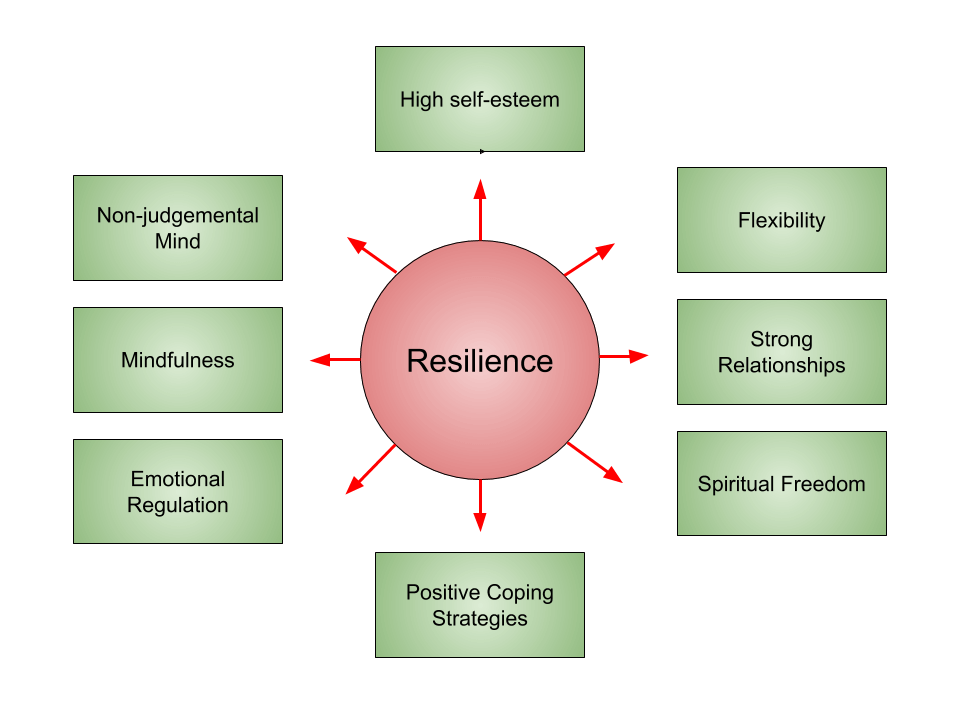
Welcome to an article on building resilience for mental health. In today’s fast-paced world, it’s important to take care of your well-being and develop strategies to bounce back from challenges. Building resilience can help you navigate through life’s ups and downs with a positive mindset and the ability to adapt to stressors. By practicing self-care, seeking support, and developing coping mechanisms, you can strengthen your mental health and overall well-being. Stay tuned for tips and strategies on how to build resilience for a healthier mind and outlook on life. Have you ever wondered how you can build resilience to protect your mental health? Life can be challenging and overwhelming at times, but by developing resilience, you can better cope with stress, adversity, and setbacks. In this article, we will explore various strategies and techniques that you can incorporate into your daily life to enhance your mental resilience.
Understanding Resilience
Resilience is the ability to bounce back from difficult experiences and adapt to change. It is not about avoiding stress or problems, but rather about facing them head-on and finding ways to overcome them. Resilient individuals are better equipped to handle life’s ups and downs, maintain a positive outlook, and persevere in the face of adversity.
What Does Resilience Look Like?
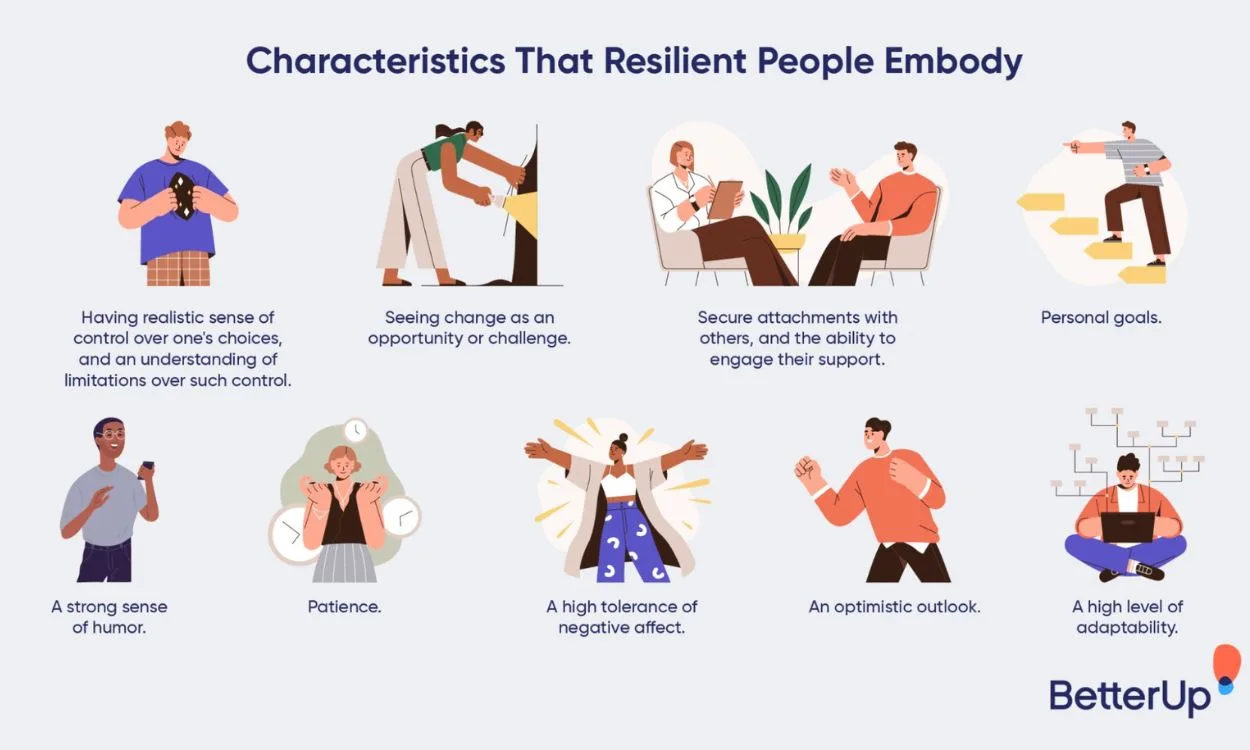
Resilience can manifest in different ways, depending on the individual and their circumstances. Some common characteristics of resilient people include:
- Adaptability: Resilient individuals are flexible and able to adjust to new situations.
- Optimism: They maintain a positive attitude, even in challenging times.
- Problem-solving skills: Resilient people are resourceful and able to find solutions to problems.
- Emotional regulation: They can manage their emotions effectively and remain calm under pressure.
- Social support: Resilient individuals have a strong support system of family and friends who can provide comfort and encouragement.
Building Resilience
While some people may naturally be more resilient than others, resilience is a skill that can be developed and strengthened over time. By incorporating certain habits and practices into your daily routine, you can cultivate resilience and protect your mental health.
Develop a Strong Support System
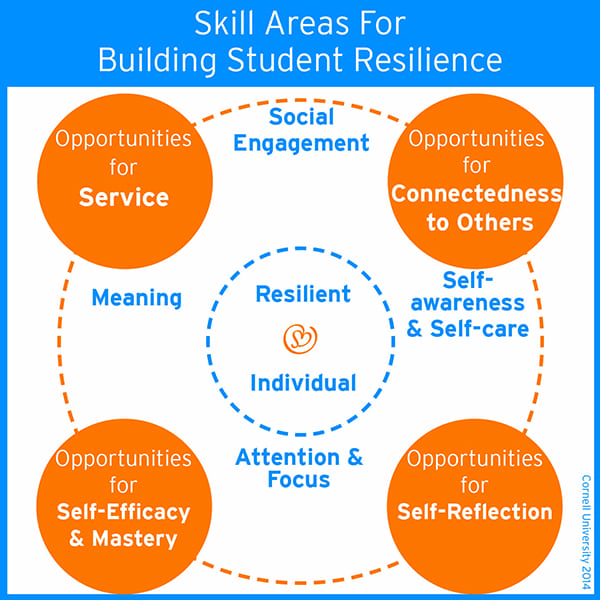
One of the key factors in building resilience is having a strong support system of friends, family, and other loved ones. Social support can provide emotional comfort, practical assistance, and a sense of belonging, all of which are essential for coping with stress and adversity. Make an effort to nurture your relationships and surround yourself with people who uplift and encourage you.
Practice Self-Care
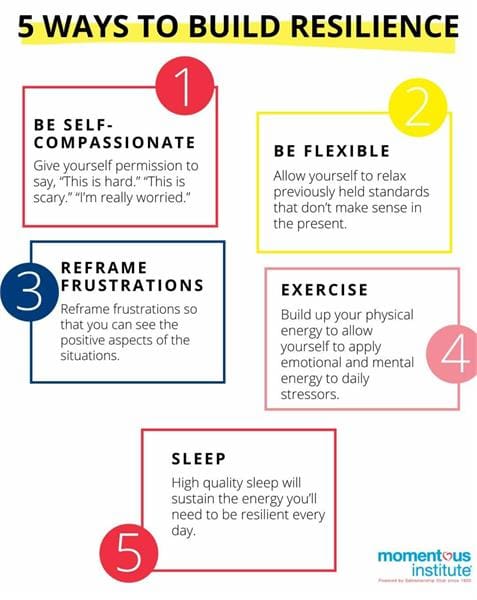
Self-care is crucial for maintaining mental and emotional well-being. Taking care of yourself physically, emotionally, and mentally can help you build resilience and better cope with life’s challenges. Make time for activities that bring you joy and relaxation, such as exercise, meditation, hobbies, or spending time in nature. Prioritize getting enough sleep, eating nutritious foods, and managing stress effectively.
Cultivate a Growth Mindset
Having a growth mindset can enhance your resilience by helping you view challenges as opportunities for growth and learning. Instead of seeing setbacks as failures, reframe them as valuable lessons that can help you improve and evolve. Embrace challenges, take risks, and be open to trying new things. By adopting a growth mindset, you can build confidence in your ability to overcome obstacles and bounce back from setbacks.
Practice Mindfulness and Stress Management
Mindfulness and stress management techniques can be powerful tools for building resilience and protecting your mental health. Mindfulness involves paying attention to the present moment without judgment, which can help you stay grounded and calm in stressful situations. Practice deep breathing, meditation, or progressive muscle relaxation to manage stress and anxiety effectively. By incorporating these practices into your daily routine, you can cultivate a sense of inner peace and resilience.
Set Realistic Goals
Setting realistic and achievable goals can help you build resilience by giving you a sense of purpose and direction. Break down larger goals into smaller, manageable steps and celebrate your progress along the way. By setting goals that are challenging yet attainable, you can boost your confidence, motivation, and resilience. Remember to be patient and kind to yourself as you work towards your goals, and don’t be afraid to adjust them as needed.
Building Resilience in Children
Resilience is a valuable trait that can benefit individuals of all ages, including children. By teaching children how to build resilience from a young age, you can empower them to navigate life’s challenges and setbacks with confidence and adaptability.
Encourage Problem-Solving and Independence
Encouraging children to solve problems on their own and make decisions independently can help them develop resilience and self-reliance. Allow children to face challenges and setbacks, and support them in finding solutions and coping strategies. By empowering children to overcome obstacles on their own, you can help them build a sense of competence and resilience.
Foster a Positive Outlook
Fostering a positive and optimistic outlook in children can enhance their resilience and ability to bounce back from adversity. Encourage children to focus on their strengths, cultivate gratitude, and practice positive self-talk. Teach them how to reframe negative thoughts into positive ones and see setbacks as opportunities for growth and learning. By instilling a positive mindset in children, you can equip them with valuable tools for building resilience throughout their lives.
Teach Coping Skills
Teaching children effective coping skills can help them manage stress, anxiety, and other difficult emotions in healthy ways. Encourage children to express their feelings openly and offer them guidance on healthy coping strategies, such as deep breathing, mindfulness, or talking to a trusted adult. Help children build resilience by providing a safe and supportive environment where they can learn and practice coping skills.
Encourage Social Connections
Social connections are essential for building resilience in children. Encourage children to develop strong relationships with peers, teachers, and family members, as social support can provide comfort, encouragement, and a sense of belonging. Teach children how to communicate effectively, resolve conflicts, and seek help when needed. By fostering positive social connections, you can help children build resilience and thrive in all areas of their lives.
Conclusion
Building resilience is a lifelong journey that requires dedication, practice, and patience. By incorporating strategies and techniques such as developing a strong support system, practicing self-care, cultivating a growth mindset, and practicing mindfulness and stress management, you can enhance your resilience and protect your mental health. Remember that resilience is a skill that can be developed and strengthened over time, so be kind to yourself as you work towards building a resilient mindset. By prioritizing your mental health and well-being, you can navigate life’s challenges with confidence, adaptability, and resilience.