
Welcome to our helpful Buyers Guide on choosing the right therapy for Alzheimer’s Disease. With so many options available, it can be overwhelming to make a decision. In this article, we will provide you with key factors to consider when selecting a therapy for yourself or a loved one with Alzheimer’s Disease. By understanding the various treatments and support services available, you can make an informed choice that best suits your needs. Let’s navigate through this journey together as we strive to improve quality of life and promote well-being.
“Buyers Guide: Choosing The Right Therapy For Alzheimer’s Disease”
Have you or a loved one been diagnosed with Alzheimer’s Disease and are unsure of what therapy options are available? Don’t worry, in this article, we will guide you through the process of choosing the right therapy for Alzheimer’s Disease. With so many options out there, it can be overwhelming, but we are here to help make the decision easier for you.
Understanding Alzheimer’s Disease
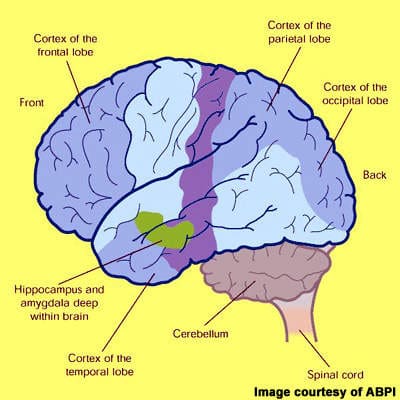
Alzheimer’s Disease is a progressive brain disorder that affects memory, thinking, and behavior. It is the most common cause of dementia, accounting for 60-80% of cases. The disease progresses over time, with symptoms becoming more severe as the condition worsens. It is important to understand the underlying causes and progression of Alzheimer’s Disease in order to choose the right therapy.
Alzheimer’s Disease is a complex condition that requires a comprehensive treatment approach. From medication to therapy to lifestyle changes, there are various options available to help manage the symptoms and slow down the progression of the disease. It is essential to consult with healthcare professionals to create a personalized treatment plan that meets your specific needs.
Pharmacological Therapy
Pharmacological therapy involves the use of medications to help manage the symptoms of Alzheimer’s Disease. There are several types of drugs available that can help improve memory, cognition, and behavior in individuals with the disease. These medications work by targeting neurotransmitters in the brain that are involved in memory and cognition.
When considering pharmacological therapy for Alzheimer’s Disease, it is important to consult with a healthcare provider to determine which medications are right for you or your loved one. The most common types of drugs used to treat Alzheimer’s Disease include:
| Medication Name | Function | Side Effects |
|---|---|---|
| Aricept (donepezil) | Improves memory | Nausea, diarrhea |
| Exelon (rivastigmine) | Improves cognition | Nausea, vomiting |
| Namenda (memantine) | Improves behavior | Dizziness, headache |
It is important to note that these medications may not work for everyone and can have side effects. It is essential to work closely with a healthcare provider to monitor the effectiveness of the medications and adjust the dosage as needed.

Non-Pharmacological Therapy
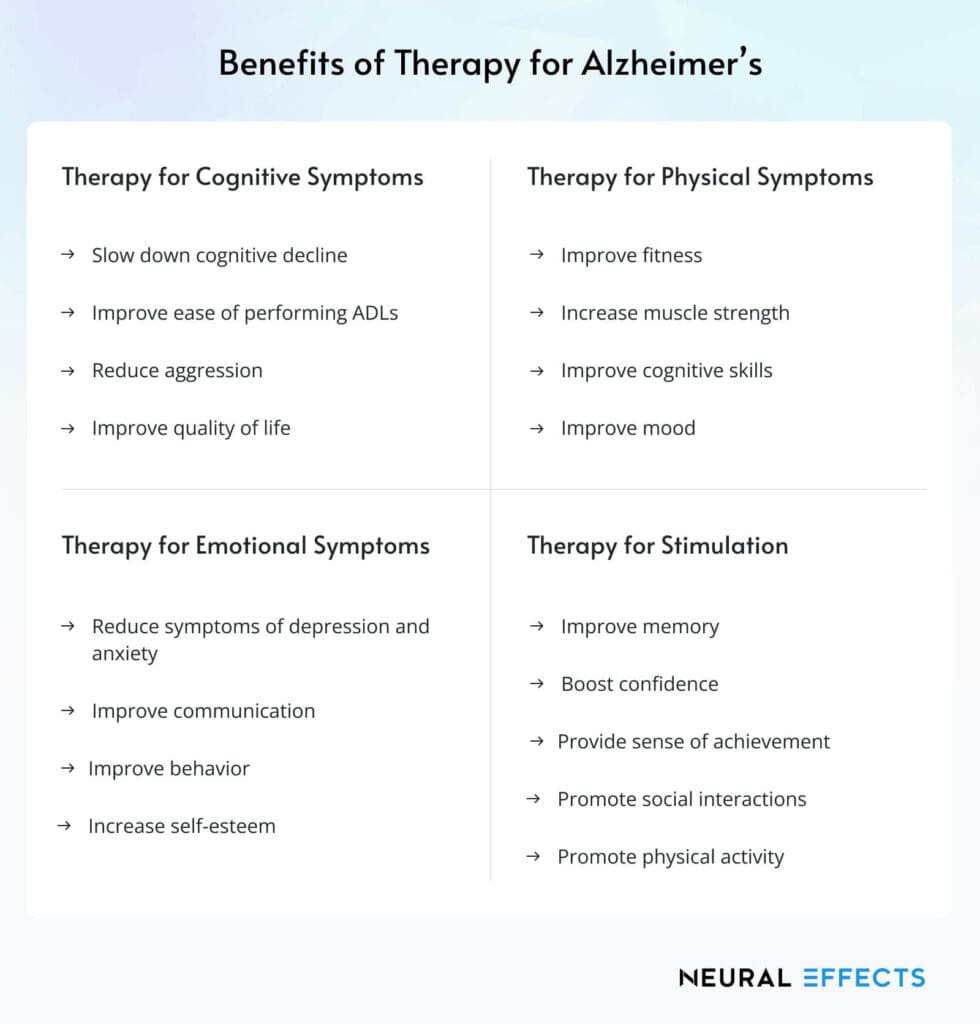
Non-pharmacological therapy involves the use of alternative treatments to help manage the symptoms of Alzheimer’s Disease. These therapies focus on improving the quality of life for individuals with the disease through various activities and interventions. Some common types of non-pharmacological therapy for Alzheimer’s Disease include:
- Cognitive Stimulation: Engaging in activities that stimulate the brain, such as puzzles, games, and memory exercises.
- Physical Exercise: Regular physical activity can help improve overall health and cognitive function in individuals with Alzheimer’s Disease.
- Music Therapy: Listening to music or playing instruments can help reduce anxiety and improve mood in individuals with the disease.
Non-pharmacological therapy can be used in conjunction with pharmacological therapy to create a comprehensive treatment plan for Alzheimer’s Disease. It is essential to explore different options and find what works best for you or your loved one.
Lifestyle Changes
In addition to medication and therapy, lifestyle changes can play a significant role in managing the symptoms of Alzheimer’s Disease. These changes can help improve overall health and well-being in individuals with the disease. Some key lifestyle changes to consider include:
- Healthy Diet: Eating a well-balanced diet rich in fruits, vegetables, and lean protein can help improve cognitive function.
- Regular Exercise: Engaging in regular physical activity can help improve mood, cognitive function, and overall health.
- Social Engagement: Maintaining social connections and relationships can help reduce feelings of isolation and improve quality of life.
By incorporating these lifestyle changes into your daily routine, you can help manage the symptoms of Alzheimer’s Disease and improve overall well-being.

Support and Resources
Living with Alzheimer’s Disease can be challenging, but you are not alone. There are many resources available to help support you and your loved ones throughout the journey. Some key resources to consider include:
- Alzheimer’s Association: Provides information, support, and resources for individuals and families affected by Alzheimer’s Disease.
- Support Groups: Connecting with others who are going through similar experiences can provide emotional support and encouragement.
- Caregiver Services: If you are caring for a loved one with Alzheimer’s Disease, there are services available to help support you in your caregiving role.
By reaching out for support and accessing available resources, you can navigate the challenges of Alzheimer’s Disease more effectively and improve your quality of life.
Conclusion
Choosing the right therapy for Alzheimer’s Disease can be a daunting task, but with the right information and support, you can make an informed decision that meets your specific needs. Whether you are considering pharmacological therapy, non-pharmacological therapy, lifestyle changes, or a combination of treatments, it is essential to work closely with healthcare professionals to create a personalized treatment plan.
Remember, Alzheimer’s Disease is a complex condition that requires a comprehensive approach to treatment. By exploring different therapy options, making lifestyle changes, and accessing support and resources, you can effectively manage the symptoms of the disease and improve overall well-being. Stay informed, stay positive, and remember that you are not alone in this journey.