
Welcome to the ultimate Buyer’s Guide to Diabetes Testing Supplies! Here, you will find everything you need to know about the essential supplies for managing diabetes. From glucose meters to test strips, lancets to lancing devices, we’ve got you covered. Whether you are newly diagnosed or a seasoned pro, this guide will help you make informed decisions on what products are best for you. So sit back, relax, and let us help you navigate the world of diabetes testing supplies with ease.
Buyer’s Guide To Diabetes Testing Supplies
Are you overwhelmed by the options for diabetes testing supplies on the market? Don’t worry, you’re not alone! In this article, we will break down everything you need to know about choosing the right testing supplies for managing your diabetes. Let’s get started!
Types of Diabetes Testing Supplies
When it comes to managing your diabetes, having the right testing supplies is crucial. There are several types of supplies available on the market, each serving a specific purpose. Here are the most common types of diabetes testing supplies:
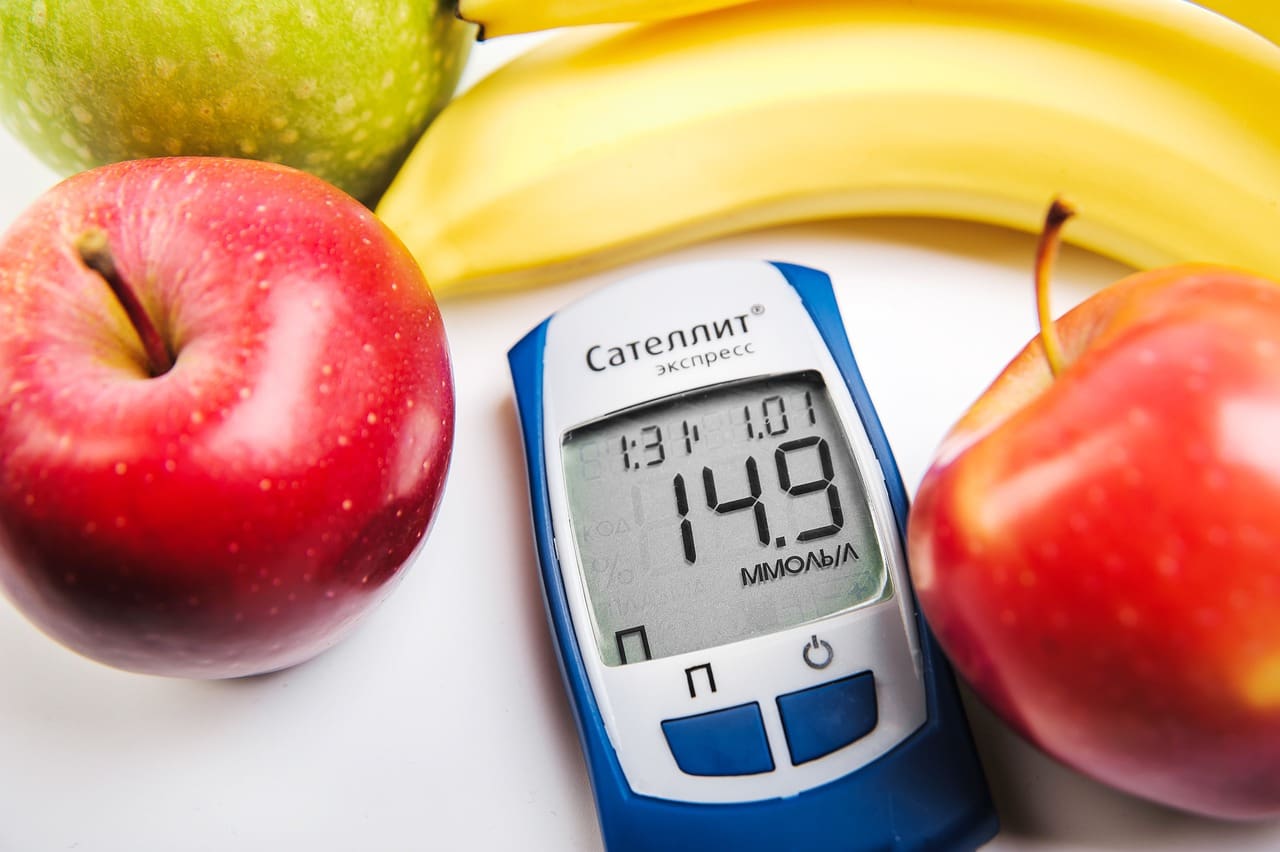
Blood Glucose Meters: These devices are used to measure your blood sugar levels. They require a small drop of blood, usually obtained by pricking your finger, and provide you with a reading within seconds.
Test Strips: These are used in conjunction with a blood glucose meter. The test strip is where you place the blood sample, and it is then inserted into the meter to get a reading.
Lancing Devices: These are used to prick your finger to obtain a small blood sample for testing. Lancing devices come in various models, some with adjustable depth settings to control how deep the lancet penetrates your skin.
Continuous Glucose Monitors (CGMs): These devices are worn on the body and automatically monitor your blood sugar levels throughout the day. They provide real-time data and trends, making it easier to manage your diabetes.
Choosing the Right Blood Glucose Meter
With so many blood glucose meters available, how do you choose the right one for you? Here are some factors to consider when selecting a blood glucose meter:
Accuracy: Look for a meter that provides accurate results. Check the meter’s accuracy against a lab test to ensure it’s reliable.
Ease of Use: Consider how easy the meter is to operate. Look for features like large display screens, backlighting, and audio capabilities for visually impaired users.
Size and Portability: If you plan on carrying your meter with you everywhere, consider its size and portability. Some meters are compact and designed for on-the-go testing.
Cost: Blood glucose meters vary in price, so consider your budget when choosing a meter. Keep in mind the ongoing cost of test strips and lancets, as these can add up over time.
Test Strip Compatibility
When choosing a blood glucose meter, make sure to consider the availability and cost of test strips. Some meters require specific test strip brands, which may be more expensive or harder to find. Check if the meter is compatible with generic or store-brand test strips for cost savings.
Lancing Device Considerations
Lancing devices come in different styles, from traditional finger prickers to advanced devices with adjustable settings. Consider the following when choosing a lancing device:
Pain Level: Some lancing devices are designed to minimize pain by offering adjustable depth settings or using gentle lancets. If you have sensitive skin or are prone to discomfort, look for a device that prioritizes pain management.
Multi-Sample Testing: If you need to test multiple times a day, consider a lancing device that can be used on multiple testing sites without causing excessive discomfort.

Continuous Glucose Monitors
If you’re interested in continuous glucose monitoring, there are a few factors to consider before choosing a device:
Wearability: CGMs are worn on the body for an extended period, so consider factors like size, comfort, and ease of use when selecting a device.
Data Sharing: Some CGMs allow you to share your real-time glucose data with healthcare providers or loved ones. If data sharing is important to you, look for a device with this capability.
Insurance Coverage and Prescription Requirements
Before purchasing any diabetes testing supplies, check with your insurance provider to see what is covered under your plan. Some insurance plans may require a prescription for certain supplies or limit the number of test strips or lancets you can receive each month.

Comparison Shopping Tips
To get the best deal on diabetes testing supplies, consider the following tips for comparison shopping:
Buy in Bulk: Purchasing test strips and lancets in bulk can save you money in the long run. Look for discounts for buying in larger quantities.
Generic Brands: Consider using generic or store-brand test strips and lancets to save on costs. These products are often just as effective as name brands but at a lower price.
Online Retailers: Check online retailers for competitive pricing on diabetes testing supplies. Many online stores offer discounts and promotions, especially when buying in bulk.
Conclusion
Managing your diabetes requires the right testing supplies to monitor your blood sugar levels effectively. By considering factors like accuracy, ease of use, and cost, you can choose the best supplies for your needs. Remember to check with your insurance provider for coverage options and explore different brands and retailers for the best deals. Stay on top of your diabetes management with the right testing supplies!