In this article, you will discover a comprehensive guide that will help you navigate the world of organic and non-toxic household cleaning products. With an increasing number of people seeking safer and environmentally friendly options for their homes, it can be overwhelming to choose the right products. Whether you are concerned about the health of your family, the impact on the environment, or both, this buyer’s guide will provide you with essential information and recommendations to make informed decisions. Say goodbye to harsh chemicals and hello to cleaner, safer living spaces.
Understanding organic and non-toxic household cleaning products
What are organic household cleaning products?
Organic household cleaning products are cleaning solutions that are made from natural and plant-based ingredients, with no synthetic chemicals or artificial additives. These products are formulated using organic ingredients that are grown without the use of pesticides, herbicides, or genetically modified organisms (GMOs). Organic household cleaning products aim to provide effective cleaning performance while minimizing the impact on the environment and human health.
What are non-toxic household cleaning products?
Non-toxic household cleaning products are cleaning solutions that are free from harmful chemicals and substances that can pose risks to human health and the environment. These products are formulated without the use of chemicals such as phthalates, chlorine bleach, ammonia, and formaldehyde. Non-toxic household cleaning products are designed to provide effective cleaning without exposing you and your family to potentially harmful substances.
Benefits of using organic and non-toxic products
Using organic and non-toxic household cleaning products offers several benefits. Firstly, these products are safer for your health and well-being. They do not release harmful fumes or leave residue that can be inhaled or absorbed through the skin. By avoiding exposure to chemicals, you reduce the risk of allergies, respiratory issues, and other health problems associated with toxic cleaning products.
Secondly, organic and non-toxic household cleaning products are better for the environment. They are biodegradable and do not contribute to water or air pollution. Additionally, opting for these products supports sustainable farming practices and helps reduce the use of harmful chemicals in agriculture.
Lastly, organic and non-toxic household cleaning products often come in eco-friendly packaging. Many brands use recyclable materials and prioritize sustainable packaging solutions. By choosing these products, you contribute to reducing plastic waste and promoting a more sustainable future.
Differences between organic and non-toxic products
While organic and non-toxic household cleaning products share many similarities, there are some differences to consider. Organic products are made from ingredients that have been certified as organic by a recognized organic certification body. On the other hand, non-toxic products may not necessarily be organic but are formulated to be free from harmful chemicals.
Organic cleaning products typically prioritize using organic ingredients and avoiding synthetic chemicals altogether. Non-toxic products, on the other hand, may still contain synthetic ingredients as long as they are not considered harmful. It’s important to read product labels and certifications to ensure that the cleaning products you choose align with your preferences and values.
Evaluating product labels and certifications
Look for organic certification labels
When shopping for organic household cleaning products, it is important to look for labels that indicate organic certification. These certifications provide assurance that the products have met certain standards and requirements. Examples of recognized organic certifications include the USDA Organic label, the Ecocert label, and the Soil Association label. These certifications verify that the products have been made with organic ingredients and without the use of harmful pesticides or GMOs.
Check for non-toxic certifications
To determine if a household cleaning product is non-toxic, look for certifications or endorsements from reputable organizations. Some of the common non-toxic certifications to watch for include the Green Seal certification, the EPA Safer Choice label, and the UL ECOLOGO certification. These certifications indicate that the product has been carefully evaluated and meets specific criteria to be considered non-toxic.
Understanding greenwashing and misleading labels
It is important to be aware of greenwashing, which is when a company claims their product is environmentally friendly or non-toxic without any substantiated evidence. To avoid falling for misleading labels, always review the ingredients list and look for independently certified labels. Additionally, do your research and rely on trusted sources for information about brands and their reputation for transparency.
Common harmful chemicals to avoid
Understanding the impact of chemicals on health and the environment
Harmful chemicals found in many conventional cleaning products can have detrimental effects on both human health and the environment. Some chemicals, such as phthalates and triclosan, are known endocrine disruptors that can interfere with hormonal balance in the body. Others, like ammonia and chlorine bleach, can irritate the respiratory system and cause skin and eye irritation.
In terms of environmental impact, chemicals found in cleaning products can contaminate waterways and harm aquatic life. For example, phosphates, commonly found in detergents, can contribute to water pollution and lead to algae blooms, which deplete oxygen levels in aquatic environments.
Identifying common harmful chemicals in cleaning products
To avoid harmful chemicals, it is important to understand which ingredients to look out for when evaluating cleaning products. Some common chemicals to avoid include:
- Phthalates: These chemicals are often found in fragranced products and can disrupt hormone function.
- Triclosan: An antibacterial agent that has been linked to antibiotic resistance and hormonal disruption.
- Ammonia: An irritant to the eyes, skin, and respiratory system.
- Chlorine bleach: Releases toxic fumes and can cause skin and respiratory irritation.
- Formaldehyde: A known carcinogen and respiratory irritant.
Health risks associated with these chemicals
Many of the harmful chemicals found in cleaning products can pose various health risks. Some may cause immediate effects, such as skin and eye irritation, while others may have long-term effects, including respiratory issues, allergies, and hormone disruption. Prolonged exposure to certain chemicals may even contribute to the development of chronic diseases and conditions.
Alternatives to products containing harmful chemicals
To replace cleaning products that contain harmful chemicals, there are many safer alternatives available. Look for products that use natural ingredients, such as plant-based surfactants, essential oils, citric acid, baking soda, vinegar, and hydrogen peroxide. These natural alternatives can effectively clean without the risks associated with conventional cleaning products.
Choosing the right type of product
Liquid cleaners
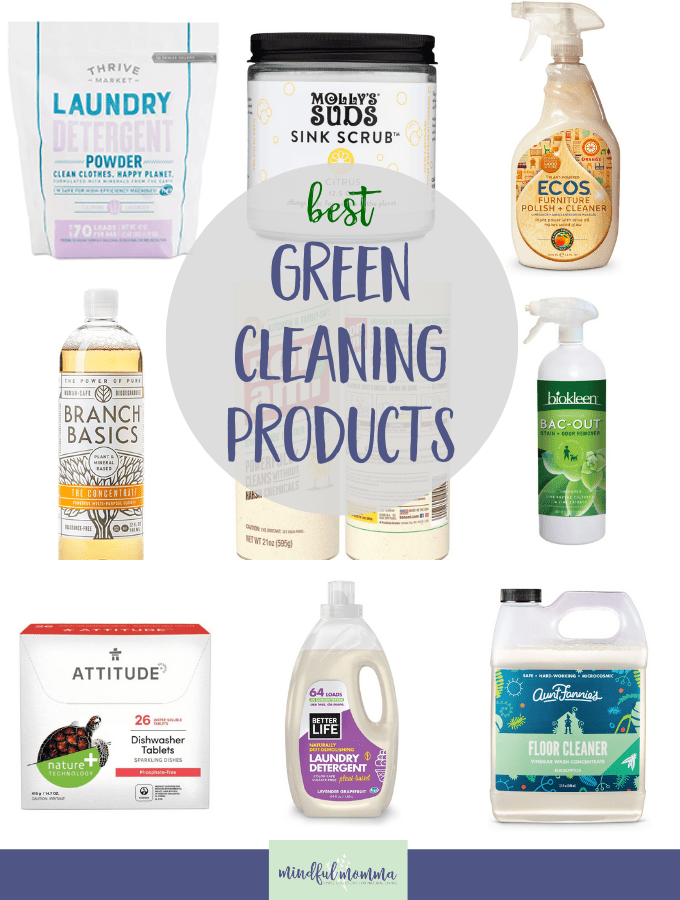
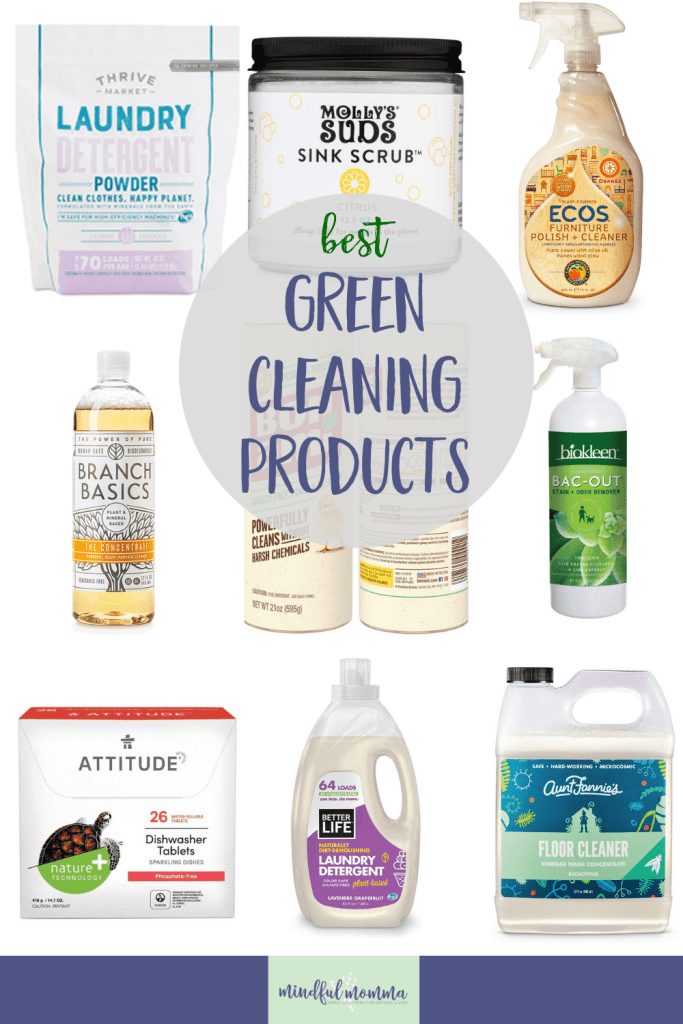
Liquid cleaners are versatile and can be used for various cleaning tasks. They are often suitable for general cleaning, surface disinfection, and stain removal. Choose liquid cleaners that are formulated with natural ingredients and avoid those that contain harmful chemicals or synthetic fragrances.
Powder cleaners
Powder cleaners, such as laundry detergents and scrubs, are effective for tackling tough stains and grime. They are usually formulated with a combination of natural ingredients and minerals. Opt for powder cleaners that have minimal packaging waste and are free from harmful chemicals.
Spray cleaners
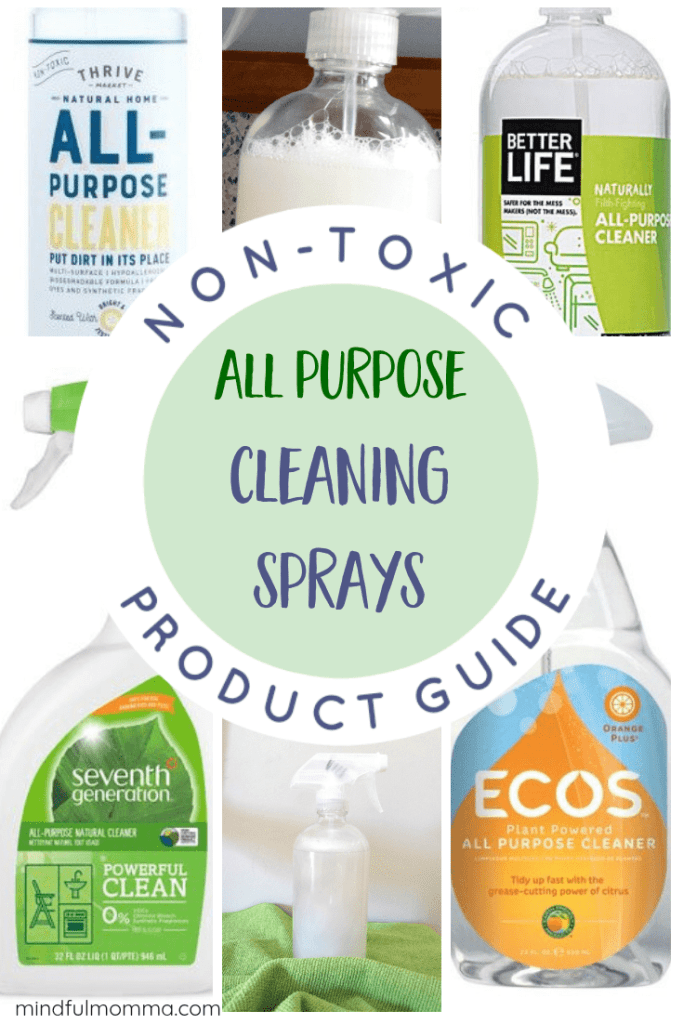
Spray cleaners are convenient for quick and targeted cleaning. They are often used for surfaces like countertops, windows, and appliances. Look for spray cleaners that are non-toxic and contain natural ingredients that effectively remove dirt and grime.
Wipes and cleaning cloths
Wipes and cleaning cloths provide a convenient way to clean surfaces, especially for quick touch-ups. Choose wipes that are made from biodegradable materials and are free from harmful chemicals. Alternatively, opt for reusable cleaning cloths that can be washed and used multiple times to reduce waste.
Specialty cleaners (e.g., stain removers, toilet cleaners)
Specialty cleaners are designed for specific cleaning tasks, such as removing stains or cleaning toilets. When selecting specialty cleaners, consider those that are non-toxic and formulated with natural ingredients. Avoid products that contain harsh chemicals, as they can be harmful to both the environment and your health.
Natural ingredients to look for
Plant-based surfactants
Surfactants are the primary ingredient in many cleaning products as they help break down dirt and grease. Look for cleaning products that use plant-based surfactants, such as coconut or corn-based surfactants. These natural alternatives are just as effective as synthetic surfactants and are better for the environment.
Essential oils
Essential oils not only provide a pleasant scent but also have natural cleaning properties. Look for cleaning products that incorporate essential oils, such as lavender, tea tree, or lemon oil. These oils have antimicrobial properties, making them great additions to non-toxic cleaning products.
Citric acid
Citric acid is an effective natural ingredient for tackling hard water stains, soap scum, and rust. It is often found in bathroom and kitchen cleaning products. Choose cleaning products that contain citric acid instead of harsh chemicals like phosphoric acid or hydrochloric acid.
Baking soda
Baking soda is a versatile natural ingredient that can be used as a mild abrasive, deodorizer, and stain remover. Its abrasive properties make it effective for scrubbing surfaces and removing tough stains. Look for cleaning products that contain baking soda for a gentle yet powerful clean.
Vinegar
Vinegar is a natural disinfectant and degreaser that can be used for various cleaning tasks. It effectively kills bacteria and removes dirt and grime. Look for cleaning products that include vinegar as an ingredient for an all-natural cleaning solution.
Hydrogen peroxide
Hydrogen peroxide is an effective disinfectant and stain remover. It can be used to kill bacteria, viruses, and mold. Look for cleaning products that include hydrogen peroxide for a non-toxic and powerful cleaning option.
Reading product reviews and ratings
Importance of reading reviews
Reading product reviews from other users is a great way to gauge the effectiveness and quality of household cleaning products. Reviews can provide insights into how well a product performs, its scent, packaging, and overall satisfaction. By reading reviews, you can make more informed decisions and choose products that meet your specific needs and preferences.
Evaluating online ratings and feedback
When evaluating online ratings, it is important to consider the overall rating and the number of ratings the product has received. A product with an average rating based on a large number of reviews is generally a good indicator of its performance and customer satisfaction. Look for common themes in the feedback to get a sense of the product’s strengths and weaknesses.
Finding reliable sources for reviews
To find reliable reviews for household cleaning products, it is advisable to seek out trusted sources. Look for reputable websites, consumer advocacy groups, and independent testing organizations that provide unbiased reviews and comparisons of different cleaning products. These sources often conduct rigorous testing and provide valuable insights into the effectiveness and safety of the products they review.
Considering packaging and sustainability
Recyclable or biodegradable packaging
When choosing household cleaning products, consider the packaging in which they are sold. Look for products that come in recyclable or biodegradable packaging to minimize your environmental impact. Avoid products with excessive packaging or those packaged in single-use plastic, as they contribute to plastic waste.
Refillable options
Refillable cleaning product options are a great way to reduce waste. Some brands offer refillable packaging where you can purchase bulk quantities and simply refill your existing containers. This reduces the need for additional packaging and promotes a more sustainable approach to cleaning.
Reducing plastic waste
Choose household cleaning products that have made efforts to reduce plastic waste. Look for brands that use recycled plastic in their packaging or are actively working towards using alternative packaging materials. By supporting these brands, you contribute to the reduction of plastic waste and encourage sustainable practices within the industry.
Sustainable production and sourcing
Consider supporting brands that prioritize sustainable production and sourcing. Look for certifications such as Fair Trade or Rainforest Alliance, which ensure that the ingredients used in the cleaning products are ethically sourced and produced. Brands that prioritize sustainability often have comprehensive sustainability policies and initiatives in place.
Budget-friendly options
DIY cleaning solutions
One budget-friendly option for household cleaning is to make your own DIY cleaning solutions. Many basic cleaning tasks can be accomplished with simple ingredients like vinegar, baking soda, and lemon juice. You can find numerous recipes online for homemade cleaners that are effective and cost-effective.
Multi-purpose cleaners
Using multi-purpose cleaners can help save money and reduce clutter under the sink. Look for non-toxic and organic multi-purpose cleaners that can be used for various cleaning tasks. These cleaners are usually formulated with natural ingredients that are safe for both your health and the environment.
Comparison of prices across brands
To find the most budget-friendly option for your household cleaning needs, compare prices across different brands. While some brands may have higher price tags, it’s important to consider the concentration and cleaning power of the product. A higher-priced product may actually be more cost-effective in the long run if it requires less product to achieve the desired results.
Bulk buying and discounts
Buying cleaning products in bulk or taking advantage of discounts and sales can also help save money. Many brands offer bulk refill sizes or discounts for purchasing larger quantities. By stocking up on cleaning products during sales or taking advantage of bulk discounts, you can reduce costs and ensure you always have the products you need on hand.
Seeking recommendations and testimonials
Asking for referrals
Seeking recommendations from friends, family, and colleagues can be a valuable way to discover effective household cleaning products. They can share their experiences and provide unbiased feedback on the performance and safety of the products they use. Asking for referrals allows you to tap into the experiences of those you trust and make more informed decisions.
Online communities and forums
Online communities and forums dedicated to eco-friendly and non-toxic living can be great resources for finding recommendations and testimonials. These communities often share personal experiences, product reviews, and recommendations. Joining these communities allows you to connect with like-minded individuals and learn from their experiences.
Word of mouth recommendations
Word of mouth recommendations from people within your community or neighborhood can also be valuable. This can include neighbors, local community groups, or even professionals in the cleaning or sustainability industry. Word of mouth recommendations often come from personal experiences and can provide valuable insights into the effectiveness and quality of different household cleaning products.
Tips for proper usage and storage
Follow product instructions carefully
To ensure the effectiveness and safety of household cleaning products, it is important to follow the product instructions carefully. This includes using the recommended amount of product, diluting it correctly if necessary, and following any safety precautions listed. By following the instructions, you can achieve optimal cleaning results and minimize the risk of misuse.
Proper storage to maintain effectiveness
Properly storing household cleaning products is essential for maintaining their effectiveness and safety. Follow any specific storage instructions provided by the manufacturer, such as keeping products away from direct sunlight or extreme temperatures. Additionally, store cleaning products out of reach of children and pets to prevent accidental ingestion or exposure.
Safe handling and precautions
When using household cleaning products, it is important to take necessary safety precautions. This includes wearing gloves and protective eyewear if recommended by the product instructions or if you have sensitive skin. Ensure that the area being cleaned is well-ventilated to minimize exposure to fumes. If you experience any adverse reactions or symptoms while using a cleaning product, discontinue use and seek medical attention if necessary.
Disposal guidelines
When disposing of household cleaning products, it is important to follow proper disposal guidelines to minimize environmental impact. Some cleaning products may require special disposal procedures due to their chemical composition. Check the product label or consult local waste management authorities for guidance on how to properly dispose of cleaning products. Avoid pouring products down drains or toilets, as they can contaminate water sources. Seek out recycling or hazardous waste disposal centers to ensure safe and responsible disposal.