
In “Caring for a Loved One with Dementia: A Comprehensive Guide,” you will find a wealth of information and practical advice to help you navigate the challenges of caring for someone with dementia. This comprehensive guide is designed to offer support and understanding, providing you with essential tools and strategies to make the caregiving journey a little easier. From effective communication techniques to managing challenging behaviors, this guide is your trusted companion as you navigate the complexities of caring for your loved one with dementia.
Understanding Dementia
What is dementia?
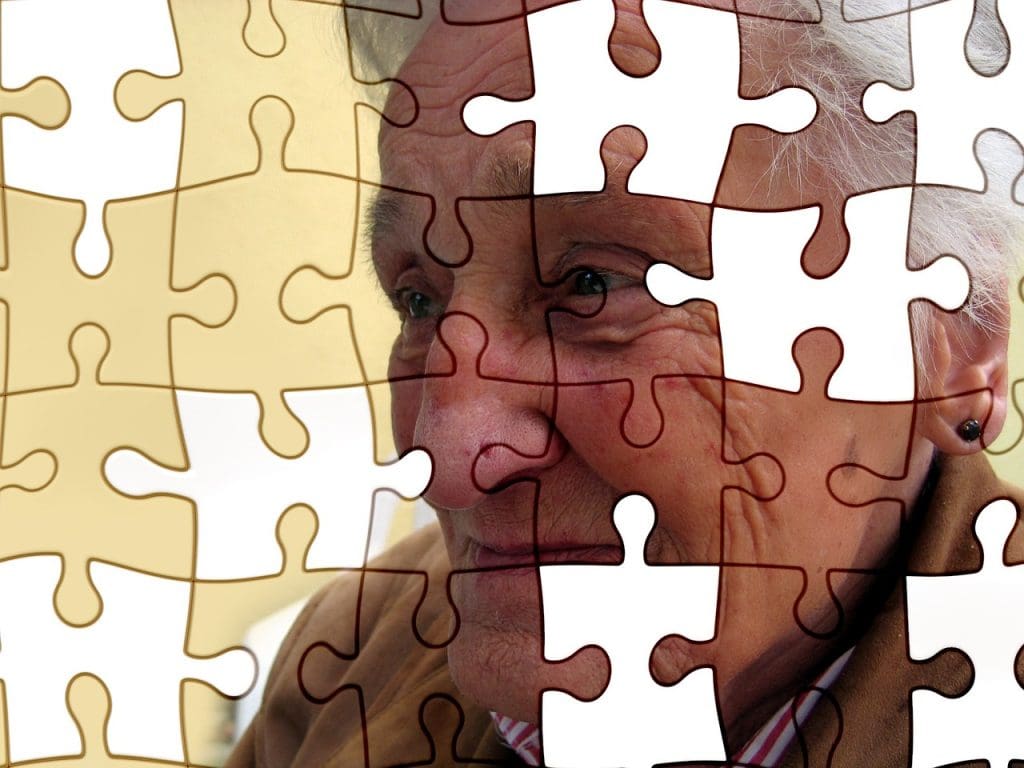
Dementia is a complex and progressive condition that affects a person’s cognitive abilities, memory, and communication skills. It is not a specific disease but rather a general term for a range of conditions characterized by a decline in cognitive functioning. The most common form of dementia is Alzheimer’s disease, but there are also other types such as vascular dementia, Lewy body dementia, and frontotemporal dementia. Dementia is often associated with aging, but it is not a normal part of the aging process.
Types of dementia
There are several types of dementia, each with its own unique characteristics and symptoms. Alzheimer’s disease is the most common form of dementia, accounting for about 60-80% of cases. It is characterized by memory loss, confusion, and difficulty with reasoning and problem-solving. Vascular dementia is caused by reduced blood flow to the brain and is often the result of a stroke or other vascular problems. Lewy body dementia is characterized by fluctuations in alertness, visual hallucinations, and Parkinson’s-like symptoms. Frontotemporal dementia primarily affects the areas of the brain responsible for behavior and language, leading to changes in personality and language difficulties.
Causes and risk factors
The exact causes of dementia are still not fully understood, but there are certain risk factors that have been identified. Age is the most significant risk factor, with the risk of developing dementia doubling every five years after the age of 65. However, dementia can also affect younger individuals. Other risk factors include genetics, family history of dementia, cardiovascular diseases, high blood pressure, diabetes, smoking, and high cholesterol. It is important to note that not all individuals with these risk factors will develop dementia, and some people without any apparent risk factors may still develop the condition.
Recognizing early signs and symptoms
Recognizing the early signs and symptoms of dementia is crucial for early diagnosis and intervention. Common early symptoms include forgetfulness, difficulty finding words, confusion, impaired judgment, personality changes, and withdrawal from social activities. Often, these symptoms disrupt daily life and may go beyond what is considered typical age-related changes. If you notice any of these signs in yourself or a loved one, it is important to consult a healthcare professional for a thorough evaluation.
Creating a Support System
Understanding the role of primary caregiver
As a primary caregiver, you play a vital role in providing care and support for your loved one with dementia. It is important to understand the challenges that come with this role and the impact it can have on your own well-being. Being a caregiver requires patience, empathy, and flexibility. You may need to assist with daily activities, manage medications, provide emotional support, and make important decisions on behalf of your loved one. It is essential to prioritize your own physical and emotional health to ensure that you can continue to provide the best possible care.
Identifying and involving other family members
Caring for someone with dementia should not be a one-person job. Involving other family members and loved ones can help distribute the caregiving responsibilities and provide emotional support. Have open and honest conversations with family members to determine who can contribute in different ways, whether it be through providing respite care, assisting with financial matters, or simply being there to lend a listening ear. Remember that it is okay to ask for help and delegate tasks to others when needed.
Seeking professional help and support
Caring for a person with dementia can be overwhelming, and it is important to seek professional help and support. Consult with healthcare professionals specializing in dementia care, such as geriatricians or neurologists, who can provide guidance and advice tailored to your loved one’s specific needs. They can help with medication management, behavior management strategies, and other medical concerns. Additionally, consider enlisting the help of home health aides or respite care services to provide temporary relief and ensure the well-being of both you and your loved one.
Joining caregiver support groups
Connecting with others who are going through similar experiences can provide much-needed emotional support and practical advice. Joining caregiver support groups or online communities can help you share your feelings, gain insights from others facing similar challenges, and learn about helpful resources and coping strategies. These groups can also serve as a platform to exchange caregiving tips and find comfort in knowing that you are not alone on this journey. Local community centers, dementia organizations, and online platforms offer a variety of support group options for caregivers.
Establishing a Safe and Enabling Environment
Adapting the home for safety
Creating a safe environment is crucial for ensuring the well-being and independence of your loved one with dementia. Make modifications to the home to reduce the risk of accidents and falls. Install handrails, grab bars, and non-slip flooring in bathrooms and high-risk areas. Remove or secure loose rugs and furniture, and ensure that walkways are clear and well-lit. Consider placing locks on cabinets containing potentially harmful substances and invest in safety gates to restrict access to hazardous areas.
Reducing clutter and hazards
Dementia can impair a person’s ability to navigate and process information properly, so it is vital to minimize clutter and hazards in the home. Keep pathways clear and organize belongings in a consistent and logical manner. Label drawers and cabinets to help your loved one locate items independently. Remove unnecessary furniture and excessive decorations that may confuse or overwhelm them. By creating an uncluttered and organized space, you can enhance your loved one’s safety and reduce their feelings of frustration and confusion.
Ensuring proper lighting and visibility
Good lighting is essential for individuals with dementia, as it can improve visibility and reduce the risk of falls and accidents. Ensure that all areas of the home are adequately lit, especially staircases, hallways, and entryways. Use natural light whenever possible and supplement it with well-placed lamps or overhead lighting. Consider installing motion sensor lights in high-traffic areas to improve visibility, particularly during nighttime. Regularly check for burnt-out bulbs and replace them promptly.
Installing security measures
Dementia can sometimes lead to wandering or getting lost, so it is important to have security measures in place to protect your loved one. Install alarms or door sensors that will sound an alert if a door or window is opened. Consider using GPS tracking devices or wearable technology to help locate your loved one in case they wander. It may also be beneficial to register your loved one with a local law enforcement agency or a dementia-specific support service, so they can be quickly identified and assisted if they go missing.
Promoting Communication and Connection
Developing effective communication strategies
Communication can become a challenge as dementia progresses, but there are strategies you can use to facilitate understanding and connection. Use simple and direct language, speaking slowly and clearly. Maintain eye contact, and use non-verbal cues such as gestures and facial expressions to enhance comprehension. Break down tasks or instructions into smaller, manageable steps. Be patient and give your loved one ample time to process information and respond. Remember to actively listen and validate their feelings, even if their words may appear confusing.
Using non-verbal cues and body language
Non-verbal communication can often be more effective than verbal communication for individuals with dementia. Use gentle touches, hugs, and smiles to convey affection and reassurance. Maintain a calm and relaxed body posture to create a soothing environment. Avoid confrontational body language or sudden movements that may cause anxiety or agitation. Pay attention to your loved one’s non-verbal cues as well, as they may be trying to communicate their needs through facial expressions, gestures, or changes in behavior.
Utilizing technology for remote connections
In today’s digital age, technology can be a powerful tool for maintaining connections with loved ones despite physical distance. Explore the use of video calls, social media, and messaging platforms to stay in touch. These technologies can provide an opportunity for your loved one to see familiar faces and engage with others, promoting social interaction and reducing feelings of isolation. Set up regular virtual visits or include your loved one in family gatherings through video calls. However, ensure that the technology is accessible and user-friendly for your loved one’s cognitive abilities.
Engaging in meaningful activities
Engaging in meaningful activities can enhance your loved one’s well-being and provide a sense of purpose and accomplishment. Choose activities that align with their interests, abilities, and past hobbies. These activities can include puzzles, crafts, gardening, listening to music, or reminiscing through photo albums. Adapt the activities to match their cognitive abilities and provide guidance and support as needed. Remember that the focus is on enjoyment and maintaining connections, rather than the end result.
Managing Daily Activities and Routines
Creating a structured daily routine
Establishing a structured daily routine can help reduce confusion and provide a sense of stability for your loved one with dementia. Create a daily schedule with consistent times for meals, personal care, social interactions, and physical activity. Be flexible and adaptable, but try to maintain a predictable routine as much as possible. Use visual aids such as calendars or whiteboards to provide reminders and cues for daily activities. Keeping a structured routine can help your loved one feel more secure and enable them to better navigate their day.
Assisting with personal care and hygiene
Assisting with personal care and hygiene can be challenging for both the caregiver and the person with dementia. It is important to approach these tasks with empathy, respect, and dignity. Break down the tasks into smaller steps and provide clear instructions. Offer choices whenever possible to promote a sense of autonomy. Use gentle touch and verbal reassurance to provide comfort and encourage cooperation. Consider using adaptive equipment, such as grab bars or shower chairs, to enhance safety and independence. Remember to take breaks if you or your loved one become overwhelmed.
Providing appropriate nutrition
Proper nutrition is essential for optimizing physical and cognitive health in individuals with dementia. Offer a varied and balanced diet that includes fruits, vegetables, whole grains, lean proteins, and healthy fats. Encourage regular mealtimes and create a calm and pleasant dining environment. Adapt the food presentation to make it more appealing and easier to eat, such as cutting food into bite-sized pieces or using brightly colored plates. Monitor food intake and seek guidance from a healthcare professional or dietitian if there are concerns about weight loss or difficulties with eating.
Encouraging regular physical activity
Regular physical activity has numerous benefits for individuals with dementia, including improved mood, sleep, and overall well-being. Encourage your loved one to engage in age-appropriate and enjoyable activities such as walking, gardening, dancing, or chair exercises. Participating in physical activities together can also provide opportunities for bonding and connection. Ensure that the activities are safe and supervised, and modify them as necessary to accommodate any physical limitations. Consult with a healthcare professional to determine the appropriate level and type of exercise for your loved one.
Dealing with Challenging Behaviors
Understanding the underlying causes of behavior changes
Behavioral changes are common in individuals with dementia, and it is important to understand that these behaviors are often the result of the disease and not intentional. Changes in behavior can be triggered by various factors such as physical discomfort, environmental stressors, unmet needs, or medication side effects. By identifying the underlying causes, you can better manage and respond to challenging behaviors with empathy and patience.
Implementing strategies for agitation and anxiety
Agitation and anxiety can be distressing for both the individual with dementia and their caregiver. It is crucial to create a calm and soothing environment to help reduce these behaviors. Minimize noise, stimulation, and disruptions. Provide reassurance through verbal and physical comfort. Engage in calming activities such as listening to soothing music or practicing deep breathing exercises. Distraction techniques, such as redirecting attention to a preferred activity or object, can also help alleviate agitation and anxiety.
Coping with aggression and wandering
Aggressive behaviors, such as verbal or physical outbursts, may occur in individuals with dementia, often as a result of frustration, confusion, or feeling overwhelmed. It is important to prioritize safety and remain calm during these situations. Avoid escalating the situation by using gentle and reassuring communication. If a person with dementia exhibits signs of aggression or becomes physically aggressive, create distance and seek help if necessary. Wandering is another common behavior in dementia. Secure the home to reduce the risk of wandering and consider using identification devices or GPS trackers to help locate your loved one if they do wander.
Addressing sleep disturbances
Sleep disturbances are common in individuals with dementia and can impact their overall well-being and the well-being of their caregivers. Establish a relaxing bedtime routine and create a sleep-friendly environment by keeping the bedroom quiet, dark, and at a comfortable temperature. Encourage regular physical activity during the day to promote better sleep at night. Limit daytime napping to avoid excessive sleepiness at bedtime. If sleep disturbances persist or worsen, consult with a healthcare professional who can help identify underlying causes and recommend appropriate interventions.
Maintaining Cognitive Function and Mental Stimulation
Engaging in memory-enhancing activities
Engaging in memory-enhancing activities can help maintain cognitive function and stimulate the brain. Activities such as puzzles, word games, and memory exercises can improve memory, attention, and problem-solving skills. Encourage your loved one to participate in activities that require mental effort and provide opportunities for learning and creativity. Adapt the activities to match their current abilities and interests. Remember that it is important to focus on enjoyment and participation rather than perfection or completion.
Promoting brain health through exercise and nutrition
Physical exercise and a healthy diet play a crucial role in promoting brain health. Encourage your loved one to engage in regular physical activity as it can enhance blood flow to the brain and improve cognitive function. Offer a diet rich in antioxidants, omega-3 fatty acids, and vitamins and minerals that support brain health. Consult with a healthcare professional or dietitian for personalized recommendations. It is also important to monitor weight and cholesterol levels to manage cardiovascular health, which can impact brain function.
Participating in cognitive rehabilitation programs
Cognitive rehabilitation programs can be beneficial for individuals with dementia by providing structured cognitive exercises and strategies to improve memory, attention, and problem-solving skills. These programs are offered by healthcare professionals specializing in cognitive rehabilitation and may include individual or group sessions. Engaging in these programs can help slow down cognitive decline and improve overall cognitive functioning. Consult with a healthcare professional to determine if cognitive rehabilitation programs are suitable for your loved one.
Exploring alternative therapies
In addition to traditional approaches, alternative therapies may offer additional support for individuals with dementia. Music therapy, art therapy, and reminiscence therapy have shown promise in improving mood, reducing agitation, and promoting socialization. Pet therapy, where individuals interact with animals, has also been found to reduce anxiety and depression in some cases. It is important to consult with healthcare professionals or specialists experienced in these alternative therapies to determine their suitability and ensure that they are safe and appropriate for your loved one.
Managing Medications and Medical Care
Working with healthcare professionals
Managing medications and medical care is an important aspect of caring for a loved one with dementia. Establish a good relationship with healthcare professionals, including primary care physicians, specialists, and pharmacists. Regularly communicate with them about your loved one’s needs, symptoms, and any changes in their condition. Keep a record of medications, dosages, and any side effects or concerns. Seek their guidance on medication management, potential interactions, and strategies for addressing specific symptoms.
Organizing and administering medications
Organizing and administering medications can be challenging, but proper medication management is crucial for the well-being of your loved one. Establish an organized system for medication storage and administration. Use pill organizers or medication reminder apps to help keep track of dosages and timings. Ensure that medications are stored safely and securely to prevent accidental ingestion or misuse. If necessary, seek help from healthcare professionals or pharmacists for specialized medication packaging or administration techniques.
Monitoring and managing common health issues
Individuals with dementia may be prone to certain health issues such as infections, falls, and cardiovascular problems. Regularly monitor your loved one’s health by scheduling routine check-ups and screenings. Be vigilant for any signs or symptoms of illness, pain, or discomfort. Follow recommended preventive measures such as vaccinations and ensure a clean and hygienic environment to minimize the risk of infections. Promptly address any health concerns and consult healthcare professionals for appropriate treatment and management strategies.
Planning for emergency situations
Preparing for emergencies is crucial to ensure the safety and well-being of your loved one with dementia. Create an emergency plan that includes contact information for healthcare professionals, emergency services, and family members. Keep important documents, medical records, and a list of medications in a readily accessible location. Consider participating in local programs such as MedicAlert® or Safe Return® that provide identification and support services for individuals with dementia who may wander or become lost. Regularly review and update the emergency plan as needed.
Self-Care for Caregivers
Recognizing the importance of self-care
As a caregiver, it is essential to prioritize your own physical and emotional well-being. Recognize the importance of self-care and the benefits it can bring to both you and your loved one. Taking care of yourself allows you to better handle the challenges of caregiving and maintain a positive and healthy mindset. Remember that you deserve time, rest, and relaxation, and that it is not selfish to prioritize your own needs.
Seeking respite and support from others
Caring for a loved one with dementia can be emotionally and physically exhausting. Seek respite care and support from others to ensure that you have time for yourself. Arrange for someone else to take over caregiving responsibilities periodically, whether it be a family member, friend, or respite care service. This break will allow you to recharge, pursue personal interests, or simply have time for relaxation. Reach out to support networks, such as caregiver support groups, to connect with other caregivers who can provide empathy, advice, and encouragement.
Managing stress and emotions
Caring for a loved one with dementia can evoke a range of emotions, including sadness, frustration, guilt, and anger. It is important to acknowledge and process these emotions in a healthy way. Find healthy outlets such as journaling, talking to a trusted friend or therapist, or engaging in stress-relieving activities like exercise or meditation. Recognize your limitations and set realistic expectations for yourself. Practice self-compassion and remind yourself that you are doing the best you can in a challenging situation.
Maintaining social connections and hobbies
Maintaining social connections and engaging in hobbies can help prevent isolation and maintain a sense of identity beyond the role of a caregiver. Seek out opportunities to connect with friends, whether it be through in-person visits, phone calls, or virtual get-togethers. Carve out time for activities that bring you joy and fulfillment, whether it be pursuing a hobby, reading a book, or taking a nature walk. Nurturing your own interests and relationships outside of caregiving can help create a sense of balance and fulfillment in your life.
Preparing for the Future
Understanding legal and financial considerations
As dementia progresses, it becomes important to plan for the future regarding legal and financial matters. Consult with an attorney familiar with elder law to establish or update legal documents such as a durable power of attorney, health care proxy, and living will. These documents will ensure that your loved one’s wishes and affairs are properly handled even if they are no longer able to make decisions. Explore long-term care insurance and options for funding care to ease financial burdens. Be proactive in seeking guidance to ensure that you are prepared for any future challenges.
Exploring long-term care options
As the caregiving demands increase, it may become necessary to explore long-term care options. There are various options to consider, including home care, assisted living facilities, memory care units, or nursing homes. Research and visit different facilities to ensure that the environment and level of care meet your loved one’s needs. Consult with healthcare professionals and social workers who specialize in dementia care to help guide your decision-making process. It is important to involve your loved one in discussions and consider their preferences and comfort.
Creating an advance care plan
Creating an advance care plan is an important step to ensure that your loved one’s wishes are respected in the event that they are no longer able to communicate or make decisions. An advance care plan includes decisions regarding medical treatment, end-of-life wishes, and organ donation. Discuss these matters with your loved one and involve healthcare professionals or a hospice team if necessary. Document the plan in writing and share copies with relevant individuals, such as healthcare agents and family members, to ensure that everyone is aware of the individual’s preferences.
Seeking guidance and resources
Caring for a loved one with dementia can be overwhelming, and seeking guidance and resources is essential. Reach out to dementia-specific organizations, such as the Alzheimer’s Association or local dementia support groups, for information, support, and educational resources. They can provide guidance on navigating the challenges of caregiving, connect you with local resources, and offer tools and strategies for dementia care. Consult with healthcare professionals who specialize in dementia to obtain expert advice tailored to your loved one’s specific needs. Remember that you are not alone on this journey, and there are resources available to support you every step of the way.
In conclusion, caring for a loved one with dementia is a challenging but crucial role. By understanding the various aspects of dementia and implementing strategies to create a supportive and enabling environment, caregivers can significantly improve the quality of life for their loved ones. Prioritizing self-care, seeking support, and planning for the future are essential for maintaining the caregiver’s well-being throughout this journey. Remember that you are not alone, and there are numerous resources and professionals available to provide guidance, understanding, and support as you navigate the complexities of dementia care.