
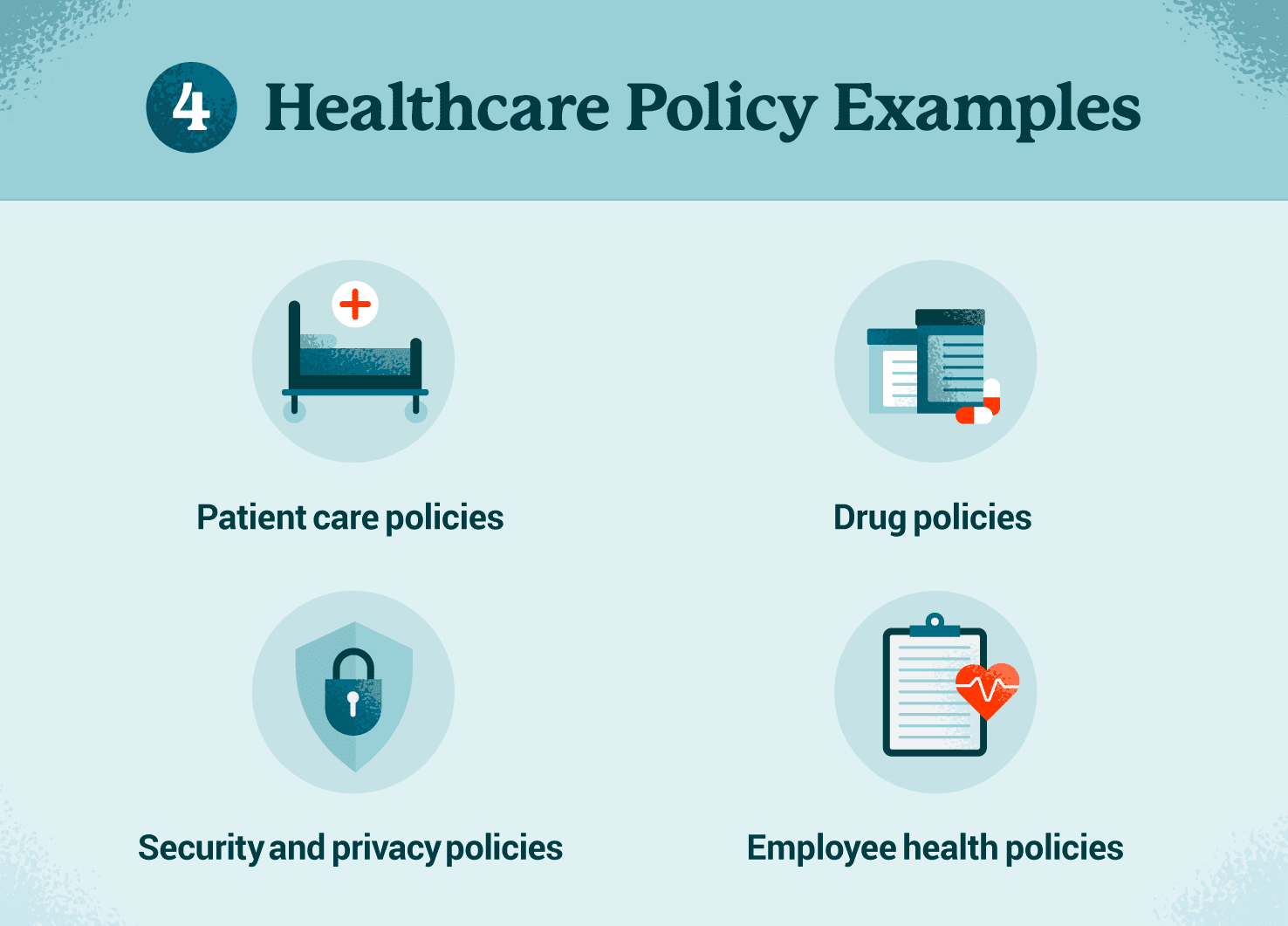
In the ever-evolving landscape of healthcare, advocating for effective policies has become a critical concern. However, navigating the complex realm of healthcare policy advocacy is no easy task. From engaging with stakeholders to understanding the intricacies of policy development, there are numerous challenges that need to be addressed. This article explores some of the key obstacles that arise in the realm of healthcare policy advocacy and provides insights on how to overcome them. So, grab a cup of coffee, settle in, and let’s embark on a journey to unravel the challenges faced in healthcare policy advocacy!
Lack of Public Awareness
Insufficient understanding of healthcare policy issues: One of the major challenges in healthcare policy advocacy is the lack of public awareness and understanding of healthcare policy issues. Many people are unaware of the complexities and intricacies of the healthcare system, making it difficult for them to fully grasp the importance of healthcare policy advocacy. Without a clear understanding of the issues at hand, it becomes challenging to mobilize and engage the public in advocating for healthcare policies that can improve access, affordability, and quality of care.
Limited knowledge about the importance of healthcare policy advocacy: Additionally, there is a limited knowledge about the significance of healthcare policy advocacy among the general population. People often underestimate the impact that policies can have on their own healthcare experiences and fail to recognize the potential benefits of active engagement in advocating for change. This lack of awareness further hinders the progress of healthcare policy advocacy efforts, as there is less public demand for policy reforms and insufficient pressure on policymakers to prioritize healthcare policy issues.
Political Complexity
Influence of political agendas on healthcare policy: The influence of political agendas on healthcare policy is another significant hurdle in healthcare policy advocacy. Policies often become a battleground for political ideologies, with decision-making influenced by partisan interests rather than evidence-based strategies. This politicization of healthcare policy impedes progress and makes it challenging for advocates to steer discussions towards pragmatic and effective solutions.
Multiple stakeholders with conflicting interests: Healthcare policy advocacy is also complicated by the presence of multiple stakeholders with conflicting interests. From pharmaceutical companies to insurance providers and healthcare industry associations, each group has its own set of priorities and agendas. Balancing these interests and finding common ground can be an arduous task, as advocacy organizations navigate the landscape of competing stakeholders and strive to ensure that policies meet the needs of diverse populations.
Changing administrations and policy priorities: The constantly changing administrations and policy priorities further add to the complexity of healthcare policy advocacy. With every new administration, there is a potential shift in policy direction, making long-term planning and advocacy efforts difficult. This volatility introduces uncertainty and requires advocates to adapt quickly, as policies that were previously supported may face opposition or neglect under a new administration.
Limited Resources
Financial constraints for advocacy organizations: Advocacy organizations often face financial constraints that limit their ability to effectively advocate for healthcare policy changes. Funding for advocacy work can be scarce, with limited resources available to support research, public engagement campaigns, and lobbying efforts. This lack of financial support hampers the capacity of advocacy organizations to amplify their voices and exert meaningful influence on policy decisions.
Limited funding for research and data analysis: Similarly, limited funding for research and data analysis presents a challenge in healthcare policy advocacy. Robust research and data analysis play a crucial role in informing evidence-based policies and advocating for their implementation. However, without sufficient funding, advocacy organizations struggle to conduct comprehensive research studies and gather data to support their policy recommendations.
Lack of human resources and expertise: Advocacy organizations also frequently encounter challenges related to limited human resources and expertise. Building a knowledgeable and skilled team is essential for effective policy advocacy, but it can be challenging to attract and retain experts in the field. The lack of human resources and expertise hinders the ability of advocacy organizations to thoroughly analyze policies, develop informed strategies, and effectively communicate their messages to policymakers and the public.
Resistance from Powerful Interest Groups
Pharmaceutical companies: Powerful interest groups, such as pharmaceutical companies, often pose resistance to healthcare policy changes. These companies have a significant financial stake in the healthcare industry and may oppose policies that could impact their profits. Pharmaceutical companies wield substantial influence through lobbying efforts, campaign contributions, and other forms of advocacy, making it difficult for grassroots efforts to compete against their considerable resources.
Insurance providers: Insurance providers also play a role in shaping healthcare policy and can resist changes that might affect their bottom line. These companies have a vested interest in maintaining their profitability and may push back against policies that aim to increase affordability or expand access to healthcare. The influence of insurance providers can create significant obstacles for healthcare policy advocates, as their opposition can slow down or derail policy reform efforts.
Healthcare industry associations: Similarly, healthcare industry associations, which represent various healthcare stakeholders, can present challenges for healthcare policy advocacy. These associations may prioritize their members’ interests over broader policy goals, potentially hindering the development of policies that are in the best interest of the public. Advocacy organizations must navigate these complex dynamics and find ways to collaborate with industry associations while ensuring that policies are patient-centered and address the needs of all stakeholders.
Complexity of Healthcare Systems
Interconnectedness of various healthcare components: Healthcare systems are highly complex and interconnected, adding to the challenges of healthcare policy advocacy. Changes in one aspect of the system can have ripple effects throughout the entire healthcare ecosystem. Advocates must consider the interactions between different components, such as insurance coverage, healthcare providers, pharmaceuticals, and technological advancements, in order to develop comprehensive and effective policy recommendations.
Diverse policies across different regions or countries: Policy advocacy efforts are further complicated by the diverse nature of healthcare policies across different regions or countries. What works in one locality may not be applicable or effective in another, requiring advocates to consider the unique circumstances and cultural nuances of each area. This necessitates a deep understanding of the local healthcare landscape and poses challenges in advocating for consistent and equitable policies across different jurisdictions.
Difficulty in understanding and navigating complex regulations: The complexity of healthcare regulations presents a significant challenge for advocates striving to influence policy change. Navigating through the intricacies of existing regulations, identifying gaps, and proposing modifications requires expertise and familiarity with legal frameworks. The extensive bureaucracy involved in enacting policy changes adds an additional layer of complexity, making it difficult for advocates to navigate the system and bring about desired reforms.
Inadequate Data and Research
Insufficient data on healthcare outcomes: Inadequate data on healthcare outcomes is a critical challenge in healthcare policy advocacy. Without comprehensive data, advocates struggle to assess the effectiveness of existing policies, identify areas for improvement, and propose evidence-based solutions. Gaps in data collection and reporting hinder the ability to make informed decisions and advocate for evidence-based policies that can drive better health outcomes.
Limited research on the effectiveness of policies: Similarly, limited research on the effectiveness of policies poses a significant obstacle to healthcare policy advocacy. Robust research studies are essential for understanding the impact of policies on population health, cost, and access to care. However, funding constraints and other factors often restrict the availability of comprehensive studies, leaving advocates with limited evidence to support specific policy recommendations.
Challenges in accessing and analyzing health data: Accessing and analyzing health data can also be a challenge for advocacy organizations. Data related to healthcare is often fragmented across various sources, making it difficult to obtain a comprehensive and accurate picture of the healthcare landscape. Furthermore, data privacy and legal restrictions can impede the collection and analysis of health data, limiting the ability of advocates to leverage data-driven arguments in their policy advocacy efforts.
Political Ideologies and Partisan Politics
Differences in ideological beliefs affecting policy decisions: Differences in ideological beliefs among policymakers can significantly impact healthcare policy decisions. Policy choices are often influenced by political ideologies, leading to divergent approaches to healthcare reform. Disagreements over the role of government, the balance between individual responsibility and collective provision of healthcare, and the financing of healthcare services can create significant barriers to bipartisan support for policy initiatives.
Political polarization hindering bipartisan support for healthcare policy initiatives: The current political climate, characterized by increasing polarization, also poses challenges for healthcare policy advocacy. Partisan politics often prioritize party loyalty over policy goals, making it difficult to build bipartisan coalitions in support of healthcare policy initiatives. The polarization of public opinion on key healthcare issues further exacerbates this challenge, as stakeholders face opposition not only from political adversaries but also from their own constituents who hold differing viewpoints.
Inequality and Disadvantaged Populations
Inequitable access to healthcare for marginalized communities: Inequality in healthcare access remains a pressing challenge for policy advocacy. Marginalized communities, including low-income individuals, racial and ethnic minorities, and rural populations, often face barriers to accessing affordable and quality healthcare. Advocating for policies that address these disparities requires a deep understanding of the unique challenges faced by disadvantaged populations and a commitment to promoting equitable access to care.
Difficulty in advocating for policy changes addressing health disparities: Policy changes aimed at addressing health disparities can face opposition, making it challenging for advocates to effect meaningful change. Some may argue against policies that target specific populations, claiming they undermine the principle of universal access to healthcare. Advocacy organizations must navigate these complexities and build persuasive arguments that demonstrate the urgency and importance of addressing health disparities without compromising the broader goals of healthcare policy.
Challenges in representing the diverse needs of disadvantaged populations: Advocacy organizations also face the challenge of effectively representing the diverse needs of disadvantaged populations. Marginalized communities often face intersecting social determinants of health that compound their health disparities. Advocates must actively engage with these communities, understand their unique circumstances, and work collaboratively to develop policy proposals that address their specific needs. This necessitates inclusive and participatory approaches to healthcare policy advocacy.
Resistance to Change
Resistance from healthcare providers to adopt new policies: Resistance from healthcare providers to adopt new policies can be a significant obstacle in healthcare policy advocacy. Providers may be hesitant to change established practices, especially if the proposed policies require significant infrastructural or procedural modifications. Advocates must engage with healthcare professionals, address their concerns, and demonstrate the potential benefits of policy changes to overcome this resistance and foster a culture of innovation and continuous improvement in the healthcare system.
Reluctance to alter the status quo from policymakers: Policymakers may also exhibit reluctance to alter the status quo, fearing potential political backlash or uncertain outcomes. This resistance to change can stymie progress in healthcare policy advocacy, as policymakers may be hesitant to take bold action or support comprehensive reforms. Advocacy organizations must effectively communicate the need for change, provide evidence-based justifications, and foster dialogue that encourages policymakers to prioritize the long-term benefits over short-term political considerations.
Complex Decision-Making Processes
Bureaucratic hurdles in enacting policy changes: The bureaucratic hurdles involved in enacting policy changes present a significant challenge for healthcare policy advocacy. Policy decisions often require navigating complex legislative processes, engaging with multiple agencies, and securing stakeholder buy-in. The bureaucracy involved in policy-making can be time-consuming and convoluted, making it difficult for advocacy organizations to drive swift and effective policy changes.
Time-consuming legislative processes: Time-consuming legislative processes further contribute to the complexity of healthcare policy advocacy. The passage of bills and regulations often involves multiple stages, including committee hearings, debates, amendments, and votes. The elongated timeline for policy changes can be frustrating for advocates who are eager to bring about immediate improvements in the healthcare system. Patience, persistence, and effective engagement with policymakers are crucial in navigating these processes.
Challenges in consensus-building among policymakers: Consensus-building among policymakers can be challenging when it comes to healthcare policy advocacy. Different stakeholders may have divergent interests and priorities, making it difficult to find common ground and achieve consensus on policy proposals. Advocacy organizations must employ effective negotiation and coalition-building strategies to bridge these gaps, foster collaboration among policymakers, and develop policies that balance the diverse needs of stakeholders while prioritizing the overall improvement of the healthcare system.
In conclusion, healthcare policy advocacy faces numerous challenges that necessitate strategic and persistent efforts from advocacy organizations. From limited public awareness and understanding to political complexities and resistance from powerful interest groups, healthcare policy advocacy requires thoughtful navigation through these barriers. The complexity of healthcare systems, inadequate data and research, partisan politics, inequities in access, resistance to change, and complex decision-making processes further compound these challenges. Overcoming these hurdles requires collaborative efforts, evidence-based advocacy, and active engagement with policymakers, stakeholders, and the public. By addressing these challenges head-on and implementing concerted strategies, healthcare policy advocates can strive towards achieving meaningful and equitable improvements in healthcare systems worldwide.