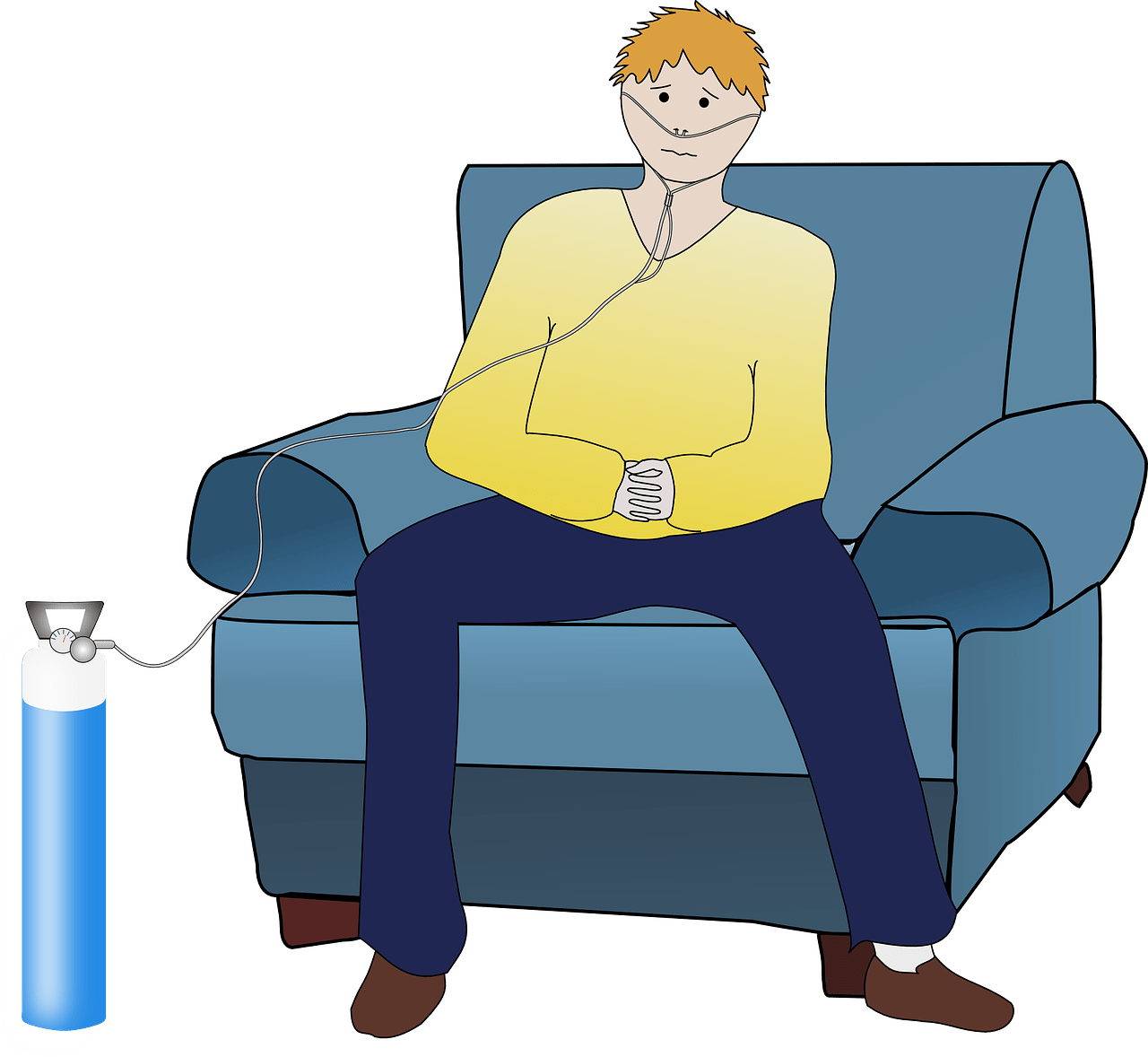
Welcome to an insightful article that will shed light on some common misconceptions about managing chronic diseases. Many people believe that managing a chronic illness is just about taking medication and following doctors’ orders. However, there is much more to it than that. From lifestyle changes to psychological factors, this article will explore the various aspects of managing chronic diseases that are often misunderstood. Stay tuned to learn how you can better navigate the complexities of managing a chronic condition and live a healthier, more fulfilling life. Have you ever felt overwhelmed by the thought of managing a chronic disease? You’re not alone. There are many misconceptions out there about what it means to manage a chronic illness, and it can feel like an uphill battle to separate fact from fiction. In this article, we’ll debunk some of the most common misconceptions about managing chronic diseases. So, sit back, relax, and let’s get started on setting the record straight.
Understanding Chronic Diseases
Chronic diseases are long-lasting conditions that can be managed but not cured. They require ongoing care, lifestyle modifications, and often medications to keep symptoms under control. Common chronic diseases include diabetes, hypertension, asthma, and arthritis. It’s important to understand that managing a chronic disease is a marathon, not a sprint. It takes time, effort, and consistency to keep symptoms in check.
Myth: If You Have a Chronic Disease, You’re Doomed to Poor Health
Contrary to popular belief, having a chronic disease does not mean that you’re doomed to poor health. While chronic diseases require ongoing management, with the right care and lifestyle modifications, you can live a fulfilling and healthy life. It’s important to work closely with your healthcare team to develop a personalized treatment plan that works for you. This may include medication, diet changes, exercise, and regular check-ups.
Myth: Chronic Diseases Only Affect Older Adults
Another common misconception is that chronic diseases only affect older adults. While age is a risk factor for many chronic illnesses, they can affect individuals of all ages. Conditions like asthma, Type 1 diabetes, and autoimmune diseases can develop in childhood or early adulthood. It’s important to be mindful of your health and seek medical attention if you experience any concerning symptoms, regardless of your age.
Medication Management
Medications are often a crucial part of managing chronic diseases. They can help control symptoms, prevent complications, and improve your quality of life. However, there are several misconceptions about medication management that can lead to confusion and potential dangers.
Myth: You Should Stop Taking Your Medications When You Feel Better
One common misconception is that you should stop taking your medications when you feel better. This can be dangerous, as many chronic diseases require ongoing medication to keep symptoms under control. Always follow your healthcare provider’s instructions regarding your medications, even if you feel like you’re doing well. Stopping your medications abruptly can lead to a relapse of symptoms and potential health complications.
Myth: Natural Remedies Are Always Safer Than Prescription Medications
While natural remedies can have their place in managing chronic diseases, it’s important to approach them with caution. Not all natural remedies are safe or effective, and some may interact with medications or exacerbate symptoms. Always consult with your healthcare provider before trying any new treatments or supplements, even if they are labeled as “natural.” Your healthcare provider can help you navigate the complex world of natural remedies and ensure that they are safe for you.
Lifestyle Modifications
Lifestyle modifications play a significant role in managing chronic diseases. They can help control symptoms, improve overall health, and reduce complications. However, there are several misconceptions about lifestyle modifications that can hinder your progress.
Myth: You Have to Make Drastic Changes to Your Lifestyle
One common misconception about lifestyle modifications is that you have to make drastic changes to see results. While significant changes may be necessary for some individuals, small, sustainable changes can also have a big impact. Focus on making one small change at a time, such as adding more fruits and vegetables to your diet or taking a short walk each day. Over time, these small changes can add up to significant improvements in your health.
Myth: It’s Too Late to Make Changes to Your Lifestyle
Another misconception is that it’s too late to make changes to your lifestyle if you’ve been living with a chronic disease for a long time. This is simply not true. It’s never too late to improve your health and well-being through lifestyle modifications. Whether you’ve recently been diagnosed with a chronic disease or have been managing it for years, there are always steps you can take to enhance your quality of life. Start where you are and take small, manageable steps towards better health.
Mental Health and Support
Managing a chronic disease can take a toll on your mental health. It’s essential to prioritize your emotional well-being and seek support when needed. There are several misconceptions about mental health and support in the context of chronic disease management that we’ll address.
Myth: Seeking Help for Your Mental Health Means You’re Weak
One common misconception is that seeking help for your mental health means you’re weak or unable to cope with your chronic disease. This couldn’t be further from the truth. Managing a chronic illness is challenging, and it’s normal to experience a range of emotions, including anxiety, depression, and frustration. Seeking help from a mental health professional, counselor, or support group is a sign of strength and self-awareness. It can help you navigate the emotional challenges of living with a chronic disease and develop healthy coping strategies.
Myth: You Have to Manage Your Chronic Disease Alone
Another misconception is that you have to manage your chronic disease alone. While independence is essential, it’s also crucial to have a support system in place. This can include friends, family members, healthcare providers, and support groups. Sharing your challenges and successes with others who understand what you’re going through can be incredibly empowering and comforting. Don’t be afraid to lean on your support network when you need it.

Healthcare Team Collaboration
Collaborating with your healthcare team is essential for effective chronic disease management. Your healthcare providers can offer guidance, support, and resources to help you navigate your condition. However, there are several misconceptions about working with your healthcare team that we’ll address.
Myth: Your Healthcare Provider Knows Everything About Your Condition
While healthcare providers are experts in their field, they may not know everything about your specific condition or how it affects you personally. It’s essential to be an active participant in your healthcare and communicate openly with your healthcare team. Share your symptoms, concerns, and goals with your providers, and work together to develop a treatment plan that meets your needs. Remember, you are the expert on your body and your health, and your voice matters.
Myth: You Shouldn’t Question Your Healthcare Provider’s Recommendations
Another misconception is that you shouldn’t question your healthcare provider’s recommendations. While it’s essential to respect your provider’s expertise, it’s also okay to ask questions, seek clarification, and express your concerns. Your healthcare provider should be open to discussing your treatment options, answering your questions, and involving you in decision-making about your care. A collaborative relationship with your healthcare team can lead to better outcomes and improved quality of life.
Conclusion
Managing a chronic disease can be a challenging and complex process, but it’s essential to separate fact from fiction and debunk common misconceptions. By understanding the truths about chronic disease management, you can take control of your health, improve your quality of life, and thrive despite your condition. Remember, you’re not alone on this journey, and there is support and resources available to help you every step of the way. Keep an open mind, stay informed, and be an active participant in your healthcare. You’ve got this!