
Living with irritable bowel syndrome (IBS) can be challenging, but fear not, my friend! This article is here to provide you with practical tips and effective symptom management strategies to help you navigate through the ups and downs of IBS. From dietary adjustments to stress management techniques, you’ll discover a range of tried and tested methods that can make a real difference in your daily life. So, let’s embark on this journey together and empower ourselves with the knowledge and tools to cope with IBS with a smile on our faces and a twinkle in our eyes!
Understanding Irritable Bowel Syndrome (IBS)
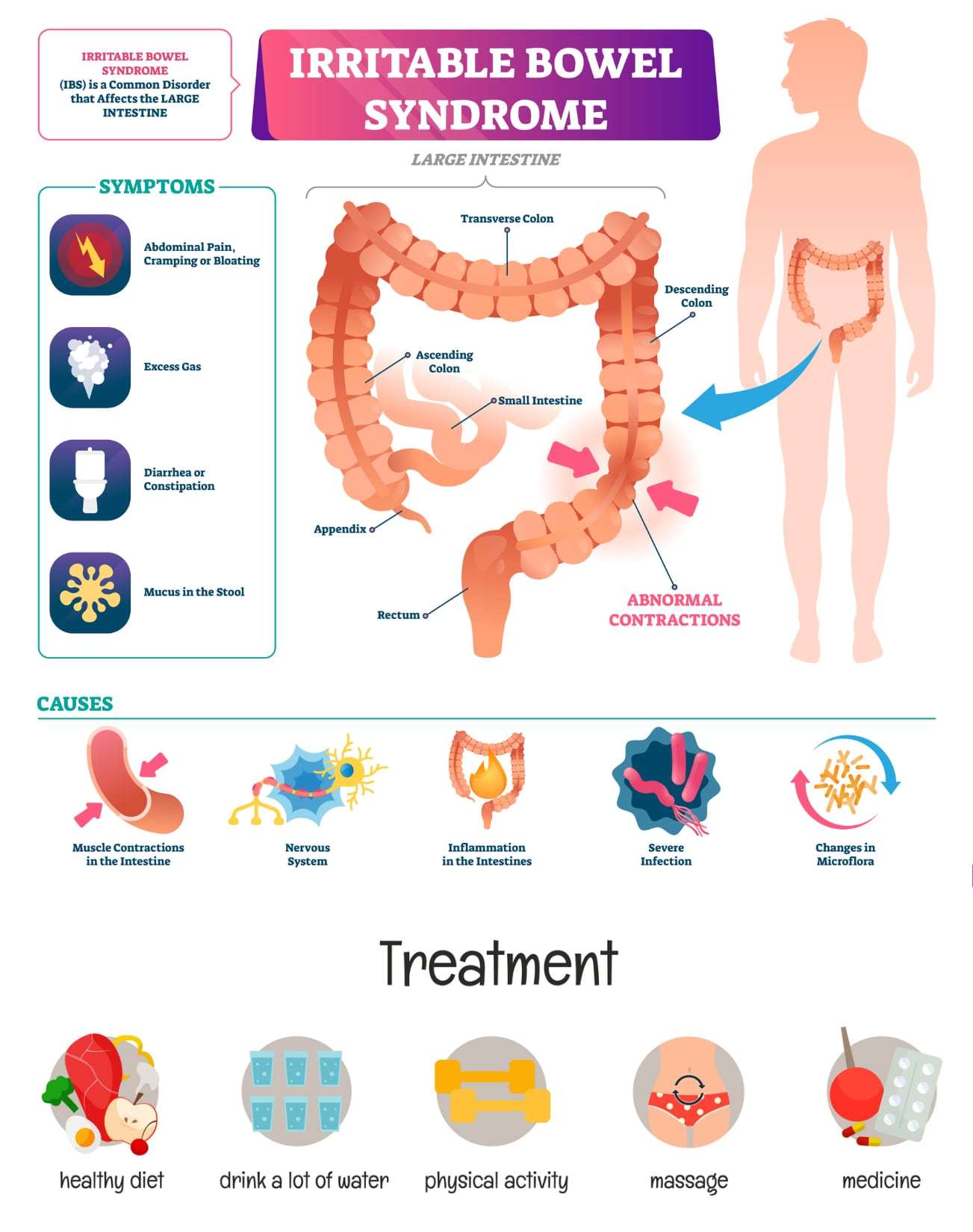
Irritable Bowel Syndrome (IBS) is a common disorder affecting the digestive system. It is characterized by a range of symptoms, including abdominal pain, bloating, gas, and changes in bowel movements. While the exact cause of IBS is unknown, it is believed to be a result of a combination of factors such as a sensitive digestive system, abnormal muscle contractions in the intestines, inflammation, and an imbalance of gut bacteria.
Common symptoms of IBS
The symptoms of IBS can vary from person to person, but some of the most common ones include abdominal pain or cramping, bloating, gas, diarrhea, constipation, or alternating between diarrhea and constipation. Fatigue, nausea, and a sensation of incomplete bowel movements are also reported by some individuals with IBS. It’s important to note that the severity and frequency of these symptoms can also vary greatly.
Potential causes of IBS
The exact causes of IBS are still not fully understood, but there are several factors that have been identified as potentially contributing to the development and exacerbation of symptoms. These factors include food intolerances or sensitivities, stress and anxiety, abnormal gut motility, bacterial overgrowth in the intestines, and genetic factors. Understanding these potential causes can help in managing and reducing the symptoms of IBS.
Seeking a Medical Diagnosis
Recognizing the need for a diagnosis is the first step in managing your IBS symptoms effectively. If you have been experiencing persistent and troubling symptoms, it is important to consult a healthcare professional. They will assess your medical history, conduct a physical examination, and may order additional tests to rule out other conditions and confirm a diagnosis of IBS.
Visiting a healthcare professional
When visiting a healthcare professional, it is helpful to keep a detailed record of your symptoms, including their frequency, duration, and any triggers you have noticed. This information will assist your healthcare provider in making an accurate diagnosis and developing an appropriate treatment plan.
Tests and examinations for IBS
While there is no specific test for diagnosing IBS, your healthcare professional may order certain tests to rule out other possible conditions. These tests may include blood tests, stool samples, colonoscopy, or imaging tests. These examinations will help ensure an accurate diagnosis and exclude other gastrointestinal conditions with similar symptoms.
Creating an Effective Treatment Plan
Managing IBS requires a comprehensive and individualized treatment plan. This plan should take into account your specific triggers, patterns, and the severity of your symptoms. A combination of medication, lifestyle changes, and dietary modifications can help alleviate symptoms and improve your quality of life.
Understanding individual triggers and patterns
Identifying and understanding your individual triggers and patterns is crucial in managing your IBS symptoms effectively. By keeping a symptom diary, you can track any foods, stressors, or activities that seem to aggravate your symptoms. This information will help you make informed decisions about your diet, stress management techniques, and lifestyle modifications.
Medications for symptom relief
In certain cases, healthcare professionals may recommend medications to help relieve the symptoms of IBS. These medications may include antispasmodics to reduce abdominal pain and cramping, anti-diarrheal medications to control diarrhea, laxatives for constipation, or antidepressants to manage symptoms related to serotonin levels in the gut. It is important to discuss the potential risks and benefits of these medications with your healthcare provider.
Lifestyle changes for managing IBS
In addition to medications, making lifestyle changes can play a crucial role in managing IBS symptoms. Regular exercise, stress management techniques, and mindfulness practices can contribute significantly to symptom relief. By prioritizing self-care, creating a healthy routine, and avoiding triggers, you can improve your overall well-being and reduce the impact of IBS on your daily life.
Dietary Modifications for IBS Management
Identifying trigger foods is an important step in managing IBS. Certain foods can exacerbate symptoms and should be limited or avoided. Common trigger foods include spicy foods, fatty foods, caffeine, alcohol, and artificial sweeteners. Following a low FODMAP diet, which eliminates certain triggering carbohydrates, has been shown to be effective for many individuals with IBS. It is also important to consider your fiber intake and the balance between soluble and insoluble fiber in your diet.
Identifying trigger foods
To identify trigger foods, it can be helpful to keep a food diary in which you note what you eat and any symptoms experienced afterward. Common trigger foods include dairy products, gluten, certain fruits and vegetables, and high-fat foods. By recognizing patterns and discussing them with your healthcare professional or a registered dietitian, you can customize your diet to better manage your IBS symptoms.
Following a low FODMAP diet
The low Fermentable Oligosaccharides, Disaccharides, Monosaccharides, and Polyols (FODMAP) diet is often recommended for individuals with IBS. This diet involves temporarily eliminating FODMAP-rich foods, such as garlic, onion, wheat, and certain fruits and vegetables. After a period of restriction, foods are gradually reintroduced to determine which ones trigger symptoms. It is important to undertake this diet under the guidance of a healthcare professional or registered dietitian.
Fiber intake and soluble vs. insoluble fiber
Fiber plays an essential role in maintaining digestive health, but it can also exacerbate IBS symptoms for some individuals. It is vital to find the right balance between soluble and insoluble fiber in your diet. Soluble fiber, found in foods like oats and bananas, can help ease diarrhea. Insoluble fiber, found in foods like whole grains and leafy vegetables, can assist with constipation. Experimenting with different fiber sources can help you find what works best for you.
Managing Stress and Anxiety
Stress and anxiety can have a significant impact on IBS symptoms. For many individuals, stress can trigger flare-ups and worsen existing symptoms. Learning to manage stress effectively is therefore vital in reducing the impact of IBS on your daily life.
Recognizing the impact of stress on IBS symptoms
Stress activates the body’s fight-or-flight response, which can disrupt normal digestive processes and exacerbate IBS symptoms. Identifying situations that cause stress and monitoring your body’s response can help you recognize the connection between stress and your symptoms. By managing stress levels, you can significantly improve your quality of life and reduce the severity of IBS symptoms.
Stress-reducing techniques and coping strategies
There are various stress-reducing techniques and coping strategies that can be effective in managing IBS symptoms. These may include deep breathing exercises, meditation, yoga, and progressive muscle relaxation. Engaging in activities you enjoy, practicing self-care, and seeking support from loved ones or mental health professionals can also play a crucial role in stress management.
Mindfulness and relaxation exercises
Practicing mindfulness and relaxation exercises can have a profound impact on managing IBS symptoms. Techniques such as mindfulness meditation, visualization, and guided imagery can help reduce stress, promote relaxation, and improve overall well-being. These exercises can be incorporated into your daily routine and provide a sense of calm to alleviate symptoms of IBS.
Maintaining Regular Exercise and Physical Activity
Regular exercise and physical activity have been shown to have numerous benefits for individuals with IBS. Exercise can help regulate bowel movements, reduce stress levels, improve mood, and enhance overall digestion.
The benefits of exercise for IBS management
Exercise stimulates the muscles in the digestive tract, enhancing bowel function and reducing symptoms of constipation or diarrhea. Physical activity also releases endorphins, which can alleviate stress, improve mood, and reduce pain perception. Regular exercise can improve sleep patterns, boost energy levels, and promote a healthier overall lifestyle.
Low impact exercises and activities to try
When starting an exercise routine, it is important to choose low impact activities that are gentle on the body. Walking, swimming, yoga, and cycling are great options for individuals with IBS. These activities can be modified to suit your fitness level and personal preferences. Gradually increasing the intensity and duration of exercise can provide additional benefits as your body adjusts.
Creating an exercise routine
Creating a consistent exercise routine is key to reaping the benefits of physical activity for IBS management. Start by setting achievable goals for yourself and incorporating exercise into your daily or weekly schedule. It may be helpful to enlist the support of a friend or join a group exercise class to stay motivated and accountable. Remember to listen to your body and make adjustments as needed to ensure a safe and comfortable experience.
Exploring Alternative Therapies
In addition to traditional medical approaches, some individuals with IBS find relief through alternative therapies. While these therapies may not work for everyone, they can offer additional options for managing symptoms.
Acupuncture for IBS symptom relief
Acupuncture, an ancient Chinese practice involving the insertion of fine needles into specific points on the body, has shown promise in relieving symptoms of IBS. Some studies suggest that acupuncture can help reduce pain, regulate bowel movements, and improve overall well-being. It is important to seek a qualified acupuncturist and discuss your specific symptoms and goals before considering this therapy.
Probiotics and their potential benefits
Probiotics are live bacteria and yeasts that are beneficial to the digestive system. They can be found in certain foods or taken as supplements. Some studies suggest that probiotics may help reduce symptoms of IBS, particularly in individuals with symptoms related to an imbalance of gut bacteria. Exploring different strains and formulations, along with consulting a healthcare professional, can help determine whether probiotics may be beneficial for you.
Herbal remedies and natural supplements
Herbal remedies and natural supplements are another avenue that some individuals with IBS explore for symptom relief. Peppermint oil, for example, has been shown to relax the muscles of the gastrointestinal tract, providing relief from abdominal pain, bloating, and gas. However, it is important to remember that not all herbal remedies and supplements are regulated by the FDA, and their effectiveness can vary. It is recommended to consult a healthcare professional before trying any herbal remedies or supplements.
Support and Lifestyle Adjustments
IBS can greatly impact your daily life and overall well-being. Building a support network, seeking therapy or counseling, and making necessary lifestyle adjustments can contribute to managing your symptoms effectively and improving your quality of life.
Building a support network
Having a support network of friends, family, or individuals who understand and empathize with your condition can be incredibly beneficial. Sharing your experiences, concerns, and successes with others who have IBS can provide validation, support, and practical tips for managing symptoms. Support groups and online communities are great resources for finding like-minded individuals.
Seeking therapy or counseling
Managing IBS can be emotionally challenging, and seeking therapy or counseling can help address the psychological impact of the condition. A therapist or counselor can provide tools and techniques to cope with stress, anxiety, or depression that may be exacerbated by IBS. They can also help develop strategies for managing the limitations IBS may impose on your daily life.
Making necessary lifestyle adjustments
Living with IBS often requires making lifestyle adjustments to minimize triggers and manage symptoms effectively. This may involve setting boundaries around social activities, planning meals and outings in advance, and having strategies in place for unexpected flare-ups. With time and practice, these adjustments can become second nature, allowing you to live a fulfilling life despite IBS.
Tips for Traveling with IBS
Traveling with IBS requires careful planning and consideration. By anticipating and managing dietary needs, utilizing portable symptom relief solutions, and implementing stress management techniques, you can minimize the impact of IBS on your travel experiences.
Planning ahead and managing dietary needs
When traveling, it is important to plan ahead and consider your dietary needs. Researching restaurants or food options at your destination can help you choose meals that are less likely to trigger your symptoms. Packing snacks, such as low FODMAP options or easily digestible foods, can also provide you with safe alternatives when suitable options are not available.
Utilizing portable symptom relief solutions
Having portable symptom relief solutions on hand can be invaluable when you’re away from home. Consider carrying digestive aids, such as probiotics or over-the-counter medications recommended by your healthcare professional. In addition, packing a small heat pad or hot water bottle can help alleviate abdominal pain or cramping.
Stress management while traveling
Traveling can be stressful, and stress can exacerbate IBS symptoms. Implementing stress management techniques while traveling can help minimize the impact on your digestive system. Practice deep breathing exercises, take breaks throughout the journey, and engage in activities that promote relaxation, such as reading or listening to music. Remember to prioritize self-care and be mindful of your body’s needs.
Continuing Self-Care and Monitoring
Managing IBS is an ongoing process, and self-care plays a vital role in symptom management. By keeping a symptom diary, regularly checking in with healthcare professionals, and continuing to prioritize your physical and mental well-being, you can effectively manage your condition in the long term.
Keeping a symptom diary
Keeping a symptom diary is essential in understanding your triggers and patterns, monitoring your progress, and identifying any changes in your symptoms. Record your dietary intake, stress levels, sleep patterns, and any symptoms experienced on a daily basis. This diary can serve as a valuable resource when discussing your condition with healthcare professionals and making informed decisions about your treatment plan.
Regular check-ups and monitoring with healthcare professionals
Regularly checking in with your healthcare professionals is crucial in managing IBS. They can assess your progress, make adjustments to your treatment plan if necessary, and provide guidance on managing symptoms. Routine check-ups allow for early detection of any potential complications and ensure that you are receiving the most appropriate care for your unique needs.
Continuing to prioritize self-care
Self-care should be an ongoing priority in managing IBS. This includes practicing stress management techniques, engaging in regular exercise and physical activity, maintaining a healthy diet, and taking time for relaxation and self-reflection. By prioritizing self-care, you can maintain your overall well-being and keep IBS symptoms under control.