
Welcome to an article all about easy ways for men to stay active and healthy! In today’s fast-paced world, it can be challenging to find the time and motivation to prioritize your health and fitness. But fear not, as we will explore simple and effective ways for men to incorporate physical activity and healthy habits into their daily lives. From setting achievable fitness goals to making smarter food choices, we’ve got you covered on your journey to better health. So let’s dive in and discover how you can make small changes that will have a big impact on your overall well-being. Have you been looking for simple ways to stay active and healthy, but don’t know where to start? You’re in the right place! In this article, we will explore easy and practical ways for men to incorporate healthy habits into their daily routine. Whether you’re a seasoned athlete or just starting on your fitness journey, these tips will help you stay on track and reach your health goals. Let’s dive in!
Importance of Staying Active and Healthy
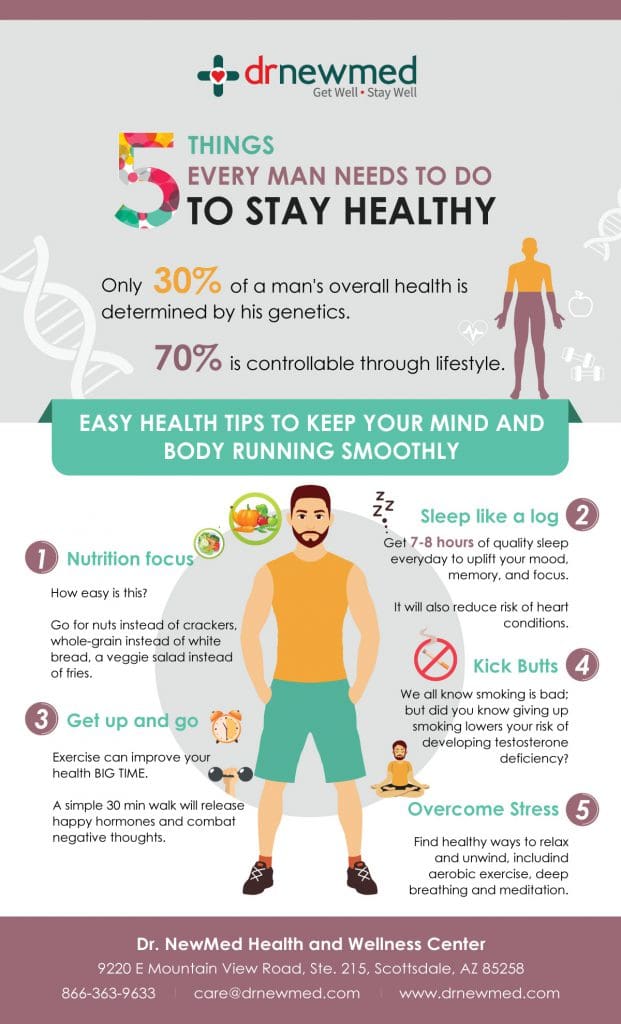
Staying active and healthy is essential for overall well-being. It not only improves physical health but also has a positive impact on mental health. Regular exercise can help reduce the risk of chronic diseases, improve sleep quality, boost mood, and increase energy levels. By making small lifestyle changes and incorporating healthy habits into your daily routine, you can optimize your health and longevity.
Setting Goals and Creating a Fitness Plan
Setting specific, measurable, achievable, relevant, and time-bound (SMART) goals is crucial for success in any fitness journey. Start by defining your fitness goals, whether it’s losing weight, building muscle, improving endurance, or simply staying active. Once you have clear goals in mind, create a fitness plan that includes a mix of cardiovascular exercise, strength training, flexibility work, and rest days. Remember to start slow and gradually increase intensity to prevent injuries and burnout.

Cardiovascular Exercise
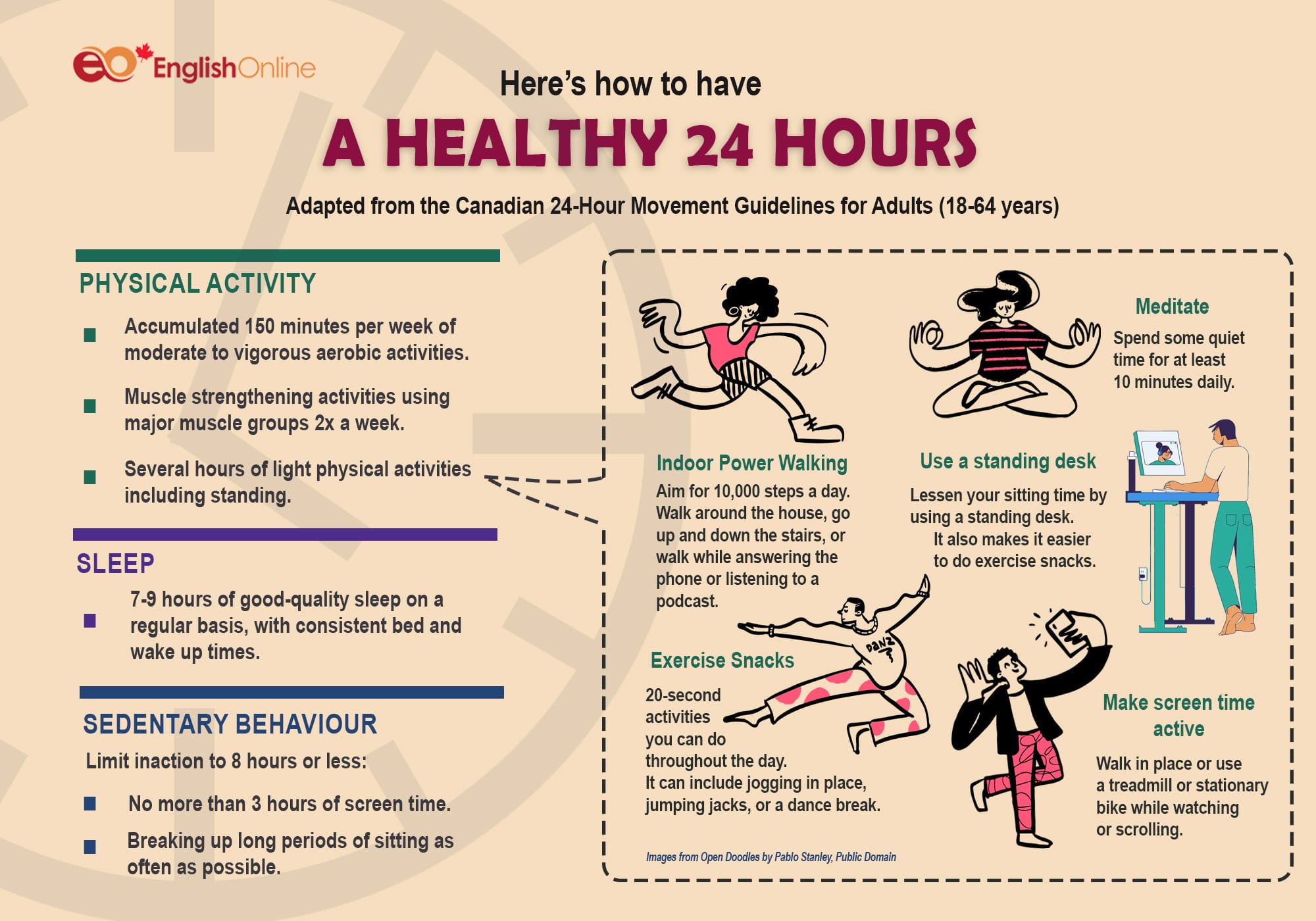
Cardiovascular exercise, also known as aerobic exercise, is essential for heart health and overall fitness. Activities like running, cycling, swimming, and dancing can improve cardiovascular endurance, boost metabolism, and burn calories. Aim for at least 150 minutes of moderate-intensity or 75 minutes of vigorous-intensity aerobic exercise per week. You can break it down into shorter sessions throughout the week for convenience. Remember to warm up before and cool down after each workout to prevent injury.
Walking
Walking is one of the simplest yet effective forms of cardiovascular exercise. It requires no special equipment and can be done almost anywhere. Aim to walk at least 10,000 steps per day to meet the recommended physical activity guidelines. You can increase intensity by walking uphill, incorporating intervals of brisk walking, or adding ankle weights for resistance. Walking outdoors in nature can also have additional mental health benefits.
Running
Running is a popular form of cardiovascular exercise that can improve cardiovascular fitness, strengthen muscles, and help with weight management. Start by running at a comfortable pace for short distances and gradually increase speed and distance as your fitness improves. Invest in a good pair of running shoes that provide adequate cushioning and support to prevent injuries. Consider joining a local running group or signing up for a race to stay motivated and accountable.
Strength Training
Strength training is crucial for building muscle mass, increasing metabolism, improving bone density, and preventing age-related muscle loss. Incorporate strength training exercises that target major muscle groups, such as squats, deadlifts, bench presses, rows, and shoulder presses. Start with light weights or bodyweight exercises and gradually increase resistance as you get stronger. Aim for 2-3 strength training sessions per week, allowing at least 48 hours of rest between workouts to facilitate muscle recovery and growth.
Bodyweight Exercises
Bodyweight exercises are a convenient and effective way to build strength and muscle mass without the need for equipment. Examples include push-ups, pull-ups, squats, lunges, planks, and burpees. You can perform bodyweight exercises at home, in a park, or during a workout at the gym. Focus on proper form and technique to maximize muscle engagement and prevent injury. Modify exercises as needed to suit your fitness level and goals.
Resistance Training
Resistance training involves using external resistance, such as dumbbells, barbells, resistance bands, or weight machines, to challenge your muscles. It can help you increase strength, power, and muscle tone. Work with a certified personal trainer to design a resistance training program that targets your specific goals and needs. Make sure to use proper form, breathe correctly, and gradually increase resistance over time to see continued progress.
Flexibility and Mobility
Flexibility and mobility are often overlooked aspects of fitness but are crucial for overall health and performance. Improving flexibility can reduce the risk of injuries, enhance range of motion, and improve posture. Incorporate stretching exercises, yoga, Pilates, or mobility drills into your routine to maintain joint health and muscle elasticity. Focus on stretching major muscle groups, such as hamstrings, quadriceps, calves, chest, shoulders, and back, for optimal results.
Stretching
Stretching can help improve flexibility, reduce muscle tension, and increase blood flow to the muscles. Perform dynamic stretches before a workout to warm up the muscles and prepare them for movement. Static stretches can be done at the end of a workout to cool down and relax the muscles. Hold each stretch for 15-30 seconds and repeat 2-3 times on each side for maximum benefit. Avoid bouncing or jerking movements during stretches to prevent strains or tears.
Yoga and Pilates
Yoga and Pilates are excellent forms of mind-body exercise that focus on strength, flexibility, balance, and relaxation. Both disciplines can help improve posture, reduce stress, increase body awareness, and enhance overall well-being. Consider taking a yoga or Pilates class at a local studio, gym, or online platform to learn proper techniques and receive guidance from certified instructors. Practice regularly to see improvements in flexibility, strength, and mental clarity.
Rest and Recovery
Rest and recovery are essential components of any fitness program but are often neglected in favor of intense training. Adequate rest allows the body to repair, rebuild, and adapt to the stress of exercise, leading to improved performance and reduced injury risk. Make sure to prioritize sleep, nutrition, hydration, and stress management to optimize recovery. Listen to your body’s signals, take rest days when needed, and incorporate active recovery activities like walking, stretching, or yoga to promote healing and rejuvenation.
Sleep
Quality sleep is crucial for physical, mental, and emotional health. Aim for 7-9 hours of uninterrupted sleep per night to allow your body to rest and recover. Create a relaxing bedtime routine, such as reading a book, taking a warm bath, or practicing deep breathing exercises, to signal to your body that it’s time to wind down. Avoid electronic devices, caffeine, and heavy meals close to bedtime to promote restful sleep. Investing in a comfortable mattress and pillows can also improve sleep quality.
Nutrition
Proper nutrition is key to fueling your body for exercise, promoting recovery, and maintaining overall health. Focus on eating a balanced diet rich in fruits, vegetables, whole grains, lean proteins, healthy fats, and plenty of water. Include a variety of nutrients in your meals to support muscle repair, energy production, and immune function. Consider working with a registered dietitian or nutritionist to create a personalized nutrition plan that aligns with your fitness goals and dietary preferences.
Stress Management
Chronic stress can have negative effects on physical health, mental well-being, and exercise performance. Practice stress management techniques, such as deep breathing, meditation, visualization, progressive muscle relaxation, or journaling, to reduce stress levels and improve resilience. Engage in activities that bring you joy, whether it’s listening to music, spending time in nature, playing a sport, or connecting with loved ones. Prioritize self-care and make time for relaxation to recharge and rejuvenate your mind and body.

Stay Consistent and Motivated
Consistency is key to seeing results and maintaining a healthy lifestyle in the long term. Make exercise a non-negotiable part of your daily routine, just like brushing your teeth or eating meals. Schedule workouts at a time that works best for you, whether it’s in the morning, during lunch break, or in the evening. Find activities that you enjoy and look forward to, whether it’s playing sports, dancing, hiking, or lifting weights. Surround yourself with supportive friends, family members, or workout buddies who can help keep you accountable and motivated. Celebrate small victories along the way, such as completing a workout, reaching a fitness milestone, or trying a new activity. Remember that progress takes time, patience, and dedication, so stay focused on your goals and keep moving forward.
In conclusion, staying active and healthy is a journey that requires commitment, perseverance, and a positive mindset. By incorporating easy and practical ways to stay active into your daily routine, you can improve your physical fitness, mental well-being, and overall quality of life. Whether you prefer cardio, strength training, flexibility work, or a combination of all three, there are endless options to keep you engaged and motivated on your fitness journey. Make small changes, set realistic goals, and enjoy the process of becoming the healthiest version of yourself. Remember that you’re capable of achieving great things when you prioritize your health and well-being. So, what are you waiting for? Lace up your sneakers, grab a water bottle, and start moving towards a healthier, happier you today!