
Are you tired of spending money on expensive gym memberships or bulky exercise equipment? Look no further! This article will introduce you to a range of effective bodyweight exercises that can help you build strength and tone your muscles right from the comfort of your own home. No need for any fancy equipment or complex workout routines. With these simple yet powerful exercises, you’ll be able to achieve your fitness goals and feel confident in your own body. Say goodbye to the hassle and hello to a stronger, more toned you!
Upper Body Exercises
Push-ups
Push-ups are one of the most well-known and effective bodyweight exercises for the upper body. They primarily target the chest, shoulders, and triceps, but also engage the core and back muscles. To perform a push-up, start in a plank position with your hands slightly wider than shoulder-width apart. Lower your body until your chest nearly touches the ground, then push through your palms to raise yourself back up. Remember to keep your core tight and your body in a straight line throughout the movement.
Pull-ups
Pull-ups are another fantastic exercise to strengthen your upper body, particularly your back and biceps. They require a bar or sturdy object to hang from. Start by gripping the bar with your palms facing away from you and your hands slightly wider than shoulder-width apart. Hang with straight arms, then pull your body upward until your chin is above the bar. Slowly lower yourself back down and repeat. If you struggle with pull-ups, you can use an assistive band or machine to gradually build strength.
Dips
Dips target the triceps, chest, and shoulders, making them an excellent exercise for upper body strength. You can perform dips using parallel bars or even two sturdy chairs. Begin by gripping the bars or edges of the chairs with your palms facing down and your arms fully extended. Lower your body by bending your elbows until your shoulders are below your elbows, then push yourself back up to the starting position. As with any exercise, it’s crucial to maintain proper form and avoid any excessive strain on your joints.
Lower Body Exercises
Squats
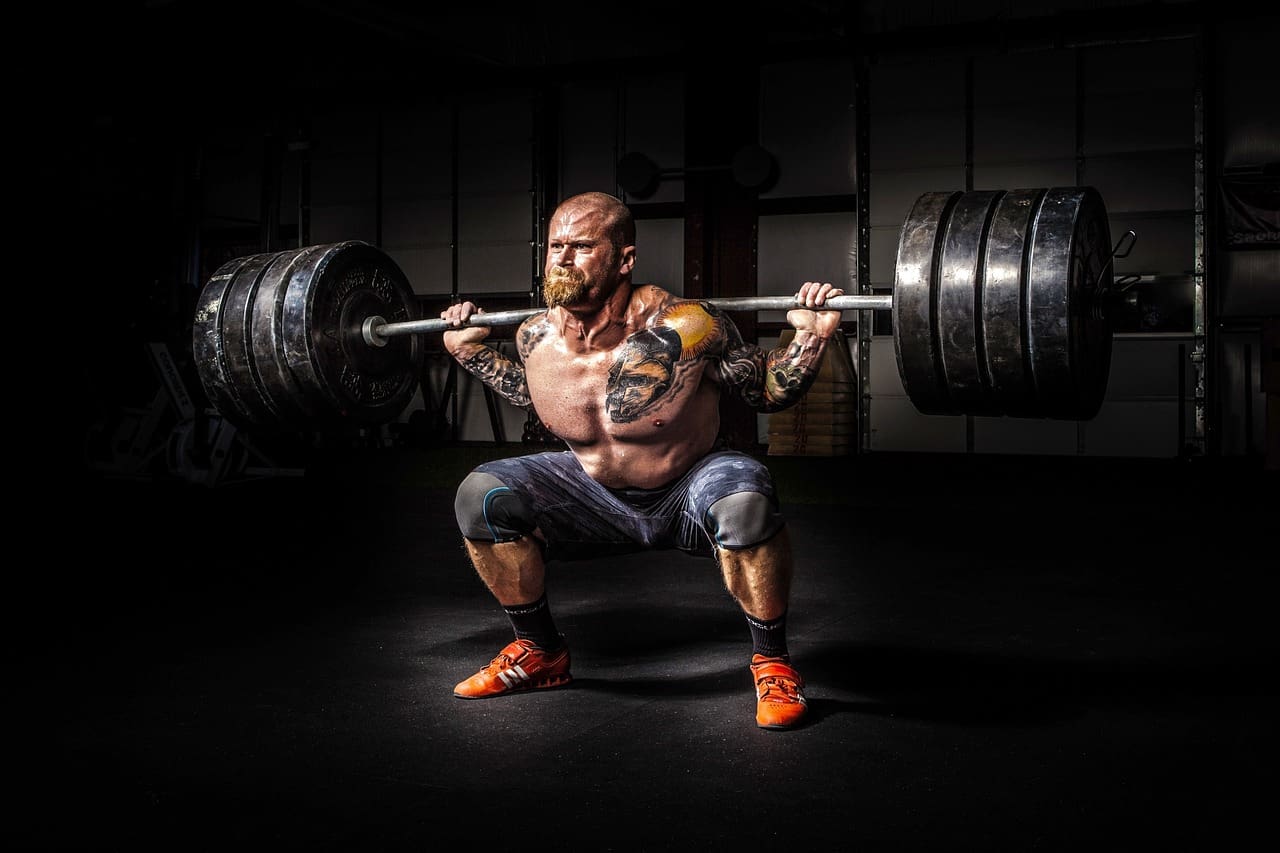
Squats are often called the “king of lower body exercises” as they work the quadriceps, hamstrings, glutes, and even the core. To perform a squat, stand with your feet shoulder-width apart and your toes slightly pointed outwards. Lower your body by bending your knees and pushing your hips back as if you’re sitting on an imaginary chair. Keep your chest up and your weight on your heels. Once your thighs are parallel to the ground, push through your heels to stand back up.
Lunges
Lunges are excellent for targeting the muscles of the lower body, including the quads, hamstrings, glutes, and calves. Start by standing with your feet hip-width apart. Take a step forward with one foot, lowering your body until both knees are at 90-degree angles. Push through the heel of your front foot to return to the starting position, then repeat with the other leg. Make sure to keep your core engaged and your upper body upright throughout the movement.
Step-ups
Step-ups are a simple and effective lower body exercise that mimics climbing stairs. Find a sturdy platform or step that is about knee height. Step onto the platform with one foot, then lift your body up until your front leg is fully extended. Lower yourself back down and repeat on the same leg or alternate between legs. Step-ups primarily target the quads, hamstrings, and glutes, helping to improve overall lower body strength and stability.
Core Exercises
Plank
Planks are an essential exercise for building a strong and stable core. They work the rectus abdominis, obliques, and deep core muscles. To perform a plank, start in a push-up position with your hands directly under your shoulders. Lower your forearms to the ground, making sure your elbows are aligned with your shoulders. Engage your core and hold your body in a straight line from your head to your heels. Maintain this position for as long as you can while keeping proper form.
Crunches
Crunches are a classic core exercise that primarily targets the rectus abdominis. Lie on your back with your knees bent and feet flat on the ground. Place your hands behind your head, keeping your elbows wide. Engage your core and lift your upper body off the ground, curling your chest towards your knees. Be sure to avoid pulling on your neck or using momentum to lift yourself up. Slowly lower yourself back down and repeat the movement.
Mountain climbers
Mountain climbers are not only a great core exercise but also provide a cardiovascular challenge. Start in a high plank position with your hands directly under your shoulders. Engage your core and bring one knee towards your chest, then quickly switch and bring the other knee towards your chest. Alternate between legs in a rapid, running motion while maintaining a straight back and engaged core. Mountain climbers engage the entire core, including the abs, obliques, and deep stabilizing muscles.
Full Body Exercises
Burpees
If you’re looking for a full body exercise that combines strength and cardiovascular conditioning, burpees are the way to go. Start in a standing position, then lower yourself into a squat with your hands on the ground. Kick your feet back into a plank position and then quickly jump them back up to your hands. From there, explosively jump up into the air, fully extending your body. As you land, immediately transition into the next repetition. Burpees engage the muscles of the upper body, lower body, and core, providing a comprehensive workout.
Jumping Jacks
Jumping jacks are a simple yet effective exercise that gets your whole body moving. Start in a standing position with your feet together and your arms by your sides. Jump up and simultaneously spread your legs wider than hip-width apart while raising your arms overhead. Quickly jump back to the starting position and repeat. Jumping jacks engage the muscles of the legs, arms, and core while also increasing heart rate and improving cardiovascular endurance.
Mountain climbers (full body)
As mentioned earlier, mountain climbers are not only a core exercise but also a fantastic full-body exercise. They engage the upper body, lower body, and core, making them a great addition to any workout routine. Follow the same instructions as mentioned in the core exercises section to perform mountain climbers. Be sure to maintain a steady pace and keep good form throughout the exercise to maximize the benefits.
Compound Exercises
Bulgarian Split Squat
The Bulgarian split squat is a challenging lower body exercise that targets the quads, glutes, and hamstrings. To perform this exercise, stand facing away from a bench or elevated surface. Place the top of one foot on the bench, ensuring that your front leg is far enough forward so that when you bend your knee, it stays directly above your ankle. Lower your body until your front thigh is parallel to the ground, then push through your front heel to return to the starting position. Repeat the movement on the other leg.
Renegade Row
Renegade rows are an excellent compound exercise that targets the back, shoulders, and core. Start in a high plank position with your hands directly under your shoulders and a dumbbell in each hand. Keeping your core engaged and hips stable, lift one dumbbell off the ground, pulling your elbow up towards the ceiling. Lower the weight back down and repeat on the other side. Renegade rows not only strengthen the upper body but also challenge stability and balance.
Thrusters
Thrusters are a compound exercise that combines a squat with an overhead press, targeting multiple muscle groups simultaneously. Start by holding a pair of dumbbells at shoulder height, palms facing towards your body. Lower into a squat position, then explosively push through your heels to stand up while simultaneously pressing the dumbbells overhead. Lower the weights back down to shoulder height and repeat the movement. Thrusters engage the legs, shoulders, and arms, making them a highly efficient full-body exercise.
Isolation Exercises
Bicep Curls
Bicep curls are a classic isolation exercise that target the biceps. Stand with a dumbbell in each hand, palms facing forward. Keep your upper arms stationary and curl the weights up towards your shoulders, squeezing your biceps at the top of the movement. Slowly lower the weights back down and repeat. To increase the intensity of the exercise, you can perform bicep curls one arm at a time or use a barbell instead of dumbbells.
Tricep Dips
Tricep dips isolate and target the triceps, making them an essential exercise for toning the arms. You can perform dips using parallel bars, the edge of a bench, or even two sturdy chairs. Start by gripping the bars or edges of the chairs with your palms facing down and your arms fully extended. Lower your body by bending your elbows until your shoulders are below your elbows, then push yourself back up to the starting position. Be sure to maintain proper form and avoid any excessive strain on your elbows.
Glute Bridge
The glute bridge primarily targets the glute muscles, helping to strengthen and tone the buttocks. Lie on your back with your knees bent and feet flat on the ground, about hip-width apart. Engage your core and squeeze your glutes as you lift your hips off the ground until your body forms a straight line from your knees to your shoulders. Hold this position for a moment, then lower your hips back down and repeat. As you progress, you can add resistance by placing a weight on your hips or using a resistance band around your thighs.
Progressive Overload
Increasing Reps
One of the fundamental principles of progressive overload is increasing the number of reps you perform. As you become stronger and more comfortable with an exercise, gradually challenge yourself by adding more reps to your sets. This increase in volume will further stress your muscles and promote strength and endurance gains. However, it’s crucial to maintain proper form throughout the entire set, even as you fatigue. Form should always take priority over the number of reps you can perform.
Adding Weight
Another way to progressively overload your muscles is by adding weight to your exercises. This can be done with dumbbells, barbells, resistance bands, or even just your own body weight. The added resistance forces your muscles to adapt and become stronger over time. Start with a weight that challenges you but still allows you to maintain proper form. As you become comfortable with the added weight, gradually increase the load to continue making progress.
Decreasing Rest Time
Decreasing rest time between sets is an effective way to increase the intensity of your workouts and promote progressive overload. By minimizing the amount of time you rest, you allow less recovery time for your muscles between sets. This increased demand places additional stress on your muscles, forcing them to adapt and become stronger. However, it’s important to strike a balance between reducing rest time and allowing your body enough time to recover to prevent overtraining or injury.
Circuit Training
Designing a Circuit
Circuit training involves performing a series of exercises back to back with minimal rest in between. Designing a circuit requires careful planning to ensure all major muscle groups are engaged and a balanced workout is achieved. Start by selecting a variety of exercises that target different muscle groups. Arrange them in a logical order, considering the flow between exercises and minimizing equipment changes. Aim for a mix of upper body, lower body, core, and cardiovascular exercises to create a well-rounded circuit.
Choosing Exercises
When choosing exercises for a circuit, think about the equipment and space available to you. Bodyweight exercises are always an excellent option, but you can also incorporate dumbbells, resistance bands, or other equipment if you have access to them. Choose exercises that allow you to maintain proper form and that target different muscle groups to achieve a balanced workout. It’s also important to consider your fitness level and any specific goals you may have when selecting exercises.
Determining Reps and Sets
The number of reps and sets for each exercise in a circuit depends on your fitness level, goals, and the time you have available. Generally, aim for 10-15 reps per exercise and perform each exercise consecutively without rest. Once you complete one round of the circuit, take a short rest before starting the next round. Beginners may start with fewer reps or modify exercises to suit their fitness level. As you progress, increase the number of reps or add additional rounds to challenge yourself.
Proper Form and Technique
Body Alignment
Maintaining proper body alignment is essential for performing exercises correctly and minimizing the risk of injury. Whether you’re performing a push-up, squat, or plank, make sure to keep your body in a straight line from head to toe. Engage your core muscles to support your spine and prevent excessive arching or rounding of your back. Additionally, pay attention to the alignment of your joints, keeping them in line with each other to distribute the load evenly and avoid unnecessary strain.
Breathing
Proper breathing during exercise helps oxygenate your muscles and keeps you focused. In general, exhale during the exertion phase or the “work” part of the exercise and inhale during the relaxation phase. For example, when performing a push-up, breathe out as you push your body away from the ground and breathe in as you lower yourself down. Avoid holding your breath during exercises, as it can increase blood pressure and potentially cause dizziness or discomfort.
Avoiding Common Mistakes
In any exercise, it’s important to be aware of common mistakes and avoid them to ensure optimal results and minimize the risk of injury. For example, when performing a squat, avoid allowing your knees to collapse inward or your heels to lift off the ground. When doing push-ups, avoid letting your lower back sag or lifting your hips too high. By paying attention to your form and focusing on proper technique, you’ll maximize the effectiveness of the exercises and reduce the risk of any negative impact.
Balanced Training
Dynamic vs. Static Exercises
A balanced training program should include a mix of dynamic and static exercises. Dynamic exercises involve movement and require the muscles to lengthen and contract, such as squats or lunges. These exercises improve strength, mobility, and coordination. On the other hand, static exercises involve holding a position without movement, such as planks or wall sits. Static exercises improve stability, static strength, and muscular endurance. By including both types of exercises in your routine, you can develop a well-rounded physique and tackle various fitness goals.
Push vs. Pull Movements
It’s essential to balance push and pull movements in your training routine to promote overall strength and muscular balance. Push movements include exercises like push-ups, overhead presses, and bench presses, which primarily target the chest, shoulders, and triceps. Pull movements, such as rows, pull-ups, and lat pull-downs, engage the muscles of the back, biceps, and rear shoulders. By incorporating both into your workouts, you can prevent muscle imbalances and promote optimal aesthetics and performance.
Upper vs. Lower Body Workouts
Balanced training also involves distributing your focus between upper and lower body workouts. Devoting equal attention to both ensures that you develop overall strength, power, and symmetry. Upper body workouts, such as push-ups, pull-ups, and dips, target the muscles of the chest, back, shoulders, and arms. Conversely, lower body workouts like squats, lunges, and step-ups engage the muscles of the legs, glutes, and hips. By alternating between upper and lower body exercises, you allow each muscle group sufficient time to recover while still making progress in your fitness journey.
Incorporating these effective bodyweight exercises into your training routine will help you build strength and tone your entire body. Whether you focus on the upper body, lower body, core, or opt for full-body compound exercises, the key is to maintain proper form and gradually increase the intensity over time. Remember to listen to your body, rest when needed, and consult with a healthcare provider before starting any new exercise program. With consistency and dedication, you’ll be on your way to achieving your fitness goals and enjoying the benefits of a strong and toned body.