Looking to boost your overall fitness and improve your performance in various activities? Look no further! In this article, we will explore some highly effective cross-training methods that can help you achieve your fitness goals. By incorporating different exercises and activities into your routine, you can enhance your endurance, strength, and flexibility, leading to improved performance and overall fitness. Whether you’re a seasoned athlete or just starting your fitness journey, these cross-training methods will challenge your body in new and exciting ways, pushing you to new heights of fitness and wellbeing. So, let’s get started on this exhilarating journey to a fitter and healthier you!

Heading 1
Cross-training is a fantastic way to improve your overall fitness and enhance your performance in various activities. By engaging in different types of exercises, you can target different muscle groups and prevent overuse injuries. In this article, we will explore some effective cross-training methods that you can incorporate into your fitness routine.
Subheading 1.1
One of the most popular cross-training methods is combining cardiovascular exercises with strength training. Cardiovascular exercises, such as running, cycling, or swimming, help improve your endurance and cardiovascular health. On the other hand, strength training exercises, such as weightlifting or bodyweight exercises, help build muscle strength and improve overall body composition. By combining these two types of exercises, you can achieve a well-rounded fitness routine that targets both your cardiovascular system and your muscles.
Subheading 1.2
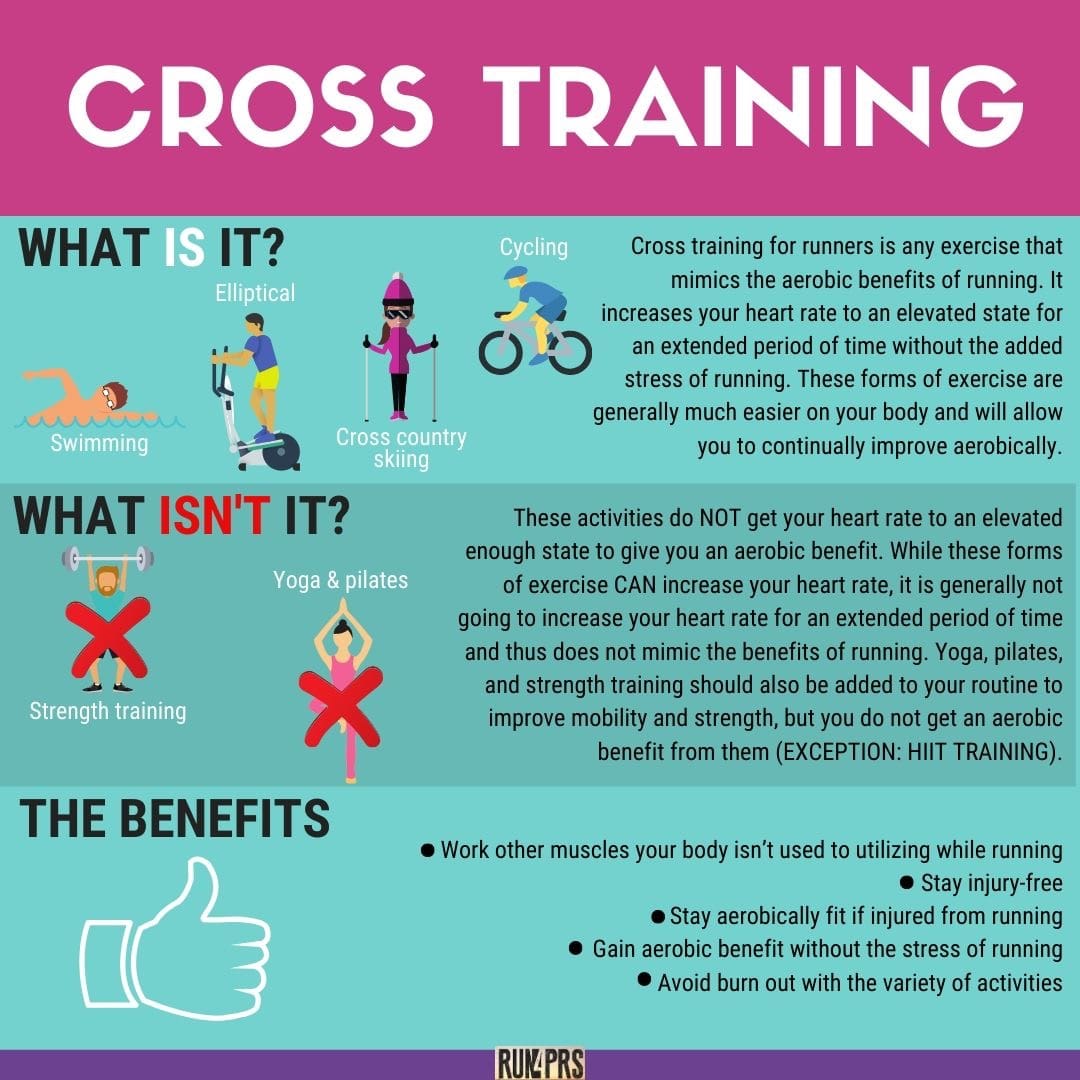
Another effective cross-training method is incorporating flexibility and mobility exercises into your routine. Stretching exercises, yoga, or Pilates can help improve your flexibility, range of motion, and joint mobility. These exercises also help improve your posture and balance, which are essential for overall fitness. By including flexibility and mobility exercises in your cross-training routine, you can enhance your performance in other activities and reduce the risk of injuries.
Subheading 1.3
Cross-training can also involve challenging your body with different types of workouts. High-intensity interval training (HIIT) is an excellent example of this. HIIT involves short bursts of intense exercises followed by short recovery periods. This training method not only improves cardiovascular fitness but also helps burn calories and increase metabolism. Additionally, incorporating activities such as dance, martial arts, or sports can add variety to your fitness routine and make it more enjoyable.
Heading 2
Subheading 2.1
Circuit training is a highly effective cross-training method. It involves performing a series of exercises targeting different muscle groups with little to no rest in between. This method improves cardiovascular fitness, builds muscle endurance and strength, and can be modified to suit different fitness levels. Circuit training can be done using bodyweight exercises, resistance bands, or gym equipment.
Subheading 2.2
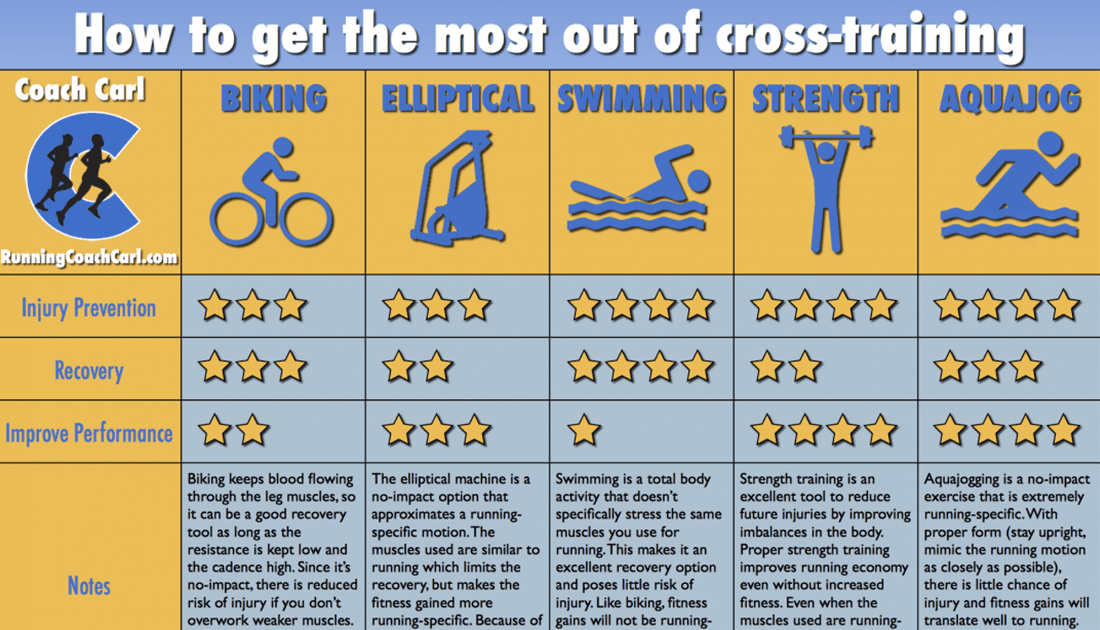
Cross-training can also involve integrating low-impact activities into your routine. Activities such as swimming, cycling, or using an elliptical machine are suitable alternatives for people with joint issues or those looking for low-impact exercises. These activities provide a cardiovascular workout without putting excessive stress on your joints. Adding low-impact exercises to your cross-training routine can help prevent overuse injuries and provide a great option for active recovery days.
Subheading 2.3
Including functional training in your cross-training routine can improve your everyday movements and overall fitness. Functional training focuses on exercises that mimic movements performed in daily life, such as lifting, pushing, and twisting. These exercises engage multiple muscle groups and improve coordination, balance, and core stability. Functional training can be done using equipment like kettlebells, medicine balls, or just your bodyweight.

Heading 3
Subheading 3.1
Cross-training can also involve outdoor activities that provide a full-body workout while enjoying the beauty of nature. Hiking, trail running, or mountain biking are excellent examples of cross-training activities that engage your muscles, cardiovascular system, and also provide mental relaxation. Spending time outdoors and combining it with physical exercise can have numerous benefits for your overall health and well-being.
Subheading 3.2
Group fitness classes are another excellent way to cross-train and improve your overall fitness. Classes such as Zumba, CrossFit, or Bootcamp offer a combination of cardiovascular exercises, strength training, and flexibility work in a supportive and motivating environment. Participating in group fitness classes can provide you with new challenges, help you stay motivated, and allow you to interact with like-minded individuals who share similar fitness goals.
Subheading 3.3
Cross-training can also include activities that focus on mental and emotional well-being. Mind-body exercises such as yoga, tai chi, or meditation not only enhance flexibility and relaxation but also promote stress reduction and improve mental clarity. These activities help balance the physical demands of other forms of training and contribute to your overall well-being.
Heading 4
Subheading 4.1
It is important to remember that when incorporating cross-training into your fitness routine, it is essential to listen to your body and avoid overtraining. Always start with a gradual increase in intensity and duration and allow for proper rest and recovery. Cross-training should complement your primary activity or sport while providing variety and reducing the risk of injuries.
Subheading 4.2
Setting specific cross-training goals can also help you stay motivated and track your progress. Whether you aim to improve your endurance, increase strength, or incorporate more flexibility, having clear goals can keep you focused and determined. Additionally, periodically reassessing your goals and adjusting your cross-training routine can prevent plateaus and ensure continued progress.
Subheading 4.3
To make the most out of cross-training, it is crucial to maintain consistency and discipline. Incorporating cross-training into your routine on a regular basis will help you reap the full benefits of improved overall fitness, enhanced performance, and reduced risk of injuries. Remember to schedule your workouts in advance, find activities that you enjoy, and surround yourself with a supportive community or trainer who can guide and motivate you along the way.
Heading 5
Subheading 5.1
Remember, cross-training is a journey, not a destination. Embrace the variety and enjoy the process of trying new activities and challenging yourself in different ways. By incorporating effective cross-training methods into your fitness routine, you can achieve a well-rounded and balanced approach to fitness that will enhance your overall health and well-being.
Subheading 5.2
Keep in mind that everyone’s fitness journey is unique, and what works for one person may not work for another. Explore different cross-training methods, experiment with various activities, and find what suits you best. The key is to stay consistent, have fun, and listen to your body.
Subheading 5.3
In conclusion, effective cross-training methods encompass a wide range of activities that target different aspects of overall fitness. By combining cardiovascular exercises, strength training, flexibility work, and functional training, you can create a comprehensive cross-training routine. Additionally, incorporating low-impact activities, outdoor adventures, group fitness classes, and mind-body exercises can add variety and enjoyment to your fitness journey. Remember to set goals, stay disciplined, and listen to your body to ensure a safe and effective cross-training experience. Enjoy the process and reap the benefits of improved fitness, enhanced performance, and a healthier lifestyle. Happy cross-training!