
Are you tired of feeling overwhelmed by anxiety and depression? Look no further – this article is here to help. In the next few minutes, we will explore some practical and effective strategies for managing anxiety and depression, offering you the tools you need to regain control of your mental well-being. Whether you are looking for simple yet powerful techniques or seeking professional advice, this article has got you covered. Let’s dive in and discover the key strategies for managing anxiety and depression that can bring you peace of mind and a brighter outlook on life.
Cognitive Behavioral Therapy (CBT)
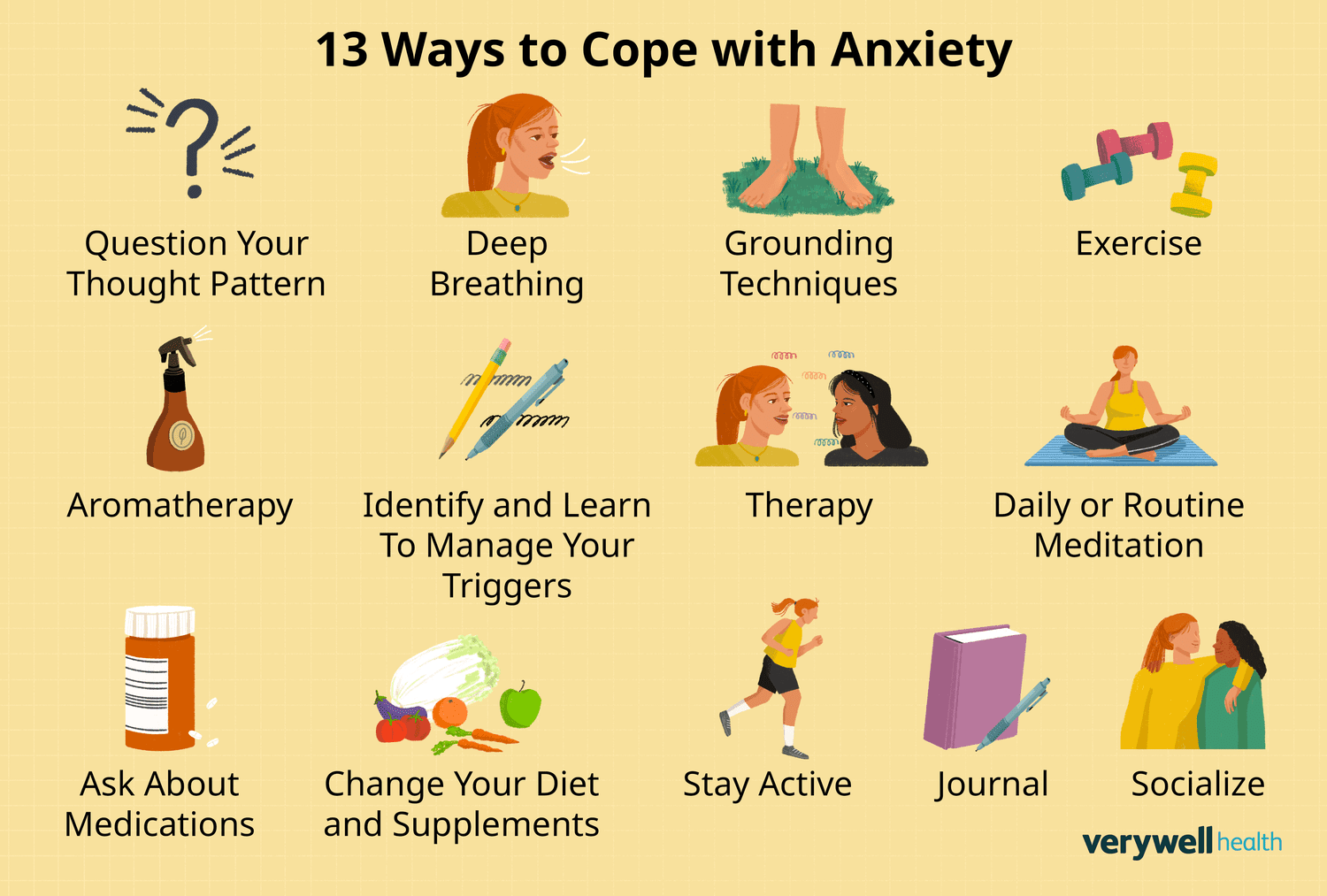
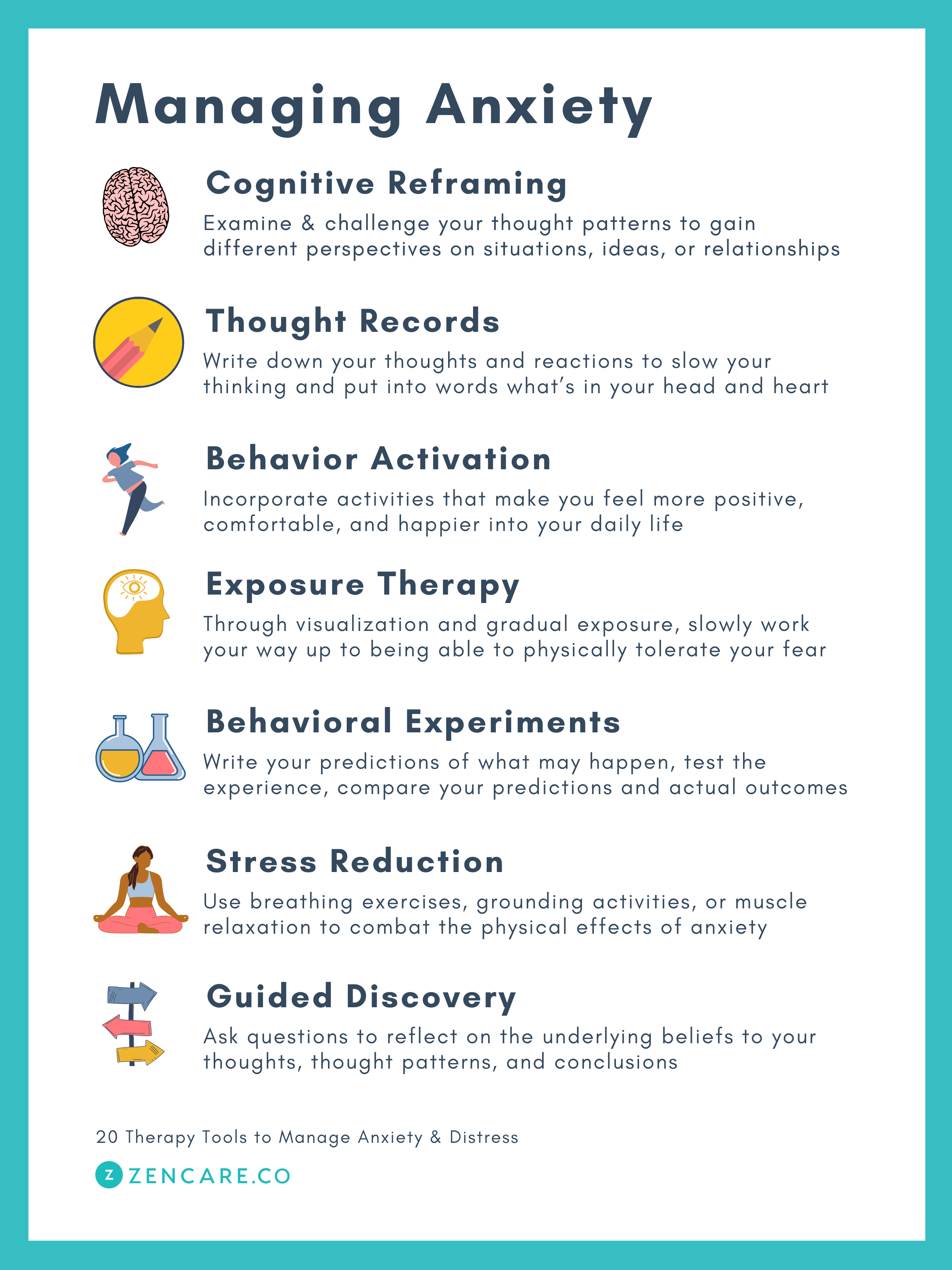
Cognitive Behavioral Therapy (CBT) is a widely-used approach to treating anxiety and depression. It focuses on identifying and challenging negative thoughts that contribute to these conditions. In CBT, you’ll work with a therapist who will help you recognize and modify the patterns of thinking that contribute to anxiety and depressive symptoms. By examining the evidence for and against these negative thoughts, you can develop a more balanced and realistic perspective. This process can help you feel more in control of your thoughts and emotions, leading to a reduction in anxiety and depression symptoms.
Identifying and Challenging Negative Thoughts
A fundamental aspect of CBT is learning to identify and challenge negative thoughts. When faced with situations that trigger anxiety or depression, you may find yourself automatically jumping to negative conclusions or making overly pessimistic predictions. These thought patterns can worsen your symptoms and make it difficult to break free from the cycle of anxiety and depression. Through CBT, you’ll learn techniques to identify these negative thoughts and question their accuracy. By challenging and replacing them with more positive and realistic thoughts, you can begin to shift your mindset and reduce anxiety and depression.
Developing Coping Mechanisms and Problem-Solving Skills
Another key aspect of CBT is developing coping mechanisms and problem-solving skills. This involves exploring effective strategies for managing stress, anxiety, and depression. Your therapist will work with you to identify specific triggers and situations that contribute to your symptoms. Together, you’ll develop practical and adaptive ways to cope with these challenges. This may include developing relaxation techniques, learning stress-management strategies, and practicing problem-solving skills. Through regular CBT sessions, you’ll gain valuable tools to navigate difficult situations and minimize the impact of anxiety and depression.
Understanding and Reshaping Core Beliefs
CBT also delves into the underlying core beliefs that contribute to anxiety and depression. These beliefs are often deeply rooted and can significantly impact how you perceive yourself, others, and the world around you. By exploring and challenging these beliefs, you can begin to reshape them into more positive and empowering ones. This process involves identifying any inaccuracies or irrationalities in your core beliefs and replacing them with healthier alternatives. With time and practice, you can develop new, more adaptive ways of thinking that support your overall well-being.
Mindfulness and Meditation
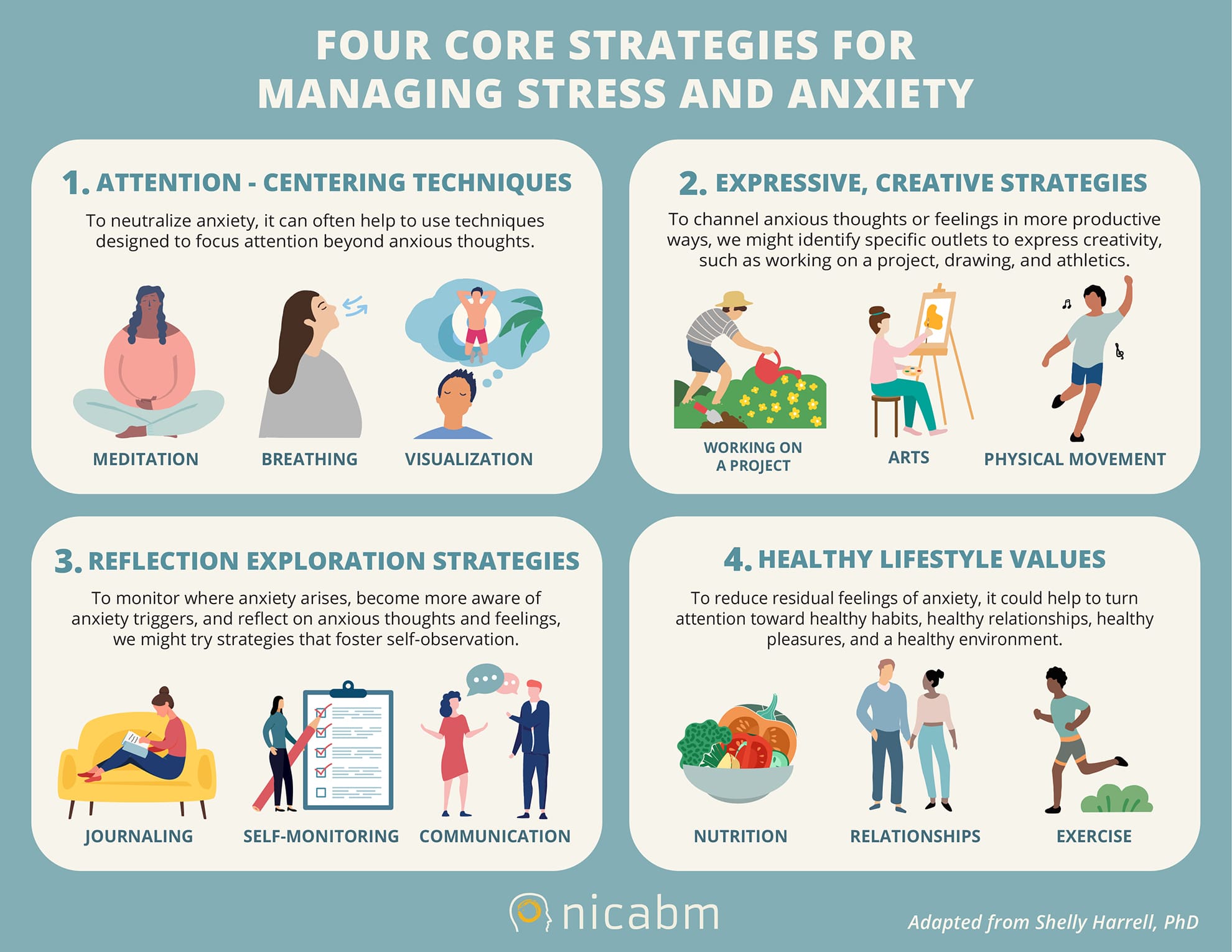
Mindfulness and meditation practices can be highly effective in managing anxiety and depression. These techniques encourage you to focus on the present moment and cultivate a non-judgmental awareness of your thoughts, feelings, and surroundings. By practicing deep breathing and relaxation techniques, you can activate your body’s relaxation response, which counteracts the physiological manifestations of anxiety and depression. Engaging in mindfulness-based activities such as walking or eating mindfully can also help you develop a greater sense of connection with the present moment, promoting a sense of calm and improving your overall mental well-being.
Practicing Deep Breathing and Relaxation Techniques
Deep breathing exercises and relaxation techniques are powerful tools for managing anxiety and depression. When you’re feeling stressed or overwhelmed, taking slow, deep breaths can help activate your body’s relaxation response. By focusing on your breath and consciously slowing it down, you can signal to your body that it’s safe to relax. Progressive muscle relaxation, where you systematically tense and relax each muscle group in your body, can also help release tension and promote relaxation. These techniques can be practiced anywhere, at any time, making them convenient and accessible tools for managing anxiety and depression.
Engaging in Mindfulness-Based Activities
Mindfulness-based activities involve bringing your full attention to the present moment without judgment. Simple activities like eating a meal, going for a walk, or even washing the dishes can become opportunities for mindfulness. By intentionally observing the sights, sounds, and sensations of the present moment, you can cultivate a sense of mindfulness and promote a state of relaxation. Engaging in these activities regularly can help you become more aware of your thoughts and emotions, allowing you to respond to them in a more balanced and compassionate way, rather than getting caught up in anxious or depressive thinking patterns.
Attending Meditation Classes or Using Guided Meditation Apps
If you’re interested in further exploring mindfulness and meditation, attending meditation classes or using guided meditation apps can provide valuable guidance and support. Meditation classes offer a structured environment where you can learn different meditation techniques and receive guidance from experienced instructors. They also provide an opportunity to connect with a community of individuals who share similar goals and experiences. Alternatively, guided meditation apps can be easily accessed from the comfort of your own home. These apps offer a variety of guided meditations for different purposes, such as reducing anxiety or promoting sleep. By incorporating regular meditation practice into your routine, you can experience the numerous benefits for managing anxiety and depression.
Regular Exercise
Regular exercise is a powerful tool for managing anxiety and depression. Engaging in aerobic exercises like jogging, swimming, or cycling can release endorphins, which are natural mood-lifters. These exercises also stimulate the release of neurotransmitters like serotonin and dopamine, which play a crucial role in regulating mood. Additionally, exercise provides a distraction from anxious or depressive thoughts and offers a sense of achievement and empowerment. Exploring calming exercises like yoga or tai chi can further enhance the benefits of exercise by combining physical movement with mindfulness and relaxation techniques.
Exploring Calming Exercises like Yoga or Tai Chi
Yoga and tai chi are both gentle forms of exercise that focus on the integration of movement and breath. These practices promote flexibility, strength, and balance, while also cultivating a sense of mindfulness and calm. Yoga involves a series of poses that can be modified to accommodate different fitness levels, making it accessible to individuals of all abilities. Tai chi consists of slow and deliberate movements that flow together in a sequence. By engaging in these calming exercises regularly, you can create a sense of harmony between your mind and body, reducing anxiety and depression symptoms.
Finding Enjoyable Physical Activities such as Dancing or Hiking
Incorporating physical activities that you genuinely enjoy into your routine can make a significant difference in managing anxiety and depression. Finding activities that excite you, such as dancing, hiking, or playing a sport, can provide a sense of pleasure and fulfillment. Engaging in these activities not only promotes physical fitness but also helps to distract your mind from anxious or depressive thoughts. Being in nature while hiking or participating in team sports can also offer social connections and a sense of belonging, further enhancing your overall well-being.
Healthy Lifestyle
Maintaining a healthy lifestyle is crucial for managing anxiety and depression. A balanced diet plays a vital role in supporting your mental health. Including plenty of fruits, vegetables, and whole grains in your diet provides essential nutrients that contribute to optimal brain function. It’s also important to reduce the intake of caffeine, alcohol, and processed foods, as these substances can worsen anxiety and depression symptoms. Additionally, prioritizing regular sleep patterns and ensuring adequate rest is vital for overall well-being. Quality sleep helps regulate mood, improves cognitive function, and provides the energy needed to cope with daily stressors.
Social Support
Building a network of supportive friends and family is an essential aspect of managing anxiety and depression. Surrounding yourself with caring individuals who understand and empathize with your struggles can provide a valuable source of emotional support. Sharing your fears, worries, and successes with others not only reduces feelings of isolation but also helps to normalize your experiences. Joining support groups or therapy sessions specific to anxiety and depression can also connect you with individuals who have similar challenges, creating a safe and non-judgmental space for sharing and learning from one another. If needed, seeking professional help, such as consulting with a therapist or mental health professional, can provide guidance and additional support.
Stress Management
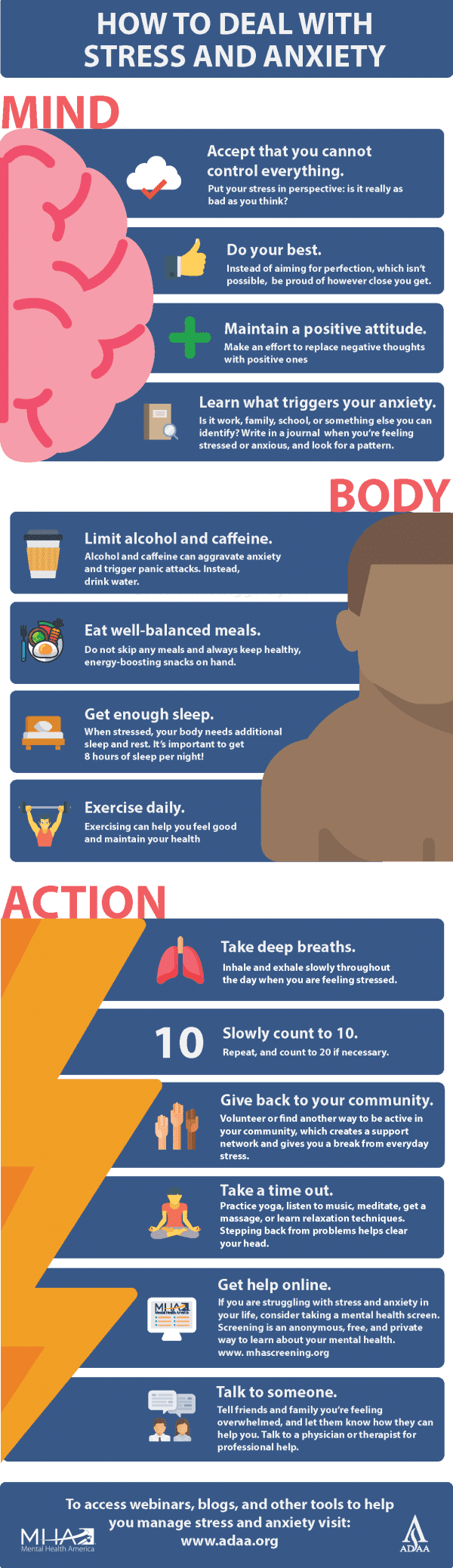
Stress can significantly impact anxiety and depression, making effective stress management techniques essential for overall well-being. Identifying sources of stress in your life and implementing stress-reduction techniques can help reduce the impact of anxiety and depression symptoms. This may involve learning relaxation techniques like deep breathing, engaging in activities that promote relaxation and self-care, and practicing time management and prioritization skills. Setting realistic goals and expectations for yourself can also contribute to stress reduction, as it helps to address feelings of overwhelm and foster a sense of accomplishment.
Identifying Sources of Stress and Implementing Stress-Reduction Techniques
The first step in managing stress is to identify the sources that contribute to it. Reflect on the different areas of your life, such as work, relationships, or finances, and identify any specific situations or triggers that cause stress. Once you’ve identified these sources, you can then implement stress-reduction techniques. This may include engaging in relaxation exercises, such as deep breathing or progressive muscle relaxation, whenever you feel stressed. Practicing mindfulness and engaging in activities that bring you joy and relaxation can also help counteract stress. By addressing stress proactively, you can minimize its impact on anxiety and depression.
Practicing Time Management and Prioritization
Managing your time effectively is crucial for reducing stress and maintaining a sense of balance. Make a list of your daily tasks and responsibilities, and prioritize them based on urgency and importance. This will help you focus on the most critical tasks and alleviate the pressure of trying to do everything at once. Breaking larger tasks into smaller, more manageable steps can also make them feel less overwhelming. Additionally, be mindful of setting realistic expectations for yourself. Avoid overcommitting or taking on more responsibilities than you can handle comfortably, as this can increase stress levels and exacerbate anxiety and depression symptoms.
Setting Realistic Goals and Expectations
Setting realistic goals and expectations is essential for managing anxiety and depression effectively. Unrealistic expectations can contribute to feelings of failure and inadequacy, which can worsen anxiety and depression symptoms. Instead, focus on setting achievable goals that align with your capabilities and current circumstances. Break these goals down into smaller, actionable steps to make them more attainable. Celebrate your progress along the way, and don’t be too hard on yourself if you encounter setbacks. By setting realistic goals and managing your expectations realistically, you’ll promote a sense of accomplishment and foster self-compassion, ultimately reducing anxiety and depression.
Self-Care
Self-care involves engaging in activities that bring joy, relaxation, and a sense of self-nurturing. It’s an essential aspect of managing anxiety and depression because it allows you to prioritize your own well-being and recharge your mental and emotional batteries. Engage in activities that you find pleasurable, such as hobbies, physical exercise, or spending time with loved ones. Create a self-care routine that includes regular moments of pampering, relaxation, and self-reflection. Establishing boundaries to protect your mental health and learning to say no when necessary are also important aspects of self-care. By prioritizing self-care, you’ll enhance your resilience, reduce stress, and improve your overall mental well-being.
Engaging in Activities that Bring Joy and Relaxation
Finding joy and relaxation in your daily life is crucial for managing anxiety and depression. Engage in activities that bring you genuine happiness, whether it’s pursuing a hobby, indulging in a creative outlet, or spending time with loved ones. These moments of joy can serve as a respite from anxious or depressive thoughts and provide a much-needed boost to your mood. Additionally, engaging in relaxation activities, such as taking a warm bath, practicing mindfulness, or spending time in nature, can help calm your mind and promote a sense of tranquility. Prioritize these activities and make them a regular part of your routine.
Creating a Self-Care Routine Including Hobbies, Pampering, and Self-Reflection
Developing a self-care routine can be a powerful tool for managing anxiety and depression. Consider incorporating activities that promote physical, mental, and emotional well-being. Engage in hobbies or interests that bring you fulfillment and allow you to express yourself creatively. Take time to pamper yourself with activities like taking a long bath, getting a massage, or enjoying a favorite meal. Self-reflection is another important aspect of self-care. Set aside time to journal your thoughts and feelings, explore your values and goals, and reflect on your progress. By establishing a self-care routine tailored to your needs, you’ll nourish your mind, body, and soul.
Setting Boundaries and Learning to Say No
Learning to set boundaries and say no is crucial for self-care and managing anxiety and depression effectively. It’s easy to become overwhelmed by commitments and demands from others, leading to elevated stress levels and a depletion of energy. Setting clear boundaries allows you to protect your mental health and allocate time and energy to activities that enhance your well-being. Practice assertiveness skills to communicate your needs and limitations effectively. Remember that saying no when necessary is not selfish; it’s an act of self-care and preservation. By setting clear boundaries and learning to say no, you’ll create space for self-care and reduce the risk of burnout.
Distraction Techniques
Distraction techniques can provide temporary relief from anxious or depressive thoughts by redirecting your attention to more positive and engaging activities. Engage in activities that divert your attention, such as listening to or playing music, watching movies, or reading captivating books. These activities can offer an escape and provide a respite from negative thinking patterns. Pursuing hobbies or engaging in creative outlets, such as painting or writing, can also serve as effective distractions. Experiment with different activities to find what works best for you and incorporate them into your daily routine to manage anxiety and depression.
Engaging in Activities that Divert Attention from Anxious or Depressive Thoughts
When anxiety or depression becomes overwhelming, finding activities that distract your mind can provide much-needed relief. Engage in activities that capture your attention and divert it away from anxious or depressive thoughts. Listening to music, whether it’s calming instrumental tracks, uplifting tunes, or your favorite genre, can help shift your focus and uplift your mood. Watching movies or TV shows that bring you joy or make you laugh can also provide a temporary escape from negative thoughts. Reading captivating books or engaging in puzzles or games that require concentration can be highly effective distractions. Experiment with different activities to find what helps you break free from anxious or depressive thought patterns.
Participating in Hobbies or Creative Outlets
Engaging in hobbies or creative outlets is an excellent way to distract your mind while also providing a sense of fulfillment and accomplishment. Pursuing activities you enjoy, whether it’s painting, cooking, gardening, playing an instrument, or any other creative pursuit, can help redirect your focus and provide a positive outlet for self-expression. The process of engaging in these activities can foster a sense of flow, where you are fully absorbed in the present moment and lose track of time. This flow state promotes a sense of well-being and can act as a powerful antidote to anxiety and depression.
Professional Help
If anxiety and depression symptoms persist or significantly impact your daily life, seeking professional help is essential. Consulting with a psychiatrist or psychologist can provide expert guidance and support. These professionals can assess your condition, provide an accurate diagnosis, and recommend appropriate treatment options. In some cases, medication may be recommended to manage symptoms. Medication can help rebalance brain chemistry and provide relief from severe or chronic anxiety and depression. Additionally, participating in therapy sessions or counseling can provide a safe and supportive environment to explore your thoughts and emotions, gain insights, and develop effective coping strategies.
Consulting with a Psychiatrist or Psychologist
Engaging with a psychiatrist or psychologist who specializes in anxiety and depression can provide critical support on your journey to manage these conditions. These professionals are trained to assess and diagnose mental health disorders accurately. They can evaluate the severity and impact of your symptoms and develop an individualized treatment plan tailored to your needs. Through regular sessions, you’ll have the opportunity to discuss your concerns, receive guidance, and learn effective coping strategies. The professional insights and support you receive will empower you to navigate the challenges of anxiety and depression more effectively.
Exploring Medication Options if Deemed Necessary
In some cases, medication may be recommended to manage anxiety and depression. If your symptoms are severe, persistent, or significantly impact your daily functioning, consulting with a psychiatrist can help determine if medication is appropriate. Antidepressant or anti-anxiety medications can rebalance brain chemistry and alleviate symptoms. If medication is prescribed, it’s essential to follow your healthcare professional’s instructions carefully and attend regular follow-up appointments to monitor your progress and make any necessary adjustments. Medication, when combined with therapy and other self-care strategies, can significantly improve your ability to manage anxiety and depression.
Participating in Therapy Sessions or Counseling
Participating in therapy sessions or counseling is an invaluable resource for managing anxiety and depression. Therapy provides a supportive and non-judgmental space to explore your thoughts, emotions, and experiences. There are several types of therapy that may be effective, including Cognitive Behavioral Therapy (CBT), which we discussed earlier, as well as other modalities such as psychodynamic therapy or interpersonal therapy. Through therapy, you’ll gain a deeper understanding of the underlying causes of your anxiety and depression and develop effective coping strategies. Working with a therapist can help you build resilience, improve self-esteem, and enhance your overall well-being.
Journaling and Self-Reflection
Journaling and self-reflection are powerful tools for managing anxiety and depression. Writing down your thoughts and feelings can help you gain insight and perspective. By putting your thoughts on paper, you can create distance from them and examine them more objectively. Regular journaling allows you to track triggers and identify patterns, helping you understand the factors that contribute to your anxiety and depression. Additionally, setting goals and tracking your progress can provide a sense of accomplishment and motivation. Journaling can be done in many different formats, such as free-writing, gratitude journaling, or structured prompts. Find a format that resonates with you and make it a regular practice in managing your mental health.
Writing Down Thoughts and Feelings to Gain Insight and Perspective
Taking the time to write down your thoughts and feelings can be a cathartic process that brings clarity and insight. When journaling, don’t worry about grammar or structure; simply let your thoughts flow onto the pages. This practice creates an opportunity to externalize your inner experiences, making them more tangible and understandable. As you read through your entries, you may start to recognize patterns or triggers that contribute to your anxiety and depression. This self-awareness can empower you to make positive changes and develop effective coping strategies.
Keeping Track of Triggers and Identifying Patterns
Journaling can be a helpful tool for identifying the triggers and patterns that contribute to your anxiety and depression. By documenting your experiences, you’ll be able to recognize specific situations, people, or events that consistently lead to heightened anxiety or depressive symptoms. Keeping track of these triggers provides valuable insight into the factors that contribute to your mental health challenges. This awareness can help you proactively avoid or manage these triggers, reducing the impact they have on your well-being. Regularly reviewing your journal entries can also help you recognize any recurring patterns, allowing you to address them more effectively.
Setting Goals and Tracking Progress
Journaling can be an effective way to set goals and track your progress in managing anxiety and depression. Establishing realistic goals for your mental health, such as developing healthier coping mechanisms or reducing the frequency of anxious thoughts, can provide a sense of direction and purpose. As you work toward these goals, regularly recording your progress in your journal allows you to celebrate achievements and identify areas for improvement. This reflection and self-evaluation can motivate you to continue making positive changes and provide valuable insights into what therapies or coping strategies are most effective for you.
In conclusion, managing anxiety and depression requires a multifaceted approach that addresses both the mind and body. Cognitive Behavioral Therapy (CBT) helps identify and challenge negative thoughts, develop coping skills, and reshape core beliefs. Mindfulness and meditation techniques teach deep breathing, relaxation, and mindfulness-based activities. Regular exercise, a healthy lifestyle, and social support all contribute to reducing anxiety and depression symptoms. Stress management, self-care, distraction techniques, professional help, and journaling/self-reflection offer additional tools for managing these conditions. By implementing these strategies and seeking support when needed, you can take control of your mental health and improve your overall well-being.