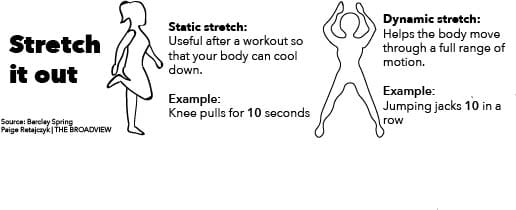
Whether you are an athlete preparing for a high-intensity workout or someone looking to maintain a healthy and active lifestyle, incorporating effective warm-up and cool-down exercises into your routine is essential. These pre and post-workout rituals not only enhance your performance but also help prevent injuries and improve overall flexibility. In this article, you will discover a range of warm-up exercises to prepare your body for action and cool-down exercises to aid recovery and promote relaxation. So let’s dive into the world of effective warm-up and cool-down exercises and unlock the secrets to maximizing your workout potential.
Importance of Warm-Up Exercises
A warm-up is an essential component of any exercise routine or physical activity. It prepares your body for the upcoming workout or activity and helps to enhance performance while reducing the risk of injuries. Warm-up exercises have several benefits that contribute to the overall effectiveness of your workout.
Increases blood flow and oxygen to muscles
When you engage in warm-up exercises, your heart rate and breathing rate increase, causing an increase in blood flow throughout your body. This increased blood flow delivers more oxygen to your muscles, helping them to function optimally during your workout. Increased blood flow also helps to remove waste products from your muscles, improving their efficiency and reducing the likelihood of muscle fatigue.
Raises body temperature
Warm-up exercises raise your body temperature, which is crucial for optimal muscle function. As your body temperature increases, your muscles become more flexible, allowing for a greater range of motion. This increased flexibility can help to prevent muscle strains and other injuries during your workout.
Prepares muscles for activity
One of the primary purposes of a warm-up is to prepare your muscles for the upcoming physical activity. By gradually increasing the intensity of your warm-up exercises, you are gently priming your muscles for the demands of the workout ahead. This preparation ensures that your muscles are ready to perform at their best and reduces the risk of muscle imbalances or overexertion.
Reduces risk of injury
Arguably one of the most important benefits of a warm-up is its ability to reduce the risk of injuries. When you engage in a proper warm-up routine, you are prepping your body for the physical demands of your workout or activity. By increasing blood flow, raising body temperature, and preparing your muscles for the upcoming activity, you can minimize the risk of muscle strains, sprains, and other common workout-related injuries.
Components of an Effective Warm-Up
To ensure an effective warm-up, there are several components that you should incorporate into your routine. Each component serves a unique purpose in readying your body for physical activity and contributes to the overall effectiveness of your warm-up.
Cardiovascular exercises
Cardiovascular exercises are an essential part of any warm-up routine. Engaging in activities that elevate your heart rate, such as brisk walking, light jogging, cycling, or skipping rope, helps to increase blood flow and warm up your muscles.
Dynamic stretching
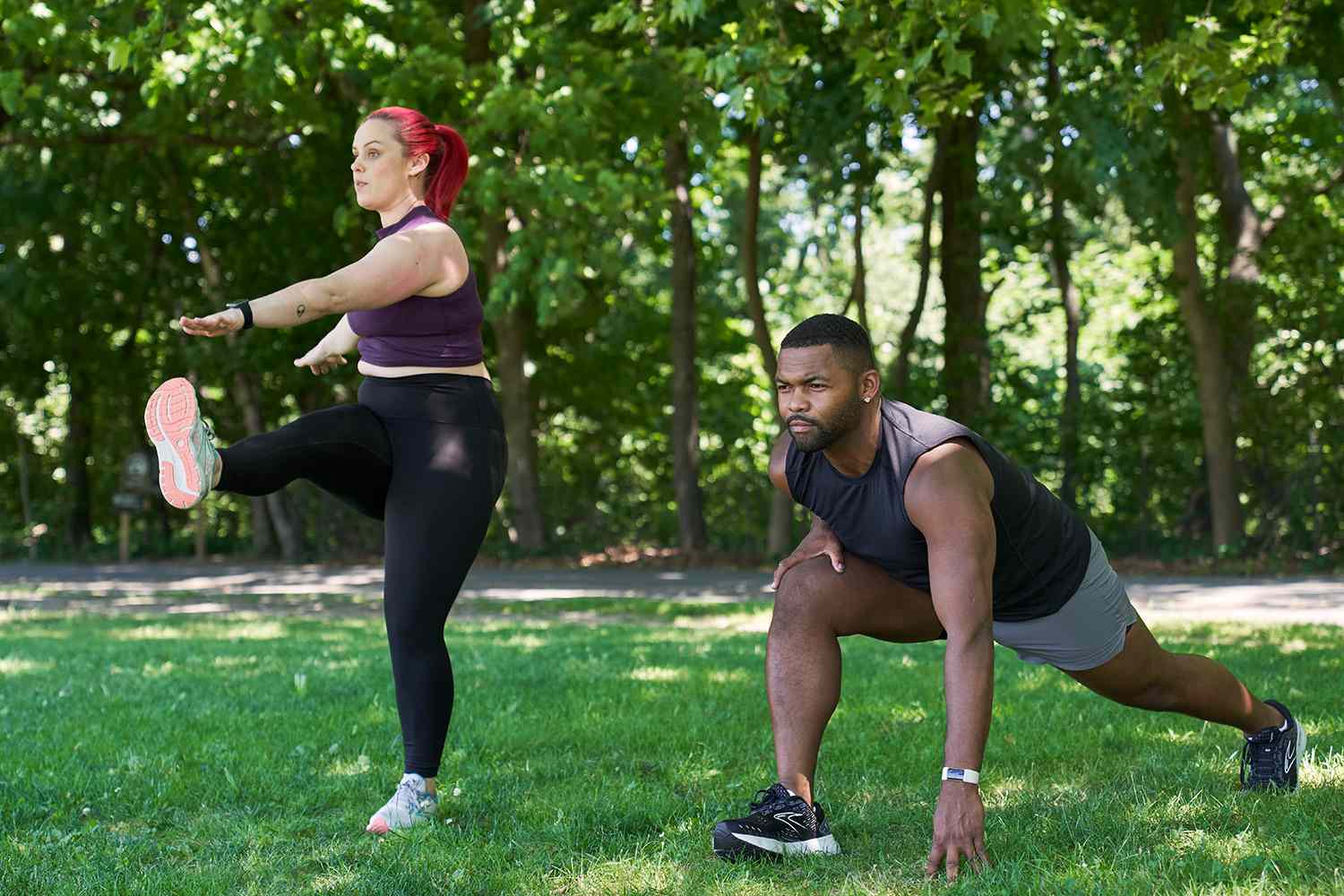
Dynamic stretching involves active movements that gently stretch your muscles and increase your range of motion. This type of stretching should be performed after your cardiovascular warm-up exercises. Examples of dynamic stretching include arm circles and swings, leg swings, walking lunges, and high knees and butt kicks.
Mobility exercises
Mobility exercises focus on improving the flexibility and range of motion of specific joints. Including exercises like hip circles, shoulder rolls, ankle rotations, and wrist and neck stretches in your warm-up routine can help to improve joint mobility and reduce the risk of joint-related injuries.
Specific warm-up exercises for the activity
In addition to the general warm-up components mentioned above, it is crucial to include specific warm-up exercises that mimic the movements of the activity or sport you will be engaging in. For example, if you are going to play basketball, light dribbling and shooting drills can be incorporated into your warm-up. If you are weightlifting, include squats and lunges to prepare your lower body muscles for the workout.

Cardiovascular Warm-Up Exercises
Cardiovascular warm-up exercises form the foundation of an effective warm-up routine. These exercises should be performed for a few minutes to elevate your heart rate and increase blood flow to your muscles. Here are some examples of cardiovascular warm-up exercises:
Brisk walking or light jogging
Whether you are walking briskly or lightly jogging, you are engaging in a cardiovascular activity that helps to gradually increase your heart rate and warm up your muscles.
Jumping jacks or skipping rope
Jumping jacks and skipping rope are both fantastic cardiovascular warm-up exercises that can be done indoors or outdoors. They involve repetitive jumping movements that elevate your heart rate and get your blood flowing.
Cycling or stationary biking
If you have access to a bike or stationary bike, incorporating cycling into your warm-up routine is an excellent low-impact option. Cycling helps to increase blood flow and warm up your lower body muscles without placing excessive stress on your joints.
Jumping rope or stair climbing
Jumping rope is a high-intensity cardiovascular exercise that effectively raises your heart rate and warms up multiple muscle groups. Similarly, climbing stairs helps to engage your lower body muscles while increasing blood flow and preparing you for your workout.
Dynamic Stretching Warm-Up Exercises
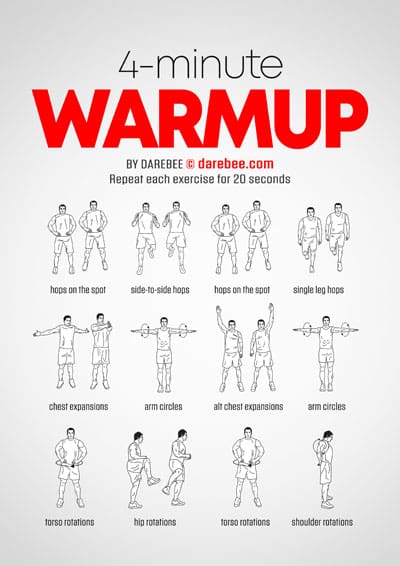
Dynamic stretching involves active movements that gently stretch your muscles and increase their flexibility. This type of stretching should be performed after your cardiovascular warm-up exercises. Here are some dynamic stretching exercises that you can incorporate into your warm-up routine:
Arm circles and swings
Stand with your feet shoulder-width apart and extend your arms out to the sides. Begin making small circles with your arms, gradually increasing the size of the circles. After a few repetitions, reverse the direction of the circles. This exercise helps to warm up and improve the flexibility of your shoulder joints.
Leg swings
Stand beside a wall or a sturdy object and hold onto it for support. Swing one leg forward and backward, gradually increasing the range of motion. Repeat with the other leg. Leg swings help to warm up your hip joints and increase flexibility in your hamstrings and quadriceps.
Walking lunges
Take a step forward with your right foot and lower yourself into a lunge position, making sure your right knee is directly above your ankle. Push off with your right foot and bring your left leg forward into another lunge position. Repeat this movement, alternating legs. Walking lunges warm up your leg muscles and improve hip and knee flexibility.
High knees and butt kicks
Stand with your feet hip-width apart. Lift your right knee as high as you can while hopping on your left foot. Repeat with the left knee and right foot. For butt kicks, stand with your feet hip-width apart and kick your heels towards your glutes while jogging in place. High knees and butt kicks help to warm up your leg muscles and increase flexibility in your hip and knee joints.
Mobility Exercises for Warm-Up
Mobility exercises are crucial for improving joint flexibility and range of motion. Incorporating these exercises into your warm-up routine can help reduce the risk of joint-related injuries. Here are some mobility exercises you can include:
Hip circles
Stand with your feet shoulder-width apart and place your hands on your hips. Make circular movements with your hips, gradually increasing the size of the circles. After a few repetitions, switch directions. Hip circles help to improve the flexibility and mobility of your hip joints.
Shoulder rolls
Stand with your feet shoulder-width apart and relax your arms by your sides. Roll your shoulders forward in a circular motion, gradually increasing the size of the circles. After a few repetitions, reverse the direction of the rolls. Shoulder rolls help to warm up and improve the flexibility of your shoulders.
Ankle rotations
Sit on the edge of a chair or bench and extend one leg forward. Rotate your ankle clockwise for a few repetitions, then switch to counterclockwise rotations. Repeat with the other leg. Ankle rotations help to warm up your ankle joints and improve their mobility.
Wrist and neck stretches
To stretch your wrists, extend one arm forward with your palm facing up. Use your other hand to gently pull your fingers back towards your body until you feel a stretch. Hold for a few seconds, then switch arms. For neck stretches, gently tilt your head to one side, bringing your ear towards your shoulder. Hold for a few seconds, then repeat on the other side. These stretches help to warm up and increase the flexibility of your wrists and neck.
Specific Warm-Up Exercises for Activities
In addition to the general warm-up components, including sport or activity-specific warm-up exercises is essential to prepare your body for the demands of the upcoming activity. Here are some examples of specific warm-up exercises for various activities:
Practice swings for golf
Before teeing off, take some practice swings to warm up your golf swing. Start with smaller swings and gradually increase the range of motion. This helps to activate the relevant muscles and prepare your body for the mechanics of your golf swing.
Arm circles and shoulder stretches for swimming
For swimmers, incorporating arm circles and shoulder stretches into the warm-up routine is crucial. Stand with your feet shoulder-width apart and extend your arms out to the sides. Make small circles with your arms, gradually increasing their size. To stretch your shoulders, reach one arm across your chest and hold it there with your other hand. Repeat on the other side.
Squats and lunges for weightlifting
Weightlifting requires proper activation of the lower body muscles. Performing a set of squats and lunges with bodyweight or light resistance can effectively warm up your leg muscles and prepare them for the upcoming workout.
Light dribbling and shooting for basketball
Basketball warm-up exercises should mimic the movements involved in the game. Start with some light dribbling to warm up your hands and wrists. Then, perform some shooting drills to activate the muscles required for shooting, such as the shoulders, arms, and core.
Proper Duration and Intensity of Warm-Up
To ensure an effective warm-up, it is important to consider the duration and intensity of the exercises. Here are some guidelines to follow:
10-15 minutes duration
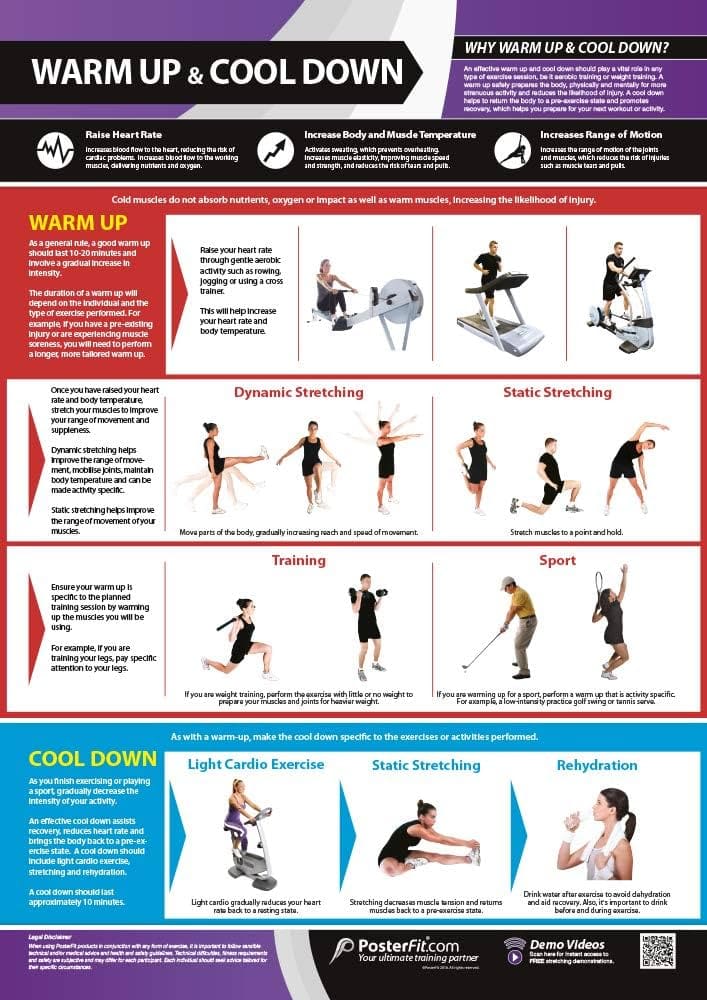
A warm-up should typically last between 10 to 15 minutes. This duration allows enough time to gradually increase your heart rate, raise body temperature, and prepare your muscles for the main activity.
Start with low intensity and gradually increase
Begin your warm-up with low-intensity exercises that gently prepare your body for the upcoming activity. As your body warms up, gradually increase the intensity of the exercises. This warm-up progression helps to gradually activate your muscles and prepare them for the demands of the workout without causing excessive fatigue.
Focus on warming up major muscle groups
During your warm-up, focus on warming up the major muscle groups that will be engaged during the main activity. This ensures that these muscles are adequately prepared for the physical demands and reduces the risk of strains or other injuries.
Match the intensity of warm-up to activity intensity
The intensity of your warm-up should match the intensity of the main activity. If you are going for a high-intensity workout or participating in a strenuous sport, your warm-up should be more intense compared to a lower-intensity activity. This ensures that your body is adequately prepared for the demands of the main activity.
Benefits of Cool-Down Exercises
After completing your workout or physical activity, it is important to include a proper cool-down routine. Cool-down exercises help your body gradually transition from a state of physical exertion to a state of rest. They offer several benefits that contribute to your overall recovery and well-being.
Helps to gradually decrease heart rate
Cool-down exercises allow your heart rate to gradually return to its resting state. By engaging in low-intensity activities, such as gentle cardio exercises or stretching, you are allowing your cardiovascular system to gradually slow down, reducing the stress on your heart.
Prevents blood pooling in muscles
During exercise, blood vessels in your muscles dilate to accommodate the increased blood flow. If you abruptly stop exercising without a proper cool-down, blood can pool in your muscles, leading to dizziness or lightheadedness. Cool-down exercises help to prevent this by keeping blood circulating throughout your body.
Promotes waste product removal
During exercise, your body produces waste products, such as lactic acid, which can contribute to muscle soreness and fatigue. Cool-down exercises help to facilitate the removal of these waste products by promoting blood flow and lymphatic drainage. This can help to reduce post-workout muscle soreness and aid in muscle recovery.
Reduces muscle soreness
Including a cool-down routine in your workout can help to reduce muscle soreness and stiffness. By gently stretching and moving your muscles during the cool-down phase, you are promoting blood flow and triggering the release of endorphins, which act as natural pain relievers.
Components of an Effective Cool-Down
To ensure an effective cool-down, it is important to incorporate specific components into your routine. These components help to promote relaxation, facilitate recovery, and prepare your body for post-activity rest.
Gentle cardiovascular exercise
Include low-intensity cardiovascular exercises, such as walking or slow cycling, in your cool-down routine. These activities help to gradually lower your heart rate and promote a smooth transition from exercise to rest.
Static stretching
Static stretching involves holding a stretch for a prolonged period, typically around 30 seconds, without any movement. Including static stretches for major muscle groups, such as hamstrings, calves, quads, and triceps, can help to improve flexibility and reduce muscle tightness.
Foam rolling or self-massage
Foam rolling or self-massage with a tennis ball or foam roller can assist in releasing muscle tension and reducing muscle soreness. Spend a few minutes targeting areas of tightness or discomfort to help relax your muscles and promote recovery.
Deep breathing and relaxation
After your workout, take a few minutes to engage in deep breathing exercises or relaxation techniques. This can help to calm your mind, reduce stress, and promote a sense of overall well-being.
By incorporating these components into your cool-down routine, you can enhance your recovery and optimize the benefits of your workout.
Static Stretching Cool-Down Exercises
Static stretching is a valuable component of a cool-down routine as it helps to improve flexibility, reduce muscle tension, and promote relaxation. Here are some static stretching exercises that you can include:
Hamstring stretch
Sit on the floor with one leg extended straight in front of you and the other leg bent with the sole of your foot against the inner thigh of the extended leg. Lean forward from your hips and reach towards your toes, feeling the stretch in the back of your extended leg. Hold the stretch for 30 seconds, then switch legs.
Calf stretch
Find a wall or sturdy object to support yourself. Stand facing the wall and place your hands against it at shoulder height. Step one foot back, keeping it straight, and press the heel of that foot into the ground. You should feel a stretch in your calf muscle. Hold the stretch for 30 seconds, then switch legs.
Quad stretch
Stand upright and grab the top of your right foot with your right hand. Gently pull your heel towards your glute, feeling the stretch in the front of your thigh. Hold the stretch for 30 seconds, then repeat on the other side.
Tricep stretch
Reach your right arm overhead and bend it so that your right hand drops behind your neck. Use your left hand to gently pull your right elbow towards the left side of your head until you feel a stretch in your triceps. Hold the stretch for 30 seconds, then switch sides.
Incorporating these static stretches into your cool-down routine can help to promote muscle relaxation, reduce tension, and improve flexibility.
In conclusion, warming up and cooling down properly are essential for optimizing the benefits of your workout and reducing the risk of injuries. A thorough warm-up routine helps to increase blood flow, raise body temperature, prepare muscles for activity, and reduce the risk of injuries. An effective warm-up should include cardiovascular exercises, dynamic stretching, mobility exercises, and specific warm-up exercises for the activity. Similarly, a cool-down routine is important for gradually decreasing heart rate, preventing blood pooling, promoting waste product removal, and reducing muscle soreness. A proper cool-down should include gentle cardiovascular exercise, static stretching, foam rolling or self-massage, and relaxation techniques. By incorporating these warm-up and cool-down components into your exercise routine, you can enhance your performance, minimize the risk of injuries, and promote overall recovery and well-being.