
Welcome to a comprehensive guide on effective ways to prevent and manage cardiovascular health. In today’s fast-paced world, it is more important than ever to take care of your heart and overall well-being. By incorporating healthy habits, such as regular exercise, a balanced diet, stress management, and regular medical check-ups, you can significantly reduce your risk of heart disease and other cardiovascular issues. Let’s explore some simple yet impactful strategies that you can easily incorporate into your daily routine to prioritize your heart health. Have you ever wondered how you can take better care of your cardiovascular health? It’s important to prioritize your heart health in order to live a long and healthy life. In this article, we’ll discuss some effective ways to prevent and manage cardiovascular health. Let’s dive in!

Understanding Cardiovascular Health
Your cardiovascular system, which includes your heart and blood vessels, is essential for delivering oxygen and nutrients to the cells in your body. Taking care of your cardiovascular health is crucial in order to prevent conditions such as heart disease, stroke, and high blood pressure.
Why Cardiovascular Health is Important
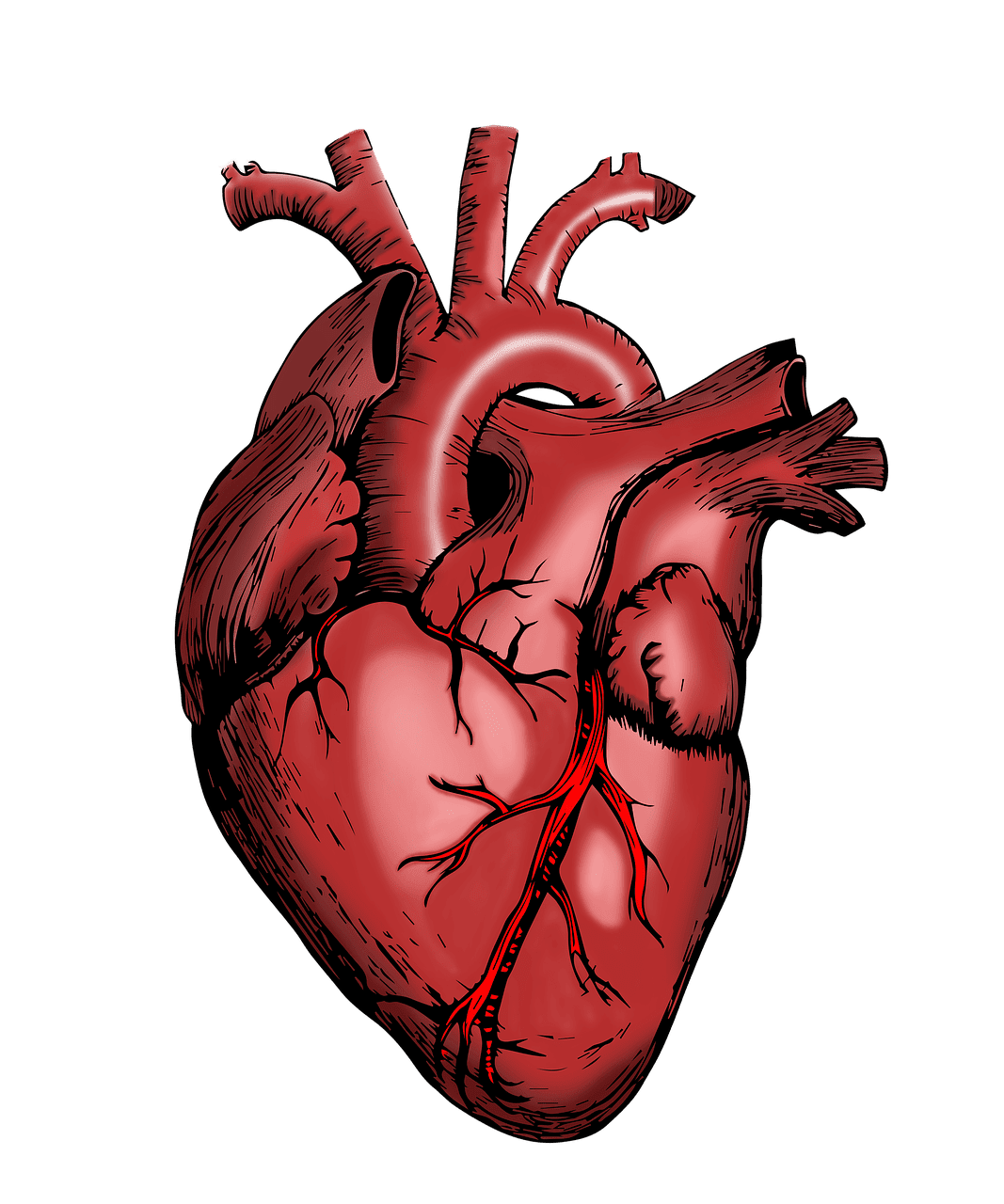
Your heart is one of the hardest working muscles in your body, beating over 100,000 times per day to keep your blood pumping. Taking care of your heart and circulatory system can help you maintain overall health and well-being.
Prevention is Key
Preventing cardiovascular disease is much easier than treating it once it occurs. Making healthy lifestyle choices can significantly reduce your risk of developing heart disease, stroke, and other cardiovascular conditions.
Healthy Eating Habits
Eating a balanced diet rich in fruits, vegetables, whole grains, lean proteins, and healthy fats can help lower your risk of cardiovascular disease. Make sure to limit your intake of processed foods, sugary drinks, and high-fat foods.
Regular Exercise
Physical activity is crucial for maintaining a healthy heart. Aim for at least 150 minutes of moderate-intensity exercise per week, such as brisk walking, swimming, or biking. Exercise not only strengthens your heart muscle but also helps control blood pressure and cholesterol levels.
Maintaining a Healthy Weight
Being overweight or obese can increase your risk of developing cardiovascular disease. Achieving and maintaining a healthy weight through a combination of proper diet and exercise is essential for protecting your heart health.
Quitting Smoking
Smoking is a major risk factor for heart disease and stroke. If you’re a smoker, quitting is one of the best things you can do for your cardiovascular health. Seek support from friends, family, or a healthcare professional to help you kick the habit.
Managing Cardiovascular Health
If you’ve already been diagnosed with a cardiovascular condition, it’s important to work with your healthcare provider to manage your heart health effectively. Here are some strategies for managing cardiovascular health:
Medication Adherence
If your doctor has prescribed medication to manage your cardiovascular condition, it’s crucial to take it as directed. Skipping doses or stopping medication abruptly can be dangerous and may worsen your condition.
Regular Check-Ups
Schedule regular check-ups with your healthcare provider to monitor your heart health. Routine screenings can help detect any changes or complications early on, allowing for prompt treatment.
Blood Pressure Management
High blood pressure is a significant risk factor for heart disease and stroke. Monitoring your blood pressure regularly and following your doctor’s recommendations for managing it can help reduce your risk of cardiovascular complications.
Cholesterol Control
High cholesterol levels can lead to the buildup of plaque in your arteries, increasing your risk of heart disease and stroke. Work with your healthcare provider to manage your cholesterol levels through lifestyle changes and medication if necessary.
Healthy Lifestyle Habits
In addition to the prevention and management strategies mentioned above, adopting healthy lifestyle habits can further support your cardiovascular health.
Stress Management
Chronic stress can take a toll on your heart health. Finding healthy ways to manage stress, such as exercise, meditation, or spending time with loved ones, can help reduce your risk of cardiovascular disease.
Quality Sleep
Getting an adequate amount of quality sleep is essential for heart health. Aim for 7-9 hours of sleep per night to allow your body and mind to recharge and repair.
Limiting Alcohol Intake
Excessive alcohol consumption can contribute to high blood pressure, heart disease, and other cardiovascular conditions. If you choose to drink alcohol, do so in moderation.
Staying Hydrated
Dehydration can strain your heart and lead to serious health issues. Make sure to drink an adequate amount of water throughout the day to keep your body hydrated and functioning properly.

Taking Care of Your Heart
Your heart is the most important muscle in your body, and it’s crucial to take care of it in order to live a long and healthy life. By making simple lifestyle changes and working closely with your healthcare provider, you can prevent and manage cardiovascular health effectively. Remember, your heart health is in your hands!