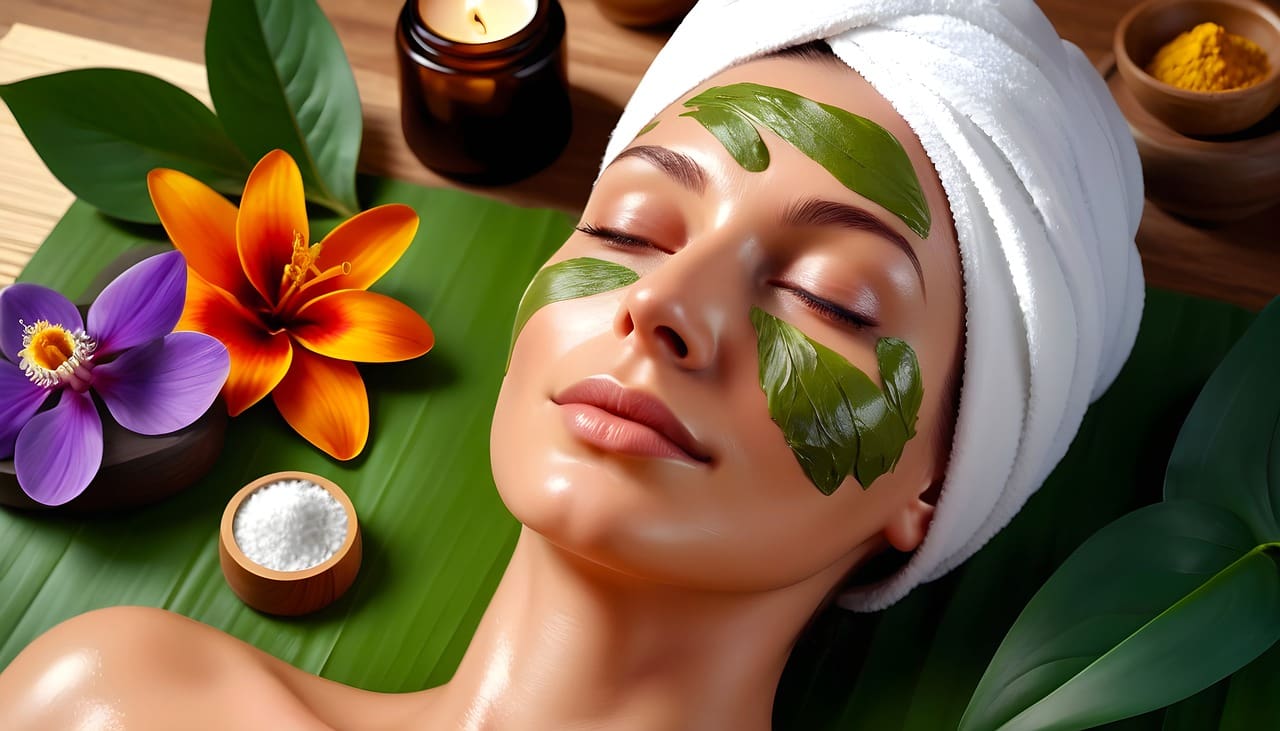
Welcome to a guide on effective ways to prevent and manage skin conditions! Taking care of your skin is important for your overall health and well-being. By following a good skincare routine, staying hydrated, eating a balanced diet, and protecting your skin from the sun, you can keep your skin looking healthy and radiant. In addition, being mindful of any changes in your skin and seeking professional help when needed can help you effectively manage any skin conditions that may arise. Remember, a little effort goes a long way in maintaining healthy skin! Hey there! Have you ever struggled with skin conditions like acne, eczema, or psoriasis? It can be frustrating and sometimes even embarrassing to deal with these issues. But fret not, because there are effective ways to prevent and manage skin conditions that can help you achieve clearer and healthier skin. In this article, we will explore various tips and strategies to help you take better care of your skin.
Understanding Common Skin Conditions
Skin conditions are more common than you think, and many people struggle with them at some point in their lives. It’s important to understand the underlying causes of these conditions in order to effectively prevent and manage them. Here are some of the most common skin conditions:
-
Acne: Acne is a skin condition that occurs when hair follicles become clogged with oil and dead skin cells. It often leads to pimples, blackheads, and whiteheads on the face, chest, and back.
-
Eczema: Eczema, also known as atopic dermatitis, is a chronic inflammatory condition that causes red, itchy patches on the skin. It can be triggered by various factors such as dry skin, irritants, allergens, and stress.
-
Psoriasis: Psoriasis is a skin condition that speeds up the life cycle of skin cells, causing them to build up rapidly on the surface of the skin. This leads to thick, red patches covered with silvery scales, which can be itchy and painful.
Understanding the specific characteristics and triggers of each skin condition is crucial in developing an effective prevention and management plan.
Tips for Preventing Skin Conditions
Prevention is always better than cure when it comes to skin conditions. By taking proactive steps to care for your skin, you can reduce the likelihood of developing common skin issues. Here are some tips to help you prevent skin conditions:
-
Keep your skin clean: Washing your face and body regularly with a gentle cleanser can help remove dirt, oil, and bacteria that can contribute to skin problems.
-
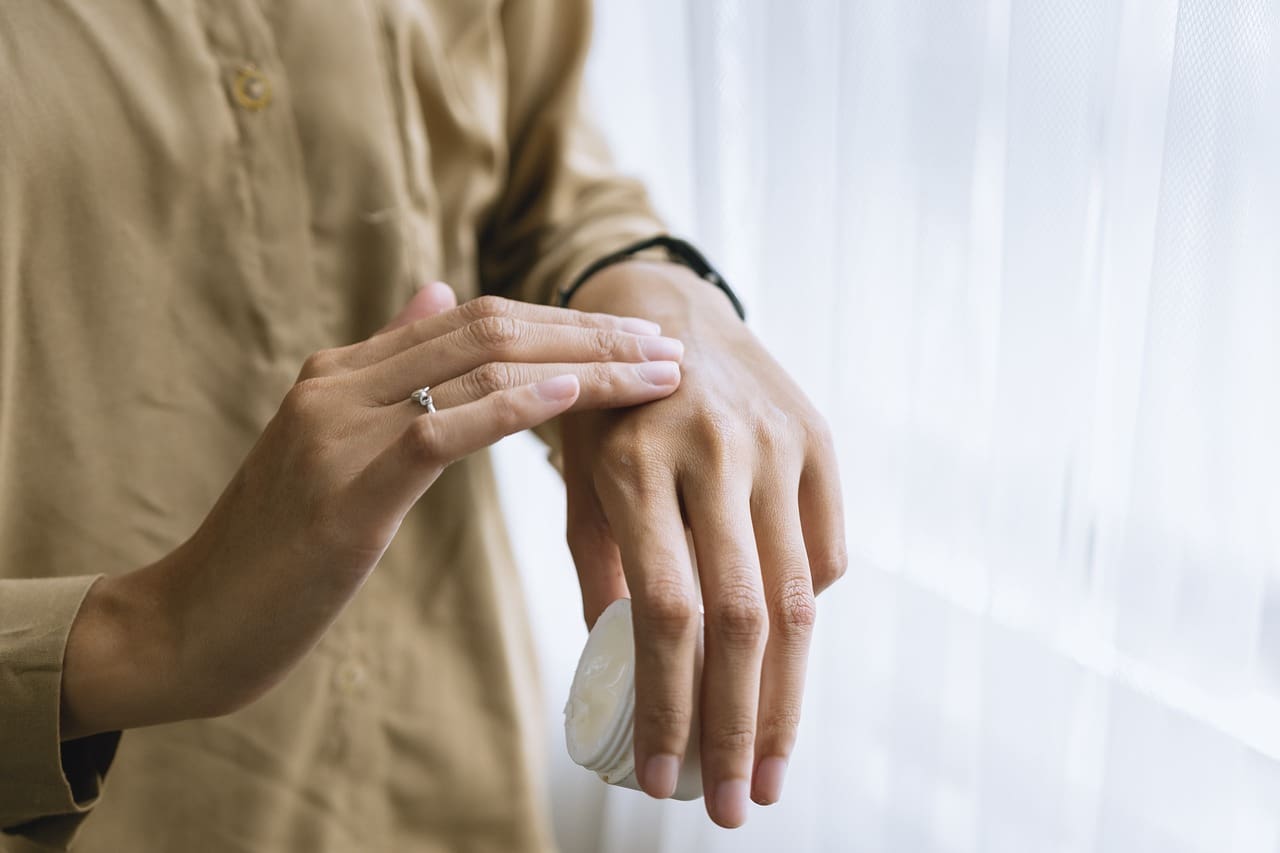
Moisturize regularly: Dry skin is more prone to irritation and inflammation, so it’s important to keep your skin hydrated with a good quality moisturizer.
-
Protect your skin from the sun: UV rays can damage the skin and trigger flare-ups of certain skin conditions like eczema and psoriasis. Make sure to use sunscreen with at least SPF 30 when going outside.
-
Avoid harsh chemicals: Some skincare products contain ingredients that can irritate the skin and worsen existing conditions. Opt for products that are gentle and suitable for sensitive skin.
By incorporating these preventive measures into your daily skincare routine, you can help maintain the health and integrity of your skin.
Strategies for Managing Skin Conditions
If you already have a skin condition, don’t worry – there are effective ways to manage and alleviate your symptoms. From lifestyle changes to medical treatments, there are various strategies that can help you take control of your skin condition. Here are some effective management strategies:
-
Follow a skincare routine: Establishing a consistent skincare routine can help keep your skin clean and healthy. This may involve using specific products tailored to your skin type and condition.
-
Identify triggers: Pay attention to factors that exacerbate your skin condition, such as certain foods, environmental allergens, or stress. Avoiding these triggers can help reduce flare-ups.
-
Seek professional help: If over-the-counter remedies are not providing relief, consider consulting a dermatologist for a personalized treatment plan. They can prescribe medication or recommend procedures that target your specific skin concern.
-
Practice self-care: Managing a skin condition can be stressful, so it’s important to prioritize self-care and relaxation. Activities like meditation, exercise, and quality sleep can help reduce stress levels and improve overall skin health.
Remember that managing a skin condition is a journey, and it may require patience and persistence to find the right approach that works for you. Don’t be afraid to seek support from healthcare professionals and loved ones along the way.
The Role of Diet and Lifestyle in Skin Health
What you eat and how you live can have a significant impact on the health of your skin. Making healthy dietary choices and adopting positive lifestyle habits can help support clearer and more youthful-looking skin. Here are some tips for improving your skin health through diet and lifestyle:
Eat a Balanced Diet
A balanced diet rich in vitamins, minerals, and antioxidants can promote healthy skin from the inside out. Incorporate the following foods into your diet to support skin health:
| Foods | Benefits |
|---|---|
| Fatty fish (salmon, mackerel) | Rich in omega-3 fatty acids, which help reduce inflammation and keep skin moisturized. |
| Fruits and vegetables | Packed with antioxidants that protect the skin from damage and promote collagen production. |
| Nuts and seeds | Provide essential nutrients like vitamin E and zinc, which support skin repair and regeneration. |
| Green tea | Contains catechins that have anti-inflammatory and antioxidant properties beneficial for skin health. |
By incorporating these skin-nourishing foods into your diet, you can support the natural processes that keep your skin looking radiant and healthy.
Stay Hydrated
Drinking an adequate amount of water is essential for maintaining healthy skin hydration and overall well-being. Aim to drink at least 8 glasses of water per day to keep your skin moisturized and supple.
Get Sufficient Sleep
Quality sleep is crucial for skin repair and regeneration. Lack of sleep can disrupt hormone balance and lead to skin issues like acne and premature aging. Aim for 7-9 hours of quality sleep each night to promote optimal skin health.
Manage Stress
Chronic stress can trigger inflammation in the body and exacerbate skin conditions like eczema and psoriasis. Engage in stress-reducing activities like yoga, meditation, or deep breathing exercises to promote relaxation and skin healing.
By prioritizing a nutritious diet, proper hydration, quality sleep, and stress management, you can create a supportive environment for your skin to thrive.

Conclusion
Taking care of your skin is an essential part of maintaining overall health and well-being. By understanding common skin conditions, implementing preventive measures, and adopting healthy lifestyle habits, you can effectively prevent and manage skin issues. Remember to listen to your skin, be patient with yourself, and seek professional guidance when needed. With the right strategies and a positive mindset, you can achieve clearer, healthier, and more radiant skin. Here’s to healthy skin and a happier you!