
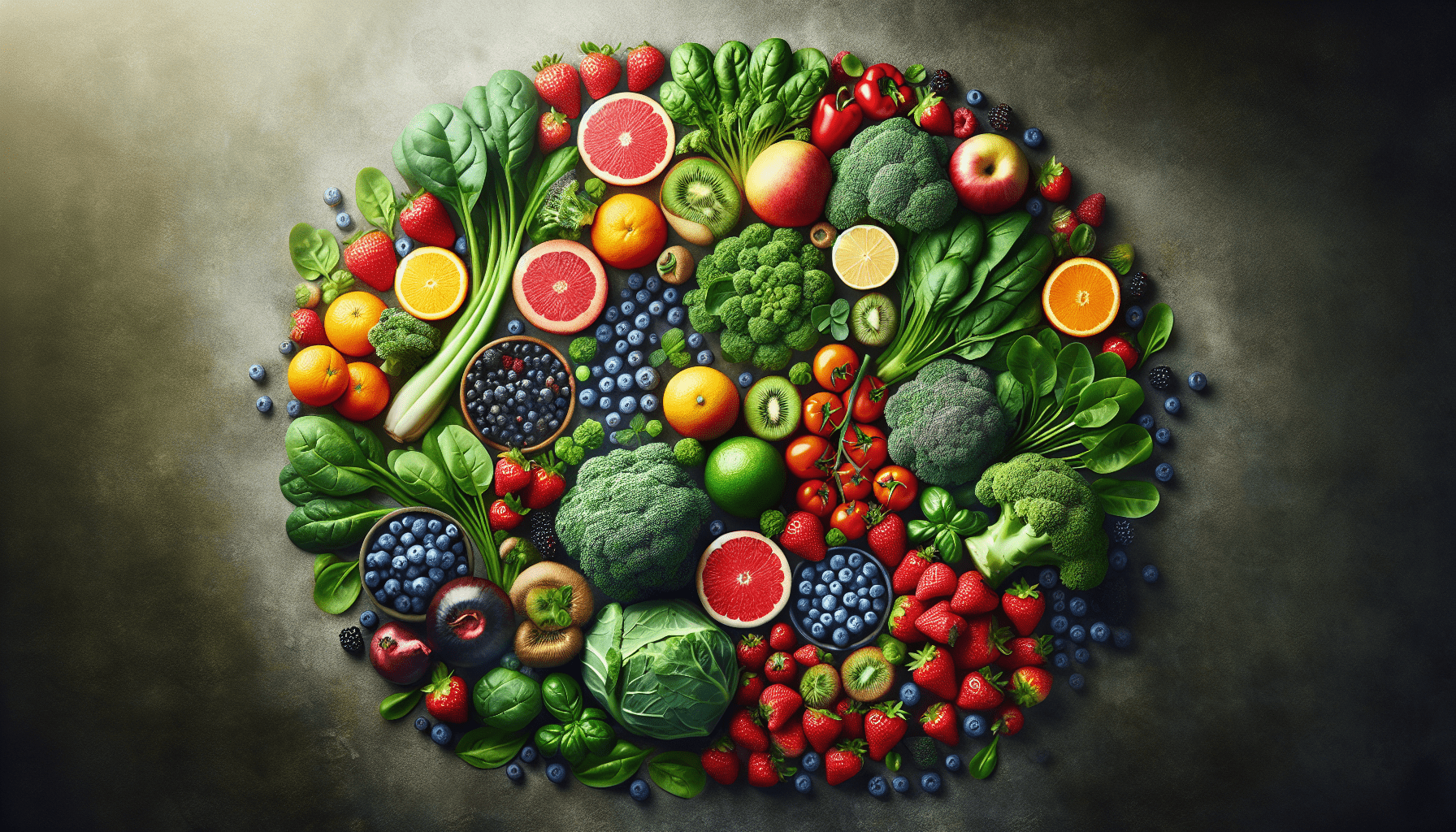
Hey there! Have you ever wondered what exactly your body needs to stay healthy and energized? In this article, we will explore the importance of essential nutrients for a balanced diet. By understanding the key nutrients your body requires, you can make informed decisions about your food choices to support overall well-being and vitality. Let’s dive in and learn about the essential building blocks of a healthy diet! Have you ever wondered what specific nutrients are essential for maintaining a balanced diet? In this article, we will explore the key vitamins, minerals, and other nutrients your body needs to function at its best. From protein to antioxidants, we will cover it all to help you make informed decisions about your daily diet. Let’s dive in!
Macronutrients: The Building Blocks of a Healthy Diet
When it comes to nutrition, macronutrients play a crucial role in providing energy and supporting various bodily functions. There are three primary macronutrients: carbohydrates, proteins, and fats. Carbohydrates are the body’s main source of energy, while proteins are essential for building and repairing tissues. Fats, on the other hand, are vital for hormone production and nutrient absorption.
Understanding the role of each macronutrient in your diet is key to maintaining a healthy balance. By including a variety of foods rich in carbohydrates, proteins, and fats, you can ensure that your body gets the fuel it needs to thrive.
Micronutrients: The Tiny Powerhouses
While macronutrients provide the bulk of your daily caloric intake, micronutrients are equally important for overall health and well-being. Micronutrients include vitamins and minerals that are essential for various bodily functions, such as bone health, immune system support, and energy production.
From vitamin A to zinc, each micronutrient plays a unique role in maintaining optimal health. By incorporating a diverse range of fruits, vegetables, whole grains, and lean proteins into your diet, you can ensure that your body receives the micronutrients it needs to thrive.
Vitamins: The Essential Nutrient Powerhouses
Vitamins are organic compounds that are essential for various physiological functions, such as vision, immune function, and energy production. There are 13 essential vitamins that your body needs to function properly. These vitamins can be divided into two categories: water-soluble vitamins and fat-soluble vitamins.
Water-soluble vitamins, such as vitamin C and the B vitamins, are easily absorbed by the body and are not stored for long periods. These vitamins play a crucial role in energy metabolism, immune function, and collagen production. On the other hand, fat-soluble vitamins, such as vitamins A, D, E, and K, are stored in the body’s fat tissues and liver. These vitamins are essential for vision, bone health, antioxidant protection, and blood clotting.
Including a variety of vitamin-rich foods in your diet, such as fruits, vegetables, whole grains, dairy products, and lean proteins, can help you meet your daily vitamin requirements and maintain optimal health.
Minerals: The Foundation of Nutrient Balance
Minerals are inorganic elements that are essential for various physiological functions, such as bone health, nerve transmission, and fluid balance. There are two categories of minerals: macro-minerals and trace minerals.
Macro-minerals, such as calcium, potassium, magnesium, and sodium, are required in larger amounts by the body. These minerals play a crucial role in bone health, muscle function, and nerve transmission. On the other hand, trace minerals, such as iron, zinc, selenium, and copper, are needed in smaller amounts but are equally important for overall health.
By incorporating mineral-rich foods into your diet, such as dairy products, leafy greens, nuts and seeds, lean meats, and whole grains, you can ensure that your body gets the minerals it needs to function optimally.

Protein: The Building Blocks of Life
Protein is a macronutrient that is essential for building and repairing tissues, supporting immune function, and regulating hormone production. There are 20 amino acids that make up proteins, nine of which are considered essential because the body cannot produce them on its own.
Complete proteins, which contain all nine essential amino acids, can be found in animal products such as meat, poultry, fish, eggs, and dairy. Incomplete proteins, which lack one or more essential amino acids, can be found in plant-based sources such as beans, legumes, nuts, seeds, and grains.
By including a variety of protein-rich foods in your diet, you can ensure that your body gets the amino acids it needs to support muscle growth, tissue repair, and overall health.
Fiber: The Digestive Superstar
Fiber is a type of carbohydrate that is indigestible by the body but essential for digestive health. There are two types of fiber: soluble fiber, which dissolves in water and forms a gel-like substance in the digestive tract, and insoluble fiber, which does not dissolve in water and adds bulk to the stool.
Fiber plays a crucial role in promoting regular bowel movements, supporting gut health, and regulating blood sugar levels. By including fiber-rich foods in your diet, such as fruits, vegetables, whole grains, legumes, and nuts, you can support digestive health and overall well-being.

Antioxidants: The Disease-Fighting Warriors
Antioxidants are compounds that help protect the body from free radicals, unstable molecules that can damage cells and contribute to aging and chronic diseases. There are several types of antioxidants, including vitamins A, C, and E, as well as minerals such as selenium and zinc.
Antioxidants play a crucial role in reducing inflammation, supporting immune function, and protecting against oxidative stress. By including antioxidant-rich foods in your diet, such as berries, citrus fruits, leafy greens, nuts, seeds, and whole grains, you can help protect your cells from damage and reduce your risk of chronic disease.
Summary
Maintaining a balanced diet that includes a variety of essential nutrients is key to supporting overall health and well-being. By understanding the role of macronutrients, micronutrients, and other vital nutrients in your diet, you can make informed choices about the foods you eat to nourish your body and optimize your health. Remember to include a variety of protein sources, fiber-rich foods, vitamins, minerals, and antioxidants in your daily meals to ensure that your body gets the nutrients it needs to function at its best.
Making small changes to your diet, such as incorporating more fruits and vegetables, whole grains, lean proteins, and healthy fats, can have a significant impact on your overall health and well-being. By prioritizing nutrient-dense foods and minimizing processed and sugary foods, you can create a balanced diet that supports your health goals and promotes vitality for years to come. So, what are you waiting for? Start making nutritious choices today!