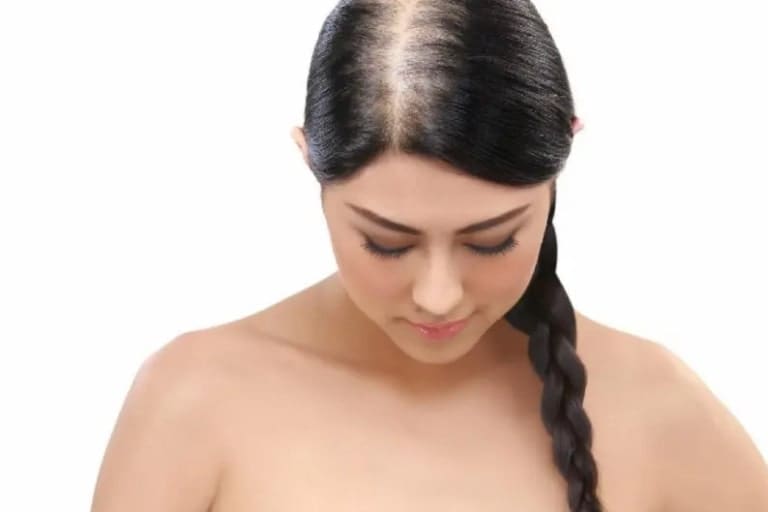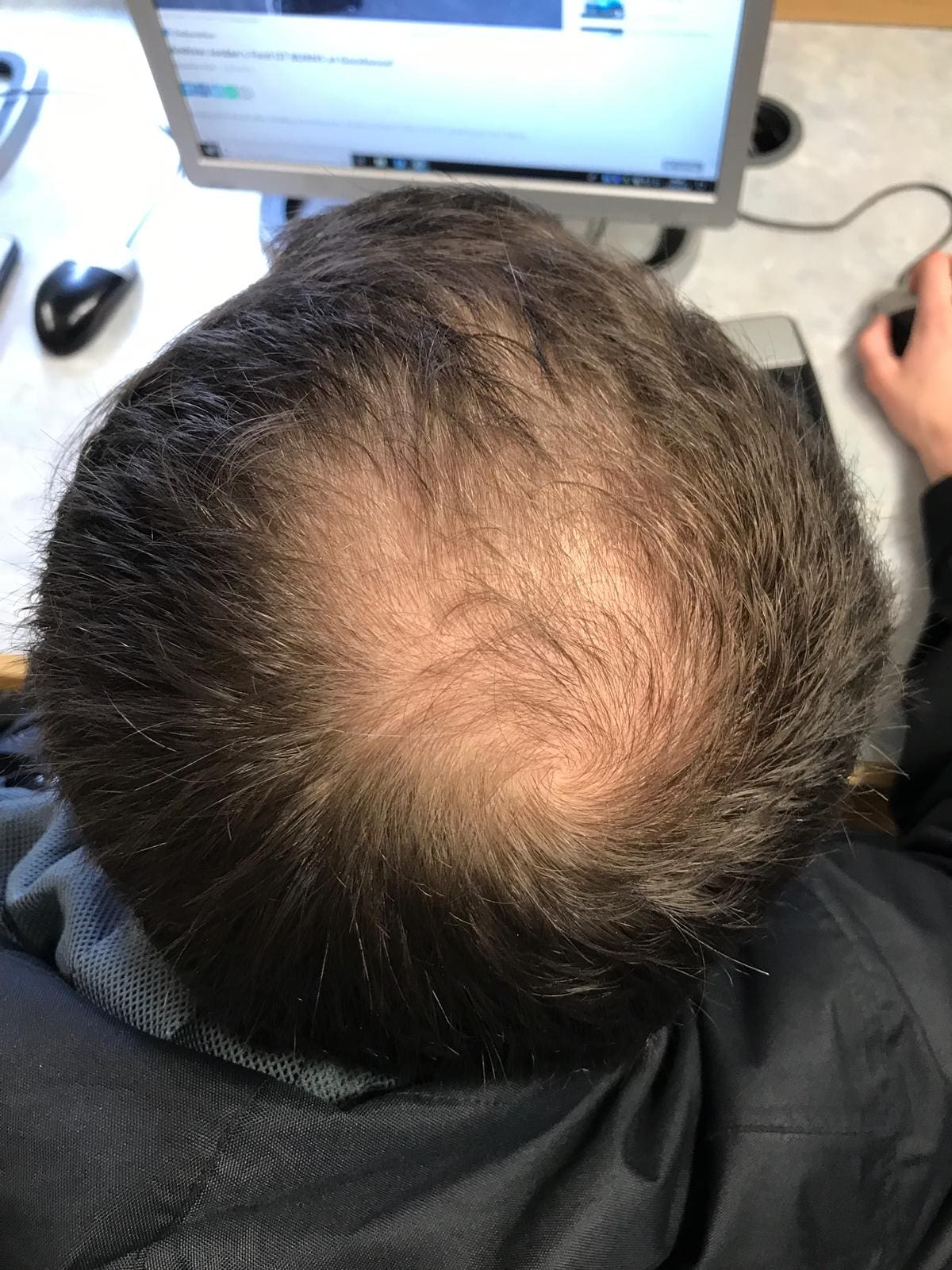
Ladies, we understand that dealing with hair loss can be a frustrating experience. Whether it’s caused by genetics, hormonal changes, or other factors, losing your hair can have a significant impact on your confidence and self-esteem. But fear not, because we’re here to provide you with some essential tips to help you navigate through this journey. From embracing new hairstyles to incorporating nourishing hair care products into your routine, we’ve got you covered. Say goodbye to your worries and hello to a head of beautiful and healthy hair.
Seek Professional Help
Consult a dermatologist
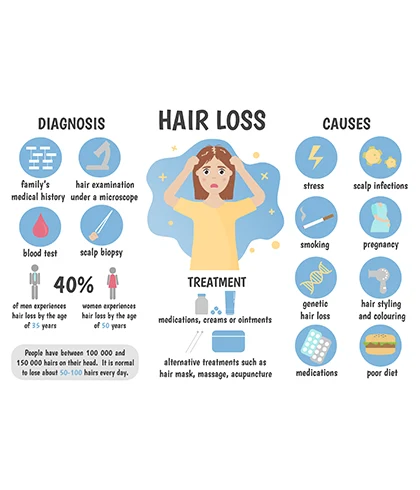
If you’re experiencing hair loss, one of the first steps you should take is to consult a dermatologist. Dermatologists specialize in skin, hair, and nail conditions, and they can provide valuable insight into the cause of your hair loss. They will examine your scalp, perform any necessary tests, and offer expert advice on how to manage and treat your hair loss.
Visit a trichologist
Another professional you may consider visiting is a trichologist. Trichologists are hair and scalp specialists who can provide a comprehensive evaluation of your hair loss. They can assess your hair follicles, scalp health, and overall hair quality to determine the cause and recommend appropriate treatments. Trichologists can also provide personalized advice on how to maintain a healthy scalp and promote hair growth.
Get a diagnosis
To effectively address hair loss, it’s crucial to know the underlying cause. There are various factors that can contribute to hair loss in women, including hormonal imbalances, nutritional deficiencies, and certain medical conditions. By seeking a professional diagnosis, you can identify the root cause and tailor your treatment accordingly. This will ensure that you’re targeting the specific issue and increasing your chances of regaining your hair’s health.
Discuss treatment options
Once you have received a diagnosis, it’s important to have a discussion with your healthcare professional about the available treatment options. The appropriate treatment will depend on the cause and severity of your hair loss. Your healthcare professional may recommend medications, topical treatments, lifestyle changes, or even surgical interventions like hair transplantation. It’s important to have an open and honest conversation with your healthcare professional to determine the best course of action for your unique situation.
Manage Stress
Identify stress triggers
Stress can be a significant factor contributing to hair loss in women. To effectively manage stress, it’s essential to identify the triggers that cause your stress levels to rise. This could be work-related pressures, personal relationships, or even lifestyle factors. By recognizing and understanding these triggers, you can start to implement strategies to reduce stress and minimize its impact on your hair health.
Practice relaxation techniques
Implementing relaxation techniques into your daily routine can significantly reduce stress levels and promote overall well-being. Techniques such as deep breathing exercises, meditation, yoga, or engaging in hobbies you enjoy can help alleviate stress. By incorporating these practices into your life, you not only benefit your mental and emotional well-being but also positively impact your hair health.
Engage in regular exercise
Regular exercise not only improves your physical health but also plays a vital role in managing stress. Engaging in physical activities like walking, jogging, or participating in fitness classes releases endorphins, which are known as “feel-good” hormones. These endorphins help relieve stress and improve your mood, ultimately benefiting your hair health. Aim for at least 30 minutes of exercise most days of the week to maintain a healthy mind and body.
Prioritize self-care
In the midst of dealing with hair loss, it’s crucial to prioritize self-care. Take time for yourself, engage in activities that bring you joy, and practice self-compassion. Whether it’s indulging in a relaxing bath, spending time with loved ones, or pampering yourself with a new hairstyle or beauty treatment, self-care is essential for your overall well-being. By prioritizing yourself, you can better manage stress and contribute to healthier hair.
Adopt a Healthy Lifestyle
Maintain a balanced diet
A healthy diet is crucial for maintaining strong and vibrant hair. Make sure your diet includes a variety of nutrient-rich foods, such as fruits, vegetables, lean proteins, whole grains, and healthy fats. These foods provide essential vitamins, minerals, and antioxidants that nourish your hair follicles and promote hair growth. Ensure you’re consuming adequate amounts of vitamins A, C, D, E, and B-complex vitamins, as well as minerals like iron, zinc, and biotin.
Ensure adequate vitamin and nutrient intake
Certain vitamins and nutrients play a key role in maintaining healthy hair. If you’re experiencing hair loss, it’s important to make sure you’re getting enough of these essential nutrients. Consider incorporating supplements into your routine, but consult with a healthcare professional before adding any new supplements to your regimen. They can recommend the appropriate dosage and advise on the best options for your specific needs.
Avoid excessive heat styling and chemical treatments
Excessive heat styling and chemical treatments can weaken and damage your hair, leading to hair loss. Reduce the frequency of using heat-styling tools like flat irons and curling irons, and opt for gentle heat settings when you do use them. Similarly, limit the use of harsh chemical treatments like perms, relaxers, and coloring. Whenever possible, embrace your natural hair texture and minimize the use of damaging styling methods.
Protect hair from sun damage
Just like your skin, your hair can also suffer from sun damage. When you’re exposed to the sun’s harmful UV rays for prolonged periods, your hair can become dry, brittle, and prone to breakage. Protect your hair by wearing a hat or using a scarf when spending extended time outdoors. You can also consider using hair products infused with UV protectant ingredients to shield your strands from the sun’s damaging effects.
Use Gentle Hair Care Products
Choose sulfate-free shampoos and conditioners
Harsh sulfates commonly found in many commercial shampoos can strip your hair of its natural oils and cause excessive dryness. Opt for sulfate-free shampoos and conditioners that are gentle on your hair and scalp. These products cleanse and condition without causing further damage, ensuring your hair remains healthy and hydrated.
Use a wide-toothed comb or soft brush
To prevent unnecessary hair breakage, use gentle hair tools such as wide-toothed combs or soft brushes, especially when your hair is wet. These tools minimize tangling and reduce the risk of pulling out or damaging your hair. Start combing or brushing from the ends and gradually work your way up, being extra careful around any areas of thinning or hair loss.
Avoid harsh hair accessories
Certain hair accessories can cause friction and damage your hair. Avoid using accessories like tight elastic bands, metal hair clips, or hair ties with rough edges. Opt for accessories made of softer materials like satin or fabric and choose hair ties that offer gentle hold without pulling or tangling your hair.
Pat hair dry instead of rubbing
When drying your hair, avoid vigorous rubbing with a towel, as this can lead to breakage and damage. Instead, gently pat your hair with a soft towel or an old, clean t-shirt to absorb excess moisture. Allow your hair to air-dry as often as possible to minimize heat damage from blow dryers.
Consider Hair Growth Supplements
Consult a healthcare professional
If you’re considering hair growth supplements, it’s essential to consult a healthcare professional. They can evaluate your overall health and determine if supplements are a suitable option for you. Some supplements, like biotin, have shown potential in promoting hair growth, but it’s important to follow the recommended dosage and understand that results may vary.
Look for supplements containing biotin, vitamins, and minerals
When choosing hair growth supplements, look for those that contain key ingredients like biotin, vitamins (such as vitamin A, C, D, and E), and minerals (such as iron and zinc). These nutrients can support healthy hair growth and improve your overall hair health. Select reputable brands and read product reviews to ensure you’re choosing a reliable and effective supplement.
Follow recommended dosage
It’s important to follow the recommended dosage for hair growth supplements. Taking excessive amounts of certain vitamins or minerals can be harmful to your health. Always consult with a healthcare professional before adding any supplements to your daily routine to ensure they are safe and appropriate for your specific needs.
Be patient, as results take time
Hair growth supplements typically require consistent and long-term use before significant results are seen. It’s important to have realistic expectations and be patient with the process. Hair growth is a slow and gradual process, so give the supplements time to work. In the meantime, continue practicing other healthy hair care habits to support the overall health of your hair.
Explore Topical Treatments
Discuss options like minoxidil with a doctor
Topical treatments like minoxidil may be recommended by your healthcare professional to promote hair growth. Minoxidil is an FDA-approved medication that can be applied directly to the scalp. It stimulates hair follicles and prolongs the growth phase of the hair cycle. Discuss with your doctor if this treatment option is suitable for your condition and inquire about any potential side effects.
Follow instructions for application
Proper application of topical treatments is crucial for their effectiveness. Read and follow the instructions provided by your healthcare professional or found on the product packaging. Apply the treatment directly to the scalp as directed and massage it in gently. Consistency and adherence to the recommended application schedule are key for optimal results.
Monitor any side effects
While topical treatments can be effective, they may also have potential side effects. Pay close attention to any changes or reactions you may experience after starting a topical treatment. These may include scalp irritation, redness, or increased shedding. If you notice any concerning side effects, consult your healthcare professional for further guidance.
Give treatments time to work
It’s important to have realistic expectations when using topical treatments. Hair growth is a slow process, and it may take several months of consistent use before you notice significant results. Be patient and continue using the treatment as directed. Regularly assess your progress with your healthcare professional and make any necessary adjustments to your treatment plan.
Try Natural Remedies
Consider options like rosemary oil, onion juice, and aloe vera
Natural remedies have been used for centuries to promote hair growth and improve hair health. Some popular options include rosemary oil, onion juice, and aloe vera. Rosemary oil has been shown to stimulate hair growth, onion juice contains sulfur compounds that can improve blood circulation in the scalp, and aloe vera has soothing properties that can help maintain a healthy scalp.
Do a patch test before using
Before incorporating any natural remedies into your hair care routine, it’s important to do a patch test to check for any adverse reactions. Apply a small amount of the remedy to a discreet area of your scalp or skin and monitor for any redness, itching, or irritation. If you experience any negative reactions, discontinue use immediately and consult a healthcare professional.
Be consistent with application
Consistency is key when using natural remedies for hair growth. Apply the remedy as directed, whether it’s massaging rosemary oil into the scalp or applying onion juice to the hair roots. Consistent application ensures that the beneficial properties of the remedy have the best chance to work their magic.
Understand that effectiveness may vary
Natural remedies may work differently for each person, and effectiveness may vary. What works for one individual may not work for another. It’s important to have realistic expectations and be patient when using natural remedies. They may take time to produce noticeable results, and it’s possible that you may need to try different remedies before finding the one that works best for you.
Consider Hair Transplantation
Consult a hair transplant specialist
Hair transplantation is a surgical procedure that involves transferring hair follicles from one part of the body to the balding or thinning areas. If you’re considering hair transplantation as a treatment option, it’s crucial to consult a hair transplant specialist. They can assess your hair loss condition, discuss the procedure in detail, and provide guidance on whether you’re a suitable candidate for transplantation.
Understand the procedure
Before committing to hair transplantation, it’s important to fully understand the procedure. Hair transplantation involves extracting healthy hair follicles from a donor area and implanting them into the recipient area. The procedure can be performed using different techniques, such as follicular unit extraction (FUE) or follicular unit transplantation (FUT). Consult with your hair transplant specialist to grasp the details of the procedure, including the recovery process and potential risks.
Evaluate costs and potential risks
Hair transplantation is an investment, both in terms of cost and potential risks. Consider the financial implications and evaluate whether hair transplantation is feasible for you. Additionally, discuss the potential risks and complications associated with the procedure with your hair transplant specialist. Understanding the costs and risks involved will help you make an informed decision about whether hair transplantation is the right choice for you.
Discuss realistic expectations
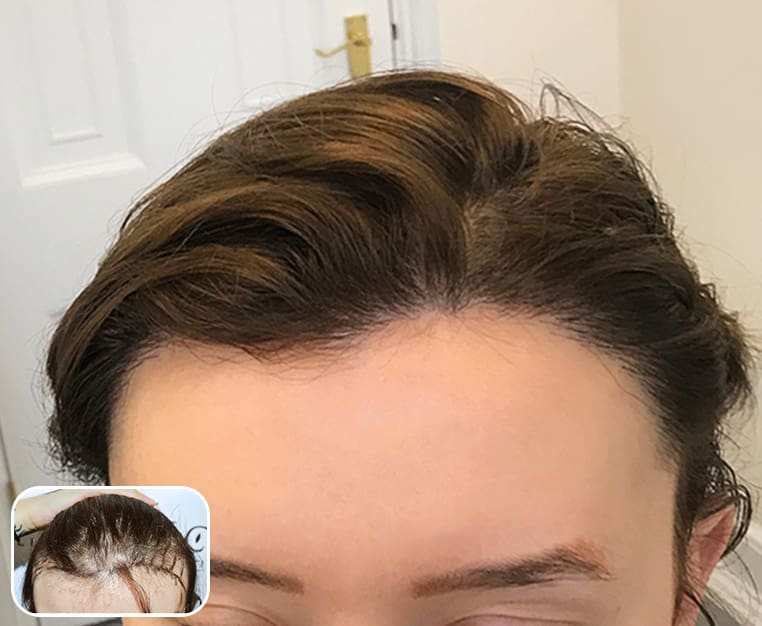
When considering hair transplantation, it’s crucial to have realistic expectations. Hair transplantation can enhance the appearance of your hair, but it may not fully restore the thickness and density you had before experiencing hair loss. A hair transplant specialist can provide guidance on what you can realistically expect from the procedure based on your unique situation, ensuring you have realistic expectations.
Seek Emotional Support
Talk to friends and family
Dealing with hair loss can be emotionally challenging, and having a support system in place can make a significant difference. Reach out to friends and family members who can provide understanding and encouragement during your hair loss journey. Share your concerns and feelings with them, as their support can help alleviate the emotional burden you may be experiencing.
Join a support group
Connecting with others who are going through similar experiences can be incredibly beneficial. Consider joining a support group for individuals dealing with hair loss or specific hair loss conditions. These groups provide a safe space to share your thoughts, ask questions, and gain support from others who can relate to your experiences. Support groups can provide valuable insights, resources, and tips for coping with hair loss.
Consider counseling or therapy
If you find that hair loss is significantly impacting your emotional well-being, seeking professional counseling or therapy can be helpful. A mental health professional can provide guidance and support as you navigate the emotional challenges associated with hair loss. They can help you develop coping strategies, improve self-esteem, and work towards acceptance and self-confidence.
Focus on self-acceptance and self-confidence
Remember that hair loss does not define your worth as an individual. Focus on developing self-acceptance and self-confidence regardless of your external appearance. Cultivate self-esteem through positive self-talk, embracing other aspects of your physical appearance and personality, and engaging in activities that make you feel good about yourself. By nurturing a positive self-image, you can face hair loss with strength and resilience.
Experiment with Hairstyles and Accessories
Try different haircuts
Experimenting with different haircuts can be a fun and empowering way to embrace your hair loss and find a style that suits you. Shorter haircuts can create the illusion of thickness and volume, while layered cuts can add texture and movement. Consult with a professional hairstylist who specializes in hair loss to explore different haircut options that enhance your natural features and make you feel confident.
Use hair extensions or wigs
If you’re looking for a temporary solution to enhance the appearance of your hair, consider using hair extensions or wigs. Hair extensions can add volume and length, while wigs provide the opportunity to completely transform your hairstyle. Choose high-quality extensions or wigs that match your natural hair color and texture for a seamless blend.
Explore scarves, hats, and headbands
Scarves, hats, and headbands can be stylish accessories that not only add flair to your outfits but also help conceal hair loss. Play around with different styles and colors to find options that suit your personal taste and enhance your overall appearance. These accessories can be a fantastic way to express your individual style while navigating hair loss.
Find styles that make you feel confident
Ultimately, the key is to find hairstyles and accessories that make you feel confident and comfortable. Experiment with different options, seek advice from professionals, and trust your instincts. The more confident you feel about your appearance, the more empowered you’ll be to embrace and navigate your hair loss journey.
Dealing with female hair loss can be challenging, but there are many strategies and treatments available to help you manage and overcome it. By seeking professional help, managing stress, adopting a healthy lifestyle, using gentle hair care products, considering supplements and topical treatments, exploring natural remedies, and seeking emotional support, you can take steps towards promoting hair growth and regaining your confidence. Remember, you are not alone, and there are resources and people who can support you through this journey.