
In today’s fast-paced and demanding world, it’s essential for men to cultivate emotional resilience. Life can throw curveballs at us when we least expect it, and being able to adapt and bounce back emotionally is vital. This article will provide you with some practical tips to help strengthen your emotional resilience, enabling you to navigate life’s ups and downs with grace and ease. So, let’s dive in and discover how you can unlock your inner strength and build a strong foundation for emotional well-being.

Self-awareness
Recognize and acknowledge emotions
Self-awareness is the foundation of emotional resilience. It involves understanding and acknowledging your own emotions. By recognizing and accepting what you are feeling, you can better navigate through challenging situations. Take the time to identify and name your emotions, whether it’s happiness, sadness, anger, or frustration. Acknowledging these emotions is a crucial step towards building emotional resilience.
Identify triggers and patterns
To enhance your self-awareness, it’s important to identify the triggers that may cause certain emotions to arise. Triggers can be certain situations, people, or even specific thoughts that elicit strong emotional reactions. By understanding your triggers, you can develop strategies to manage your emotional responses when faced with them. Additionally, recognizing patterns in your emotional reactions can help you anticipate and prepare for future challenges.
Reflect on personal values and beliefs
Your personal values and beliefs play a significant role in shaping your emotions and how you respond to them. Take some time to reflect on what truly matters to you and what you believe in. By aligning your actions and choices with your values and beliefs, you can experience a greater sense of authenticity and emotional well-being.
Practice mindfulness and self-reflection
Mindfulness and self-reflection are powerful practices that can enhance self-awareness. Mindfulness involves being fully present in the moment and observing your thoughts, feelings, and bodily sensations without judgment. Regular practice of mindfulness can help you become more aware of your emotions and improve your ability to regulate them. Self-reflection, on the other hand, involves taking the time to reflect on your thoughts, actions, and experiences. It allows for deeper insights into yourself and promotes personal growth and emotional resilience.
Emotional Intelligence
Develop empathy and understanding
Emotional Intelligence is the ability to understand and manage emotions, both in yourself and others. Developing empathy is a key aspect of emotional intelligence. Empathy is the ability to put yourself in someone else’s shoes, to understand and share their emotions. By cultivating empathy, you can build stronger connections with others and respond to their emotions in a compassionate and supportive way.
Improve emotional regulation
Emotional regulation refers to the ability to manage and control your emotions effectively. Developing this skill allows you to respond to challenging situations in a calm and constructive manner. Techniques such as deep breathing, meditation, or engaging in physical exercise can help regulate your emotions. It’s important to find strategies that work best for you and practice them regularly.
Enhance social skills
Strong social skills are vital for building and maintaining positive relationships. Effective communication, active listening, and conflict resolution are some of the key social skills that contribute to emotional resilience. By honing your social skills, you can navigate through different social situations with confidence, empathy, and understanding.
Practice active listening
Active listening is a fundamental skill for building emotional resilience. It involves fully focusing on and understanding what another person is saying, without interrupting or judging. By practicing active listening, you can strengthen your relationships, improve understanding, and foster a supportive environment where emotions can be openly expressed and processed.
Healthy Coping Mechanisms
Engage in regular physical exercise
Regular physical exercise not only benefits your physical health but also has a significant impact on your mental and emotional well-being. Exercise releases endorphins, which are natural mood boosters, and reduces the levels of stress hormones in your body. Engaging in physical activities that you enjoy, whether it’s running, swimming, or yoga, can help relieve stress, improve your mood, and enhance your overall emotional resilience.
Find creative outlets for self-expression
Engaging in creative activities provides a healthy outlet for self-expression. Whether it’s writing, painting, playing a musical instrument, or any other form of art, these activities allow you to channel your emotions in a constructive way. Creativity can help you process and cope with difficult emotions, leaving you feeling more grounded and resilient.
Seek support from friends and loved ones
Building a strong support system of friends and loved ones is crucial for emotional resilience. Surrounding yourself with people who offer understanding, support, and encouragement can provide a sense of security and belonging. Reach out to your friends and loved ones when you’re feeling overwhelmed or in need of a listening ear. Sharing your emotions with trusted individuals can help alleviate stress and provide valuable perspectives.
Participate in hobbies and interests
Engaging in hobbies and interests that bring you joy and fulfillment is an essential part of self-care and emotional resilience. Dedicate time to activities that you genuinely enjoy, whether it’s reading, gardening, playing sports, or anything else that helps you relax and recharge. These activities provide a sense of purpose, increase your overall well-being, and serve as a valuable distraction from daily stressors.
Practice relaxation techniques like deep breathing and meditation
Relaxation techniques such as deep breathing, meditation, and mindfulness exercises can help calm your mind and alleviate stress. Deep breathing involves taking slow, deep breaths to activate your body’s relaxation response. Meditation cultivates a state of focused attention and awareness. Regular practice of these relaxation techniques can reduce anxiety, improve focus, and enhance emotional resilience.
Building Positive Relationships
Communicate openly and honestly
Open and honest communication is the foundation of any healthy relationship. Expressing your thoughts, feelings, and needs openly and respectfully allows for deeper understanding and connection. Effective communication can help build trust, resolve conflicts, and foster a supportive environment where emotions can be openly addressed.
Express emotions appropriately
Emotional resilience involves being able to express your emotions in a healthy and constructive way. It’s important to find appropriate channels for expressing your emotions, whether it’s through journaling, talking to a trusted friend, or seeking professional help if needed. By expressing your emotions appropriately, you can prevent them from becoming overwhelming or negatively impacting your relationships.
Develop trust and intimacy
Building trust and creating intimate connections with others is a vital aspect of emotional resilience. Trust is the foundation of strong relationships and allows for open and honest communication. Nurturing intimacy involves being vulnerable, sharing your feelings and experiences, and listening empathetically to others. By cultivating trust and intimacy, you can foster supportive relationships that contribute to your emotional well-being.
Set healthy boundaries
Setting healthy boundaries is essential for maintaining your emotional well-being and protecting yourself from unhealthy dynamics. Boundaries define what is acceptable and what is not in your relationships. They help protect your emotional energy and prevent you from being overwhelmed or taken advantage of. Communicate your boundaries clearly and assertively to ensure your emotional needs are met and respected.
Seek professional help when needed
Sometimes, seeking professional help is necessary to support your emotional resilience. Therapists or counselors can provide valuable guidance, support, and tools to help you navigate through challenging emotions and situations. Support groups or workshops can also offer a sense of community and understanding. Investing in your personal development through professional help is a proactive step towards building lasting emotional resilience.
Stress Management
Recognize signs of stress
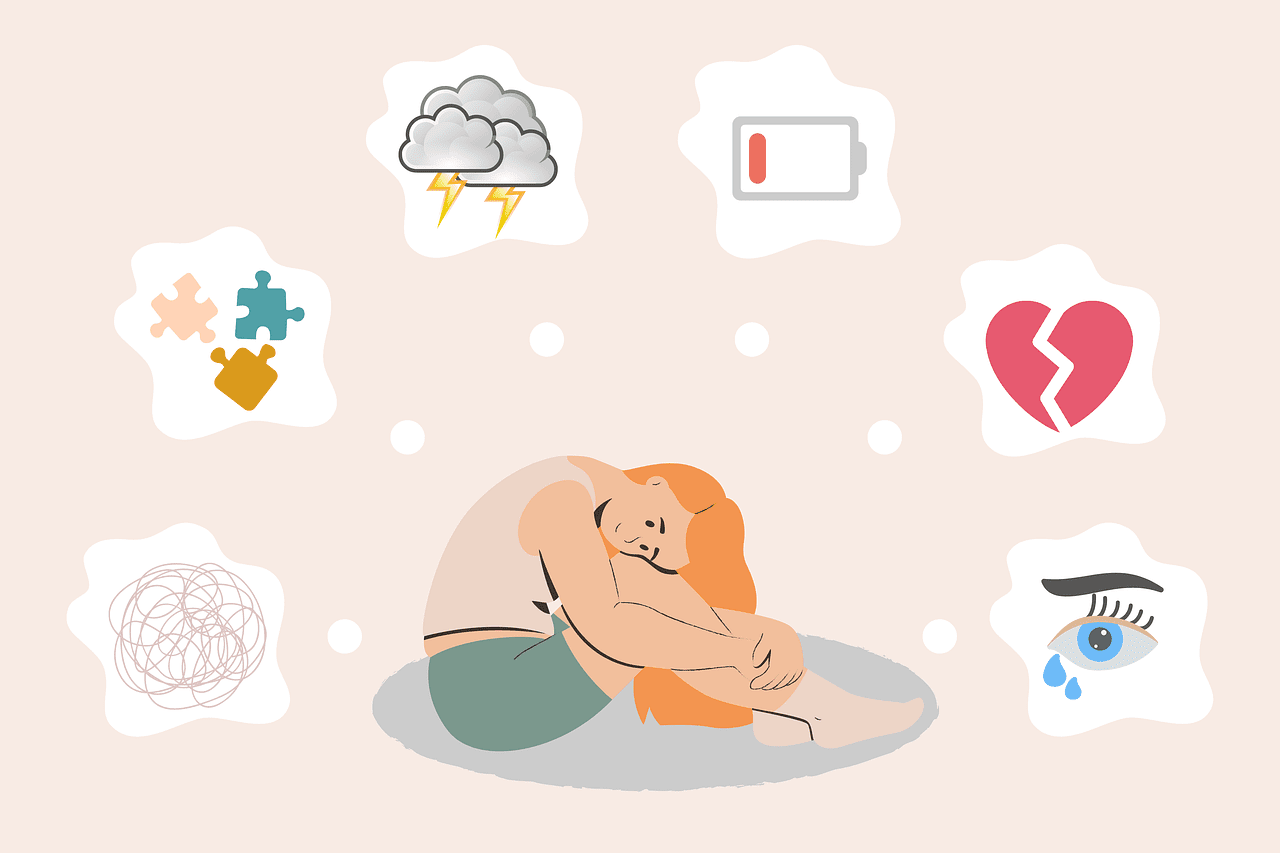
Stress is a common experience in today’s fast-paced world. Recognizing the signs of stress is essential for managing it effectively. Signs of stress can manifest in physical, emotional, and behavioral symptoms. Common signs include increased irritability, fatigue, changes in appetite, difficulty concentrating, and sleep disturbances. By paying attention to these signs, you can take proactive steps to manage and reduce your stress levels.
Implement stress-reducing techniques
When managing stress, it’s important to have a variety of stress-reducing techniques at your disposal. These techniques can help you effectively manage and reduce stress when it arises. Some effective stress reduction strategies include deep breathing exercises, practicing mindfulness or meditation, engaging in physical exercise, or engaging in activities that promote relaxation, such as taking a bath or listening to calming music. Experiment with different techniques to find the ones that work best for you.
Prioritize self-care
Self-care is essential for maintaining and enhancing emotional resilience. Make time for activities that promote your physical, mental, and emotional well-being. This can include getting enough sleep, eating a balanced diet, practicing good hygiene, and engaging in activities that bring you joy and relaxation. Prioritizing self-care ensures that you have the necessary resources to cope with stress and challenges.
Manage time effectively
Time management is an important skill for reducing stress and maintaining emotional resilience. Prioritize your tasks and responsibilities, set realistic goals, and break them down into manageable steps. By managing your time effectively, you can minimize the feeling of being overwhelmed and create space for self-care and relaxation.
Learn to delegate tasks
Learning to delegate tasks is an important aspect of stress management. Identify tasks that can be delegated to others and ask for help when needed. Delegating tasks not only lightens your workload but also allows you to focus on activities that are more aligned with your strengths and interests. By sharing the responsibilities, you can reduce stress and cultivate a greater sense of balance in your life.
Goal Setting
Define clear and achievable goals
Setting clear and achievable goals is crucial for maintaining motivation and building emotional resilience. Whether they are short-term or long-term goals, defining them with clarity helps provide a sense of direction and purpose. Make your goals specific, measurable, attainable, relevant, and time-bound (SMART). This approach increases the likelihood of success and allows for monitoring and adjustment along the way.
Break goals into actionable steps
Breaking your goals into smaller, actionable steps makes them more manageable and less overwhelming. Each step represents a milestone that brings you closer to achieving your overall goal. By focusing on one step at a time, you can maintain momentum and build a sense of accomplishment as you progress towards your goal.
Monitor progress and celebrate achievements
Monitoring your progress is essential for staying on track and maintaining motivation. Celebrate your achievements, no matter how small, along the way. Recognizing and rewarding your efforts and accomplishments boosts your confidence and resilience. Additionally, tracking your progress allows you to make adjustments or revisions to your goals if necessary.
Learn from setbacks and adjust accordingly
Setbacks are a natural part of the goal-setting process. Instead of allowing setbacks to discourage you, view them as learning opportunities. Reflect on what went wrong, identify areas for improvement, and adjust your approach accordingly. Resilience involves bouncing back from setbacks and using them as stepping stones towards growth and success.

Embracing Vulnerability
Understand the importance of vulnerability
Embracing vulnerability is a key aspect of emotional resilience. Recognize that vulnerability is not a weakness, but rather a strength that allows for deeper connections and personal growth. Being vulnerable means allowing yourself to be open and authentic, even in the face of uncertainty or potential rejection. Embracing vulnerability can lead to greater emotional intimacy and a more fulfilling life.
Share feelings and experiences with trusted individuals
To embrace vulnerability, it’s important to share your feelings and experiences with trusted individuals. This can be a close friend, family member, or therapist. By opening up and sharing your authentic self, you create opportunities for understanding, support, and connection. Sharing your emotions can also help relieve stress, gain new perspectives, and strengthen relationships.
Embrace imperfections and learn from failures
Emotional resilience involves accepting and embracing your imperfections. Understand that failure is a natural part of life and an opportunity for growth. Learn from your mistakes, take responsibility for your actions, and use failures as stepping stones towards self-improvement. Embracing imperfections allows you to let go of self-judgment and cultivate self-compassion.
Seek support during difficult times
During difficult times, it’s important to seek support from others. Reach out to your support network and allow yourself to lean on them for help. Seeking support is a sign of strength, not weakness. Surrounding yourself with caring individuals who support and uplift you can help you navigate through challenging emotions and situations.
Positive Mindset
Challenge negative thoughts and beliefs
A positive mindset is essential for building emotional resilience. Challenge negative thoughts and beliefs by identifying evidence that contradicts them. By reframing negative thoughts and focusing on positive aspects, you can shift your perspective and cultivate a more positive and resilient mindset.
Focus on gratitude and positive aspects of life
Practicing gratitude is a powerful tool for developing a positive mindset. Take time each day to reflect on the things you are grateful for. It can be as simple as appreciating the beauty of nature or expressing gratitude for the support of loved ones. Focusing on positive aspects of life helps shift your attention towards what is going well, enhancing your overall emotional well-being.
Practice positive self-talk
Positive self-talk involves replacing self-critical thoughts with empowering and compassionate ones. Be kind and supportive to yourself, especially during challenging times. Encourage yourself, celebrate your strengths, and remind yourself of past successes. Positive self-talk can boost your confidence, reduce stress, and enhance your emotional resilience.
Surround oneself with positive influences
The people and influences in your life can significantly impact your emotional well-being. Surround yourself with positive influences such as supportive friends, mentors, or role models. Seek out individuals who inspire and uplift you. Positive influences can provide you with valuable perspectives, encouragement, and support, helping you maintain a positive mindset and emotional resilience.
Strengthening Resilience
Develop problem-solving skills
Developing problem-solving skills is essential for building emotional resilience. When faced with challenges, be proactive in finding solutions. Break down the problem into smaller, manageable parts, brainstorm potential solutions, and evaluate their effectiveness. Learning to approach problems with a solution-oriented mindset enhances your ability to adapt and bounce back from adversity.
Cultivate a growth mindset
Cultivating a growth mindset involves believing in your ability to learn, grow, and adapt. Embrace challenges as opportunities for growth and view failures as stepping stones towards success. With a growth mindset, setbacks are seen as temporary and the focus is on continuous learning and improvement. Cultivating a growth mindset strengthens your resilience by enhancing your ability to navigate through obstacles and setbacks.
Adapt to change and uncertainty
Change and uncertainty are inevitable parts of life. Emotional resilience involves adapting to change and navigating through periods of uncertainty. Embrace a flexible mindset and embrace the unknown by focusing on what you can control. Cultivate your ability to adapt and adjust your plans or expectations when necessary. By embracing change and uncertainty, you can develop your resilience and thrive in the face of adversity.
Learn from past challenges
Reflecting on past challenges and learning from them is a powerful way to strengthen your emotional resilience. Assess how you responded to past difficulties and identify areas for improvement. Recognize the skills and strategies that helped you overcome challenges and apply them in future situations. By learning from past challenges, you can build confidence in your ability to navigate through future ones.
Seeking Professional Help
Recognize when professional help is needed
Recognizing when professional help is needed is an important step towards building emotional resilience. If you’re experiencing persistent feelings of sadness, anxiety, or other emotional difficulties that impact your daily life, it may be beneficial to seek professional help. Acknowledging and accepting that external support is necessary is a sign of strength and self-awareness.
Consult a therapist or counselor
Therapists or counselors are trained professionals who can provide valuable guidance, support, and tools to help you navigate through challenging emotions and situations. They can help you explore your emotions, develop coping strategies, and work towards personal growth and resilience. Consulting a therapist or counselor allows you to gain valuable insights and techniques to enhance your emotional well-being.
Access support groups or workshops
Support groups or workshops can provide a sense of community and understanding. They bring together people who may be facing similar challenges, allowing for shared experiences and support. Participating in support groups or workshops provides an opportunity to learn from others, gain new perspectives, and foster connections. Accessing these resources can be a valuable addition to your journey towards emotional resilience.
Invest in personal development
Investing in your personal development is an ongoing process that contributes to emotional resilience. This can involve attending workshops or seminars, reading self-help books, or engaging in online courses related to emotional well-being. By continuously seeking ways to grow and develop, you can expand your knowledge, acquire new skills, and increase your overall resilience.
In conclusion, building emotional resilience is an ongoing journey that requires self-awareness, emotional intelligence, healthy coping mechanisms, positive relationships, stress management, goal setting, vulnerability, a positive mindset, resilience strengthening, and knowing when to seek professional help. By implementing these essential tips, you can cultivate greater emotional resilience and thrive in the face of life’s challenges. Remember, emotional resilience is a skill that can be developed with practice and commitment, and it is a key component of overall well-being.